
How long should you water your lawn in Texas? The answer depends on several factors, but generally, aim for about 1 to 1.5 inches of water per week, applied in one or two sessions. This helps encourage deep root growth, making your lawn more resilient.
Texas lawns have unique needs, especially given our often hot and dry climate. Figuring out the right watering approach can feel like a guessing game, but it doesn’t have to be. Let’s dive into what your Texas lawn truly needs to thrive.
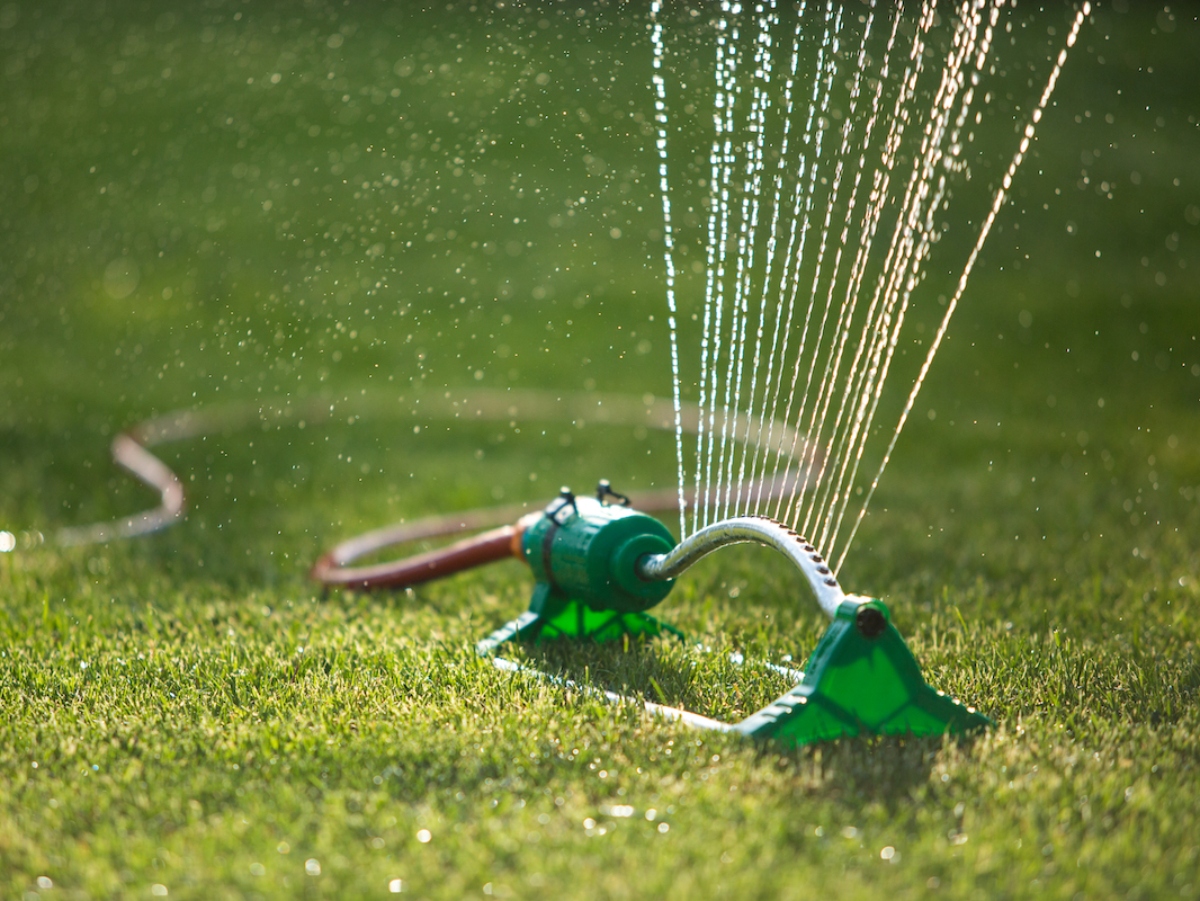
Image Source: www.onithome.com
Why Deep Watering is Crucial for Texas Lawns
In Texas, we often face periods of intense heat and drought. This is where deep watering Texas lawns becomes essential. Instead of light, frequent sprinkles that only wet the surface, we want to encourage grass roots to grow deep into the soil.
Think of it like this: if you only give your plants a tiny sip every day, their roots won’t need to search for water. But if you give them a good, deep drink less often, they’ll send their roots down further to access that moisture. This makes them much stronger and better able to handle dry spells.
- Benefits of Deep Watering:
- Promotes stronger, deeper root systems.
- Increases drought resistance.
- Reduces the risk of fungal diseases caused by constantly wet surfaces.
- Makes your lawn more efficient at absorbing nutrients.
Factors Influencing Your Texas Lawn Watering Schedule
There isn’t a one-size-fits-all answer for watering your lawn. A solid Texas lawn watering schedule is dynamic and adjusts to your specific conditions. Here’s what to consider:
1. Grass Type and Its Needs
Different types of grass have different water requirements. For instance, Bermuda and Zoysia grasses, common in Texas, are warm-season grasses that generally need less water than cool-season grasses. However, during peak summer heat, even these hardy types will need adequate moisture.
2. Soil Type Lawn Watering Texas
The soil type lawn watering Texas experiences plays a massive role.
- Sandy Soils: These drain quickly. Water can pass through them fast, meaning you might need to water more frequently but in shorter bursts to avoid runoff.
- Clay Soils: These hold water much longer. Overwatering can lead to waterlogging, drowning roots and promoting disease. Water clay soils more slowly and less often.
- Loam Soils: A good balance, holding moisture well but also draining adequately.
To check your soil type, take a handful of moist soil and squeeze it.
* Sandy: Feels gritty, falls apart easily.
* Clay: Feels sticky, forms a firm ball.
* Loam: Feels smooth, holds its shape when squeezed but crumbles slightly.
3. Time of Year and Weather Patterns
The frequency of watering lawn Texas lawns changes with the seasons.
- Spring: As temperatures rise, your lawn starts to wake up. Water needs increase, but typically not as much as in summer.
- Summer: This is the critical period. High temperatures and increased evaporation demand more water. This is when summer lawn watering Texas practices are most vital.
- Fall: Temperatures cool down, and rainfall may increase. You can usually reduce watering frequency.
- Winter: Most established lawns go dormant and require very little supplemental watering, relying on natural rainfall.
4. Rainfall Impact Lawn Watering Texas
Always consider recent rainfall impact on lawn watering Texas. If you’ve had a good soaking rain, you can skip a scheduled watering. Use a rain gauge to measure how much rain you’ve actually received. A general rule is to supplement with your sprinkler only if you haven’t received at least an inch of rain in a week.
5. Sun Exposure and Shade
Areas of your lawn that receive full sun all day will dry out much faster than shaded spots. You might need to adjust your watering zones to account for these differences.
How to Measure Water Application
You need to know how much water your sprinkler system is applying. A simple way to do this is using rain gauges or empty tuna cans placed around your lawn.
- Place: Scatter several empty, flat-bottomed containers (like tuna cans) across your lawn, ensuring they are in areas watered by your sprinkler.
- Run: Turn on your sprinkler system for a set amount of time.
- Measure: After the set time, measure the depth of water collected in the cans.
- Calculate: Average the water depth across all the cans. This average tells you how much water your system applies in that time.
For example, if it takes 30 minutes to apply half an inch of water, and your lawn needs an inch per week, you’ll need to run your sprinklers for an hour, likely split into two watering sessions.
Best Time to Water Lawn Texas
The best time to water lawn Texas is typically early in the morning.
- Early Morning (4 AM – 9 AM): This is ideal.
- Less Evaporation: Temperatures are cooler, and the sun is less intense, meaning more water gets absorbed by the soil and grass roots rather than evaporating into the air.
- Reduces Disease Risk: Grass blades have time to dry out before nightfall, which helps prevent fungal diseases.
- Avoid Midday Watering: Water evaporates too quickly in the heat, making it inefficient.
- Avoid Evening Watering: Watering too late in the evening can leave grass blades wet overnight, promoting fungal growth and diseases like brown patch.
How Much Water Does Your Texas Lawn Need?
As a general guideline, most Texas lawns need about 1 to 1.5 inches of water per week. However, this is not a rigid rule.
- Deep Watering Texas Lawns: The goal is to moisten the soil to a depth of 4-6 inches. This encourages roots to grow down.
- Frequency: For most soils, it’s better to water deeply once or twice a week rather than a little bit every day. This translates to watering for approximately 30-60 minutes per session, depending on your sprinkler output.
Let’s break down watering by season:
Summer Lawn Watering Texas
During the hot Texas summers, your lawn’s lawn watering needs Texas are at their peak.
- Frequency: You might need to water once or twice a week, potentially for 45-60 minutes per session, to reach that 1-1.5 inch target.
- Signs of Thirst: Look for signs like a bluish-gray tint to the grass, footprints that remain visible for a long time, or wilting blades.
- Adjust for Heat Waves: During extreme heat waves, you might need to increase watering slightly or water more frequently, but always prioritize deep watering.
Spring and Fall Watering
- Frequency: Water needs decrease as temperatures moderate. You might only need to water once a week, or even less if you receive adequate rainfall.
- Observation is Key: Pay close attention to the weather and the condition of your lawn.
Winter Watering
- Dormancy: Most established warm-season grasses will go dormant and require minimal to no supplemental watering.
- Exceptions: If you have a mild winter with no rainfall and your lawn is actively growing (e.g., some fescues overseeded into Bermuda), you might need to water occasionally, but still much less than in warmer months.
Adapting to Drought Conditions: Drought Tolerant Lawn Watering Texas
Texas frequently experiences drought, making drought tolerant lawn watering Texas practices crucial for water conservation and lawn health.
- Embrace Dormancy: Many Texas-friendly grasses, like Bermuda, are highly drought tolerant. They can go dormant during severe dry spells, turning brown. This is a natural survival mechanism, not death. They will green up again when sufficient moisture returns.
- Watering Dormant Lawns: If your lawn is dormant due to drought, watering it lightly every 2-3 weeks (about 0.5 inches) can help keep the crown and roots alive, ensuring it recovers when rain returns. However, excessive watering of dormant grass is wasteful and can harm it.
- Reduce Mowing: Mow higher during dry periods. Taller grass shades the soil, reducing evaporation and cooling the roots.
- Avoid Fertilizing During Drought: Fertilizing a stressed lawn can encourage growth that it can’t sustain with limited water. Wait until conditions improve.
- Consider Drought-Tolerant Landscaping: For long-term water savings, incorporate native and adapted plants that require less water.
Hydrozoning Texas Lawns for Efficiency
Hydrozoning Texas lawns is a smart landscaping strategy that groups plants with similar water needs together.
- What it means: You might have one zone for your lawn that needs regular watering, another for drought-tolerant groundcovers, and another for native shrubs that thrive on minimal water.
- Benefits:
- Water Efficiency: Prevents overwatering water-wise plants and underwatering thirsty ones.
- Healthier Plants: Ensures each plant type receives the appropriate amount of moisture.
- Reduced Runoff: Less wasted water.
If your irrigation system allows for different watering times and durations for various zones, you can effectively implement hydrozoning.
Lawn Watering Needs Texas: Common Mistakes to Avoid
- Shallow, Frequent Watering: As mentioned, this encourages weak roots.
- Watering During Peak Sun: Most of the water is lost to evaporation.
- Ignoring Rainfall: Wasting water when nature has already provided it.
- Watering at Night: Increases the risk of fungal diseases.
- Overwatering: Leads to shallow roots, disease, and nutrient leaching.
- Not Adjusting for Soil Type: Using a generic watering schedule without considering your specific soil.
When to Call a Professional
If you’re unsure about your irrigation system’s coverage, your soil type, or how to set up an efficient watering schedule, consider consulting a local Texas A&M AgriLife Extension agent or a certified professional lawn care specialist. They can provide tailored advice for your specific location and lawn conditions.
Table: Typical Texas Lawn Watering Guide
This table provides a general guideline. Always observe your lawn and adjust as needed.
| Season | Target Water Amount (per week) | Frequency (typical) | Best Time to Water | Notes |
|---|---|---|---|---|
| Spring | 1 – 1.25 inches | 1-2 times | Early Morning (4-9 AM) | Watch for signs of stress as temperatures rise. |
| Summer | 1.25 – 1.5 inches | 1-2 times | Early Morning (4-9 AM) | Crucial for survival during heat. Deep watering is key. |
| Fall | 0.75 – 1 inch | 1 time | Early Morning (4-9 AM) | Reduce as temperatures cool and rainfall may increase. |
| Winter | 0 – 0.5 inches | As needed (rarely) | Early Morning | Most grasses dormant. Water only if prolonged dry spell with no rain. |
FAQs about Texas Lawn Watering
Q1: How often should I water my lawn in Texas during the summer?
A: During the Texas summer, aim to water your lawn deeply once or twice a week. The goal is to apply about 1 to 1.5 inches of water in total over the week, allowing the soil to dry out slightly between waterings to encourage deep root growth.
Q2: Can I water my lawn in the morning in Texas?
A: Yes, watering your lawn in the early morning (between 4 AM and 9 AM) is the best practice. This minimizes water loss due to evaporation and allows the grass blades to dry before nightfall, reducing the risk of fungal diseases.
Q3: What are the signs my Texas lawn needs water?
A: Signs include a bluish-gray tint to the grass, footprints that remain visible on the lawn long after you walk on it, or grass blades that appear wilted and lack springiness.
Q4: Is it okay to water my lawn every day in Texas?
A: No, it’s generally not recommended to water your lawn every day in Texas. Shallow, daily watering encourages shallow root systems, making the grass more susceptible to drought stress and heat. Deep, infrequent watering promotes healthier, deeper roots.
Q5: How long should I run my sprinklers to water my lawn deeply?
A: The duration depends on your sprinkler system’s output and your soil type. A common guideline is to run sprinklers for 30-60 minutes per zone. Use the tuna can test (placing empty cans on the lawn to measure water depth) to determine how long it takes your sprinklers to apply 1 inch of water.
Q6: My lawn is turning brown in the Texas summer. Should I water it more?
A: Brown grass in summer can be a sign of thirst or dormancy. If it’s dormancy due to heat and lack of water, light watering every 2-3 weeks can help it survive. If it’s a lack of water without dormancy, deep watering is needed. Observe your lawn closely. If the blades easily snap, it needs water. If they bend and stay bent, it might be dormant. Avoid overwatering.
By following these guidelines, you can establish a watering routine that keeps your Texas lawn healthy, resilient, and beautiful, even when facing our challenging climate. Remember, observation and adjustment are your best tools.