
So, how long to water after fertilizing your lawn? Generally, you should water your lawn immediately after fertilizing for about 15-20 minutes to help the fertilizer dissolve and move into the soil. This action is crucial for watering lawn after fertilizer to be effective.
Applying fertilizer to your lawn is a fundamental step towards achieving that lush, green carpet everyone desires. However, the process doesn’t end with the broadcast spreader. What you do after fertilizing is just as important, if not more so. This is where watering lawn after fertilizer plays a starring role. Get it right, and you’re on your way to robust growth. Get it wrong, and you risk burning your grass, wasting your investment, and contributing to unnecessary runoff. This comprehensive guide will delve into the nuances of when to water lawn after fertilizing, establish a proper watering schedule after fertilization, and provide essential fertilizing and watering lawn tips for optimal results. We’ll explore the best practices for fertilizing lawn watering tips, discuss watering frequency after fertilizing, and show you how to water fertilized lawn effectively, covering the best time to water after fertilizing, post-fertilization watering, and the overall synergy of lawn care watering fertilizing.
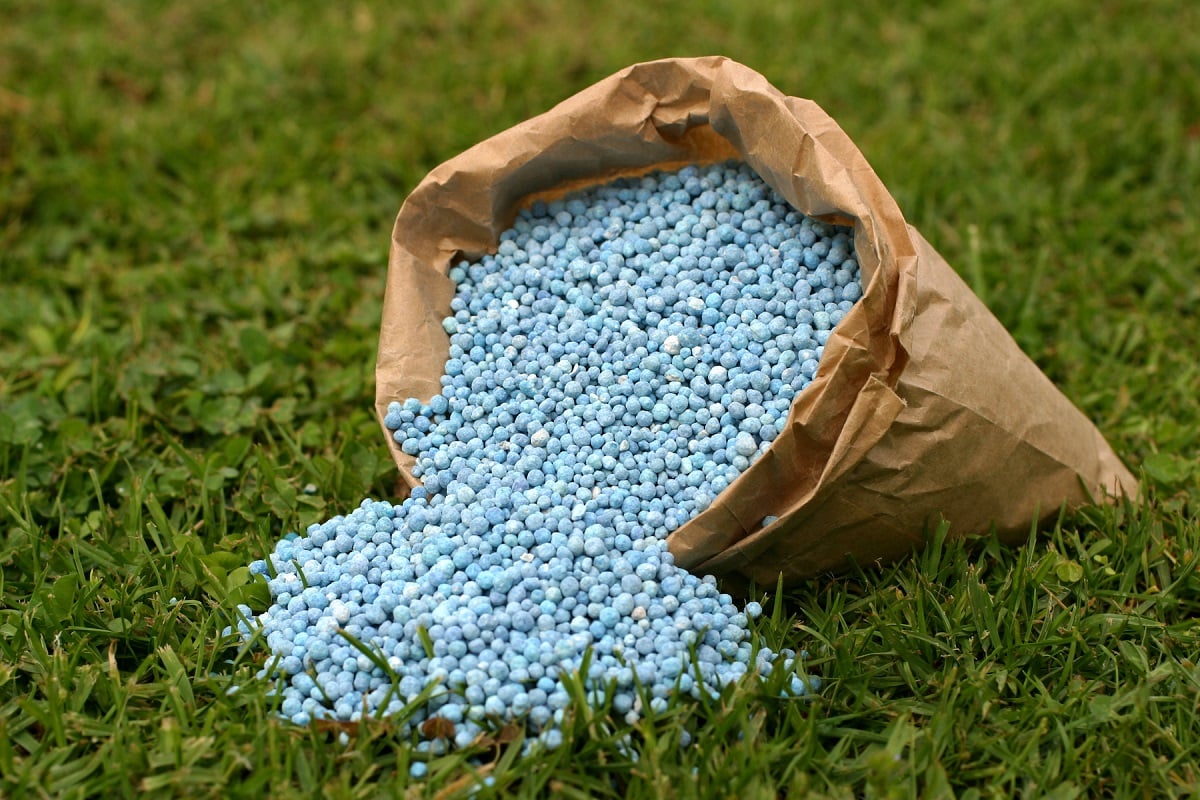
Image Source: www.lawnbuddies.com
The Crucial Role of Water Post-Fertilization
Think of fertilizer as a concentrated food source for your grass. Just like humans need water to digest and absorb nutrients from their food, grass needs water to process and utilize the fertilizer applied. Without adequate moisture, the fertilizer granules can sit on the surface, potentially “burning” the grass blades by drawing out moisture. This leads to brown patches and weakened turf.
Why Immediate Watering is Key
Post-fertilization watering serves several vital functions:
- Dissolving Granules: Most granular fertilizers need moisture to dissolve and release their nutrients. Immediate watering helps break down these granules.
- Moving Nutrients to Roots: Once dissolved, the water carries the dissolved nutrients down into the soil, where the grass roots can absorb them.
- Preventing Fertilizer Burn: By washing away excess fertilizer from the grass blades and diluting it in the soil, immediate watering significantly reduces the risk of “fertilizer burn.”
- Activating Slow-Release Formulas: Even slow-release fertilizers benefit from initial moisture to begin their nutrient release process.
What Happens If You Don’t Water
Skipping the watering step after fertilizing can lead to several detrimental outcomes:
- Grass Burn: Fertilizer salts left on grass blades can dehydrate them, causing them to turn brown and crispy.
- Uneven Growth: If fertilizer doesn’t dissolve and distribute evenly, you’ll likely see patchy growth and uneven color.
- Wasted Fertilizer: Nutrients that aren’t absorbed by the roots are effectively wasted, meaning you won’t get the full benefit of your fertilizer application.
- Environmental Impact: Unabsorbed fertilizer can be washed away by rain or dew into storm drains, contributing to water pollution.
When to Water Your Lawn After Fertilizing
The timing of your watering lawn after fertilizer is critical. For most granular fertilizers, the general rule is to water as soon as possible after application.
The “Water Immediately” Principle
In most cases, when to water lawn after fertilizing is immediately. This means within a few hours of spreading the fertilizer. If you apply fertilizer in the morning, water in the late morning or early afternoon. If you fertilize in the late afternoon, water before dusk. The goal is to get the moisture into the soil to activate the fertilizer before the heat of the day or potential dew accumulation can cause issues.
Exceptions and Considerations
While immediate watering is the standard, there are a few nuances:
- Liquid Fertilizers: Liquid fertilizers are typically absorbed directly through the leaves and roots. Often, the instructions for liquid fertilizers will specify whether watering is needed immediately after application or if it should be delayed. Always follow the product label.
- Precipitation: If significant rainfall is forecasted within 24-48 hours of your fertilizing, you might be able to rely on natural precipitation. However, it’s still a good practice to water lightly to ensure the fertilizer dissolves properly, especially if the rain is not a downpour.
- Fertilizers with Weed Control: If your fertilizer also contains a pre-emergent or post-emergent herbicide, check the label carefully. Some herbicides require dry conditions on the grass blades for effectiveness. In these cases, you might need to wait a day or two after fertilizing to water.
How Long to Water After Fertilizing
The duration of watering is as important as the timing. The goal is to provide enough moisture to dissolve the fertilizer and move it into the root zone, but not so much that you cause waterlogging or excessive runoff.
The 15-20 Minute Rule
For most situations involving granular fertilizer, watering for 15 to 20 minutes per zone is generally sufficient. This timeframe typically delivers about ½ inch of water, which is usually enough to dissolve the fertilizer and move it into the top few inches of soil.
Measuring Your Watering
To ensure you’re watering effectively, consider using a rain gauge or placing several empty tuna cans or similar containers around your lawn. Time how long it takes for your sprinklers to fill them to the ½ inch mark. This will give you a more accurate understanding of your specific watering duration.
Adjusting for Soil Type and Conditions
- Sandy Soils: Sandy soils drain quickly. You might need to water for slightly longer or water in shorter, more frequent cycles to prevent water from running off the surface before it can be absorbed.
- Clay Soils: Clay soils absorb water more slowly. You may need to water in shorter cycles with a brief pause in between to allow the water to soak in properly without pooling and running off. For clay soils, consider a “cycle and soak” method: water for 5-10 minutes, wait an hour, then water for another 5-10 minutes.
Establishing a Watering Schedule After Fertilization
Watering schedule after fertilization is not a one-size-fits-all approach. It depends on several factors, including the type of fertilizer used, your lawn’s species, the weather, and your soil type.
The Initial Watering
As discussed, the initial watering after fertilizing is paramount. This is a one-time event immediately following the application.
Subsequent Watering for Established Lawns
Once the initial post-fertilization watering is complete, your lawn will resume its regular lawn care watering fertilizing schedule. The frequency and duration of subsequent watering will depend on the needs of your grass species and the prevailing weather conditions.
- Cool-Season Grasses (e.g., Kentucky Bluegrass, Fescue, Ryegrass): These grasses generally prefer consistent moisture and cooler temperatures. During active growth periods, they may require watering once or twice a week, delivering about 1 to 1.5 inches of water in total.
- Warm-Season Grasses (e.g., Bermuda, Zoysia, St. Augustine): These grasses thrive in warmer weather and are more drought-tolerant. They may need watering only when they show signs of stress, such as wilting or a dull bluish-green color, typically once every 1-2 weeks, delivering about 1 inch of water.
Key Factors Influencing Watering Frequency After Fertilizing:
- Temperature: Higher temperatures increase evaporation and transpiration, meaning your lawn will need water more frequently.
- Wind: Windy conditions can also dry out the soil and grass blades faster, necessitating more frequent watering.
- Sunlight: Lawns in full sun will dry out quicker than those in shade.
- Soil Type: As mentioned, sandy soils require more frequent watering than clay soils.
- Grass Type: Different grass species have varying water needs.
Fertilizing and Watering Lawn: Best Practices
Combining fertilizing and watering lawn effectively requires a thoughtful approach. It’s not just about the immediate aftermath; it’s about the entire process.
Fertilizing Lawn Watering Tips
Here are some key fertilizing lawn watering tips to ensure success:
- Read the Fertilizer Label: Always, always read and follow the instructions on your fertilizer packaging. Different formulations have different needs.
- Water Before Fertilizing (Sometimes): For some sensitive grass types or during very hot weather, it can be beneficial to lightly water the lawn a day before fertilizing. This helps to hydrate the grass and dilute the fertilizer when applied, further reducing the risk of burn. However, the most critical watering is after.
- Avoid Watering at Night: Watering late in the evening can leave the grass blades wet overnight, creating an ideal environment for fungal diseases. The best times to water are early morning or late afternoon.
- Water Deeply and Infrequently: Once your fertilizer has been activated, aim for deep, infrequent watering. This encourages deeper root growth, making your lawn more resilient to drought and stress. Shallow, frequent watering promotes shallow roots.
- Consider the Weather Forecast: If heavy rain is expected, you might postpone fertilizing. If a heatwave is coming, ensure your lawn is well-hydrated before fertilizing and water promptly afterward.
- Mow Before Fertilizing: If possible, mow your lawn a day or two before fertilizing. Removing clippings helps ensure better fertilizer contact with the soil and reduces the risk of fertilizer clumping in the mower bag or adhering to wet grass.
Best Time to Water After Fertilizing
The best time to water after fertilizing is generally early morning. This allows the water to soak into the soil and the fertilizer to be absorbed before the heat of the day causes significant evaporation. Watering in the late afternoon is the second-best option, provided you don’t leave the grass wet overnight.
Understanding Fertilizer Types and Watering Needs
- Granular Fertilizers: These are the most common. As discussed, they require immediate watering to dissolve and penetrate the soil.
- Liquid Fertilizers: These are diluted and sprayed onto the lawn. Their absorption is often very quick. Check the product label – some require immediate watering, while others state watering is not necessary or even detrimental until a certain period has passed.
- Slow-Release Fertilizers: These fertilizers release nutrients over an extended period. While they still benefit from initial watering to start the release process, they are less prone to causing burn, and their subsequent watering needs align with the grass’s general requirements.
How to Water Fertilized Lawn Effectively
How to water fertilized lawn correctly involves ensuring the water reaches the root zone without causing problems.
Sprinkler Systems vs. Hose
Whether you use an in-ground sprinkler system or a hose with a sprinkler attachment, the principles remain the same:
- Uniform Coverage: Ensure your sprinklers cover the entire lawn area evenly. Overlapping sprinkler patterns usually provide the best coverage.
- Avoid Runoff: If water starts pooling or running off, turn off the sprinklers. Let the water soak in for a while, then resume watering. This is particularly important on slopes or compacted soils.
- Check for Clogs: Regularly check your sprinklers for clogs or misaligned heads that could lead to uneven watering.
The Impact of Fertilizer Type on Watering Strategy
- Nitrogen-Heavy Fertilizers: These are potent and require prompt watering to prevent leaf scorch.
- Potassium and Phosphorus Fertilizers: While less prone to burning than high-nitrogen formulations, they still benefit from proper watering to ensure nutrient uptake.
Troubleshooting Common Post-Fertilization Watering Issues
Even with the best intentions, issues can arise.
Signs of Overwatering
- Waterlogged Soil: The ground remains soggy for extended periods.
- Fungal Diseases: Damp conditions can encourage lawn diseases like dollar spot or brown patch.
- Nutrient Leaching: Excessive watering can wash essential nutrients deeper into the soil, beyond the reach of grass roots.
Signs of Underwatering
- Wilting Grass: Grass blades lose their turgor and appear droopy.
- Brown or Yellowing Patches: This can indicate stress from lack of moisture, sometimes exacerbated by fertilizer burn.
- Slow Recovery: If you step on the grass and it doesn’t spring back quickly, it may be thirsty.
Fertilizing and Watering: A Harmonious Approach to Lawn Care
Fertilizing and watering lawn are symbiotic processes. One supports the other, and getting both right is key to a thriving lawn. It’s about creating the ideal environment for nutrient absorption and growth.
The Importance of Soil Health
Healthy soil is the foundation of a healthy lawn. Fertilizing provides nutrients, but good soil structure ensures those nutrients are accessible and retained. Proper watering also contributes to soil health by supporting beneficial microbial activity.
Seasonal Adjustments to Watering Frequency After Fertilizing
- Spring: As your lawn awakens from dormancy, it needs consistent moisture. Fertilizing in spring often coincides with increasing temperatures, so prompt watering is crucial. Watering frequency after fertilizing in spring might be higher initially.
- Summer: This is a stressful period for most lawns. Fertilizing in summer, especially during heatwaves, requires extra caution. Water immediately and deeply, and ensure your lawn is adequately hydrated between applications.
- Fall: Fall is an excellent time to fertilize, as it helps the grass recover from summer stress and prepare for winter. Temperatures are usually milder, but consistent moisture is still needed after fertilization to help the roots absorb nutrients for winter storage.
Frequently Asked Questions (FAQ)
Here are some common questions regarding watering after fertilizing:
Q1: Can I water my lawn right after applying weed-and-feed fertilizer?
A1: It depends on the specific product. Many weed-and-feed products require the grass to be dry when applied for the herbicide to work effectively. You might need to wait 24-48 hours after application before watering. Always check the product label for specific instructions.
Q2: My fertilizer says “water in.” How long should I water?
A2: Typically, “water in” means to water until the fertilizer granules are no longer visible on the grass blades. For most granular fertilizers, this means watering for about 15-20 minutes to achieve approximately ½ inch of water.
Q3: What happens if I water too much after fertilizing?
A3: Overwatering can lead to nutrient leaching (washing away essential nutrients), increase the risk of fungal diseases, and potentially suffocate the grass roots by depriving them of oxygen. It can also wash away newly applied fertilizer from the intended area.
Q4: Is it okay to fertilize and water on the same day?
A4: Yes, in fact, it’s often recommended to water immediately after fertilizing granular products to help them dissolve and move into the soil.
Q5: My lawn is already pretty wet from dew. Can I still fertilize?
A5: It’s generally best to fertilize when the grass blades are dry. If the grass is wet from dew, the fertilizer granules can stick to the blades and potentially cause burn when the sun warms them up. If you fertilize on wet grass, water it in immediately to wash the fertilizer off the blades and into the soil.
Q6: How often should I water my lawn after the initial post-fertilization watering?
A6: This depends on your grass type, the season, and weather conditions. Generally, aim for deep watering (about 1 inch of water) once or twice a week for cool-season grasses, and less frequently for warm-season grasses, allowing the soil to dry slightly between waterings.
By following these guidelines, you can ensure that your fertilizing efforts translate into a visibly healthier, greener, and more resilient lawn. Remember, consistent and appropriate lawn care watering fertilizing is the cornerstone of a beautiful yard.