
Can you stop mushrooms from growing in your lawn? Yes, you can stop mushrooms from growing in your lawn by addressing the underlying causes of their growth and implementing consistent lawn care practices. What causes mushrooms in my lawn? Mushrooms sprout in lawns due to a combination of moisture, organic matter, and the presence of mushroom spores in the soil.
Mushrooms are a natural part of the ecosystem, but when they pop up in your otherwise pristine lawn, they can be an unwelcome sight. These fungi, often appearing after rain, can range from harmless and small to unsightly and even toxic. Fortunately, mushroom control isn’t an impossible task. By taking a proactive approach to your lawn’s health, you can effectively eradicate lawn mushrooms and enjoy a greener, healthier yard. This guide will walk you through the reasons why mushrooms appear and provide simple, effective solutions to keep them at bay.
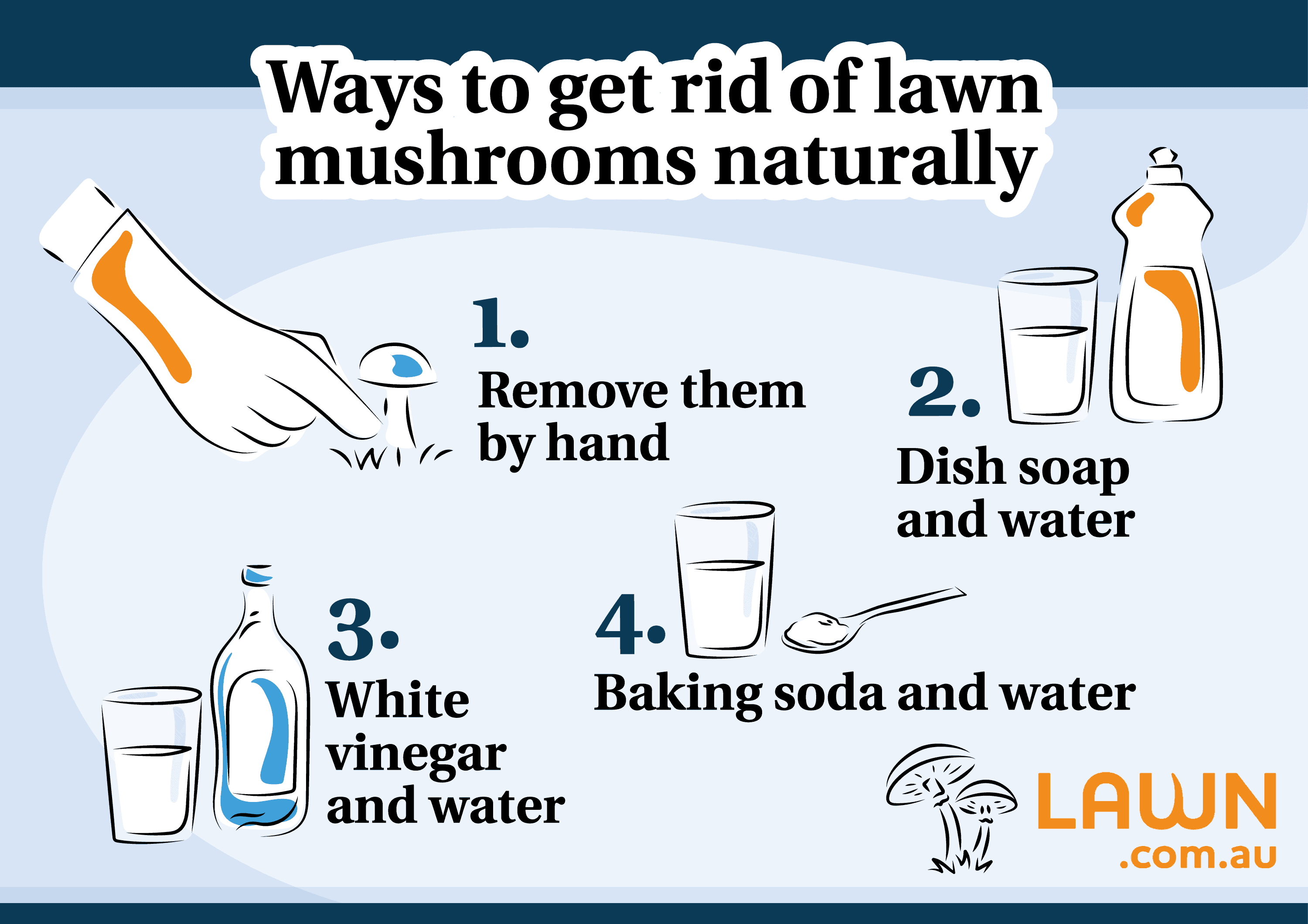
Image Source: lawn.com.au
Fathoming Why Mushrooms Take Root
Before we dive into solutions, let’s get a grasp on why these fungi decide your lawn is the perfect place to flourish. It all comes down to a few key environmental factors that fungi, including mushrooms, thrive on.
The Vital Trio: Moisture, Food, and Spores
Mushrooms are the fruiting bodies of a larger underground fungal network, known as mycelium. For this mycelium to produce mushrooms, it needs specific conditions:
- Ample Moisture: Fungi require moisture to grow and reproduce. Prolonged periods of rain, overwatering, or poor drainage create an ideal damp environment for mycelium to thrive. Even dew can provide enough moisture for mushroom growth.
- Organic Matter (Food Source): The underground mycelium feeds on decaying organic material. This can include thatch (dead grass clippings and roots), dead plant roots, buried wood, animal droppings, or even compost that hasn’t fully decomposed. The more organic matter present in your soil, the more food available for the fungal network.
- Presence of Mushroom Spores: Like seeds for plants, mushrooms release microscopic spores. These spores are ubiquitous in the environment and are likely already present in your soil. When conditions become favorable (plenty of moisture and food), these spores germinate and begin to grow the underground mycelium.
Common Culprits in Your Backyard
Several specific lawn conditions often encourage mushroom growth:
- Excess Thatch: A thick layer of thatch, the spongy layer of dead and living grass stems, roots, and debris that accumulates on the soil surface, is a prime breeding ground. It retains moisture and provides ample food for fungi. A healthy lawn has a thin layer of thatch, but over time, it can build up without proper thatch removal lawn practices.
- Poor Drainage: If your lawn stays soggy after rain or irrigation, it creates the perfect damp environment for fungal activity. Compacted soil can contribute significantly to poor drainage.
- Shady Areas: Shady parts of your lawn tend to stay moist for longer periods, making them more susceptible to mushroom growth than sunny areas.
- Buried Organic Material: If you’ve recently added compost, topsoil containing decaying leaves, or even buried tree stumps or old garden debris, this provides an immediate food source for fungi.
- Animal Waste: Pet waste, particularly from dogs, is rich in nitrogen and organic matter, which can fuel localized mushroom growth.
- Compacted Soil: Heavily compacted soil restricts air and water movement, leading to waterlogged conditions and a weakened turf that is more prone to fungal problems. Soil aeration lawn is crucial for preventing this.
Easy Fixes to Stop Mushroom Growth
Now that we know why mushrooms appear, let’s look at practical solutions to get rid of them and prevent their return. The key is to disrupt the conditions that allow them to flourish.
Tackling the Immediate Problem: Removing Visible Mushrooms
While removing visible mushrooms won’t solve the root cause (the mycelium underground), it’s a necessary step for aesthetics and safety, especially if you have pets or children.
- Manual Removal: The simplest method is to pick them by hand or use a trowel to dig them out. Try to get the entire mushroom, including the base, to remove as much of the reproductive structure as possible.
- Bagging and Disposal: Place the removed mushrooms in a plastic bag and seal it tightly before disposing of them. This helps prevent spores from scattering further.
- Avoid Mowing Over Them: Mowing over mushrooms can spread spores throughout your lawn, exacerbating the problem.
Important Note: If you are unsure whether a mushroom is toxic, never taste it. Keep pets and children away from areas where mushrooms are growing.
Addressing the Underlying Causes for Long-Term Control
To truly eradicate lawn mushrooms, you need to focus on making your lawn a less hospitable place for fungi. This involves a combination of good lawn care mushrooms practices.
1. Managing Moisture Levels
Controlling excess moisture is paramount.
- Water Wisely: Water your lawn deeply and less frequently. This encourages deeper root growth, which makes the grass more resilient. Avoid watering in the evening, as this leaves the grass blades and soil damp overnight, perfect for fungal growth. Water in the early morning.
- Improve Drainage:
- Aeration: For compacted soil, soil aeration lawn is a game-changer. Core aeration removes small plugs of soil, allowing air, water, and nutrients to penetrate deeper, improving drainage and reducing waterlogging. Aim to aerate in the fall or spring when the grass is actively growing.
- Dethatching: Regularly remove excess thatch. This allows water to drain more effectively and removes a primary food source for fungi.
- Addressing Low Spots: If certain areas of your lawn collect water, consider regrading or adding soil to these low spots to improve surface drainage.
2. Reducing Organic Matter
Less “food” means less fuel for the fungal network.
- Regular Thatch Removal: As mentioned, this is crucial. You can use a power dethatcher or a stiff-bristled rake for smaller areas. Aim to remove thatch layers thicker than half an inch. This is a key part of lawn disease prevention.
- Clean Up Debris: Rake up fallen leaves, grass clippings, and other organic debris regularly. Don’t let them accumulate and decompose on the soil surface.
- Bury or Remove Wood: If you have buried wood scraps or old stumps, these will continue to feed fungi. Remove them if possible. If not, ensure they are buried deep enough that they don’t break the surface.
- Promptly Clean Up Pet Waste: This is a simple yet effective step, especially if pet waste is a recurring issue.
3. Promoting a Healthy and Dense Turf
A thick, healthy lawn naturally outcompetes fungi for resources and creates an environment less welcoming to mushrooms.
- Proper Mowing:
- Mow at the Correct Height: For most cool-season grasses, this is around 2.5 to 3.5 inches. Taller grass shades the soil, keeping it cooler and moister, which can paradoxically encourage some fungi. However, mowing too short stresses the grass, making it vulnerable. Find the right balance for your grass type.
- Keep Mower Blades Sharp: Dull blades tear grass, creating ragged edges that are more susceptible to disease and stress, which can indirectly favor fungal growth.
- Fertilize Appropriately: A balanced fertilization program provides the nutrients your grass needs to grow thick and strong. Avoid over-fertilizing, especially with high-nitrogen fertilizers, as this can promote lush, soft growth that is more prone to fungal issues. Follow a soil test to determine your lawn’s specific needs.
- Overseeding: If your lawn is thin in areas, overseeding with a quality grass seed can help create a denser turf, reducing the space available for weeds and fungi.
- Choose the Right Grass Type: If you live in an area prone to fungal issues, consider planting grass varieties that are more resistant to common lawn diseases.
Targeted Treatments for Specific Fungal Problems
Sometimes, despite your best efforts, you might encounter persistent mushroom growth, often associated with specific fungal patterns.
Eliminating Fairy Rings
Fairy rings are circular or arc-shaped patterns of mushrooms, often surrounded by a ring of darker, faster-growing grass, or sometimes a ring of dead grass. These are caused by the mycelium growing outward from a central point.
- Reduce Thatch and Aerate: These general practices are the first line of defense.
- Water and Fertilize: For healthy lawns, watering and fertilizing the entire lawn (including the fairy ring) can sometimes help the grass grow through the ring and mask its appearance.
- Remove the Ring (Manual): For stubborn fairy rings, you may need to dig out the affected soil to a depth of about 12 inches and a width of 12 inches around the ring. Replace the removed soil with fresh topsoil and reseed or resod. This is labor-intensive but can be effective.
- Fungicides: In severe cases, a lawn fungus treatment applied with a fungicide can help control the fungal growth. However, fungicides are often most effective when applied preventatively or at the first sign of trouble. They won’t necessarily kill the existing mushrooms but can inhibit the spread of the mycelium. Always follow product label instructions carefully.
Using Lawn Fungicides (With Caution)
Fungicides are chemical or biological agents that kill or inhibit the growth of fungi. They are typically a last resort for cosmetic issues like mushrooms.
- When to Consider: Fungicides are more effective when used to prevent or treat widespread lawn fungus treatment that affects the grass itself, rather than just individual mushrooms. If you’re seeing widespread brown patches or other signs of fungal disease along with mushrooms, a fungicide might be considered.
- Types of Fungicides: There are many types available, some broad-spectrum, others targeted. Some are systemic (absorbed by the plant), while others are contact fungicides.
- Application: Always read and follow the product label instructions meticulously. This includes application rates, timing, and safety precautions. Proper timing is crucial for effectiveness.
- Environmental Impact: Be mindful of the environmental impact of fungicides. Use them only when necessary and consider organic or less toxic options where available.
Making Your Lawn a Fungus-Free Zone: A Proactive Approach
The most effective way to stop mushrooms is through consistent, healthy lawn practices. Think of it as building a robust defense system for your grass.
Year-Round Lawn Maintenance
- Spring: Aerate and dethatch to remove winter accumulation and improve soil health. Apply a balanced fertilizer. Overseed any thin areas.
- Summer: Water efficiently. Mow at the correct height. Monitor for any signs of stress or disease.
- Fall: Aerate and dethatch again if necessary. Apply a fall fertilizer to help the grass recover from summer stress and prepare for winter. Rake up fallen leaves.
- Winter: Keep off the lawn when frozen to prevent damage.
Natural and Organic Approaches
For those who prefer to avoid chemicals, several natural methods can help.
- Beneficial Microbes: Introducing beneficial microbes to your soil can help break down organic matter more efficiently, reducing the food available for pathogenic fungi.
- Compost Tea: Applying compost tea can enrich the soil with beneficial microorganisms that compete with harmful fungi.
- Vinegar Solution (for spot treatment): A diluted vinegar solution can kill mushrooms on contact, but it can also harm the grass. Use this very sparingly and as a last resort for individual mushrooms if you can avoid spraying the grass.
FAQ Section
Here are some common questions about lawn mushrooms:
Q1: Are mushrooms in my lawn dangerous?
A1: While most lawn mushrooms are not inherently dangerous to the grass, some can be toxic if ingested by pets or children. It’s best to assume all mushrooms are potentially harmful and remove them if you have pets or small children who frequent the lawn.
Q2: How quickly can I get rid of mushrooms?
A2: You can remove visible mushrooms immediately by hand. However, eliminating the underlying fungal network and preventing their return takes time and consistent healthy lawn practices. It might take several weeks or even a full growing season to see a significant reduction in mushroom growth, especially if the underlying issues like poor drainage or excessive thatch are not fully addressed.
Q3: Can I just ignore the mushrooms?
A3: You can ignore them from a cosmetic perspective if they don’t bother you. However, their presence usually indicates an imbalance in your lawn’s ecosystem (like excess moisture or organic matter) that could eventually lead to other lawn problems, such as lawn disease prevention issues impacting the grass itself.
Q4: What is the best time to treat for mushrooms?
A4: The best time to implement preventive measures like soil aeration lawn and thatch removal lawn is typically in the spring or fall. If you are using a fungicide, follow the product’s recommendations, which often involve applying it before or during periods of high fungal activity (usually after rain).
Q5: Will commercial mushroom control products work?
A5: Yes, some commercial products are designed for mushroom control or lawn fungus treatment. These often contain fungicides. However, remember that these are often temporary solutions if the underlying environmental conditions are not corrected. The most sustainable approach involves improving overall lawn care mushrooms and fostering a healthy lawn.
By following these comprehensive steps, you can transform your lawn from a mushroom haven into a lush, healthy, and enjoyable outdoor space. Consistent effort and attention to your lawn’s needs are the keys to a beautiful, fungus-free yard.