
Can you power wash Astroturf? Yes, you can power wash Astroturf, but it’s important to do it correctly to avoid damaging the synthetic grass. Using a low setting and a wide nozzle is key. Proper Astroturf maintenance ensures your lawn stays looking its best for years to come. This guide will walk you through the best methods for cleaning artificial turf and keeping your synthetic lawn vibrant and hygienic.
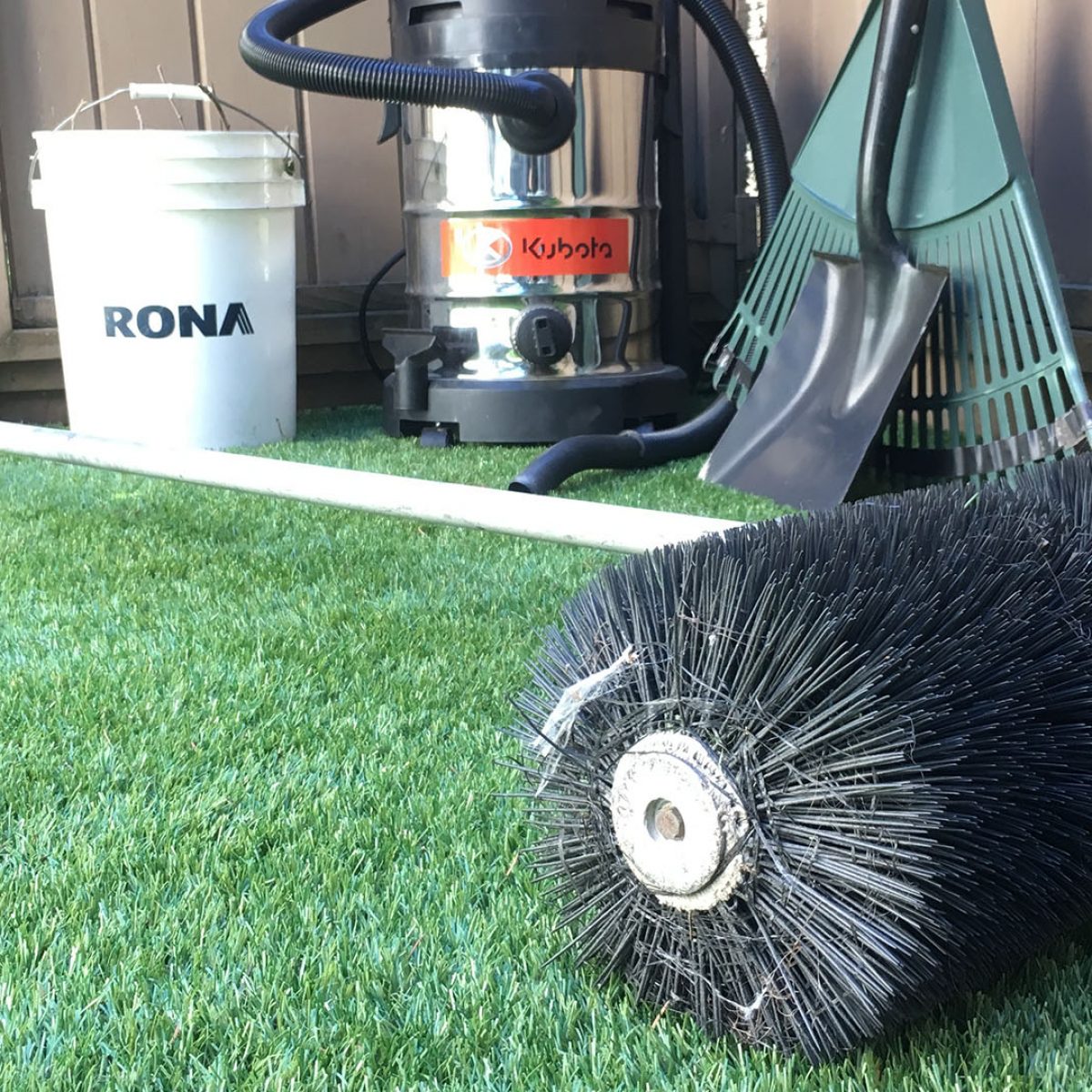
Image Source: bellaturf.ca
Keeping Your Synthetic Grass Pristine
Having a beautiful Astroturf lawn offers many benefits, from low maintenance to a consistent green appearance year-round. However, even synthetic grass needs a little attention to stay in top condition. Regular artificial turf care is essential to prevent dirt, debris, and pet waste from accumulating, which can lead to odors and a less-than-ideal aesthetic. This article will delve into comprehensive artificial grass maintenance tips to help you keep your lawn looking and smelling fresh.
The Basics of Astroturf Cleaning
The foundation of effective Astroturf maintenance lies in understanding its unique needs. Unlike natural grass, synthetic turf doesn’t require mowing or fertilizing. However, it does need regular cleaning to remove surface debris and prevent build-up.
Debris Removal: The First Step
The most common culprits for a dirty Astroturf lawn are leaves, twigs, dust, and general outdoor debris.
Daily and Weekly Sweeping
- Leaf Blower: A leaf blower is your best friend for quickly clearing loose debris. It’s efficient and covers large areas quickly.
- Stiff Broom or Rake: For more stubborn debris or areas where a leaf blower might scatter things too much, a stiff broom or a plastic rake works well. Avoid metal rakes, as they can snag and damage the turf blades.
- Targeted Cleaning: Pay attention to high-traffic areas and corners where debris tends to gather.
Addressing Pet Waste
Pet owners know that pets can be a challenge for any lawn, and Astroturf is no exception. Prompt and thorough cleaning is vital for hygiene and odor control.
- Scoop Solids Immediately: The sooner you remove solid pet waste, the easier it will be to clean and the less likely odors are to set in.
- Rinse the Area: After scooping, rinse the affected spot with a hose. This helps wash away any lingering residue.
- Turf Deodorizing: For persistent odors, especially after pet accidents, a specialized turf deodorizing solution is highly recommended. These are typically enzyme-based and break down the odor-causing molecules.
Deep Cleaning Your Astroturf
While regular sweeping handles surface debris, occasional deep cleaning is necessary to maintain the overall health and appearance of your synthetic grass. This involves fake grass washing to remove embedded dirt and grime.
The Importance of Water
Water is a primary tool in synthetic grass cleaning. It helps to loosen dirt, wash away residue, and can even help to refresh the turf blades.
- Hosing Down: A good thorough hosing with a standard garden hose is often sufficient for a regular deep clean. This is particularly effective after a period of dry weather.
- Gentle Pressure: Use a spray nozzle that allows for adjustable pressure. You want enough force to dislodge dirt but not so much that it compacts the infill or damages the turf fibers.
Astroturf Cleaning Solutions
For more stubborn dirt or specific issues, specialized cleaning solutions can be very effective.
Choosing the Right Cleaner
- Mild Dish Soap: A diluted solution of mild dish soap and water can be used for general cleaning. Mix a small amount of soap with a bucket of water.
- Vinegar Solution: White vinegar diluted with water (1:1 ratio) is a natural disinfectant and deodorizer, especially effective for pet areas.
- Commercial Turf Cleaners: Many companies offer specialized astroturf cleaning solutions designed to be safe for synthetic grass and effective against common stains and odors. Always read and follow the manufacturer’s instructions.
- Enzyme Cleaners: These are particularly useful for pet waste and organic stains, as they break down the waste at a molecular level.
Application Methods
- Spray Bottle: For targeted cleaning or applying a diluted solution, a spray bottle is ideal.
- Hose-End Sprayer: These attach to your garden hose and are great for applying larger volumes of cleaning solution evenly across the lawn.
- Bucket and Brush: For stubborn spots, you can use a bucket of your chosen solution and a soft-bristle brush. Gently scrub the area.
Power Washing Astroturf: Proceed with Caution
Power washing Astroturf can be an effective way to deep clean, but it comes with risks.
When to Consider Power Washing
- Stubborn dirt and grime that regular hosing can’t remove.
- After periods of heavy use or prolonged exposure to environmental factors like dust storms.
Safe Power Washing Techniques
- Low Pressure Setting: This is the most crucial aspect. Use the lowest possible pressure setting on your power washer. Start very low and gradually increase if needed.
- Wide Fan Nozzle: Always use a wide-angle nozzle (e.g., 40-degree or wider). Never use a zero-degree or narrow-angle nozzle, as this can cause significant damage.
- Distance: Keep the nozzle at least 12-18 inches away from the turf surface. Move the spray in a consistent, sweeping motion.
- Test Area: Before cleaning the entire lawn, test the power washer on a small, inconspicuous area to ensure it doesn’t damage the turf or infill.
- Avoid Direct Spray on Seams: Be careful not to direct the high-pressure spray directly at any seams where turf sections are joined, as this can weaken the adhesive.
- Rinse Thoroughly: After power washing, rinse the entire area thoroughly with a regular garden hose to remove any loosened debris and cleaning solution residue.
Removing Stains From Astroturf
Accidents happen, and sometimes you’ll encounter specific stains on your synthetic lawn. Knowing how to tackle these is key to effective artificial turf care.
Common Astroturf Stains and Solutions
| Stain Type | Recommended Cleaning Solution | Method |
|---|---|---|
| Food/Drink Spills | Mild dish soap and water; 3% hydrogen peroxide (for light turf) | Blot the stain immediately. Apply diluted soap solution with a cloth or sponge and gently blot. For tougher stains on lighter turf, a small amount of 3% hydrogen peroxide can be dabbed on, then rinsed thoroughly. |
| Grease/Oil | Rubbing alcohol; commercial degreaser | Blot up excess oil. Apply rubbing alcohol to a clean cloth and dab the stain. For tougher grease, a specialized artificial turf degreaser can be used. Rinse well. |
| Pet Urine | White vinegar and water solution; enzyme cleaner | Blot up excess. Rinse with hose. Apply diluted vinegar solution or enzyme cleaner generously to the area. Allow to soak for a period as per product instructions, then rinse. |
| Mud/Dirt | Water; mild dish soap and water | Allow mud to dry completely, then brush or blow it away. If residue remains, use a hose and mild soap solution. |
| Chewing Gum | Ice; rubbing alcohol | Freeze the gum with ice cubes. Once hardened, gently scrape it off with a dull knife or spatula. If residue remains, apply rubbing alcohol to a cloth and dab. |
| Paint (Water-based) | Soap and water; rubbing alcohol (if fresh) | Blot up fresh paint. For dried paint, try gently scrubbing with soap and water. If that doesn’t work, a small amount of rubbing alcohol on a cloth can help. |
| Paint (Oil-based) | Mineral spirits; turpentine (use with extreme caution) | Blot immediately. Use a cloth dampened with mineral spirits or turpentine to dab the stain. CAUTION: These solvents can damage some artificial turf backing. Test in an inconspicuous area first and rinse thoroughly. |
Important Considerations for Stain Removal:
- Act Quickly: The sooner you address a stain, the easier it will be to remove.
- Blot, Don’t Rub: Rubbing can spread the stain and damage the turf fibers.
- Test First: Always test any cleaning solution or method on a small, hidden area of your lawn before applying it to the entire stained spot.
- Rinse Thoroughly: After treating a stain, always rinse the area with plenty of clean water to remove any cleaning product residue.
Maintaining the Infill
Many artificial turf installations include an infill material, typically sand, rubber granules, or a mixture. This infill is crucial for blade support, drainage, and the overall feel of the turf. Proper artificial turf care includes maintaining the infill.
What is Infill?
Infill is spread over the base of the turf and works its way down to the backing. It helps the blades stand upright, provides cushioning, and aids in drainage. Common infill types include:
- Sand: Usually silica sand, it’s cost-effective and good for drainage.
- Crumb Rubber: Made from recycled tires, it offers excellent cushioning and shock absorption.
- TPE (Thermoplastic Elastomer): A synthetic rubber that’s hypoallergenic and offers good performance.
- Organic Infills: Like walnut shells or cork, these are more environmentally friendly options.
Infill Maintenance
- Brushing: Regularly brush your turf against the grain using a stiff-bristled broom or a power broom attachment. This helps to redistribute the infill, keep the blades upright, and prevent matting. Aim to brush at least once a month, or more often in high-traffic areas.
- Top-Up: Over time, infill can settle or be displaced. You may need to top up your infill periodically. Apply the infill evenly across the surface and then brush it in.
- Cleaning Infill: If your infill becomes heavily soiled or compacted, you may need to use a power broom or a specialized infill rake to loosen and clean it.
Odor Control for Your Astroturf
While Astroturf itself doesn’t have an inherent odor, accumulated pet waste or moisture can lead to unpleasant smells. Effective turf deodorizing is key to a pleasant outdoor experience.
Natural Deodorizing Methods
- Vinegar: As mentioned, a diluted vinegar solution is a great natural deodorizer.
- Baking Soda: For localized odors, you can sprinkle baking soda over the affected area, let it sit for a few hours, and then brush or rinse it away.
Specialized Deodorizers
- Enzyme-Based Sprays: These are highly effective for breaking down organic matter that causes odors, especially from pet waste. Apply directly to the affected area and let it work.
- UV-Activated Deodorizers: Some products are designed to be activated by sunlight, helping to neutralize odors throughout the day.
Seasonal Maintenance Tips for Your Astroturf
Different seasons bring different challenges and require slightly different approaches to artificial grass maintenance tips.
Spring: Refresh and Revitalize
- Deep Clean: After winter, your lawn might have accumulated more debris or moss. Perform a thorough cleaning, including hosing down and potentially using a mild cleaning solution.
- Brush and Aerate: Brush the turf to lift flattened blades and ensure good airflow.
- Infill Check: Ensure the infill is evenly distributed and consider topping it up if needed.
Summer: Sun and Usage
- Rinse Regularly: On hot days, rinsing your Astroturf with water can help cool it down, which can be more comfortable for pets and children.
- Pet Waste Management: Be extra diligent with cleaning up pet waste due to warmer temperatures, which can exacerbate odors.
- Spot Cleaning: Address any spills or stains promptly.
Autumn: Leaf Fall
- Frequent Debris Removal: Autumn is notorious for leaf fall. Use a leaf blower or rake regularly to prevent leaves from becoming matted into the turf and causing discoloration or mold.
- Check Drainage: Ensure that leaf and debris accumulation isn’t blocking drainage channels.
Winter: Protection and Preparation
- Snow Removal: If you get heavy snow, try to remove it gently. Avoid using salt, as it can damage the turf backing and infill. A plastic shovel is best, or you can let it melt naturally.
- Debris Clearing: Clear any accumulated debris before winter sets in to prevent moisture from getting trapped.
What Tools Do You Need for Astroturf Cleaning?
Having the right tools makes cleaning artificial turf much easier and more effective.
- Leaf Blower: For quick debris removal.
- Stiff Broom or Plastic Rake: For more stubborn debris.
- Garden Hose with Adjustable Nozzle: For rinsing and general washing.
- Bucket: For mixing cleaning solutions.
- Soft-Bristle Brush: For scrubbing stubborn spots.
- Spray Bottle or Hose-End Sprayer: For applying cleaning solutions.
- Power Washer (with caution): For deep cleaning, used at low pressure with a wide nozzle.
- Gloves: For hygiene when dealing with pet waste or cleaning solutions.
- Specialized Turf Cleaner/Deodorizer: As needed.
- Power Broom or Infill Rake: For infill maintenance.
Frequently Asked Questions About Astroturf Cleaning
Q1: How often should I clean my Astroturf?
The frequency of Astroturf maintenance depends on usage and your environment. Generally, it’s recommended to sweep or blow away debris at least once a week. A good hose-down every 1-2 months is advisable for a deeper clean. If you have pets, more frequent rinsing and spot cleaning of pet areas will be necessary.
Q2: Can I use a standard household vacuum cleaner on Astroturf?
It’s generally not recommended to use a standard household vacuum cleaner. The suction can be too strong, potentially pulling up infill or damaging the turf fibers. Stick to manual methods or specialized equipment.
Q3: Will cleaning damage my Astroturf?
If done correctly, cleaning will not damage your Astroturf. The key is to use gentle methods and appropriate cleaning solutions. Avoid harsh chemicals, high-pressure washing without precautions, and abrasive tools that can snag or tear the fibers. Always test cleaning solutions in an inconspicuous area first.
Q4: How do I prevent weeds on my Astroturf?
Weeds can sometimes sprout through the backing of Astroturf, especially if the infill layer is thin or if there are gaps. Regular brushing and ensuring the infill layer is well-maintained can help. If weeds do appear, pull them out by hand or use a weed killer specifically approved for use on synthetic turf. Avoid general-purpose herbicides, as they may damage the turf.
Q5: Is it safe to use bleach on Astroturf?
It’s best to avoid bleach on Astroturf. While it can kill bacteria and mold, it can also discolor or degrade the synthetic fibers and backing over time. Safer alternatives like vinegar solutions or specialized turf cleaners are recommended.
Q6: My Astroturf smells like pet urine. What can I do?
This is a common issue. First, scoop solids and rinse the area thoroughly with a hose. Then, apply a generous amount of an enzyme-based pet odor eliminator or a diluted white vinegar solution (1:1 with water). Allow it to soak into the turf and infill for at least 15-20 minutes, or as directed by the product, and then rinse thoroughly. Regular rinsing after pet use is the best preventative measure.
Q7: Can I use a pressure washer on my Astroturf?
Yes, but with extreme caution. Power washing Astroturf should only be done on the lowest pressure setting, with a wide fan nozzle, and held at a distance of at least 12-18 inches. High pressure can damage the turf fibers and backing. It’s often safer to stick to a garden hose for regular cleaning.
Q8: What are the best astroturf cleaning solutions?
The best solutions are typically mild dish soap mixed with water, diluted white vinegar (1:1 ratio), or commercial artificial turf cleaners and enzyme-based deodorizers. Always choose products that are specifically designed for or safe to use on synthetic grass.
By following these comprehensive artificial grass maintenance tips, you can ensure your Astroturf lawn remains a beautiful, clean, and enjoyable space for years to come. Proper Astroturf maintenance isn’t just about aesthetics; it’s about preserving your investment and ensuring a hygienic environment.