
Can you weed and feed a lawn at the same time? Yes, you can, and often it’s the most efficient way to maintain a healthy, vibrant lawn. The frequency of weeding and feeding depends on several factors, including your grass type, climate, soil condition, and the specific products you use. This comprehensive guide will walk you through creating a personalized lawn maintenance calendar to ensure your grass thrives.
A lush, green lawn is the envy of the neighborhood, but achieving it requires more than just a mower. Consistent weed and feed applications are crucial for controlling unwanted plants and providing essential nutrients to your grass. Let’s delve into the specifics of when and how often you should be treating your lawn.
Image Source: www.canr.msu.edu
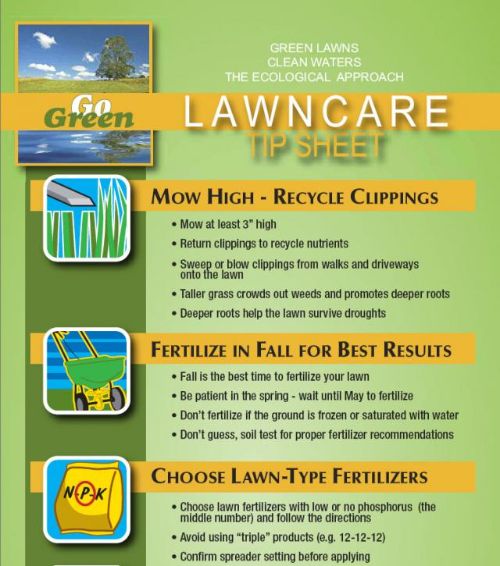
Deciphering Your Lawn’s Needs: Key Factors
Before we map out a schedule, it’s vital to understand what influences your lawn’s requirements. Think of it like this: just as people have different dietary needs, so do lawns.
- Grass Type: Cool-season grasses (like fescue, bluegrass, and rye) and warm-season grasses (like Bermuda, Zoysia, and St. Augustine) have distinct growth cycles and nutrient needs. Cool-season grasses grow most actively in spring and fall, while warm-season grasses prefer the heat of summer.
- Climate: Your local weather patterns play a huge role. Regions with distinct seasons will have different treatment windows than those with milder climates. Extreme heat or drought can also impact when and how you apply treatments.
- Soil Health: The existing nutrients in your soil, its pH level, and its drainage capabilities all contribute to your lawn’s overall health. A soil test can provide valuable insights.
- Weed Pressure: The type and amount of weeds present will dictate how often you need to focus on weed control. Some weeds are annuals that die off each year, while others are perennials that return year after year.
- Desired Outcome: Are you aiming for a pristine, show-quality lawn, or a healthy, functional green space? The level of effort and frequency of treatments will vary.
Crafting Your Lawn Fertilization Schedule
A consistent lawn fertilization schedule is the backbone of a healthy lawn. Fertilizers provide the necessary nutrients—nitrogen, phosphorus, and potassium (N-P-K)—that grass needs to grow strong, resist disease, and maintain its vibrant color.
When to Fertilize Your Lawn: A Seasonal Approach
The “when” of fertilizing is as important as the “what.” Applying fertilizer at the wrong time can be ineffective or even harmful.
Spring Lawn Care: The Awakening
Spring is a crucial time for feeding your lawn after its winter dormancy.
- Early Spring (Late March to May): This is when cool-season grasses start to green up. Applying a balanced fertilizer will help them recover from winter and promote healthy growth. Focus on fertilizers with a higher nitrogen content to encourage leaf development. For warm-season grasses, hold off until they show significant green growth, usually in late spring or early summer.
- Late Spring: Continue with feeding as needed, especially if you’re seeing active growth.
Summer’s Embrace: Feeding with Caution
Summer can be a stressful period for lawns, especially in hotter climates.
- Summer Fertilization: It’s generally best to avoid heavy fertilization during periods of extreme heat and drought. If you must fertilize, opt for a slow-release formula and water it in thoroughly. Some weed and feed products are formulated for summer use, but always check the label for temperature restrictions. Over-fertilizing in hot weather can “burn” your lawn.
Fall Lawn Care: The Final Push
Fall is arguably the most important season for fertilizing, especially for cool-season grasses.
- Early Fall (September to October): Apply a fertilizer that provides a good balance of nutrients, with a slight emphasis on phosphorus and potassium. These nutrients help the grass store energy for winter and prepare for spring growth. This is also an excellent time for overseeding timing if your lawn is thin.
- Late Fall (November): A final “winterizer” feeding can be beneficial for cool-season grasses. This application, done just before the ground freezes, provides essential nutrients for early spring green-up.
Winter’s Rest: No Feeding Needed
During winter, most grasses are dormant and do not require fertilization.
Fertilizer Types: Slow-Release vs. Quick-Release
- Quick-Release Fertilizers: These provide a rapid green-up but can also lead to a surge of growth that requires more frequent mowing and can be susceptible to “burning” the lawn if over-applied.
- Slow-Release Fertilizers: These release nutrients gradually over a longer period, promoting more consistent growth, requiring less frequent applications, and reducing the risk of burning. Many commercial “weed and feed” products utilize slow-release nitrogen.
Mastering Weed Control Frequency
Weed control frequency is about staying ahead of the invaders. Weeds compete with your grass for water, nutrients, and sunlight, weakening your lawn and making it susceptible to disease and pests.
Best Time to Apply Weed Killer
The effectiveness of weed killers (herbicides) depends on the weed’s life cycle and the weather conditions.
- Pre-emergent Herbicides: These are applied before weed seeds germinate. They create a barrier in the soil that prevents new weeds from sprouting.
- Timing: For crabgrass and other summer annual weeds, apply in early spring, often before soil temperatures consistently reach 55°F (13°C). For winter annual weeds, an application in late fall can be effective.
- Post-emergent Herbicides: These are applied to actively growing weeds.
- Timing: The best time to apply weed killer in post-emergent form is when weeds are young and actively growing. This is typically in spring and fall for most broadleaf weeds. Avoid applying when temperatures are excessively hot (over 85°F or 29°C) or when the lawn is stressed by drought, as this can damage your grass. Always ensure the weeds are dry (not wet from rain or dew) for optimal absorption.
Integrated Weed Management
Beyond chemical applications, consider these practices:
- Healthy, Dense Turf: The best defense against weeds is a thick, healthy lawn. When grass grows densely, it crowds out weeds and prevents their seeds from germinating.
- Proper Mowing: Mowing at the correct height for your grass type encourages deeper root growth, which helps the grass outcompete weeds.
- Watering Wisely: Deep, infrequent watering promotes strong root systems that can better withstand competition from weeds.
Combining Weeding and Feeding: The “Weed and Feed” Approach
“Weed and feed” products are designed to kill weeds while simultaneously fertilizing your lawn. This offers convenience, but it’s crucial to use them correctly.
When is “Weed and Feed” Appropriate?
- Active Weed Growth: Weed and feed products generally work best when applied during the active growing season for both your grass and the target weeds.
- Timing is Key: As mentioned, post-emergent herbicides in these products are most effective on actively growing weeds. This usually aligns with spring and fall fertilization schedules for cool-season grasses.
- Temperature Considerations: Always check the product label for temperature restrictions. Many weed killers can damage grass when temperatures exceed 85°F (29°C).
Limitations of Weed and Feed
- Not a Solution for All Weeds: Weed and feed products typically target broadleaf weeds. They are less effective against grassy weeds like crabgrass, which often require a pre-emergent application.
- Timing Mismatches: If your lawn primarily needs feeding but doesn’t have many active weeds, or vice-versa, using a combined product might not be ideal. You might miss the optimal window for one task.
- Potential for Damage: Applying weed and feed too early in spring when grass is just waking up, or too late in the fall when it’s preparing for dormancy, can be less effective or even harmful.
Comprehensive Lawn Maintenance Calendar
Creating a lawn maintenance calendar helps you stay organized and ensures your lawn receives the care it needs throughout the year. This is a general guide; adjust based on your specific location and grass type.
Cool-Season Grasses (Fescue, Ryegrass, Kentucky Bluegrass)
| Season | Timing | Treatments | Notes |
|---|---|---|---|
| Spring | Early Spring (March-April) | Fertilization (balanced N-P-K, slow-release nitrogen recommended). Pre-emergent herbicide for crabgrass and annual weeds. | Apply pre-emergent before soil temps hit 55°F. Fertilize when grass shows signs of greening. |
| Late Spring (May) | Post-emergent weed control if needed. Fertilization (if needed, consider slow-release). | Spot treat weeds. Avoid herbicides when temperatures are high. | |
| Summer | Mid-Summer (June-August) | Watering deeply and less frequently. Light fertilization with slow-release if growth is slow and temperatures are moderate. Spot treat weeds as they appear. | Avoid heavy feeding. Focus on keeping the lawn hydrated. Aeration and feeding can be done if temperatures are mild and rain is consistent. |
| Fall | Early Fall (September-October) | Fertilization (higher phosphorus and potassium). Overseeding timing. Post-emergent weed control for broadleaf weeds. | This is a prime time for feeding and overseeding. |
| Late Fall (October-November) | Winterizer fertilization (just before ground freezes). | Helps roots store nutrients for winter and early spring growth. | |
| Winter | December-February | Minimal activity. Clear debris. | Lawn is dormant. |
Warm-Season Grasses (Bermuda, Zoysia, St. Augustine)
| Season | Timing | Treatments | Notes |
|---|---|---|---|
| Spring | Early Spring (March-April) | Clear winter debris. Wait for active growth. | Warm-season grasses are still dormant. |
| Late Spring (May-June) | Fertilization (balanced N-P-K). Pre-emergent herbicide for crabgrass and annual weeds. Post-emergent weed control if needed. | Fertilize when grass is actively growing and green. Apply pre-emergent as soil temps approach 55°F. | |
| Summer | Mid-Summer (July-August) | Fertilization (higher nitrogen). Watering deeply and less frequently. Post-emergent weed control as needed. Lawn aeration and feeding can be done. | Warm-season grasses thrive in heat. They can handle more robust fertilization and traffic. Aeration helps improve soil structure and nutrient uptake. |
| Fall | Early Fall (September-October) | Fertilization (slow-release, focus on potassium). Post-emergent weed control for broadleaf weeds. | Continue feeding until growth slows. Reduce nitrogen to prevent excessive late-season growth that can be damaged by frost. |
| Late Fall (November) | Clear fallen leaves. | ||
| Winter | December-February | Minimal activity. | Lawn is dormant. |
Seasonal Lawn Treatments: Beyond Weed and Feed
While weed and feed products are popular, a comprehensive lawn maintenance calendar involves other crucial seasonal lawn treatments.
Lawn Aeration and Feeding
Lawn aeration and feeding is a powerful combination. Aeration involves making small holes in the soil to relieve compaction, allowing air, water, and nutrients to reach the root zone more effectively.
- When to Aerate: The best times to aerate are when the grass is actively growing.
- Cool-Season Grasses: Early fall and early spring.
- Warm-Season Grasses: Late spring and early summer.
- Aeration and Feeding: Applying fertilizer immediately after aeration allows the nutrients to penetrate the soil more efficiently. This is a fantastic way to boost lawn health.
Overseeding Timing
Overseeding timing is critical for filling in thin patches and improving the overall density and health of your lawn.
- Cool-Season Grasses: The ideal time is in the fall, typically from late August through September. This allows the new seeds to establish before winter. Spring overseeding is also possible, but it can be more challenging due to weed competition.
- Warm-Season Grasses: Overseeding is generally done in late spring or early summer when temperatures are warm enough for germination.
Topdressing
Topdressing involves spreading a thin layer of compost or soil over the lawn. It can help improve soil structure, add nutrients, and encourage new grass growth. The best time for topdressing is often after aeration, typically in spring or fall.
Frequently Asked Questions (FAQ)
Q1: How often should I fertilize my lawn?
A: For most lawns, fertilizing 2-4 times per year is sufficient. The exact frequency depends on your grass type, climate, and the type of fertilizer used. Cool-season grasses typically benefit from applications in early spring, early fall, and possibly late fall. Warm-season grasses are best fertilized during their active growing period in late spring and summer.
Q2: Can I apply weed and feed when it’s hot outside?
A: It’s generally not recommended to apply weed and feed products when temperatures are consistently above 85°F (29°C). The herbicide component can damage your grass during high heat and drought stress. Always check the product label for specific temperature guidelines.
Q3: What is the best time to apply weed killer?
A: The best time depends on whether it’s a pre-emergent or post-emergent herbicide. Pre-emergents are applied before weeds sprout, usually in early spring and late fall. Post-emergent herbicides are applied to actively growing weeds, typically in spring and fall when weeds are young and most vulnerable.
Q4: My lawn has clover. Is weed and feed effective against it?
A: Many weed and feed products are effective against broadleaf weeds like clover. However, it’s essential to check the product label to confirm it targets clover. For severe clover infestations, a dedicated clover killer might be more effective.
Q5: What’s the difference between fertilizing in spring and fall?
A: Spring fertilization focuses on promoting green, leafy growth after winter dormancy. Fall fertilization is crucial for helping cool-season grasses store energy for winter and prepare for strong growth in the following spring. It also helps with root development.
Q6: My lawn looks thin. Should I fertilize or overseed?
A: If your lawn is thin, overseeding is often the primary solution, especially for cool-season grasses in the fall. Fertilizing at the same time or shortly after overseeding can help the new grass seed establish and grow.
By following this guide and tailoring it to your specific lawn conditions, you can create a robust lawn maintenance calendar that keeps your grass healthy, green, and free from unwanted weeds. Happy mowing!