
What is lawn fertilizer? Lawn fertilizer is a substance that provides essential nutrients to grass to help it grow strong and healthy. It acts like food for your lawn, supplying the building blocks it needs to thrive.
Lawns are living organisms. Just like people and animals, they need food to grow. This “food” comes in the form of nutrients found in the soil. When these nutrients run out, or when the grass needs a boost, fertilizer helps replenish them. It’s like giving your grass a healthy meal.
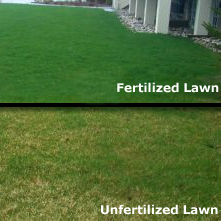
Image Source: aalawns.com
The Foundation: Soil Nutrients
Your lawn’s health relies heavily on the soil nutrients available to its roots. Healthy soil is a complex ecosystem, teeming with life and rich in minerals. These minerals are broken down over time into forms that plants can absorb. Think of soil as a pantry for your grass. If the pantry is empty, the grass won’t have what it needs to grow.
Essential Nutrients for Grass
Grass, like all plants, requires a variety of nutrients to flourish. These nutrients are categorized into macronutrients and micronutrients, based on the quantities the plant needs.
Macronutrients: These are needed in larger amounts. The “big three” are always highlighted on fertilizer bags.
- Nitrogen (N): This is the star player for leafy growth. Nitrogen fuels the production of chlorophyll, the green pigment in leaves that’s crucial for photosynthesis. More nitrogen means lusher, greener grass. It also helps grass recover from stress like heat or drought.
- Phosphorus (P): This nutrient is vital for root development. Strong roots anchor the grass, help it access water and nutrients from deeper in the soil, and make it more resilient. Phosphorus is especially important for new lawns or when trying to thicken an existing one.
- Potassium (K): Potassium is often called the “all-around” nutrient. It plays a key role in overall plant health, helping with disease resistance, drought tolerance, and even winter hardiness. It’s like the immune system booster for your lawn.
Micronutrients: While needed in smaller amounts, these are just as critical for a healthy lawn.
- Iron: Essential for chlorophyll production.
- Manganese: Aids in photosynthesis and enzyme activation.
- Zinc: Important for growth regulation and enzyme function.
- Copper: Involved in photosynthesis and enzyme activity.
- Boron: Crucial for cell wall formation and flowering (though less critical for grass itself, it’s part of a balanced soil).
- Molybdenum: Helps in nitrogen metabolism.
These micronutrients work in synergy with the macronutrients to ensure every aspect of grass growth is supported.
How Fertilizer Delivers Plant Food
Fertilizer is essentially a concentrated source of these essential plant food elements. It’s designed to be absorbed by the grass through its roots and, to a lesser extent, its leaves.
The Role of Fertilizer Components
Fertilizers are made up of different types of ingredients that release nutrients in various ways.
- Fast-Release Fertilizers: These nutrients are readily available to the plant as soon as they are applied and watered. They provide a quick green-up but can also lead to rapid growth that might require more frequent mowing and can be more prone to “burning” the lawn if over-applied.
- Slow-Release Fertilizers: These fertilizers release nutrients gradually over a period of weeks or even months. This provides a more consistent supply of food, reduces the risk of burning, and often requires fewer applications. They can be coated to control the release rate based on temperature or moisture.
- Organic Fertilizers: These are derived from natural materials like manure, compost, or bone meal. They release nutrients more slowly as they are broken down by soil microbes. Organic fertilizers also improve soil structure and health over time.
- Synthetic Fertilizers: These are manufactured chemicals. They are typically more concentrated and offer precise nutrient ratios, allowing for targeted lawn care.
Nutrient Absorption: The Plant’s Drinking Straws
The grass roots are like tiny straws designed to draw up water and dissolved nutrients from the soil. When fertilizer is applied, it dissolves in the soil moisture. This liquid solution then enters the roots through a process called osmosis.
Osmosis is the movement of water across a semi-permeable membrane from an area of lower solute concentration to an area of higher solute concentration. In essence, the roots create a gradient that pulls the nutrient-rich water into the plant.
Once inside the roots, these dissolved nutrients are transported throughout the plant via the xylem, the plant’s internal plumbing system. They are then used in various metabolic processes.
The Impact of Fertilizer on Grass Growth
The introduction of balanced plant food through fertilizer directly influences several key aspects of a lawn’s health and appearance.
Promoting Robust Root Growth
The phosphorus in fertilizer is a primary driver of healthy root growth. Strong, deep roots are essential for a resilient lawn. They allow the grass to:
- Access water more effectively, especially during dry spells.
- Anchor the plant firmly, preventing erosion.
- Absorb other essential nutrients from a larger volume of soil.
A lawn with well-developed roots is more tolerant to traffic, drought, and disease.
Enhancing Leaf Development and Appearance
Nitrogen is the engine behind leaf development. It’s directly involved in the creation of chlorophyll, which gives grass its vibrant green color and is the primary site for photosynthesis.
- Greening: Adequate nitrogen ensures that the leaves are packed with chlorophyll, resulting in a rich, deep green color.
- Thickening: Nitrogen promotes tillering, the process where new shoots grow from the base of the plant. This leads to a denser, more uniform turf that can outcompete weeds.
- Recovery: A well-fed lawn with ample nitrogen can recover more quickly from damage, whether from foot traffic, mowing, or environmental stress.
Fueling Photosynthesis
Photosynthesis is the magical process by which plants convert light energy into chemical energy in the form of sugars. These sugars are the plant’s food source, fueling all its growth and metabolic activities.
Photosynthesis Equation:
6CO₂ (Carbon Dioxide) + 6H₂O (Water) + Light Energy → C₆H₁₂O₆ (Glucose) + 6O₂ (Oxygen)
- Chlorophyll: The green pigment in leaves, made possible by nitrogen and iron, captures light energy.
- Nutrient Synergy: Other nutrients, like magnesium (a component of chlorophyll) and manganese, are also vital for the various chemical reactions involved in photosynthesis.
When fertilizer provides the necessary soil nutrients, it ensures that the grass has all the components it needs to perform photosynthesis efficiently. This leads to more energy production, resulting in healthier, faster, and more vigorous growth.
Reading the Fertilizer Label: N-P-K Explained
Fertilizer bags prominently display three numbers, often referred to as the N-P-K ratio. This is a shorthand for the percentage by weight of the three primary macronutrients.
Example: A bag labeled 10-10-10 contains 10% nitrogen, 10% phosphorus, and 10% potassium.
Let’s break down what each number signifies:
- First Number (N – Nitrogen): Promotes lush, green leafy growth and helps grass fill in.
- Second Number (P – Phosphorus): Crucial for root growth, seedling establishment, and overall plant vigor.
- Third Number (K – Potassium): Enhances overall plant health, disease resistance, and stress tolerance.
The ideal N-P-K ratio for your lawn depends on the season, soil test results, and the specific needs of your grass type.
Seasonal Nutrient Needs
A lawn’s nutritional requirements change throughout the year.
- Spring: Focus on nitrogen for a quick green-up and phosphorus to encourage root establishment after winter dormancy. A balanced fertilizer or one with a higher middle number can be beneficial.
- Summer: Moderate nitrogen application can help maintain color and density without encouraging excessive growth that can stress the lawn in heat. Potassium is important for stress tolerance.
- Fall: This is arguably the most important feeding time. Nitrogen helps the grass store energy for winter, and potassium is crucial for winter hardiness. A fertilizer with a higher last number (potassium) is often recommended.
Soil Testing: Knowing Your Lawn’s Deficiencies
Before you fertilize, it’s a good practice to get your soil tested. A soil test can tell you:
- The current levels of essential soil nutrients.
- The soil’s pH, which affects how well plants can absorb nutrients.
- Specific deficiencies that your lawn might have.
Armed with this information, you can choose a fertilizer with the most appropriate N-P-K ratio to address your lawn’s specific needs, rather than guessing. This prevents over-application of certain nutrients, which can be wasteful and even harmful.
Types of Fertilizer Application
Fertilizers can be applied in various ways, each with its own benefits.
Granular Fertilizers
These are the most common type for homeowners. They come in small pellets that are spread evenly over the lawn using a spreader.
- How they work: Granular fertilizers need to be watered in to dissolve and reach the root zone. Some are fast-release, while others are slow-release.
- Application: Use a broadcast spreader for even coverage. Calibrate your spreader according to the fertilizer bag instructions to ensure the correct application rate.
Liquid Fertilizers
These are diluted with water and applied using a hose-end sprayer or a specialized spray rig.
- How they work: Liquid fertilizers provide nutrients directly to the leaves and roots very quickly. They are often used for quick “pick-me-ups” or to address micronutrient deficiencies.
- Application: Ensure thorough coverage. Be mindful of application rates, as liquid fertilizers can cause burn more easily than granular types if over-applied.
Organic vs. Synthetic: A Closer Look
The source of the nutrients also impacts how fertilizer works and its broader effects.
| Feature | Organic Fertilizers | Synthetic Fertilizers |
|---|---|---|
| Nutrient Source | Natural materials (manure, compost, plant matter) | Manufactured chemicals |
| Nutrient Release | Slow, gradual breakdown by soil microbes | Fast to slow release, depending on product formulation |
| Nutrient Content | Lower concentration, less precise ratios | Higher concentration, precise nutrient ratios |
| Soil Impact | Improves soil structure, adds organic matter | Primarily provides nutrients, minimal impact on soil structure |
| Risk of Burn | Low risk | Higher risk if over-applied |
| Cost | Can be more expensive per unit of nutrient | Generally more cost-effective per unit of nutrient |
| Environmental | Less risk of nutrient runoff, beneficial for soil life | Potential for nutrient runoff if not applied properly |
Both types of fertilizer deliver plant food, but their mechanisms and side effects differ. For long-term lawn health and soil vitality, a balanced approach that includes organic matter is often recommended.
Common Fertilizing Mistakes to Avoid
Even with the best intentions, some common mistakes can hinder fertilizer effectiveness and even damage your lawn.
Over-Application
Applying more fertilizer than recommended can lead to:
- “Grass Burn”: Excessive salts in the fertilizer can dehydrate and kill grass blades.
- Excessive Thatch: Rapid, unnatural growth can lead to a buildup of dead grass stems and roots, creating a thick thatch layer that can harbor pests and diseases.
- Environmental Pollution: Excess nutrients can wash into waterways, causing pollution.
Always follow the application rates on the fertilizer packaging and calibrate your spreader.
Applying at the Wrong Time
Fertilizing during extreme heat or drought can stress the lawn. Similarly, fertilizing too late in the fall can encourage tender new growth that is vulnerable to winter damage.
- Best Times: Early spring, early fall, and sometimes late fall (for winter preparation) are generally the best times.
Improper Spreader Calibration
If your spreader is not calibrated correctly, you’ll either under-apply or over-apply the fertilizer.
- Solution: Read your spreader’s manual and the fertilizer bag’s instructions. Test it on a small area to ensure even distribution.
Not Watering In
Most fertilizers need water to dissolve and move into the soil where the roots can access them.
- Solution: Water your lawn thoroughly after applying granular fertilizer. Rain can also serve this purpose, but if no rain is expected, irrigation is essential.
Frequently Asked Questions (FAQ)
Q: How often should I fertilize my lawn?
A: The frequency depends on your grass type, climate, and the type of fertilizer you use. Generally, lawns benefit from 2-4 applications per year, with a focus on spring and fall. A soil test can help determine the exact needs.
Q: Can I fertilize my lawn when it’s wet?
A: It’s generally best to fertilize a dry lawn and then water it in. Applying fertilizer to a wet lawn can cause uneven distribution and increase the risk of burning if the fertilizer clumps.
Q: What do the numbers on a fertilizer bag mean?
A: The three numbers (N-P-K) represent the percentage by weight of nitrogen, phosphorus, and potassium, respectively. These are the three primary nutrients grass needs to grow.
Q: What happens if I don’t fertilize my lawn?
A: Without fertilizer, your lawn may become thin, pale green, and more susceptible to weeds, pests, and diseases. Its ability to recover from stress will also be reduced.
Q: Is it okay to fertilize a newly seeded lawn?
A: Yes, but it’s best to use a starter fertilizer that is specifically formulated with phosphorus to promote root growth for the new seedlings. Follow the starter fertilizer instructions carefully.
By understanding the science behind how lawn fertilizer works, you can make informed decisions to keep your grass healthy, vibrant, and resilient. Providing the right soil nutrients at the right time ensures optimal leaf development, strong root growth, and efficient photosynthesis, leading to the beautiful, green lawn you desire.