
So, how often should you mow your lawn in summer? The simple answer is that your lawn’s growth rate dictates your mowing frequency. In summer, grasses typically grow faster due to warmer temperatures and more sunlight, meaning you’ll likely be mowing more often than in spring or fall. This blog post will delve into the details of summer lawn care and establish the ideal mowing schedule for a healthy, vibrant lawn.
Summer presents unique challenges for lawn owners. The intense sun, heat, and potential for dry spells can stress your grass. Proper lawn maintenance, especially regarding lawn mowing frequency, is crucial during these months. Let’s explore how to navigate the demands of summer mowing.
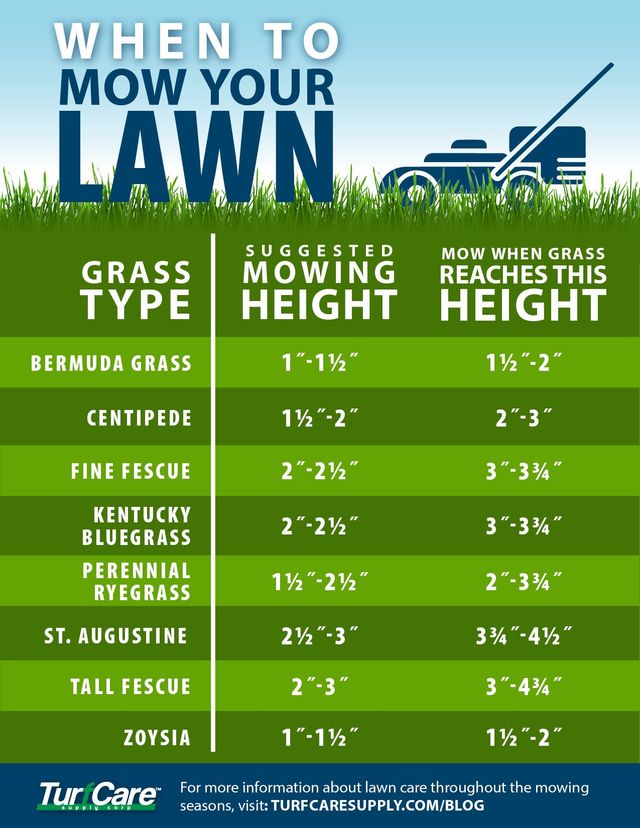
Image Source: lirp.cdn-website.com
Factors Influencing Summer Mowing Frequency
Several factors play a significant role in determining how often you should be reaching for your mower during the summer months. It’s not a one-size-fits-all answer.
Grass Type
The species of grass you have is a primary determinant of its growth rate. Different grasses have different optimal growing conditions and speeds.
- Cool-season grasses (like Kentucky Bluegrass, Perennial Ryegrass, and Fescues) often slow down their growth in the peak heat of summer. They might even go dormant if conditions become too hot and dry. This means you might not need to mow as often during the hottest weeks.
- Warm-season grasses (like Bermuda, Zoysia, and St. Augustine) thrive in heat and will actively grow throughout the summer. These grasses will require more frequent mowing.
Weather Conditions
Summer weather is highly variable. Understanding how it impacts your lawn is key to setting the right mowing schedule.
- Rainfall: Ample rainfall and warm temperatures are a recipe for rapid grass growth. If your lawn is receiving plenty of water and consistent warmth, expect to mow more frequently.
- Heat and Drought: Extended periods of high temperatures and lack of rain can stress your lawn. Grass may stop growing or go dormant to conserve energy. In these conditions, reduce mowing frequency to avoid further stressing the grass. Mowing dormant grass can damage it.
- Humidity: High humidity combined with warmth can also accelerate growth, especially for certain grass types.
Fertilization and Soil Health
The way you fertilize your lawn directly impacts its growth.
- Fertilizer Application: Applying nitrogen-rich fertilizers, especially during the active growing season, will promote faster growth. If you’ve recently fertilized, anticipate needing to mow sooner.
- Soil Quality: Healthy soil with good moisture retention and nutrient availability will support more vigorous grass growth. Poor soil may lead to slower growth, even in summer.
Your Lawn’s “1/3 Rule”
A fundamental principle in grass cutting tips is the “1/3 Rule.” This rule states you should never remove more than one-third of the grass blade’s height in a single mowing.
- Why it Matters: Cutting too much at once shocks the grass, making it more susceptible to disease, drought stress, and weed invasion. It also weakens the root system.
- Calculating Mowing Needs: If your desired lawn height is 3 inches, and your grass has grown to 4 inches, you are due for a mow. You would then cut it back to 3 inches, removing only 1 inch (1/3 of the current 4-inch height). If your grass reaches 4.5 inches, you’d still only cut to 3 inches, removing 1.5 inches (which is less than 1/3 of 4.5 inches).
Determining Your Optimal Mowing Frequency
Instead of a fixed number of days, it’s better to base your lawn mowing frequency on your lawn’s visible growth.
The Visual Cue: Growth Rate
The most reliable indicator is how quickly your grass is growing.
- Observe the Growth: Regularly look at your lawn. If the grass blades are consistently growing much past your desired optimal mowing height, it’s time to mow.
- “1/3 Rule” in Practice: If your target height is 2.5 inches, and your grass reaches 3.75 inches, you’re ready for a mow. You’ll cut it back to 2.5 inches. This means mowing every 4-5 days might be necessary during peak growth periods. If it only reaches 3 inches before needing a trim, you might stretch it to 6-7 days.
Seasonal Adjustments
Summer mowing isn’t static. Your summer mowing habits should adapt to changing conditions.
- Early Summer: As temperatures rise and daylight hours are long, cool-season grasses might still be growing actively, requiring more frequent mowing. Warm-season grasses will be picking up steam.
- Mid-Summer (Peak Heat): If your region experiences prolonged heatwaves and drought, you may need to reduce mowing frequency. Raise your mower deck to its highest setting to encourage deeper root growth and provide shade for the soil. This helps conserve moisture and reduce stress.
- Late Summer: As temperatures begin to moderate, growth may pick up again, especially if rain returns.
Using a Mowing Frequency Calculator (Conceptual)
While there isn’t a single universal “mowing frequency calculator” that accounts for every lawn variable, you can create your own system.
- Track Your Mowing: Keep a simple log of when you mow and the conditions at the time (rain, heat, fertilization).
- Note Growth: After mowing, observe how many days it takes for your grass to reach the 1/3 height limit again. This data will help you predict your needs.
- Example Log Entry:
- June 15th: Mowed, 2.5-inch height. Dry weather.
- June 20th: Grass at 3.5 inches. (5 days later). Ready to mow again.
- June 28th: Mowed, 2.5-inch height. Heavy rain earlier in the week.
- July 5th: Grass at 4 inches. (7 days later). Ready to mow again.
This informal tracking will refine your understanding of your lawn’s specific lawn mowing frequency.
Best Time to Mow Your Lawn in Summer
The time of day you mow can also impact your lawn’s health, especially in the summer heat.
Avoiding Heat Stress
- Early Morning: This is often considered the best time to mow. The grass is typically cool and moist from dew. Mowing early allows the grass blades to heal and seal any cuts before the intense afternoon sun and heat arrive, reducing water loss and disease risk.
- Late Afternoon/Early Evening: If early morning isn’t feasible, mowing in the late afternoon or early evening is the next best option. Avoid mowing during the hottest part of the day (typically 10 AM to 4 PM), as this can further stress the grass and the mower operator.
Why Not Midday?
- Heat Stress: Mowing when temperatures are very high can shock the grass, leading to wilting and browning. The cut ends of the grass blades lose moisture more quickly when exposed to direct sun and heat.
- Blade Efficiency: Mowers can also struggle in extreme heat, potentially overheating.
Grass Cutting Tips for a Healthy Summer Lawn
Beyond frequency, how you cut your grass is crucial for its summer survival.
Maintain the Right Lawn Height
- Higher is Often Better in Summer: For most grass types, raising your mower deck to a higher setting during the hottest months is beneficial. Aim for an optimal mowing height of 2.5 to 3.5 inches for cool-season grasses, and 1 to 2.5 inches for warm-season grasses (check your specific grass type for exact recommendations).
- Benefits of Higher Mowing:
- Deeper Roots: Taller grass develops deeper root systems, which can access moisture further down in the soil, making the lawn more drought-tolerant.
- Shade for Soil: The taller blades cast more shade on the soil surface, keeping it cooler and reducing water evaporation.
- Weed Suppression: A thicker, taller lawn canopy leaves less room and sunlight for weed seeds to germinate.
Sharpen Your Mower Blades
- The Impact of Dull Blades: Dull mower blades tear grass rather than cutting it cleanly. This creates ragged edges that are prone to disease and turn brown, giving your lawn a “shredded” or “chewed” appearance.
- Frequency of Sharpening: Aim to sharpen your mower blades at least once or twice during the summer, depending on how frequently you mow and the types of grass you have. If you notice your grass has a frayed, brownish tip after mowing, your blades are likely dull.
Mulch Your Clippings (Grasscycling)
- Nutrient Return: Leaving grass clippings on the lawn, a practice called “grasscycling,” is excellent summer lawn care. As the clippings decompose, they release valuable nutrients back into the soil, acting as a natural fertilizer.
- Moisture Retention: The mulch layer also helps retain soil moisture.
- Avoid Clumping: Ensure you follow the 1/3 rule. If you cut off too much grass at once, the clippings can become thick and clumpy, smothering the grass underneath and potentially leading to disease. If you notice clumps, rake them up.
Watering Wisely
While not directly mowing, proper watering is intertwined with summer mowing habits and overall lawn maintenance.
- Deep and Infrequent: Water your lawn deeply but less often. This encourages deep root growth, making your lawn more resilient to drought. Aim for about 1 inch of water per week, delivered in one or two watering sessions.
- Morning Watering: Water early in the morning to minimize evaporation and reduce the risk of fungal diseases.
Aeration and Dethatching (Considerations)
- Aeration: If your soil is compacted, aeration can improve water and nutrient penetration. It’s generally best done in early spring or fall, but a light aeration might be tolerated in summer for some grasses if done carefully and followed by thorough watering.
- Dethatching: Heavy thatch can prevent water from reaching the soil. While dethatching can be beneficial, it’s a stressful process for the lawn. It’s usually best to do this in the spring or fall when the grass is actively growing and can recover more easily. Avoid dethatching during extreme heat or drought.
Sample Summer Mowing Schedule (General Guideline)
Here’s a general idea of how your lawn mowing frequency might look, but remember to adjust based on your specific conditions:
| Condition | Grass Type | Mowing Frequency (Approx.) | Recommended Lawn Height | Notes |
|---|---|---|---|---|
| Active Growth (Warm Temps, Adequate Rain) | Cool-Season | Every 4-6 days | 2.5 – 3 inches | Follow the 1/3 rule. |
| Peak Growth (Warm Temps, Plenty of Rain) | Warm-Season | Every 3-5 days | 1.5 – 2.5 inches | Warm-season grasses thrive and grow fast. |
| Moderate Heat, Normal Rainfall | Cool-Season | Every 5-7 days | 2.5 – 3 inches | Growth may start to slow slightly. |
| High Heat, Potential Drought | Cool-Season | Every 7-10 days or less | 3 – 3.5 inches | Raise mower deck significantly. Mow only if necessary and avoid stress. |
| High Heat, Drought & Dormancy | Cool-Season | As needed, or not at all | 3.5 – 4 inches | Do not mow dormant grass. Wait for cooler temps and rain. |
| Active Growth (Warm Temps, Adequate Rain) | Warm-Season | Every 3-5 days | 1.5 – 2.5 inches | Continues strong growth. |
Table 1: Sample Summer Mowing Frequency Guide
Note: These are approximate guidelines. Always observe your lawn’s growth rate.
Fathoming Your Lawn’s Needs: A Personalized Approach
Ultimately, the key to successful summer lawn care and determining your lawn mowing frequency is observation and adaptation. Don’t rely on a rigid calendar. Instead, become attuned to your lawn’s signals.
- Look for the Growth: Is the grass clearly exceeding your desired optimal mowing height?
- Consider the Weather: Are you in a heatwave or enjoying consistent, beneficial rain?
- Check the Blade Tips: Are they sharp and green, or frayed and brown (indicating dull blades)?
By incorporating the “1/3 Rule,” selecting the best time to mow, maintaining sharp blades, and adjusting your mowing schedule based on these factors, you’ll be well on your way to a healthy, resilient lawn throughout the summer. Consistent, mindful lawn maintenance is the bedrock of a beautiful lawn.
Frequently Asked Questions (FAQ)
Q1: How often should I mow my lawn in July?
A1: In July, which is typically a peak heat month, your mowing frequency will depend on your grass type and local weather. Cool-season grasses might slow down, while warm-season grasses will thrive. For cool-season grasses in heat, you might mow every 7-10 days, raising the mower to its highest setting (around 3-3.5 inches). For warm-season grasses, you might still be mowing every 3-5 days at a height of 1.5-2.5 inches if they are actively growing. Always follow the 1/3 rule and observe your lawn’s growth.
Q2: Can I mow my lawn when it’s wet in the summer?
A2: It’s generally not recommended to mow a wet lawn. Wet grass clumps together, leading to uneven cutting and the possibility of clumping on the lawn, which can smother the grass and promote disease. Mowers also operate less efficiently and can become clogged. Wait until the grass is dry.
Q3: What is the best mowing height for summer?
A3: For most cool-season grasses, the best mowing height in summer is slightly higher than usual, typically 2.5 to 3.5 inches. For warm-season grasses, a height of 1 to 2.5 inches is common. A higher cut helps shade the soil, retain moisture, and encourages deeper root growth, making the lawn more drought-tolerant.
Q4: My lawn turned brown in spots during the summer. Did I mow it too short?
A4: Mowing too short is a common cause of browning, especially during heat stress. Cutting off too much of the grass blade exposes the soil to the sun, leading to scalping and drying out. Dull mower blades can also cause browning due to tearing the grass. Ensure you’re following the 1/3 rule and that your blades are sharp. Proper watering is also critical.
Q5: How do I know if my lawn needs mowing?
A5: The best indicator is visual growth. If the grass blades have grown significantly past your desired optimal mowing height, it’s time to mow. A general guideline for many grasses is to mow when the grass has grown about 1/3 taller than its mowed height. For example, if you mow at 2.5 inches, and it reaches 3.75 inches, it’s time to mow.
Q6: Should I change my summer mowing schedule if it’s very hot?
A6: Yes, absolutely. During periods of extreme heat and drought, it’s crucial to adjust your summer mowing habits. Raise your mower deck to its highest setting (following the 1/3 rule) and reduce your mowing frequency. The goal is to minimize stress on the grass. If the grass goes dormant (turns brown and stops growing), do not mow it.
Q7: Is grasscycling still good advice for summer mowing?
A7: Yes, grasscycling is still a beneficial practice in summer, provided you adhere to the 1/3 rule. Leaving finely cut clippings on the lawn returns nutrients and helps retain moisture. However, if you mow infrequently during a heatwave and the clippings are long, they can form thick clumps that may smother the grass, so rake them up if this occurs.