
What is the correct amount of lime for your lawn? The amount of lime needed for your lawn depends on your soil’s current pH and its texture. Generally, you’ll need to apply 5 to 10 pounds of lime per 100 square feet of lawn for every full pH point you need to raise.
A healthy lawn starts with healthy soil. If your grass isn’t growing well, looks pale, or is prone to weeds and diseases, your soil’s pH might be the culprit. Most grasses thrive in slightly acidic to neutral soil, with a pH range of 6.0 to 7.0. When your soil becomes too acidic (low pH), it can lock up essential nutrients, making them unavailable to your grass. This is where lime comes in, acting as a soil amendment to raise the pH. But how much lime should you apply? This guide will help you decipher the mystery of lime application rate for a vibrant, green lawn.
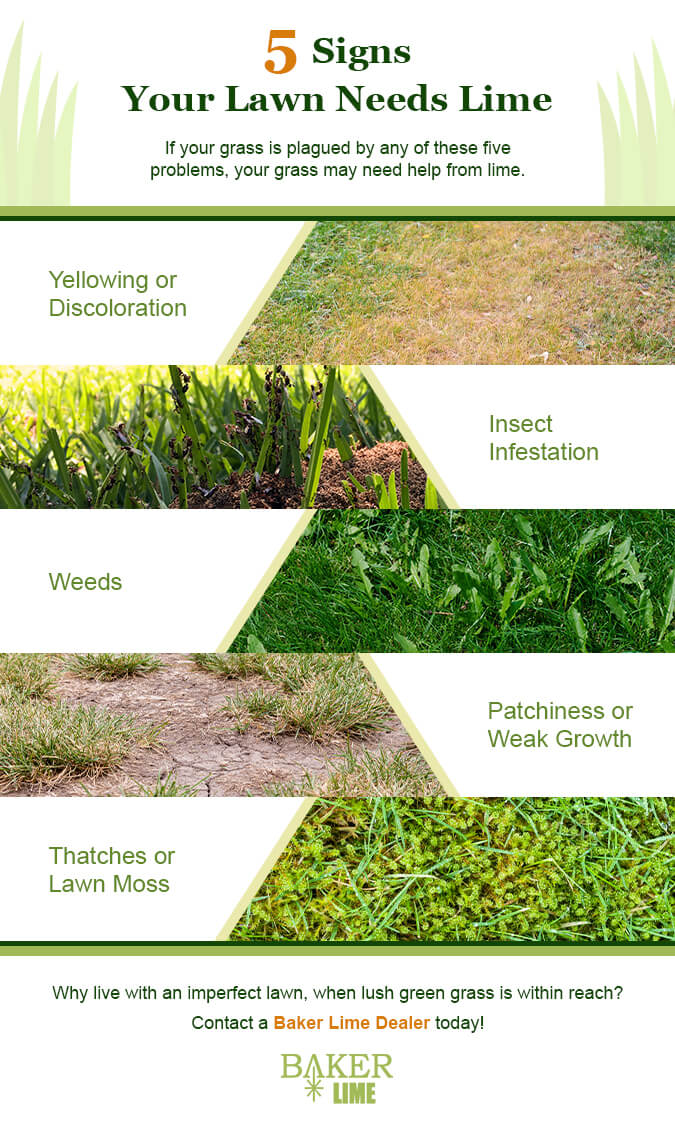
Image Source: www.bakerlime.com
Why Soil pH Matters for Your Lawn
Soil pH is a measure of how acidic or alkaline your soil is. It’s measured on a scale from 0 to 14, with 7 being neutral. Anything below 7 is acidic, and anything above 7 is alkaline.
The Impact of Acidity on Your Grass
When soil is too acidic (low pH), several things happen that negatively affect your lawn:
- Nutrient Lock-up: Essential nutrients like phosphorus, potassium, calcium, and magnesium become less available for grass roots to absorb. Even if these nutrients are present in the soil, the acidic environment prevents the grass from using them.
- Aluminum Toxicity: In very acidic soils, aluminum can become soluble, which is toxic to grass roots. This can stunt growth and damage the grass.
- Beneficial Microbe Reduction: Acidic conditions can harm beneficial soil microbes that help break down organic matter and make nutrients available.
- Weed and Moss Favoritism: Many common lawn weeds and moss prefer acidic conditions and can outcompete grass when the pH is too low.
The Benefits of Liming Your Lawn
Applying lime to your lawn helps correct acidic soil and offers several lime benefits for grass:
- Nutrient Availability: Lime raises soil pH, which unlocks tied-up nutrients, making them available for grass uptake. This leads to greener, healthier growth.
- Improved Soil Structure: Lime helps bind soil particles together, improving soil structure, aeration, and water drainage.
- Enhanced Microbial Activity: A more neutral pH environment supports beneficial soil bacteria and fungi, which are crucial for a healthy soil ecosystem.
- Reduced Aluminum Toxicity: By raising pH, lime makes aluminum less soluble, protecting grass roots from damage.
- Better Fertilizer Efficiency: When nutrients are available, fertilizers work more effectively, giving you more bang for your buck.
Deciphering Your Soil’s pH Level
The first step to knowing how much lime to apply is to know your soil’s current pH.
Getting a Soil Test
The most accurate way to determine your soil’s pH is through a professional soil test. You can get a soil testing kit from your local cooperative extension office or a reputable garden center.
How to Take a Soil Sample:
- Collect Samples from Multiple Areas: Take samples from different parts of your lawn, especially areas where the grass is struggling.
- Remove Debris: Scrape away any grass clippings, leaves, or thatch from the surface.
- Dig Down: Use a clean trowel or soil probe to collect soil from about 4-6 inches deep. This is where your grass roots are.
- Mix Samples: Combine the soil from all your sample areas in a clean bucket or bag.
- Dry the Soil: Spread the soil thinly on a clean surface (like newspaper or a plastic sheet) to air dry. Do not bake it in an oven, as this can affect the results.
- Submit for Testing: Follow the instructions provided with your soil testing kit or send it to your local extension office.
Interpreting Your Soil Test Results
Your soil test report will typically tell you:
- Your soil’s pH.
- The levels of essential nutrients (like phosphorus, potassium, calcium, magnesium).
- Sometimes, recommendations for amendments, including lime.
Look for the pH reading. If it’s below 6.0, your lawn likely needs lime. The report may also indicate the recommended lime application rate based on your soil type and desired pH.
How Much Lime for Lawn: Calculating Your Needs
Knowing your target pH and your current pH allows you to estimate the lime application rate. The amount of lime needed is not a one-size-fits-all figure. It depends on several factors.
Factors Influencing Lime Needs
- Current Soil pH: The lower the pH, the more lime you’ll need to raise it.
- Target Soil pH: Most grasses prefer a pH between 6.0 and 7.0.
- Soil Texture: Clay soils have a higher buffering capacity than sandy soils, meaning they resist pH changes more. Therefore, clay soils typically require more lime than sandy soils to achieve the same pH increase.
- Type of Lime: Different types of lime have different calcium carbonate equivalents (CCE), which affects how quickly and effectively they raise pH.
Using a Lawn Lime Calculator
Many university extension services and garden websites offer a lawn lime calculator. These tools simplify the process:
- Input your soil pH.
- Input your soil type (e.g., sandy, loamy, clay).
- Input your target pH.
- The calculator will provide a recommended lime application rate in pounds per 1,000 square feet.
General Guideline for Lime Application Rate (per 1,000 sq ft):
| Current Soil pH | Target pH (6.5) | Sandy Soil | Loam Soil | Clay Soil |
|---|---|---|---|---|
| 5.0 | 6.5 | 3-4 lbs | 5-6 lbs | 8-10 lbs |
| 5.5 | 6.5 | 2-3 lbs | 3-4 lbs | 5-7 lbs |
| 6.0 | 6.5 | 1-2 lbs | 2-3 lbs | 3-4 lbs |
Note: These are estimates. Always refer to your specific soil test results and local recommendations.
Important: It’s generally recommended to make soil pH adjustment in smaller, repeated applications rather than one large one. Applying too much lime at once can shock the grass and cause more harm than good. A common recommendation is to not apply more than 50 pounds of lime per 1,000 square feet in a single application. If your soil test indicates a need for more, split the application over several months or even a year.
Types of Lawn Lime
Not all lime is created equal. The types of lawn lime you choose can affect how quickly and for how long it improves your soil. The main types available for lawn use are:
1. Calcitic Lime (Calcium Carbonate)
- Composition: Primarily calcium carbonate (CaCO3).
- Action: Raises soil pH by neutralizing acidity. It also adds calcium to the soil.
- Speed of Action: Slower to act than other forms, but provides a more sustained release of alkalinity.
- Best for: Soils that are low in calcium or when you want a slower, more gradual pH adjustment.
2. Dolomitic Lime (Calcium Magnesium Carbonate)
- Composition: Contains both calcium carbonate (CaCO3) and magnesium carbonate (MgCO3).
- Action: Raises soil pH and adds both calcium and magnesium to the soil.
- Speed of Action: Generally acts faster than calcitic lime because it’s typically ground finer.
- Best for: Soils that are low in magnesium. Most soils in the US are sufficient in magnesium, so calcitic lime is often preferred unless a magnesium deficiency is confirmed by a soil test.
3. Pulverized vs. Granular Lime
- Pulverized (Powdered) Lime: This is finely ground lime. It has a higher surface area and reacts more quickly with soil, making it more effective for a faster pH adjustment. However, it can be dusty and harder to spread evenly.
- Granular Lime: This lime is formed into small pellets. It’s easier to handle, less dusty, and spreads more evenly with a spreader. It tends to act a bit slower than pulverized lime but is often the preferred choice for home lawn care due to ease of application.
Dolomitic Lime vs. Calcitic Lime: Which is Better?
The choice between dolomitic lime vs. calcitic lime depends on your soil’s specific needs.
- If your soil test shows a deficiency in both calcium and magnesium, dolomitic lime is a good choice.
- If your soil only needs a pH adjustment or is deficient in calcium but not magnesium, calcitic lime is usually sufficient.
- If your soil already has adequate levels of magnesium, adding more with dolomitic lime might not be necessary and could even unbalance nutrient levels.
Key Takeaway: Always check your soil test results to see if a magnesium deficiency is present before opting for dolomitic lime.
When to Apply Lime to Your Lawn
Timing is crucial for effective lime for acidic soil application.
Best Time to Lime Lawn
The best time to lime lawn areas is typically in the fall or early spring.
- Fall: This is often considered the ideal time. The soil is still relatively warm, and the soil microbes are active, helping to break down the lime and initiate the pH adjustment process. Winter’s freeze-thaw cycles can also help work the lime into the soil.
- Early Spring: Applying lime in early spring, before active grass growth begins, is also effective. This allows the lime to start its work before the peak growing season.
Avoid applying lime during hot, dry weather or when the grass is stressed. This can further damage the grass.
How Often to Lime Lawn
The frequency of liming depends on your soil’s pH and how quickly it changes.
- If your soil is very acidic (pH 5.0-5.5): You might need to lime every 6-12 months until the pH reaches the desired level.
- For moderate acidity (pH 5.5-6.0): Applying lime once every 1-2 years is usually sufficient.
- Once your soil pH is in the optimal range (6.0-7.0): You may only need to apply lime every 2-3 years as a preventative measure, or as indicated by your periodic soil tests.
Crucially, always base your liming schedule on soil test results. Over-liming can be as detrimental as under-liming.
How to Spread Lime on Lawn
Proper application is key to maximizing the lime benefits for grass. Here’s how to do it:
Equipment Needed
- Lawn Spreader: A broadcast spreader (rotary spreader) or a drop spreader is essential for even application. Broadcast spreaders are generally preferred for lawns as they cover a wider area.
- Gloves and Eye Protection: To protect yourself from dust.
- Measuring Tools: For accurate measurement of lime and lawn area.
Step-by-Step Application
- Determine the Application Area: Accurately measure the square footage of your lawn.
- Calculate Lime Amount: Based on your soil test and the lawn lime calculator, determine the total amount of lime needed for your lawn area. Remember to divide this into smaller applications if the total amount exceeds 50 lbs per 1,000 sq ft.
- Calibrate Your Spreader: This is a critical step! Follow the instructions for your specific spreader model and the lime product you are using. Most lime bags will have spreader settings suggestions. It’s often best to perform a test run on a tarp or a small, inconspicuous area to ensure you’re applying the correct rate.
- Fill the Spreader: Carefully fill your spreader with the calculated amount of lime. Wear gloves and eye protection to avoid dust inhalation.
- Apply Evenly:
- Broadcast Spreader: Start at the edge of your lawn and walk back and forth in parallel lines, overlapping passes slightly to ensure even coverage. Try to apply half the lime going in one direction (e.g., north-south) and the other half going in the perpendicular direction (e.g., east-west). This ensures maximum uniformity.
- Drop Spreader: Walk at a steady pace, allowing the spreader to drop lime evenly. Again, overlap passes slightly to avoid streaks of un-limed or over-limed areas.
- Water Your Lawn: Lightly water your lawn after applying lime. This helps wash the lime off the grass blades and into the soil, where it can begin to work. It also helps prevent leaf burn.
- Clean Up: Clean your spreader thoroughly after use to prevent corrosion.
Important Considerations for How to Spread Lime on Lawn:
- Avoid Applying to Wet Grass: Lime can stick to wet grass and increase the risk of leaf burn.
- Sweep Off Paved Surfaces: If any lime lands on sidewalks or driveways, sweep it back onto the lawn to prevent staining and runoff.
- Follow Product Instructions: Always read and follow the specific instructions on the lime product packaging regarding application rates and spreader settings.
Troubleshooting Common Liming Issues
Even with careful planning, you might encounter a few hiccups.
What If I Applied Too Much Lime?
If you suspect you’ve over-limed your lawn:
- Don’t Panic: Unless you applied a massive amount, the effects are usually reversible over time.
- Water Thoroughly: Water the lawn heavily to help dilute and wash some of the excess lime into the soil.
- Wait and Re-Test: Wait a few months and perform another soil test to check the pH. If it’s still too high, you may need to apply a soil acidifier like elemental sulfur, but do so cautiously and according to recommendations.
- Avoid Fertilizing: If the pH is too high, avoid applying nitrogen fertilizers, as they can make the problem worse by further tying up micronutrients.
What If My Lawn Still Isn’t Improving?
If you’ve applied lime according to recommendations and still don’t see improvements, consider these possibilities:
- Incorrect pH Measurement: Your initial soil test might have been inaccurate. Get another test from a different lab or follow the sampling instructions more meticulously.
- Underlying Nutrient Deficiencies: Your soil might need other nutrients besides a pH adjustment. A comprehensive soil test will reveal this.
- Other Lawn Problems: Issues like poor drainage, compacted soil, grubs, disease, or improper watering/mowing practices could be the real culprits.
- Time: Lime takes time to work. It can take several months to a year to see the full effect on soil pH.
Frequently Asked Questions (FAQ)
Q1: Can I mix lime with fertilizer?
A1: It’s generally not recommended to mix lime and most fertilizers, especially those containing ammonium sulfate or urea, as they can react with each other and reduce the effectiveness of both. Apply them at different times, ideally with at least a few weeks between applications.
Q2: What is the difference between garden lime and agricultural lime?
A2: For lawn purposes, these terms are often used interchangeably. Both are calcium carbonate or magnesium carbonate. The key differences lie in their fineness (pulverized vs. granular) and their specific mineral composition (calcitic vs. dolomitic), which affect their speed and type of nutrient addition.
Q3: Will lime kill my grass?
A3: When applied at the correct rates, lime will not kill your grass. However, applying too much lime at once or applying it to stressed grass can cause damage or burn. Always follow recommended lime application rate guidelines.
Q4: How long does it take for lime to work?
A4: Lime starts working as soon as it contacts moist soil. However, noticeable changes in soil pH and visible improvements in grass health typically take several months to a year, depending on soil type, application rate, and environmental conditions.
Q5: Do I need to lime my lawn every year?
A5: Not necessarily. The frequency of liming depends on your soil’s pH and how quickly it drifts. Regular soil testing is the best way to determine when and how often your lawn needs lime.
Conclusion: A Healthier Lawn Awaits
Correcting your soil’s pH with lime is a fundamental step towards a lush, green, and resilient lawn. By accurately assessing your soil’s needs through testing, selecting the appropriate type of lime, and applying it correctly, you can unlock essential nutrients, improve soil health, and give your grass the ideal environment to thrive. Remember, patience and adherence to recommended lime application rate guidelines are key to achieving the best results for your lawn.
This blog post is designed to be informative and accessible, breaking down the process of liming your lawn into manageable steps. By focusing on clear language and practical advice, it aims to empower homeowners to improve their soil and achieve a healthier lawn.