
A lawn mower spark plug typically lasts between 50 to 100 hours of use, or about one to two mowing seasons for average homeowners.
Your lawn mower’s spark plug is a small but mighty component, crucial for igniting the fuel-air mixture in the engine. Without a healthy spark plug, your mower simply won’t start, or it will run poorly. Knowing its lifespan and when to replace it is a key part of good lawn mower maintenance. This guide will delve into the typical lawn mower spark plug life, factors influencing its longevity, signs of a failing plug, and a straightforward replacement process.
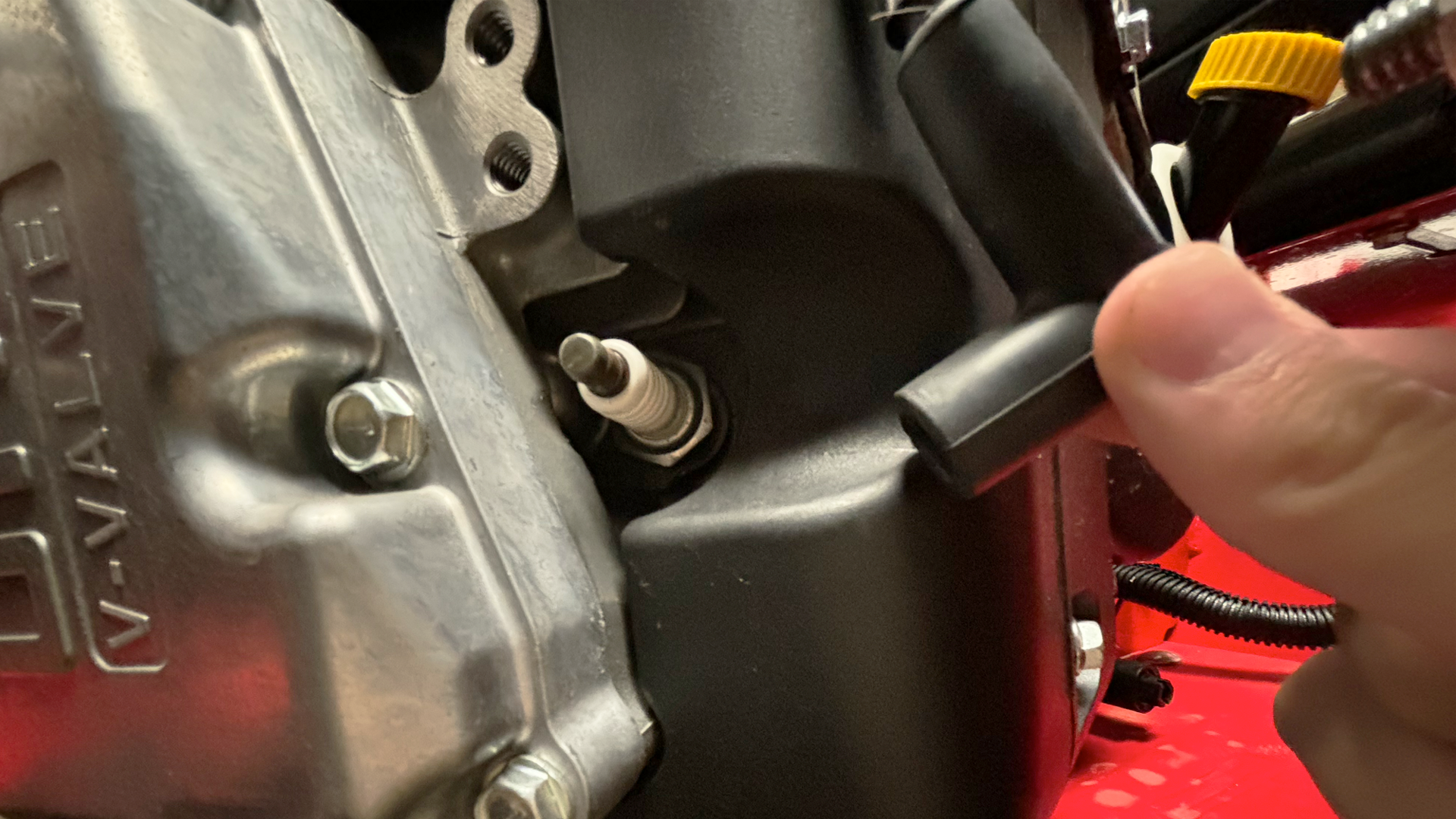
Image Source: blog.koenigequipment.com
Deciphering Lawn Mower Spark Plug Lifespan
The lawn mower spark plug lifespan can vary significantly based on several factors. While a general rule of thumb is 50-100 hours, this is an estimate. Your actual experience may differ. Think of it like car tires – how long they last depends on how you drive and the roads you travel. Similarly, how you use your mower and the conditions it operates in directly impact your spark plug’s mower spark plug longevity.
Factors Affecting Spark Plug Life:
- Usage Hours: This is the most direct factor. The more hours you run your mower, the more wear the spark plug endures. If you mow a large property or mow frequently, you’ll reach the replacement point sooner.
- Fuel Quality: Using old or poor-quality fuel can lead to carbon buildup on the spark plug tip. This buildup disrupts the spark, reducing efficiency and shortening the plug’s life.
- Engine Condition: A healthy engine that runs smoothly puts less strain on the spark plug. Issues like a dirty air filter or worn piston rings can cause incomplete combustion, leading to fouling and premature spark plug wear.
- Operating Conditions: Mowing in very wet grass, thick weeds, or dusty environments can force your engine to work harder. This increased workload can accelerate wear on the spark plug.
- Spark Plug Quality: Not all spark plugs are created equal. Higher-quality spark plugs, often made with durable materials like platinum or iridium, tend to last longer than standard copper plugs.
- Air-Fuel Mixture: An incorrect air-fuel ratio can cause the spark plug to run too hot or too cold, leading to fouling or overheating, respectively.
How Often Should You Change a Lawn Mower Spark Plug?
How often to change lawn mower spark plug is a common question. For most residential users, a lawn mower maintenance schedule that includes replacing the spark plug annually is a good practice. This aligns with performing a general lawn mower tune-up. Even if the plug appears to be working, replacing it at the beginning of each mowing season ensures optimal performance and prevents unexpected breakdowns.
If you use your mower heavily, you might consider checking or replacing it more frequently, perhaps every 50 hours of operation. Commercial landscapers, who put many more hours on their equipment, will have a more rigorous schedule.
Typical Lawn Mower Spark Plug Life:
- Standard Copper Plugs: 30-50 hours of use.
- Platinum or Iridium Plugs: 50-100 hours of use, sometimes more.
It’s always best to consult your lawn mower’s owner’s manual. It will provide specific recommendations for your model.
The Role of the Spark Plug in the Lawn Mower Ignition System
The spark plug is a vital component within the lawn mower ignition system. This system is responsible for generating and delivering the electrical spark needed to ignite the fuel in the combustion chamber. The ignition system typically includes:
- Ignition Coil: This electrical component transforms the mower’s low voltage into the high voltage required to create a spark.
- Flywheel Magneto: A rotating magnet on the flywheel generates an electrical current.
- Points and Condenser (Older Mowers): In older models, mechanical points open and close to control the timing of the spark.
- Spark Plug: The spark plug is the final link, creating the actual spark across its electrodes.
When the ignition coil sends a high-voltage pulse to the spark plug, the electricity jumps across a small gap between the plug’s center electrode and ground electrode. This creates a hot spark that ignites the compressed fuel-air mixture in the cylinder, causing the engine to run. A weak or inconsistent spark, often caused by a faulty spark plug, will result in misfires, rough idling, and loss of power.
Signs of a Bad Lawn Mower Spark Plug
Detecting issues with your spark plug early can save you from more significant engine problems. Here are the common signs of a bad lawn mower spark plug:
- Mower Won’t Start: This is the most obvious sign. If the spark plug is fouled, damaged, or has a poor connection, it won’t produce a spark, and the engine won’t fire up.
- Rough Idling or Misfiring: If the spark plug isn’t firing consistently, the engine may run unevenly, sputter, or miss ignitions. You might hear the engine “cough” or feel it surge.
- Loss of Power: A weak spark leads to incomplete combustion, meaning less power is generated. Your mower might struggle to cut through thicker grass or climb inclines.
- Increased Fuel Consumption: When combustion is inefficient due to a bad spark plug, the engine has to work harder, often consuming more fuel to produce the same amount of power.
- Difficulty Starting: Even if the mower eventually starts, it might take many pulls of the starter cord or multiple attempts with an electric start.
- Visible Fouling or Damage: If you remove the spark plug, you might see signs of problems.
- Black, Sooty Deposits (Carbon Fouling): This usually indicates a rich fuel mixture, a dirty air filter, or too much oil in the fuel.
- Oily Deposits (Oil Fouling): This suggests oil is getting into the combustion chamber, often due to worn piston rings or valve seals.
- White or Ashy Deposits (Fuel Fouling): These can result from using low-quality fuel or additives.
- Cracked Insulator: The ceramic insulator can crack due to physical shock or extreme heat.
- Worn Electrodes: Over time, the electrodes can erode, widening the gap and making it harder for a spark to jump.
Lawn Mower Spark Plug Replacement Interval
The lawn mower spark plug replacement interval is typically tied to usage hours and recommended maintenance schedules. As mentioned, for most homeowners, this means replacing the plug at least once a year, usually as part of a spring lawn mower tune-up.
Consider these points for your replacement interval:
- Annual Replacement: This is a safe bet for most users. It’s inexpensive insurance against starting problems.
- 50-100 Hour Check: If you track your mower’s usage, aim to inspect the spark plug around the 50-hour mark. If it shows signs of wear or fouling, replace it.
- Commercial Use: If you use your mower for a business, follow the manufacturer’s heavy-duty maintenance recommendations, which may involve more frequent replacements.
Performing a Lawn Mower Tune-Up: Spark Plug Replacement
Replacing a lawn mower spark plug is a straightforward DIY task that can be done during a lawn mower tune-up. Here’s how:
Tools and Materials You’ll Need:
- New spark plug (ensure it matches your mower’s make and model)
- Spark plug socket wrench (or a deep socket wrench that fits)
- Ratchet handle
- Spark plug gap tool (feeler gauge)
- Rag or shop towel
- Compressed air (optional, for cleaning)
- Anti-seize compound (optional, for the new plug’s threads)
Step-by-Step Guide:
- Ensure the Engine is Cool: Never work on a hot engine. Allow it to cool down completely.
- Disconnect the Spark Plug Wire: Locate the spark plug. It’s usually connected to a thick wire (the spark plug wire or boot). Gently pull the rubber boot off the end of the spark plug. Do not pull on the wire itself.
- Clean Around the Spark Plug: Before removing the old plug, use compressed air or a rag to clean any debris from around the spark plug base. This prevents dirt from falling into the engine cylinder when the plug is removed.
- Remove the Old Spark Plug: Fit the spark plug socket wrench onto the spark plug. Attach the ratchet and turn counter-clockwise to loosen and remove the plug.
- Inspect the Old Spark Plug: Look for signs of fouling, damage, or electrode wear. This inspection can provide clues about your engine’s health.
- Gap the New Spark Plug: This is a crucial step. New spark plugs often come pre-gapped, but it’s wise to check. Consult your owner’s manual for the correct gap specification. Use a spark plug gap tool (feeler gauge) to adjust the gap by gently bending the ground electrode. Never use the spark plug itself to gauge the gap, as this can damage the electrode.
- Apply Anti-Seize (Optional): A small dab of anti-seize compound on the threads of the new spark plug can make future removal easier. Be careful not to get it on the electrodes.
- Install the New Spark Plug: Carefully thread the new spark plug into the engine by hand. This prevents cross-threading. Once it’s finger-tight, use the spark plug socket wrench and ratchet to tighten it. Do not overtighten. Typically, tighten it about a quarter to a half turn after it’s finger-tight. Overtightening can damage the cylinder head.
- Reconnect the Spark Plug Wire: Push the spark plug wire boot firmly back onto the new spark plug until it clicks into place. Ensure a secure connection.
- Test the Mower: Start your lawn mower to ensure it runs smoothly.
Choosing the Right Spark Plug
Selecting the correct replacement spark plug is vital. Using the wrong type can lead to poor performance or even engine damage.
How to Find the Right Plug:
- Owner’s Manual: This is your primary resource. It will specify the exact part number or type of spark plug recommended for your mower.
- Manufacturer Websites: Many small engine manufacturers have online parts lookups where you can enter your engine model number to find the correct spark plug.
- Local Parts Store: Bring your old spark plug or your mower’s model and serial number to a reputable parts store. The staff can help you find the correct replacement.
Types of Spark Plugs:
- Standard Copper Core: These are the most common and least expensive. They have a decent lifespan but are more prone to fouling and wear than premium types.
- Platinum: These plugs have a platinum tip on the center electrode. Platinum is more durable and resistant to erosion, leading to a longer life and a more consistent spark.
- Iridium: Iridium is even harder and has a lower melting point than platinum. Iridium plugs offer exceptional longevity and a very strong, consistent spark. They are the most expensive but can offer the best performance and lifespan.
Why Regular Spark Plug Replacement Matters
Adhering to a lawn mower maintenance schedule that includes regular spark plug replacement offers several benefits:
- Reliable Starting: Ensures your mower starts easily every time you need it.
- Optimal Engine Performance: A new plug contributes to smoother running, better acceleration, and more efficient power delivery.
- Improved Fuel Efficiency: A clean, properly gapped spark plug leads to more complete combustion, reducing fuel waste.
- Reduced Emissions: Efficient combustion means fewer harmful pollutants are released into the atmosphere.
- Prevention of Costly Repairs: A failing spark plug can sometimes lead to more serious engine issues if left unaddressed. Replacing it is a simple and inexpensive preventative measure.
Frequently Asked Questions (FAQ)
Q1: Can I use a spark plug from a different brand than my mower’s manufacturer?
A1: Yes, as long as the new spark plug has the correct specifications (reach, thread size, heat range, and gap) for your engine. Always check the cross-reference guide or consult with a parts supplier.
Q2: How do I know if my lawn mower spark plug is bad without removing it?
A2: You can sometimes tell by the symptoms your mower exhibits, such as difficulty starting, rough running, or loss of power. However, the most reliable way is to remove and inspect the plug for signs of fouling, damage, or excessive wear on the electrodes.
Q3: My mower is hard to start, but the spark plug looks clean. What else could it be?
A3: If the spark plug appears to be in good condition, the starting problem could be related to other parts of the lawn mower ignition system (like a faulty ignition coil), a clogged fuel system, a dirty air filter, or issues with the carburetor.
Q4: How important is the spark plug gap?
A4: The spark plug gap is critical. If the gap is too wide, the spark may be too weak to ignite the fuel. If it’s too narrow, the spark might not be strong enough, leading to misfires. Always set the gap according to the manufacturer’s specifications.
Q5: Do I need to replace the spark plug wire too?
A5: Spark plug wires are generally quite durable. They typically don’t need replacement as often as the spark plug itself. However, if the wire is cracked, frayed, or shows signs of damage, it should be replaced to ensure a strong spark.
By paying attention to your lawn mower’s spark plug and following a regular maintenance schedule, you can ensure your mower runs efficiently and reliably for years to come.