
The most common question on pet owners’ minds after lawn treatment is: how long after fertilizing the lawn is it safe for pets? Generally, it is safest to keep pets off a fertilized lawn for at least 24-48 hours, and preferably until the fertilizer has been watered in and dried completely.
Keeping our furry companions safe while maintaining a beautiful lawn can feel like a balancing act. Fertilizing your lawn can bring vibrant green color and lush growth, but it also introduces potential risks for pets who love to explore, sniff, and sometimes even nibble on grass. This guide aims to provide clear, actionable advice on lawn fertilizer pet safety, fertilizing lawn dog safety, and ensuring pet safe lawn care practices. We’ll delve into when pets can go on fertilized lawns, the risks of fertilizer toxicity pets, and options for a fertilizing pet friendly lawn.
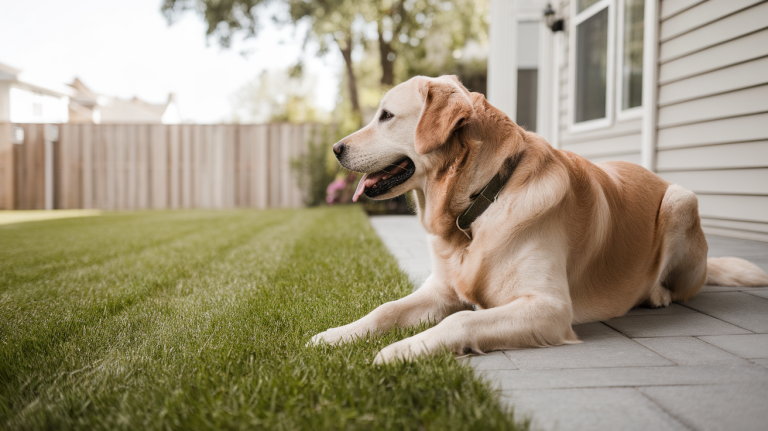
Image Source: randylemmon.com
The Risks of Fertilizers for Pets
Many standard lawn fertilizers contain chemicals that can be harmful if ingested or if they come into prolonged contact with a pet’s skin and paws. Understanding these risks is the first step in protecting your pets.
Common Fertilizer Ingredients and Their Dangers
Lawn fertilizers are essentially plant food, providing essential nutrients like nitrogen, phosphorus, and potassium. However, these very nutrients, in concentrated forms, can cause problems for pets.
- Nitrogen: While crucial for plant growth, high concentrations can cause digestive upset.
- Phosphorus: Can lead to severe gastrointestinal issues, and in rare cases, more serious health problems if ingested in large amounts.
- Potassium: Generally less toxic than nitrogen or phosphorus, but can still cause irritation.
- Trace Minerals: Fertilizers often include other minerals like iron, zinc, and copper. While beneficial for plants, some of these can be toxic to pets in sufficient quantities. Iron, for example, can cause gastrointestinal irritation, and zinc can be particularly dangerous.
- Herbicides and Pesticides: Many combination lawn products include weed killers or insect control agents. These can be significantly more toxic to pets than the fertilizers themselves and require even stricter adherence to safety guidelines.
Symptoms of Fertilizer Ingestion or Exposure
Pets, especially dogs, often explore their environment with their mouths. They might ingest grass that has fertilizer on it, or lick their paws after walking on a treated lawn. Signs of fertilizer toxicity pets can vary depending on the type of fertilizer and the amount ingested, but commonly include:
- Vomiting
- Diarrhea
- Excessive drooling
- Lethargy
- Loss of appetite
- Skin irritation or rashes
- Difficulty breathing (in severe cases)
- Stumbling or uncoordinated movements
If you suspect your pet has ingested or been exposed to lawn fertilizer, contact your veterinarian or a pet poison control center immediately.
Determining When Pets Can Safely Access a Fertilized Lawn
The primary goal is to minimize the risk of your pet ingesting or coming into prolonged contact with the fertilizer. This usually means waiting for the product to be fully absorbed into the soil or washed away.
The Waiting Game: How Long to Keep Pets Off Fertilized Grass
The general recommendation for how long to keep pets off fertilized grass is typically 24 to 48 hours. However, this is a guideline, and several factors influence the safest waiting period.
Key Factors Influencing Waiting Times:
- Type of Fertilizer: Organic fertilizers are generally considered safer than synthetic ones, but still require caution.
- Application Method: Granular fertilizers, which need to be watered in, require a longer waiting period than liquid formulations that dry quickly.
- Weather Conditions: Rain can help wash fertilizer into the soil, potentially reducing waiting times. However, avoid applying fertilizer before heavy rain, as it can wash away and become runoff. Dry, hot weather can make the fertilizer stickier and more accessible to pets.
- Pet Behavior: Highly active pets who tend to eat grass or roll extensively may require a longer waiting period than more sedentary animals.
Best Practices for Post-Fertilization Pet Access
To ensure after fertilizing lawn pet access is safe, follow these steps:
- Read the Product Label: Always read and follow the instructions on the fertilizer packaging. Manufacturers often provide specific waiting periods for pets and children.
- Water Thoroughly: If using granular fertilizer, water the lawn immediately after application. This helps the granules dissolve and move into the soil, making them less accessible to pets. Wait until the lawn is completely dry before allowing pets back out.
- Avoid Over-Application: Never apply more fertilizer than recommended. This not only risks harming your pets but can also damage your lawn.
- Choose Pet-Friendly Times: If possible, fertilize your lawn when your pets are indoors for an extended period, giving the fertilizer ample time to settle.
Fertilizing Pet Friendly Lawn Options
For pet owners, the ideal scenario is to fertilize their lawn without compromising their pets’ safety. Thankfully, there are several options for a fertilizing pet friendly lawn.
Organic Lawn Fertilizer Pet Safety
Organic fertilizers are derived from natural sources like compost, manure, bone meal, and fish emulsion. These are generally considered safer for pets because they are less concentrated and break down more naturally in the soil.
- Benefits of Organic Fertilizers:
- Less risk of chemical burns or toxicity.
- Improve soil health over time.
- Nutrients are released slowly, reducing the risk of over-fertilization.
- Considerations for Organic Fertilizers:
- Some organic fertilizers, like fresh manure, can still contain pathogens and should be applied with caution.
- The smell of some organic fertilizers (e.g., fish emulsion) might attract pets, potentially leading to them digging or trying to eat the product before it’s incorporated into the soil.
- Even with organic lawn fertilizer pet safety, it’s still wise to follow product instructions and allow a reasonable waiting period for watering and absorption.
Natural and Eco-Friendly Alternatives
Beyond traditional organic fertilizers, other natural methods can nourish your lawn:
- Compost Tea: A liquid fertilizer made from steeping compost in water. It’s nutrient-rich and safe for pets once dry.
- Grasscycling: Leaving grass clippings on the lawn after mowing. As they decompose, they return nutrients to the soil. This is the ultimate in pet safe lawn care and requires no special waiting periods.
- Aeration and Dethatching: Improving soil structure and air circulation allows nutrients and water to reach grass roots more effectively, potentially reducing the need for heavy fertilization.
What to Do If Your Pet Ingests Fertilizer
Accidents happen. If you suspect your pet has eaten fertilizer, immediate action is crucial.
First Aid and Veterinary Care
- Remove the Pet from the Area: Prevent further ingestion.
- Rinse Mouth: If the fertilizer is still visible around the mouth, try to rinse it out with water.
- Do NOT Induce Vomiting Unless Directed: Inducing vomiting can sometimes be more harmful than helpful, especially with certain types of chemicals.
- Contact Your Veterinarian or Pet Poison Control: Have the fertilizer packaging available to provide information about the product’s ingredients and concentration. The sooner you get professional advice, the better.
Comprehensive Pet Safe Lawn Care Strategies
Pet safe lawn care is a holistic approach that considers all aspects of lawn maintenance from a pet’s perspective.
Choosing the Right Products
- Read Labels Carefully: Look for products specifically labeled as “pet-safe” or “child-safe” after drying.
- Opt for Natural or Organic: As discussed, these are generally the safest choices.
- Avoid Combination Products: If you need to control weeds or pests, use separate, pet-safe products for each task rather than a combined fertilizer-herbicide-insecticide.
Application Techniques for Safety
- Granular Fertilizers:
- Ensure even distribution to avoid concentrated spots.
- Water immediately and thoroughly after application.
- Wait until the lawn is completely dry.
- Liquid Fertilizers:
- Apply on a calm day to prevent drift onto areas pets frequent.
- Allow the lawn to dry completely before allowing pets access.
- Fertilizing Pet Friendly Lawn: Consider a slow-release, granular organic fertilizer. Apply it and water it in thoroughly, then wait a full 24 hours before allowing pets on the lawn.
Alternative Lawn Treatments for Pet Owners
For those who want to minimize chemical use altogether, explore these methods:
- Dandelion and Weed Pulling: Manual removal of weeds reduces the need for herbicides.
- Beneficial Nematodes: For insect control, these microscopic organisms are natural predators of common lawn pests and are harmless to pets and humans.
- Healthy Soil Practices: Aerating, overseeding, and proper watering create a dense, healthy lawn that is more resistant to weeds and pests, thus reducing the need for chemical treatments.
Frequently Asked Questions About Fertilizing and Pets
Here are some common questions pet owners have about fertilizing their lawns:
FAQ
Can my dog lick fertilized grass?
While it’s best to prevent it, a small lick of dry, treated grass is unlikely to cause severe harm, especially if it was a mild fertilizer. However, repeated licking or ingesting significant amounts can lead to gastrointestinal upset. The main concern is prolonged contact and ingestion.
What if my dog eats the granular fertilizer before it’s watered in?
This is a more serious situation. Granules are concentrated and can cause significant irritation or toxicity. Contact your veterinarian or a pet poison control center immediately.
Is organic fertilizer completely safe for pets?
Organic fertilizers are significantly safer than synthetic ones, but they are not entirely risk-free. Some organic ingredients can still cause mild digestive upset if ingested in large quantities. Always check product labels and follow application instructions for optimal organic lawn fertilizer pet safety.
My lawn service applied fertilizer. How do I know if it’s safe for my dog?
Ask your lawn service provider for the specific product they used. This will allow you to check the label for pet safety information. Reputable services will be transparent about the products they use and can advise on the appropriate waiting period.
What are the signs of fertilizer poisoning in cats?
Cats are less likely to graze on grass compared to dogs, but they can still be affected by walking on treated lawns and then grooming their paws. Symptoms can include vomiting, drooling, lethargy, and skin irritation.
Can I use my lawn for gardening or growing vegetables after fertilizing?
It is generally not recommended to grow edible plants on a lawn that has been treated with synthetic fertilizers, especially if weed killers or insecticides are included in the lawn treatment. If you plan to garden in your lawn, it’s best to create a dedicated garden bed that is separate from regularly fertilized lawn areas, or use only pet-safe and food-safe treatments on the entire area if it will be used for edibles.
How can I make my lawn truly pet-friendly?
Focus on pet safe lawn care by:
* Choosing organic or natural fertilizers.
* Avoiding pesticides and herbicides.
* Watering thoroughly after any application.
* Waiting at least 24-48 hours before allowing pets on the lawn.
* Monitoring your pets for any unusual behavior after lawn treatments.
* Consider creating dedicated play areas for your pets that are free from any lawn treatments.
By being informed and proactive, you can ensure your lawn remains a beautiful and safe haven for both your family and your beloved pets. Prioritizing lawn treatment pet health means making informed choices about the products you use and the timing of their application.