
Does your lawn mower seem to be losing its power to pick up grass clippings and leaves? If you’re asking, “What is causing my lawn mower to have poor suction?” the answer usually boils down to a few key areas: blockages, worn-out parts, or incorrect usage. Improving lawn mower suction means ensuring that the system designed to pull in grass and debris is working as efficiently as possible. This guide will help you get your mower back to its peak performance, making your lawn care tasks much easier and more effective.
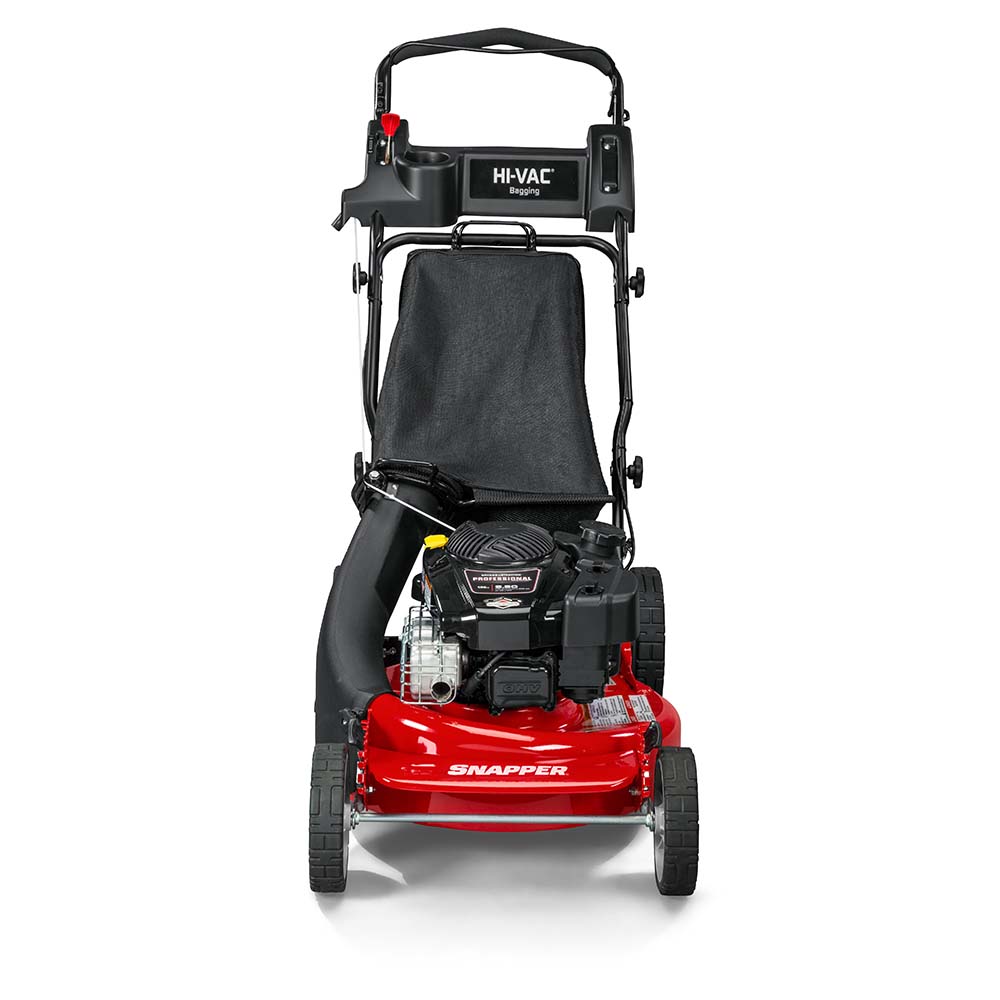
Image Source: www.snapper.com
Boosting Your Mower’s Pickup Power
A lawn mower with strong suction is essential for a tidy lawn. Whether you’re dealing with thick grass, fallen leaves, or general yard debris, good suction ensures a clean cut and efficient collection. We’ll explore practical steps and maintenance tips to significantly enhance your mower’s ability to pull in and manage grass clippings and other yard waste.
Ensuring Optimal Airflow
Airflow is the silent engine behind your lawn mower’s suction. Without it, even the sharpest blades can’t effectively lift and collect what they cut. Think of it as the mower’s lungs; they need to be clear and strong to do their job.
The Cutting Deck: More Than Just a Shell
The cutting deck is the heart of your mower’s collection system. It’s not just a shield for the blades; it’s carefully designed to channel airflow and direct clippings. A clean, well-maintained cutting deck is crucial for good suction.
- Cleaning the Underside: Over time, grass and debris build up under the cutting deck. This caked-on material restricts airflow, acting like a dam against the flow of air and clippings. Regularly scraping or washing out this buildup is vital.
- Deck Height Adjustment: The height at which you set your cutting deck can affect suction. If the deck is set too low, it can press down on the grass, making it harder for the blades to lift and suck it up. Experimenting with slightly higher settings might improve collection.
- Sealing Gaps: Ensure there are no large gaps between the cutting deck and the mower body where air can escape. These leaks reduce the vacuum effect needed for strong suction. Check for loose panels or damaged seals.
Blades: The Sharp Teeth of Suction
The blades are not just for cutting; their design and condition play a huge role in creating the airflow that powers suction.
- Blade Sharpness: Dull blades tear grass rather than cutting it cleanly. This ragged cut makes grass harder to lift and collect. Sharpen your blades regularly for the best results.
- Blade Type: Some mower blades are specifically designed for enhanced suction and debris collection. Look for “high-lift” blades, often identified by upturned ends. These blades create a stronger updraft, pulling grass and debris into the mower more effectively. This is particularly important for your mulching lawn mower suction if you use it for collection.
- Blade Balance: Unbalanced blades can cause excessive vibration, which disrupts airflow and reduces suction. Ensure your blades are properly balanced after sharpening or replacement.
Muffler and Engine Exhaust: Directing the Force
The way your mower’s engine exhausts air can also impact suction.
- Muffler Blockages: While less common, a clogged muffler can restrict overall engine performance, indirectly affecting the airflow generated for suction.
- Exhaust Direction: Most mowers are designed so the engine exhaust doesn’t interfere with the suction system. However, if your mower has been modified or if there’s an unusual exhaust leak, it might be diverting air away from the collection system.
Maintaining the Collection System
The components that receive and hold the grass and debris are just as important as the cutting system itself.
Grass Bags and Collection Bins
A full or clogged collection bag is the most common culprit behind reduced mower suction.
- Emptying Regularly: Don’t wait until the bag is completely stuffed. Empty it when it’s about two-thirds full to maintain consistent airflow.
- Cleaning the Bag: Fabric grass bags can become clogged with fine dust and dried grass. Washing them periodically (follow manufacturer instructions) can restore airflow.
- Bin Integrity: Ensure the collection bin or bag chute is free of any obstructions. Check for packed grass or debris that might be preventing new material from entering.
Chute Design and Condition
The chute that directs clippings from the deck to the bag is a critical pathway for airflow.
- Chute Blockages: This is a frequent issue. Packed grass clippings can completely block the chute, stopping all suction. Regular inspection and clearing are necessary.
- Chute Sealing: Make sure the chute fits snugly against the mower deck and the collection bag. Any gaps allow air to escape, weakening the vacuum.
Factors Affecting Mulching Lawn Mower Suction
If you have a mulching lawn mower that you also want to use for collecting, the principles are similar, but the design emphasis can differ. Mulching mowers are designed to circulate clippings under the deck to chop them finely. However, to switch to collection or improve suction on a mulching mower:
- Install the Mulch Plug (Correctly): If your mower converts from mulching to bagging, ensure the mulch plug is installed properly and completely seals the discharge chute. A faulty plug can leak air and reduce suction.
- Blade Choice for Mulching and Bagging: Some blades are designed to perform well in both modes. If you primarily bag, consider a high-lift blade even on a mulching mower to maximize suction.
Advanced Techniques for a Stronger Vacuum
Beyond basic maintenance, a few advanced strategies can give your mower’s suction a serious boost.
Using Your Mower as a Lawn Vacuum
Many modern mowers are designed with lawn vacuum capabilities in mind, but even older models can benefit from optimized settings. To maximize its function as a lawn vacuum:
- Engine Speed: Ensure your engine is running at the optimal RPM. Most mowers perform best at higher engine speeds for cutting and collection. Check your owner’s manual for recommended settings.
- Cutting Height: As mentioned, experiment with cutting height. A slightly higher cut can sometimes improve the volume of material lifted into the mower.
- Terrain: Mow when the grass is dry. Wet grass is heavier and clumps more easily, making it harder to suck up and increasing the likelihood of blockages.
Power Mulching and Debris Collection
When using your mower for power mulching, the goal is to re-cut clippings into fine particles. However, the same cutting deck and blade action that facilitates mulching can also create significant airflow.
- High-Lift Blades for Debris Collection: If your primary goal is debris collection, especially leaves, switching to high-lift blades is one of the most effective ways to increase suction. These blades are designed to throw more air, lifting lighter debris like leaves into the collection system.
- Mowing Pattern: For dense leaf collection, consider mowing in overlapping passes to ensure all leaves are captured.
Troubleshooting Poor Suction
When suction drops, don’t panic. A systematic approach can help you pinpoint and fix the problem.
Common Blockage Points: A Checklist
- Cutting Deck Underside: Check for packed grass and mud.
- Chute to Bag/Bin: Look for dense clods of grass.
- Grass Bag/Bin Itself: Is it full or is the fabric clogged?
- Discharge Port: The opening where clippings enter the bag.
When to Replace Parts
- Worn Blades: Blades that are significantly chipped, bent, or worn down at the edges will not create adequate airflow. Replace them annually or as needed.
- Damaged Cutting Deck: Cracks or significant rust holes in the deck can disrupt airflow. Minor damage might be repairable, but severe damage may require deck replacement.
- Leaky Bellows or Seals: If your mower has flexible components connecting the deck to the bag, ensure they are intact and sealing properly.
Can I Improve Suction on Any Mower?
Yes, generally, you can improve suction on most types of lawn mowers, whether they are push mowers, riding mowers, or even some robotic mowers (though their systems are more integrated). The core principles of maintaining airflow, sharp blades, and clear collection paths apply across the board.
What is the best way to clean the underside of a mower deck?
The best way to clean the underside of a mower deck is to first disconnect the spark plug for safety. Then, use a putty knife, scraper, or wire brush to remove caked-on debris. For tougher buildup, a hose with a strong spray or even a pressure washer (used carefully, avoiding bearings and electrical components) can be effective. Many decks also have wash-out ports designed for hose connection.
What impact do different grass types have on suction needs?
Different grass types can influence suction requirements. For instance:
- Thick, dense grasses (like some fescues or zoysias) require stronger suction to lift and cut effectively.
- Wet or tall grass is heavier and more prone to clumping, necessitating a mower with robust airflow and a clear collection path.
- Leaf collection demands high airflow, often more than what’s needed for just grass clippings.
How often should I check for blockages?
It’s advisable to check for blockages and clean the underside of your cutting deck after every few uses, especially if you’re mowing in damp conditions or dealing with heavy leaf litter. Always check the discharge chute and collection bag before and during mowing.
Does mower size affect suction?
While not a direct measure, larger mowers often have wider cutting decks and more powerful engines, which can translate to greater airflow and thus stronger potential suction. However, a smaller mower with well-maintained components and the right blades can often outperform a larger, neglected machine.
By focusing on these key areas – maintaining optimal airflow, ensuring your blades are in top condition, and keeping the entire collection system clear and functional – you can significantly improve your lawn mower’s suction. A mower that picks up grass and debris effectively not only leaves your lawn looking neater but also contributes to healthier grass growth by removing excess clippings and preventing thatch buildup.
Frequently Asked Questions (FAQ)
Q1: My mower seems to have lost suction, but the bag isn’t full. What else could it be?
A1: If the bag isn’t full, the issue is likely with airflow. Check the underside of the cutting deck for buildup, ensure the blades are sharp and oriented correctly, and inspect the chute for any hidden blockages. A loose seal between the deck and the bag can also cause air loss.
Q2: Can I use a leaf blower to clear debris from my mower’s cutting deck?
A2: Yes, a leaf blower can be helpful for blowing loose grass and light debris off the cutting deck, especially after scraping. However, for caked-on material, mechanical scraping or washing is usually more effective. Ensure the spark plug is disconnected before using any tools or blowing agents.
Q3: How do I know if my mower blades need replacing versus just sharpening?
A3: Blades need replacing if they are significantly bent, cracked, have large chunks missing, or if the sharpening process doesn’t restore a sharp edge. If the metal is worn away too much at the cutting edge, sharpening won’t be enough.
Q4: Does the brand of mower affect its suction capabilities?
A4: While design and engineering vary between brands, most reputable manufacturers design their mowers with effective suction in mind. The key to maintaining good suction lies more in regular maintenance and using the correct parts rather than the brand itself.
Q5: I have a lot of leaves to collect. What are the best blade types for this?
A5: For leaf collection, high-lift blades are recommended. These blades have a more aggressive angle at the tip, which creates a stronger updraft to lift leaves into the mower. Some specialized “leaf collection” blades offer even more aggressive lifting and mulching capabilities.
By following these tips, you can ensure your lawn mower delivers powerful suction, making your lawn care tasks more efficient and your lawn looking its best.