
Can you get rid of dead grass in your lawn? Yes, you absolutely can! This guide will show you the fastest and most effective ways to tackle those stubborn brown patches and bring your lawn back to life. Dealing with dead grass can be frustrating, but with the right approach, you can achieve a lush, green lawn quickly.
Is your lawn looking less than its best? Do you see unsightly brown patches dotting your once-vibrant turf? You’re not alone. Dead grass is a common lawn problem, but it doesn’t have to be a permanent one. This comprehensive guide is your go-to resource for understanding why grass dies and, more importantly, how to get rid of it fast. We’ll cover everything from identifying the causes to implementing effective lawn care for dead areas.
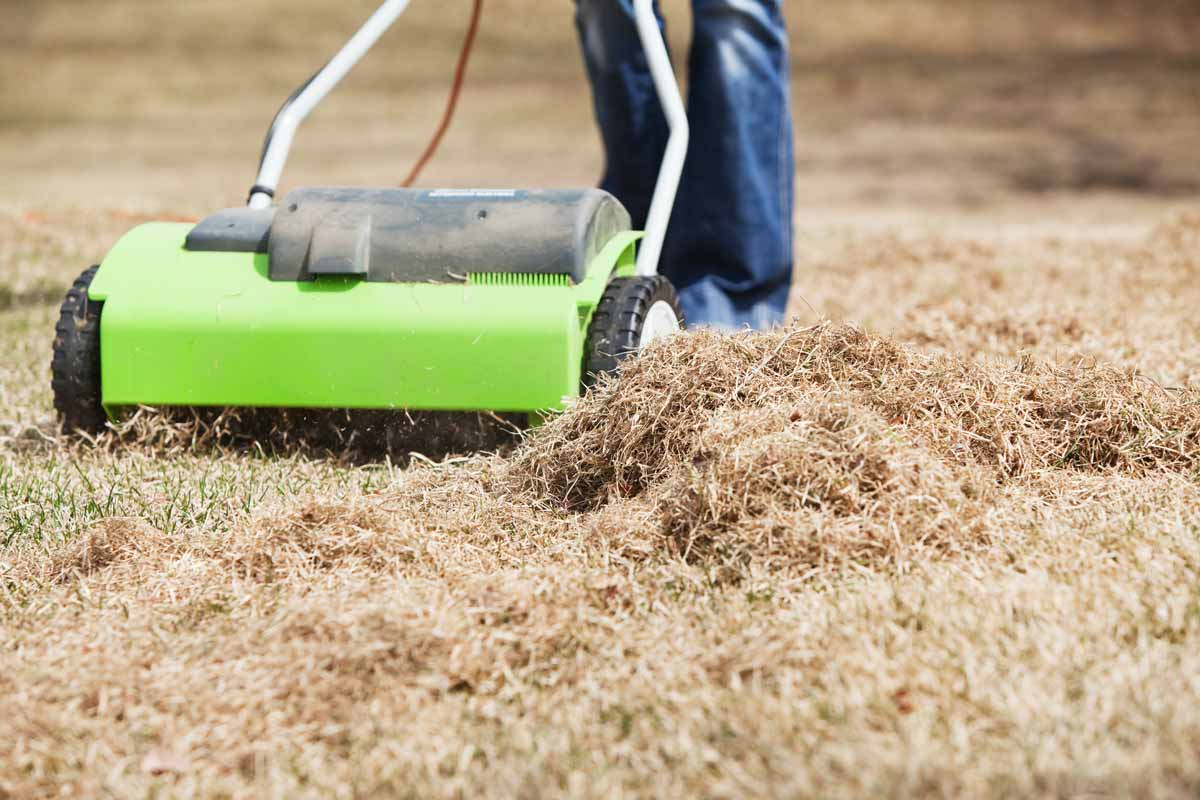
Image Source: www.greenviewfertilizer.com
Why Does Grass Turn Brown and Die?
Before we can effectively remove dead grass, it’s important to know why it happens. Fathoming the root cause will help you prevent future issues and ensure your lawn stays healthy.
Common Culprits Behind Lawn Death
Several factors can contribute to grass turning brown and dying. Identifying the specific cause in your lawn is the first step to effective treatment.
- Drought Stress: Lack of water is a primary reason for grass browning. When grass doesn’t get enough moisture, it goes dormant to conserve energy, turning brown. If drought persists, the grass can die.
- Heat Stress: Prolonged periods of high temperatures, especially without adequate moisture, can scorch grass blades, leading to browning and death.
- Poor Soil Compaction: Hard, compacted soil prevents water, air, and nutrients from reaching grass roots. This can lead to shallow root systems, making the grass vulnerable to stress and death.
- Nutrient Deficiencies: Grass needs essential nutrients like nitrogen, phosphorus, and potassium to thrive. A lack of these can result in weak, discolored, and eventually dead grass.
- Pests: Various lawn pests, such as grubs and chinch bugs, feed on grass roots or blades, causing significant damage and death in patches.
- Diseases: Fungal diseases can manifest as brown spots or entire patches of dead grass. Common culprits include dollar spot, brown patch, and red thread.
- Over-fertilization: While fertilizer is good, too much can burn the grass, leading to brown, dead areas.
- Improper Mowing: Mowing too short can stress grass and expose the soil to sun and heat. Mowing with dull blades can also tear grass, making it susceptible to disease.
- Thatch Buildup: A thick layer of thatch (dead organic matter) can prevent water and nutrients from reaching the soil. It also provides a home for pests and diseases.
Identifying Dead Grass vs. Dormant Grass
It’s crucial to distinguish between dead grass and dormant grass. Dormant grass is alive but has temporarily stopped growing due to stress (like drought or extreme cold). Dormant grass usually recovers when conditions improve. Dead grass, on the other hand, is irrevocably gone and cannot be revived.
- Dormant Grass: Feels pliable, often has a straw-like appearance, but the crown and roots are still alive. It will turn green again with water and favorable temperatures.
- Dead Grass: Is brittle and easily crumbles. The crown and roots are dried out and will not regrow.
The Fastest Ways to Get Rid of Dead Grass
Once you’ve identified dead grass, it’s time to clear it out. The best way to remove dead grass involves a multi-step process to ensure a clean slate for new growth.
Step 1: Clearing Out the Dead Material
The initial step in dead grass removal is to get rid of the lifeless turf. This prepares the area for new seeding or sodding.
Manual Raking
For smaller patches, manual raking is effective.
- Use a sturdy metal rake with stiff tines.
- Rake vigorously in multiple directions to pull up all the dead grass and thatch.
- Dispose of the dead grass and debris.
Power Raking (Dethatching)
For larger areas or a significant thatch buildup, power raking is more efficient.
- What is power raking? Power raking, or dethatching, uses a machine with rotating tines to dig into the turf and pull up dead grass and thatch.
- How to power rake:
- Mow low: Mow the lawn to a shorter height (around 1-2 inches) before dethatching.
- Dethatch: Pass the power rake over the lawn in overlapping passes. Aim to remove as much dead material as possible.
- Collect debris: Rake up all the loosened dead grass and thatch. This is a critical step for a clean finish.
Aeration
Aeration is beneficial for compacted soil, which often accompanies dead grass. It creates holes in the soil, allowing air, water, and nutrients to penetrate.
- What is aeration? Aeration involves using an aerator machine to pull out small plugs of soil and thatch.
- Benefits for dead areas:
- Improves soil structure.
- Reduces compaction.
- Enhances water and nutrient penetration to roots of surrounding grass.
- Creates a better environment for new seed germination.
Step 2: Addressing the Underlying Causes
Simply removing dead grass isn’t enough. To truly revive lawn areas and prevent recurrence, you must address the reasons why the grass died in the first place.
Watering Strategies
- Deep and Infrequent Watering: Water deeply (about 6 inches into the soil) rather than shallowly and frequently. This encourages deeper root growth, making grass more drought-tolerant.
- Timing: Water early in the morning to minimize evaporation and allow grass to dry before nightfall, reducing disease risk.
- Adjust for Weather: Increase watering during hot, dry periods and reduce it during cooler, wetter spells.
Fertilization Practices
- Soil Testing: Get your soil tested to determine nutrient levels and pH. This will guide your fertilization choices.
- Balanced Fertilizers: Use a balanced fertilizer (e.g., 10-10-10) or one tailored to your soil test results.
- Timing: Fertilize at appropriate times for your grass type (spring and fall for cool-season grasses, late spring and early fall for warm-season grasses).
- Avoid Over-fertilization: Apply fertilizer according to package directions to prevent burning the lawn.
Pest and Disease Control
- Identification: Accurately identify any pests or diseases present.
- Treatment: Use appropriate insecticides or fungicides as needed. Look for environmentally friendly options when possible.
- Cultural Practices: Healthy turf is more resistant to pests and diseases. Proper watering, mowing, and fertilization are key preventive measures.
Mowing Techniques
- Mow High: Set your mower to the higher end of the recommended range for your grass type. Taller grass shades the soil, keeps it cooler, and helps retain moisture.
- Sharp Blades: Ensure your mower blades are sharp. Dull blades tear grass, leaving ragged edges that are prone to browning and disease.
- One-Third Rule: Never remove more than one-third of the grass blade’s height in a single mowing.
Step 3: Repairing and Re-seeding
With the dead grass removed and underlying issues addressed, it’s time to repair lawn sections and encourage new growth.
Spot Treating Brown Patches
If you only have a few small brown patches, you can spot treat brown grass areas without a full overhaul.
- Clear the area: Rake out the dead grass and loosen the soil.
- Amend the soil (if necessary): Mix in some compost or topsoil to improve the soil quality in the patch.
- Seed: Sprinkle grass seed over the cleared area. Choose a seed mix that matches your existing lawn.
- Cover lightly: Lightly cover the seed with a thin layer of topsoil or peat moss.
- Water consistently: Keep the seeded area moist until the new grass is established.
Overseeding for Larger Areas
For more widespread dead grass, overseeding is the best approach.
- Timing: The best time to overseed is during the active growing season for your grass type, typically fall for cool-season grasses and late spring for warm-season grasses.
- Preparation:
- After dethatching and aerating, ensure the soil is exposed.
- Lightly rake the surface to create a good seedbed.
- Seeding:
- Spread grass seed evenly over the lawn using a spreader.
- Follow recommended seeding rates for your grass type.
- Incorporating Seed:
- Lightly rake the seed into the top layer of soil (about ¼ inch).
- A roller can help ensure good seed-to-soil contact.
- Watering:
- Keep the surface consistently moist until germination occurs. This may mean light watering once or twice a day, depending on the weather.
- Once the new grass is established, gradually transition to deeper, less frequent watering.
- Fertilizing: Apply a starter fertilizer to promote healthy root development.
Sodding for Immediate Results
If you want an instant fix and are willing to invest more, sodding is an option.
- Preparation: The area must be cleared of dead grass, the soil should be properly graded, and any necessary amendments added.
- Laying Sod: Lay sod pieces tightly together, ensuring good contact with the soil.
- Watering: Water immediately and deeply after laying sod. Keep the new sod consistently moist until roots are established.
Lawn Renovation: A Complete Overhaul
When large portions of your lawn are dead or severely damaged, a full lawn renovation might be the most effective and fastest solution to revive lawn. This is a more intensive process.
When is Lawn Renovation Necessary?
- More than 50% of the lawn is dead or unhealthy.
- Severe weed infestation alongside dead grass.
- Persistent pest or disease problems that haven’t responded to treatment.
- Poor turf quality due to the wrong grass type for your climate.
Steps for a Full Lawn Renovation
- Clear the Area: Remove all dead grass, weeds, and debris. This can be done with a sod cutter, power rake, or by tilling the soil.
- Soil Testing and Amendment: Test your soil and add necessary nutrients, lime, or sulfur to adjust pH and improve fertility. Incorporate compost for better soil structure and moisture retention.
- Tilling or Grading: Loosen the soil by tilling it to a depth of 4-6 inches. Grade the area to ensure proper drainage.
- Seeding or Sodding:
- Seeding: Spread your chosen grass seed and lightly rake it into the soil.
- Sodding: Lay fresh sod for an instant lawn.
- Watering: Follow the appropriate watering schedule for your chosen method (seed or sod).
- Initial Maintenance: Mow at the correct height once the new grass is established. Continue with proper watering and fertilization.
Maintaining a Healthy Lawn to Prevent Dead Grass
Preventing dead grass is far easier than fixing it. Consistent, proper lawn care for dead areas is key to long-term health.
Seasonal Lawn Care Checklist
- Spring:
- Dethatch and aerate if needed.
- Overseed bare or thin patches.
- Apply a pre-emergent herbicide to control weeds.
- Fertilize with a balanced or spring-specific fertilizer.
- Mow at the correct height.
- Summer:
- Water deeply and infrequently, especially during hot, dry periods.
- Mow regularly, raising the blade height if necessary to reduce stress.
- Monitor for pests and diseases.
- Spot treat any weeds.
- Fall:
- Overseed any thinning areas (ideal time for cool-season grasses).
- Fertilize with a fall-specific fertilizer to promote root growth.
- Continue mowing until growth stops.
- Rake leaves to prevent smothering the grass.
- Winter:
- Avoid walking on frozen grass.
- Ensure any winterizing treatments are applied as recommended for your climate and grass type.
Common Mistakes to Avoid
- Overwatering: This can lead to fungal diseases and shallow root growth.
- Underwatering: Causes drought stress and dormancy, potentially leading to death.
- Mowing too Short: Stresses grass and exposes soil.
- Dull Mower Blades: Tears grass, making it vulnerable.
- Improper Fertilization: Too much burns grass; too little leads to nutrient deficiencies.
- Ignoring Pests and Diseases: Small problems can quickly become major ones.
Frequently Asked Questions (FAQ)
Q1: How quickly can I get rid of dead grass?
You can start removing visible dead grass within a day or two through raking. However, successfully repairing and regrowing the lawn typically takes several weeks to a few months, depending on the method used (seeding vs. sodding) and the season.
Q2: What is the best way to remove dead grass?
The best way involves a combination of physical removal (raking or power raking) followed by addressing the underlying cause and then re-seeding or sodding. For extensive dead areas, overseeding or lawn renovation is recommended.
Q3: Can I kill brown grass and re-seed?
Yes, if the brown grass is unhealthy and you intend to replace it, you can use a non-selective herbicide to kill brown grass. However, ensure you’re only targeting truly dead or diseased grass, not dormant grass that can recover. After the dead grass has been killed and cleared, prepare the soil and re-seed.
Q4: How do I repair lawn patches that are dead?
For small dead patches, manually rake out the dead material, loosen the soil, add a bit of compost, sprinkle new seed, cover lightly, and keep moist. For larger areas, overseeding is more effective.
Q5: What are good lawn care practices for dead areas?
Focus on aeration, dethatching, addressing watering and fertilization issues, and then re-seeding or sodding. Consistent maintenance is crucial to prevent recurrence.
Q6: Is it better to seed or sod dead areas?
Seeding is more cost-effective and suitable for larger areas or when time is not the primary concern. Sodding provides immediate results but is more expensive and requires careful handling and watering to establish.
Q7: How do I deal with thatch buildup that might be causing dead grass?
The process involves thatch removal using a power rake or dethatcher. After removal, it’s essential to rake up all the debris and consider aeration to improve soil health.
By following this comprehensive guide, you’ll be well-equipped to tackle dead grass and achieve a beautiful, healthy lawn. Remember, consistency and addressing the root causes are key to a vibrant, green landscape.