
When it comes to seeding a lawn, the most common questions are: “How much grass seed do I need?” and “How much does it cost?” The answer to both depends on the size of your lawn and whether you are starting a new lawn or overseeding an existing one.
Seeding a lawn can transform a bare or patchy yard into a lush green space. It’s a rewarding project that can boost your home’s curb appeal and provide a beautiful area for relaxation and play. But before you grab a bag of seed, it’s crucial to know just how much you’ll need. Overbuying means wasted money and seed, while underbuying means patchy results and the need for more trips to the store. This guide will walk you through everything you need to know about calculating your seed needs and the associated costs.
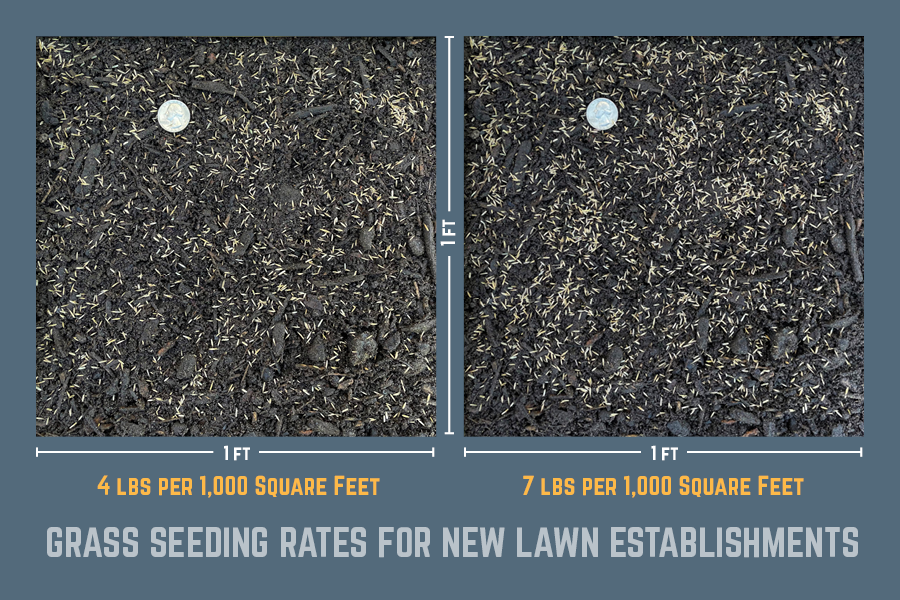
Image Source: alseed.com
Fathoming Your Lawn’s Seeding Requirements
The most critical step in lawn seeding is accurately determining how much grass seed per square foot is recommended. This isn’t a one-size-fits-all answer. Different grass types have different seeding rates, and the purpose of seeding (new lawn vs. overseeding) also plays a significant role.
Calculating Seed Needs: The Foundation
To figure out how to calculate seed needed, you first need to know the total square footage of the area you plan to seed.
Steps to Measure Your Lawn:
- Measure Rectangular Areas: For simple rectangular or square yards, measure the length and width in feet and multiply them together.
- Example: A lawn 50 feet long and 30 feet wide is 50 x 30 = 1500 square feet.
- Measure Irregular Shapes: For yards with curves or odd shapes, break them down into smaller, more manageable geometric shapes (squares, rectangles, triangles). Calculate the area of each shape and then add them together.
- Triangles: Area = (base x height) / 2
- Sketch Your Yard: Drawing a simple map of your yard and marking the dimensions can be very helpful.
Once you have your total square footage, you can consult the seeding recommendations for your chosen grass type.
Grass Seed Coverage Rates
Most grass seed bags will provide coverage information. This is usually stated as “covers X square feet.” However, the rate at which you should apply the seed depends on your goal:
- Seeding a New Lawn: This requires a denser application of seed to ensure good coverage and establish a thick turf from the start. The general recommendation is often around 4-8 pounds of seed per 1000 square feet.
- Overseeding an Existing Lawn: This involves filling in thin spots or improving the density of an established lawn. You can typically use less seed, around 2-4 pounds of seed per 1000 square feet. This is because many grass plants are already present.
Important Note: Always check the specific recommendations on the seed packaging. Different grass species and seed mixes have varying recommended application rates.
Using a Grass Seed Calculator
To simplify the process, many online resources offer a grass seed calculator. These tools are incredibly helpful. You input your lawn’s square footage, and the calculator will often ask for the type of seeding (new lawn or overseeding) and sometimes the specific grass type. It then provides an estimated amount of seed you’ll need in pounds or kilograms.
Example Calculation:
Let’s say your lawn is 1500 square feet.
- For a new lawn: If the recommendation is 6 pounds per 1000 square feet:
- (1500 sq ft / 1000 sq ft) x 6 lbs/1000 sq ft = 1.5 x 6 lbs = 9 pounds of seed.
- For overseeding: If the recommendation is 3 pounds per 1000 square feet:
- (1500 sq ft / 1000 sq ft) x 3 lbs/1000 sq ft = 1.5 x 3 lbs = 4.5 pounds of seed.
Deciphering Lawn Seeding Costs
The lawn seeding cost can vary significantly based on several factors, including the type of seed, the amount needed, and whether you hire a professional or opt for DIY lawn seeding.
Factors Influencing Seed Cost:
- Type of Grass Seed:
- Perennial Ryegrass and Fine Fescue: Generally more affordable.
- Kentucky Bluegrass and Tall Fescue: Often a bit more expensive, especially premium blends.
- Seed Blends: Mixtures of different grass types can offer varied pricing depending on their composition.
- Specialty or Custom Blends: Designed for specific climates or conditions (e.g., shade-tolerant, drought-resistant) can be pricier.
- Quality of Seed: Higher quality seeds often have higher germination rates and fewer weed seeds, making them worth the investment.
- Brand: Different manufacturers have different pricing structures.
- Bag Size: Seed is sold in various bag sizes (e.g., 5 lb, 10 lb, 25 lb, 50 lb). Buying larger quantities often leads to a lower price per pound.
Estimating Your Budget:
To get a rough idea of costs:
- Low-End Seed: You might find basic seed mixes for $1.50 – $3.00 per pound.
- Mid-Range Seed: Quality blends can range from $3.00 – $6.00 per pound.
- Premium Seed: Specialty or high-performance seeds can cost $6.00 – $10.00+ per pound.
Example Cost Scenario (1500 sq ft lawn):
- New Lawn (9 lbs needed, mid-range seed @ $4/lb): 9 lbs x $4/lb = $36
- Overseeding (4.5 lbs needed, mid-range seed @ $4/lb): 4.5 lbs x $4/lb = $18
These figures are just for the seed itself. You may also need to factor in costs for soil preparation, fertilizer, and potentially equipment rental.
Comprehending Lawn Renovation Costs
If your lawn is in very poor condition, a simple overseeding might not be enough. You might need to consider a lawn renovation cost. This typically involves more intensive preparation and potentially a complete overhaul.
Components of a Lawn Renovation:
- Soil Testing: Essential to identify nutrient deficiencies or pH imbalances. Cost: $10 – $50.
- Aeration: Helps relieve soil compaction, allowing air, water, and nutrients to reach the roots. Cost: $100 – $300 for professional service, or $100-$200 for rental.
- Dethatching: Removes the layer of dead grass and debris that can prevent seed-to-soil contact. Cost: $100 – $300 for professional service, or $75-$150 for rental.
- Tilling/Grading: For severe issues, you might need to till the soil and re-grade for proper drainage. This can be a significant expense if hiring professionals.
- Topsoil/Compost: Adding new soil or compost improves the seedbed. Cost varies greatly by quantity, but expect $30 – $100+ per cubic yard.
- Seed: As discussed above.
- Fertilizer: Starter fertilizer is crucial for new grass. Cost: $20 – $50.
- Mulch (optional): Straw or paper mulch can help retain moisture and protect seeds. Cost: $10 – $30.
Rough Estimate for Lawn Renovation:
For a DIY lawn seeding renovation on a moderately sized lawn (say, 1500 sq ft), you could spend anywhere from $150 to $500 depending on the services you perform yourself and the materials you buy. Hiring professionals for aeration, dethatching, and potentially grading can push the cost for a full renovation upwards of $500 – $1,500 or more, depending on the extent of the work.
Choosing the Best Grass Seed for Your Area
Selecting the best grass seed for area is as important as calculating the amount. Different regions and microclimates have specific needs.
Key Considerations for Seed Selection:
- Climate:
- Cool-Season Grasses: Thrive in cooler climates with distinct seasons (e.g., Northern U.S.). Examples include Kentucky Bluegrass, Perennial Ryegrass, Fine Fescues, and Tall Fescue.
- Warm-Season Grasses: Prefer warmer climates and go dormant (turn brown) in the winter (e.g., Southern U.S.). Examples include Bermuda Grass, Zoysia Grass, Centipede Grass, and St. Augustine Grass.
- Sunlight Exposure:
- Full Sun: Most grass types do well with 6-8 hours of direct sunlight.
- Shade: If your lawn has significant shade, look for shade-tolerant varieties like Fine Fescues or certain Tall Fescues.
- Mixed Sun/Shade: Many seed mixes are designed to perform in areas with varying light conditions.
- Water Availability:
- Some grasses are more drought-tolerant than others. Tall fescue and Bermuda grass are generally more drought-resistant once established than Kentucky Bluegrass.
- Traffic Tolerance:
- If your lawn experiences heavy foot traffic, consider Perennial Ryegrass or Tall Fescue, which are known for their durability.
- Desired Appearance:
- Texture: Some grasses have a fine texture (e.g., Fine Fescues), while others are coarser (e.g., some Tall Fescues).
- Color: Grasses vary in their green hue.
- Disease and Pest Resistance: High-quality seed blends often include varieties with built-in resistance to common lawn diseases and pests.
Researching Your Local Options:
Your local extension office or reputable garden centers are excellent resources for identifying the best grass seed varieties for your specific region. They can provide tailored advice based on your local climate, soil types, and common lawn issues.
Seeding a New Lawn vs. Overseeding
The process and seed requirements differ significantly for seeding a new lawn cost versus overseeding.
Seeding a New Lawn:
When seeding a new lawn, you are essentially starting from scratch. This usually involves clearing the existing vegetation (if any), preparing the soil thoroughly, and then applying seed at a higher rate. The goal is to establish a dense, uniform turf from the ground up.
Key Steps for a New Lawn:
- Site Preparation: Remove any existing grass, weeds, rocks, or debris.
- Soil Testing & Amendment: Test your soil and add necessary lime or fertilizers.
- Tilling/Grading: Loosen the soil and ensure proper grading for drainage.
- Seed Application: Apply seed at the recommended rate (usually 4-8 lbs per 1000 sq ft).
- Raking: Lightly rake the seed into the top 1/4 inch of soil.
- Rolling (Optional but Recommended): Lightly roll the area to ensure good seed-to-soil contact.
- Mulching: Apply a thin layer of straw or paper mulch.
- Watering: Keep the seeded area consistently moist until germination and establishment.
The seeding a new lawn cost will be higher due to the intensive preparation and the greater amount of seed required.
Overseeding an Existing Lawn:
Overseeding is a fantastic way to improve the quality and density of an existing lawn without the expense and effort of starting from scratch. It’s a regular part of good lawn care services cost or DIY maintenance.
Key Steps for Overseeding:
- Mow Low: Cut the existing grass shorter than usual.
- Aerate (Recommended): Improves seed-to-soil contact.
- Dethatch (If Necessary): Removes thick thatch layers.
- Seed Application: Apply seed at a lower rate (usually 2-4 lbs per 1000 sq ft), ensuring it can reach the soil.
- Raking: Lightly rake to ensure good seed-to-soil contact.
- Watering: Keep the area moist until germination.
The overseeding lawn cost is generally lower because less seed is used, and the preparation might be less intensive if the existing lawn is in decent shape.
DIY Lawn Seeding vs. Professional Services
Deciding whether to tackle the project yourself or hire a professional involves weighing costs, time, and expertise.
DIY Lawn Seeding:
Pros:
- Cost Savings: Generally much cheaper than hiring professionals, especially for smaller areas.
- Flexibility: You can work on your own schedule.
- Learning Experience: You gain hands-on knowledge of lawn care.
Cons:
- Time Commitment: Requires significant time for research, preparation, and application.
- Physical Labor: Can be physically demanding, especially for larger areas or during peak seasons.
- Potential for Errors: Mistakes in soil preparation or seeding rates can lead to poor results.
- Equipment Needs: May require renting or purchasing tools like aerators or spreaders.
Professional Lawn Care Services Cost:
Hiring a professional lawn care services cost can range widely. For a basic overseeding service on a 1500 sq ft lawn, you might expect to pay anywhere from $150 to $400. This often includes aeration, seeding, and sometimes a starter fertilizer. For a full lawn renovation or seeding a new lawn from scratch, the cost can be significantly higher, potentially $500 to $2,000 or more, depending on the extent of soil work and the size of the area.
Pros:
- Expertise: Professionals have the knowledge to choose the right seed and prepare the soil correctly.
- Efficiency: They have the right equipment and can complete the job quickly.
- Better Results: Often achieve more consistent and successful results.
- Time Savings: Frees up your time for other activities.
Cons:
- Higher Cost: The most significant disadvantage.
- Less Control: You have less direct involvement in the process.
Factors Affecting Seed Germination and Establishment
Even with the correct amount of seed, several factors can impact your success.
Ensuring Good Seed-to-Soil Contact:
This is perhaps the most critical factor for successful germination. Seeds need to be in direct contact with moist soil.
- For New Lawns: Loosened soil, raking the seed in, and light rolling are key.
- For Overseeding: Aeration and dethatching create channels and openings for the seed to reach the soil. Even lightly raking after spreading seed helps immensely.
Watering Regimen:
- During Germination: Keep the top 1/2 inch of soil consistently moist. This might mean light watering multiple times a day, especially in warm or windy conditions.
- After Establishment: Gradually transition to less frequent, deeper watering to encourage deep root growth.
Soil Temperature:
- Grass seed has an optimal soil temperature range for germination. Cool-season grasses typically germinate best when soil temperatures are between 50-65°F (10-18°C). Warm-season grasses prefer soil temperatures of 70-85°F (21-29°C). Planting outside these ranges will significantly reduce germination rates.
Sunlight and Nutrients:
- Ensure the area receives adequate sunlight for the chosen grass type.
- Use a starter fertilizer that is formulated to promote root development.
Frequently Asked Questions (FAQ)
Q1: How do I calculate the square footage of my lawn?
A1: Measure the length and width of rectangular sections and multiply them. For irregular shapes, break them into smaller geometric shapes, calculate their areas, and add them together.
Q2: What is the difference between seeding a new lawn and overseeding?
A2: Seeding a new lawn means starting from scratch with bare soil, requiring more seed and thorough preparation. Overseeding means adding seed to an existing lawn to fill in thin spots and improve density, using less seed and potentially less intensive prep.
Q3: Is it better to DIY lawn seeding or hire a professional?
A3: DIY is more cost-effective but requires more time and effort. Professionals offer expertise and efficiency but at a higher cost. The best choice depends on your budget, time, and desired outcome.
Q4: When is the best time to seed my lawn?
A4: For cool-season grasses, fall is generally the best time, followed by early spring. For warm-season grasses, late spring or early summer is ideal. Avoid seeding during extreme heat or drought.
Q5: How much does it cost to seed a lawn?
A5: The lawn seeding cost varies. For seed alone, expect anywhere from $0.03 to $0.10+ per square foot. Professional services will add labor and expertise costs, typically ranging from $150 to $400+ for overseeding a typical-sized lawn.
By following this guide, you should have a much clearer picture of how much seed you need and what to expect regarding costs for your lawn seeding project. A little planning goes a long way toward achieving a beautiful, healthy lawn!