
A riding lawn mower can last anywhere from 10 to 20 years, or 500 to 1,500 hours of use, depending on its type, maintenance, and how it’s used.
The lifespan of a riding lawn mower is a question on many homeowners’ minds. When you invest in a riding mower, you’re looking for a dependable workhorse that will keep your lawn looking its best for years to come. So, how long can you realistically expect your trusty steed to keep going? The answer, like most things in life, depends on a variety of factors. Let’s delve into what determines the riding mower service life and help you get the most out of your investment.
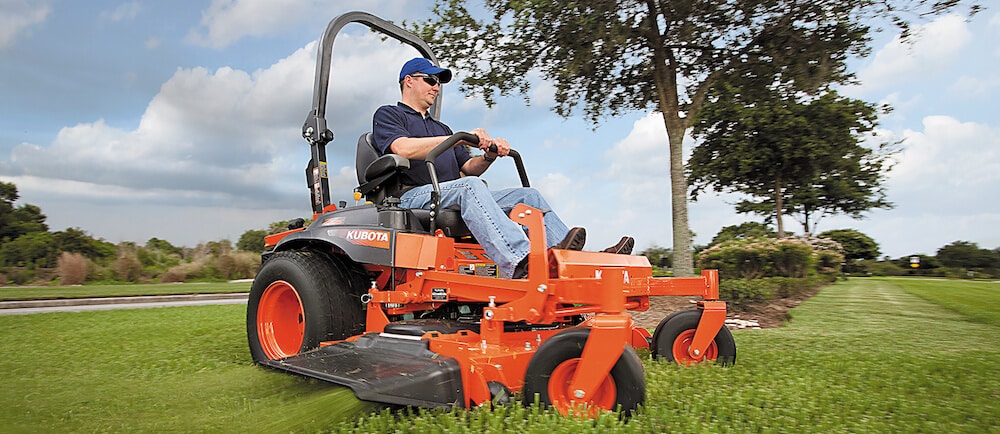
Image Source: www.bobbyfordkubota.com
Fathoming Your Riding Mower’s Durability
The durability of a riding mower isn’t a fixed number. It’s a dynamic equation influenced by numerous elements. From the initial purchase to its final days, each aspect plays a role in its longevity.
Typical Riding Mower Age: A General View
When we talk about a typical riding mower age, we’re looking at a range. For well-maintained machines, 10 years is a common benchmark. However, many can push well beyond that, reaching 15 or even 20 years with diligent care. This lifespan can be significantly shorter if the mower is neglected or constantly pushed to its limits.
How Many Hours on a Riding Mower: The True Measure
While years are a good indicator, how many hours on a riding mower is often a more accurate measure of its usage and potential remaining life. Most residential riding mower engines are designed to last between 500 and 1,000 hours. More robust, commercial-grade models can often exceed 1,500 hours. Keeping track of these hours, perhaps in a logbook, can be incredibly helpful in anticipating maintenance needs and eventual replacement.
Riding Mower Engine Life: The Heart of the Machine
The engine is undeniably the heart of your riding mower. The riding mower engine life is a critical determinant of the mower’s overall lifespan. Most engines will offer a good number of years of service, but their longevity is heavily tied to how they are treated.
- Engine Type: Different engine types have varying lifespans.
- Single-cylinder engines: Often found in smaller, less powerful mowers, these can be reliable but may not last as long as their multi-cylinder counterparts.
- Twin-cylinder engines: These are more common in higher-end tractors and zero-turn mowers. They tend to run smoother, cooler, and often have a longer lifespan due to better weight distribution and cooling.
- Engine Power: While more power can be tempting, engines that are constantly operating at or near their maximum capacity may wear out faster than those that have a bit of reserve power.
- Lubrication: Regular oil changes with the correct grade of oil are paramount for engine health. Dirty or low oil levels lead to increased friction and premature wear.
- Cooling: Proper engine cooling is vital. Clogged cooling fins, debris buildup around the engine, or a faulty cooling fan can cause overheating, significantly shortening engine life.
Riding Mower Deck Lifespan: Battling the Blades
The mower deck is the part of the machine that actually cuts the grass. The riding mower deck lifespan is influenced by the materials used in its construction and the environments it operates in.
- Deck Material: Most decks are made of stamped steel. Higher-quality decks are often made of thicker gauge steel, which is more resistant to bending, rust, and damage from impacts.
- Corrosion: Exposure to moisture, especially from wet grass and dewy conditions, can lead to rust. Storing the mower in a damp environment or failing to clean off grass clippings after use can accelerate deck degradation.
- Impacts: Hitting rocks, roots, or other debris can dent, bend, or even crack the deck, compromising its structural integrity and cutting performance.
- Blade Maintenance: Dull blades force the engine to work harder, which can put extra stress on the deck assembly. Regularly sharpening or replacing blades is important.
Factors Affecting Riding Mower Durability
Many elements contribute to how long your riding mower will last. Let’s explore these key influencers on factors affecting riding mower durability.
1. Maintenance Schedule is Key
The most significant factor in extending the life of your riding mower is adhering to a consistent riding mower maintenance schedule. Regular upkeep prevents small issues from becoming major problems.
Essential Maintenance Tasks:
- Oil Changes: This is non-negotiable. Follow the manufacturer’s recommendations for frequency and oil type.
- Filter Replacements: Air filters, oil filters, and fuel filters all need periodic replacement to ensure optimal performance and prevent contaminants from damaging the engine.
- Spark Plug Checks: Clean or replace spark plugs as recommended. They are crucial for proper ignition and fuel combustion.
- Blade Sharpening and Balancing: Sharp blades cut cleanly and reduce strain on the mower. Balanced blades prevent excessive vibration that can damage the deck and mower components.
- Tire Pressure: Properly inflated tires ensure even weight distribution and a cleaner cut.
- Battery Care: Keep terminals clean and check fluid levels if applicable.
- Greasing: Lubricate all grease fittings regularly, especially on the steering and deck components.
- Cleaning: Thoroughly clean the mower after each use, paying attention to the deck underside, engine cooling fins, and general chassis.
Sample Riding Mower Maintenance Schedule (General Guide)
| Task | Frequency (After Each Use) | Frequency (Every 25-50 Hours) | Frequency (Every 100-200 Hours) | Frequency (Annually) |
|---|---|---|---|---|
| Clean mower | X | |||
| Check tire pressure | X | |||
| Check oil level | X | |||
| Sharpen/balance blades | X | |||
| Change oil & filter | X | |||
| Clean/replace air filter | X | |||
| Check fuel filter | X | |||
| Replace fuel filter | X | |||
| Inspect belts | X | |||
| Lubricate fittings | X | |||
| Check battery | X | |||
| Replace spark plug(s) | X | |||
| Inspect wiring | X |
Note: Always consult your owner’s manual for specific maintenance intervals and recommendations.
2. Type of Riding Mower
The type of riding mower you own significantly impacts its expected lifespan.
Lawn Tractor Lifespan
A lawn tractor lifespan typically ranges from 10 to 15 years, or around 500 to 1,000 hours. These are versatile machines often used for mowing larger areas, but also capable of pulling attachments like carts or dethatchers. Their robust frames and often more powerful engines contribute to their durability when properly maintained.
Zero Turn Mower Longevity
Zero turn mower longevity can also fall within a similar range, 10 to 15 years or 500 to 1,000 hours for residential models. However, the complexity of their steering systems (which provides the zero-turn capability) can sometimes be a point of wear if not properly maintained. Commercial-grade zero-turn mowers, built with heavier-duty components, can often last much longer.
Garden Tractors
While not explicitly requested, it’s worth noting that garden tractors, which are generally more robust than lawn tractors and designed for heavier-duty tasks like tilling and snow-plowing, often have a longer lifespan, potentially 15-20 years or more, with proper care.
3. Usage Patterns and Conditions
How, where, and how often you use your mower plays a huge role.
Terrain Type
- Flat, smooth lawns: These are the easiest on a mower. Minimal stress on the drivetrain, deck, and chassis.
- Hilly or uneven terrain: Requires more effort from the engine and drivetrain. Increased risk of chassis damage from bumps and rollovers.
- Wet grass: Can clog the deck and engine cooling fins, leading to overheating and increased wear. It also puts more strain on the engine to pull through.
- Tall, thick grass: Forcing the mower to cut overgrown grass taxes the engine and blade system, accelerating wear.
Seasonal Use vs. Year-Round Use
While most riding mowers are primarily used for grass cutting, some homeowners utilize them for other tasks year-round (e.g., snow plowing, leaf collection). While this can add value, it also increases the overall wear and tear on the machine. If you’re using attachments, ensure your mower is rated for that type of work.
Storage Conditions
- Proper Storage: Storing your mower in a dry, protected environment like a garage or shed is crucial. This shields it from rain, snow, and extreme temperatures, preventing rust and component degradation.
- Fuel Stabilization: If storing for an extended period (more than a month), it’s wise to use a fuel stabilizer to prevent fuel system issues.
4. Quality of the Mower
Not all riding mowers are created equal. The initial quality of the build and components has a direct impact on its potential lifespan.
- Brand Reputation: Established brands with a reputation for quality often use better materials and more robust engineering.
- Component Quality: The quality of the engine, transmission, deck, and frame materials will determine how well they hold up over time.
- Residential vs. Commercial Grade: Commercial-grade mowers are built to withstand far more rigorous use and are typically made with heavier-duty components, leading to a longer riding mower service life.
When to Replace Your Riding Mower: Signs It’s Time
Even with the best care, all machines eventually reach the end of their useful life. Recognizing the signs that it’s when to replace riding mower is crucial for avoiding costly repairs and frustrating breakdowns.
Common Indicators for Replacement:
- Frequent and Expensive Repairs: If you find yourself constantly fixing the same issues or the cost of repairs starts to approach the price of a new mower, it’s likely time for an upgrade.
- Reduced Performance: A noticeable decrease in cutting quality, power, or speed can indicate significant wear in the engine, transmission, or cutting deck.
- Major Component Failure: The failure of a critical component like the transmission, engine, or a heavily rusted deck is often a sign that the mower’s overall structure is compromised.
- Safety Concerns: If rust has weakened the frame, steering becomes unreliable, or brakes are failing, safety becomes paramount, and replacement is the best option.
- Meeting the Hours Threshold: If your mower has surpassed the typical how many hours on a riding mower it’s designed for, even if it’s running, its reliability will likely decline rapidly.
- Obsolete Technology: Newer mowers often incorporate more fuel-efficient engines, improved ergonomic designs, and advanced features that can make an older mower seem outdated and less efficient.
Calculating the Cost-Effectiveness
Before investing in a new mower, consider a cost-benefit analysis. Add up the cost of repairs over the past few years. If this amount is significant, it might be more economical to put that money towards a new, reliable machine.
Maximizing Your Riding Mower’s Lifespan
The good news is that you have a lot of control over how long your riding mower lasts. By implementing a few key practices, you can significantly extend its riding mower service life.
Proactive Maintenance is Key
As discussed, a diligent riding mower maintenance schedule is your best friend. Don’t wait for something to break; perform preventative maintenance regularly. This includes:
- Regular Inspections: Walk around your mower before and after each use. Look for loose bolts, damaged parts, or leaks.
- Lubrication: Keep all moving parts properly greased.
- Cleanliness: A clean mower is a happy mower. Remove debris that can cause rust or clog vital systems.
Smart Operation Practices
- Avoid Overloading: Don’t try to cut grass that is too tall or too wet. Mow more frequently if necessary.
- Gentle Operation: Avoid sudden starts, stops, and sharp turns, especially on uneven terrain.
- Use the Right Attachments: Ensure any attachments you use are compatible with your mower and don’t exceed its recommended capacity.
- Operate on Appropriate Terrain: Stick to the types of terrain your mower is designed for.
Proper Storage
- Clean Before Storage: Always clean your mower thoroughly before putting it away for the season.
- Fuel System Prep: Treat the fuel with a stabilizer for longer storage periods.
- Protect from Elements: Use a mower cover or store it indoors to protect it from weather.
Investing in Quality
When it’s time to buy, consider investing in a higher-quality mower from a reputable brand. While the upfront cost might be higher, the longer lifespan and fewer repair issues can make it more cost-effective in the long run. Look for features like heavy-gauge steel decks and robust transmissions.
Riding Mower Engine Life: Keeping the Heart Beating
The riding mower engine life is directly linked to how well you treat the engine itself.
- Use the Correct Oil: Always use the oil type and viscosity recommended by the manufacturer.
- Change Oil and Filter Regularly: This is the single most important thing you can do for your engine.
- Keep the Engine Clean: Debris can block cooling fins, causing overheating. Regularly blow or brush away grass clippings and dirt.
- Prevent Fuel Contamination: Use fresh fuel and consider a fuel stabilizer for storage.
- Address Starting Issues Promptly: Don’t force a struggling engine; diagnose the problem.
Riding Mower Deck Lifespan: Preserving the Cutting Edge
The riding mower deck lifespan can be extended by taking good care of it.
- Clean the Underside: After each mow, scrape off accumulated grass clippings. This prevents moisture buildup and rust.
- Inspect for Damage: Regularly check for dents, cracks, or bent areas.
- Prevent Rust: Touch up any paint scratches to prevent rust from forming.
- Balance the Blades: Properly balanced blades reduce vibration that can stress the deck.
Conclusion: A Long and Useful Life
The typical riding mower age can be surprisingly long, often extending to 15 years or more, with some machines proving their worth for two decades. By understanding the factors affecting riding mower durability and committing to a consistent riding mower maintenance schedule, you can ensure your investment provides reliable service for many seasons. Keep an eye on the how many hours on a riding mower milestone, listen to your machine, and know when it’s time for a replacement. With proper care, your riding mower can be a valuable, long-lasting partner for maintaining a beautiful lawn.
Frequently Asked Questions (FAQ)
Q1: How many hours can a riding mower engine last?
A1: A typical residential riding mower engine is designed to last between 500 and 1,000 hours. Commercial-grade engines can often exceed 1,500 hours.
Q2: What is the average lifespan of a lawn tractor?
A2: The average lifespan of a lawn tractor is generally between 10 and 15 years, provided it receives regular maintenance.
Q3: What are the most important maintenance tasks for extending riding mower life?
A3: The most crucial tasks include regular oil changes and filter replacements, keeping the mower clean, sharpening blades, and proper storage.
Q4: Can I use my riding mower for more than just mowing?
A4: Yes, many riding mowers, particularly lawn tractors and garden tractors, can be used with attachments like trailers, aerators, or snow blowers. However, always ensure your mower is rated for the intended task to avoid premature wear or damage.
Q5: When should I consider replacing my riding mower instead of repairing it?
A5: You should consider replacement when repair costs become excessive, major components fail, or safety issues arise due to significant wear and tear.