
So, you have an old lawn mower that’s seen better days. You might be wondering, “What are the best ways to dispose of an old lawn mower?” and “Can I just throw it away?” The answer is generally no, especially for gas-powered models, due to environmental regulations and safety concerns. Fortunately, there are several responsible and safe ways to handle your lawn mower disposal. This guide will walk you through your options for old mower removal, from eco-friendly recycling to responsible disposal.
Getting rid of an old mower can feel like a chore, but by following these steps, you can ensure your old mower removal is done safely and responsibly. We’ll cover everything from preparing your mower to finding the right recycling center or disposal service for your junk mower pickup. Let’s dive into how to get rid of a mower without causing harm to the environment.
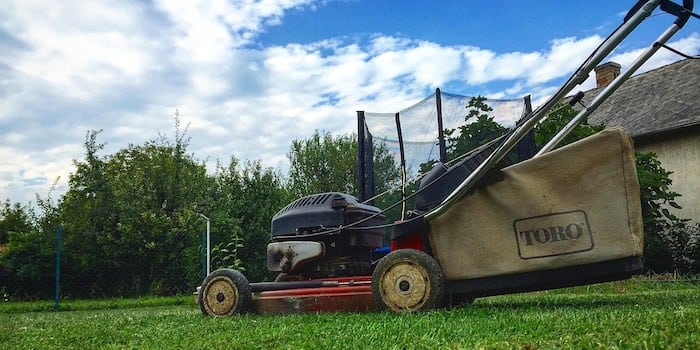
Image Source: goloadup.com
Preparing Your Old Lawn Mower for Removal
Before you can even think about lawn mower disposal, proper preparation is key, especially if it’s a gas-powered unit. This ensures safety during transport and prevents spills or leaks that could harm the environment.
Draining Fuel and Oil (Gas Mowers)
Disposing of a gas mower requires special attention to its fluids. Gasoline and oil are hazardous materials and cannot be disposed of in regular trash.
- Empty the Fuel Tank:
- Start the mower and let it run until it completely runs out of gas. This is the safest method.
- Alternatively, use a siphon pump to carefully drain the remaining fuel into an approved container.
- Never attempt to drain fuel near an open flame or heat source.
- Remove Oil:
- Locate the oil drain plug (refer to your owner’s manual if unsure).
- Place a suitable container beneath the plug.
- Carefully remove the plug and let the oil drain completely.
- Dispose of the used oil at a certified collection center or auto parts store that accepts it.
Disconnecting Batteries (Electric Mowers)
For electric mowers, the process is simpler. Electric mower disposal mainly involves handling the battery.
- Disconnect the Battery:
- Locate the battery pack.
- Disconnect the battery according to the manufacturer’s instructions.
- Many rechargeable batteries contain hazardous materials and require special disposal. Check with local recycling centers for battery disposal guidelines.
Cleaning the Mower
A quick clean-up can make your mower easier to handle and more appealing if you decide to sell or donate it.
- Brush off loose dirt, grass clippings, and debris from the mower deck, wheels, and engine.
- Wipe down the mower body.
Exploring Your Disposal Options
Once your mower is prepped, it’s time to choose the best disposal method. Several avenues exist, ranging from giving it a new life to breaking it down for its raw materials.
Option 1: Selling a Used Mower
If your mower is still in working condition, even if a bit worn, selling a used mower is a great way to recoup some of your investment and prevent it from becoming waste.
- Where to Sell:
- Online Marketplaces: Platforms like Craigslist, Facebook Marketplace, eBay, and local buy/sell groups are popular.
- Local Classifieds: Newspaper ads or community bulletin boards can reach local buyers.
- Garage Sales: A classic way to sell unwanted items.
- Pricing Your Mower:
- Research similar models to get an idea of fair pricing.
- Consider the mower’s age, condition, brand, and features.
- Be realistic; a used mower won’t fetch top dollar.
- Tips for Selling:
- Clean the mower thoroughly.
- Take clear, well-lit photos from multiple angles.
- Provide an honest description, including any known issues.
- Be prepared for haggling.
Option 2: Donating a Lawn Mower
Donating a lawn mower is a charitable act that can benefit community organizations or individuals in need.
- Who Accepts Donations:
- Local Charities: Many organizations that support low-income families, community gardens, or vocational training programs might accept working lawn mowers.
- Schools and Community Centers: Vocational schools might use them for training.
- Habitat for Humanity ReStores: Some ReStores accept lawn equipment.
- Condition Requirements:
- Most organizations require the mower to be in good working order.
- Ensure you’ve drained fuel and oil if it’s a gas mower, as per their guidelines.
- Tax Deductions:
- Donations to registered charities are often tax-deductible. Be sure to get a receipt.
Option 3: Recycling Your Old Mower (Mower Recycling)
Mower recycling is an environmentally responsible choice, especially for mowers that are beyond repair. This process allows valuable materials to be salvaged and reused.
- What Happens During Mower Recycling:
- Mowers are dismantled.
- Metals like steel and aluminum are separated and sent for smelting.
- Plastics are sorted for recycling.
- Hazardous fluids (fuel, oil) are managed and disposed of safely by specialized facilities.
- Finding a Recycling Center:
- Local Waste Management Authority: Contact your city or county’s waste management department. They can often direct you to designated recycling facilities.
- Scrap Metal Yards: Many scrap metal yards accept old lawn mowers, particularly if they are primarily metal. However, ensure they accept whole appliances and ask about their preparation requirements (e.g., drained fluids).
- Appliance Recycling Programs: Some communities have specific programs for recycling large appliances, which may include lawn mowers.
- Specialized E-Waste Recyclers: For electric mowers, e-waste recycling centers are ideal as they are equipped to handle batteries and electronics.
Option 4: Junk Mower Pickup Services
If you prefer a hassle-free option and don’t have the time or means to transport the mower yourself, consider a junk mower pickup service.
- How Junk Removal Services Work:
- You contact the service and schedule a pickup.
- They provide an estimate based on the item’s size and weight.
- Their team arrives, loads the mower, and hauls it away.
- Benefits:
- Convenience: They do all the heavy lifting and transport.
- Efficiency: They often handle the disposal or recycling process for you.
- Cost Considerations:
- These services typically charge a fee. Get quotes from several providers to compare prices.
- Factor in whether the fee includes disposal or just pickup.
Option 5: Taking it to the Landfill (Last Resort)
Taking your mower to a landfill should be your last resort. Many landfills have specific procedures for appliances, and some may not accept them at all. Furthermore, this is the least environmentally friendly option.
- Check Local Regulations:
- Contact your local landfill or transfer station to inquire about their policies regarding lawn mower disposal.
- Some may charge a special fee for appliance disposal.
- Preparation:
- You will likely still need to drain fuel and oil from gas mowers.
- Ensure the mower can be safely transported and unloaded.
Special Considerations for Different Mower Types
While the general principles apply, there are slight differences in how to handle different types of mowers.
Disposing of a Gas Mower
Disposing of a gas mower is the most complex due to its internal combustion engine and hazardous fluids.
- Prioritize Fluid Drainage: As mentioned, safely draining all gasoline and oil is paramount. Contaminated soil or water sources from improper disposal can have severe environmental consequences.
- Engine Oil Disposal: Used motor oil is a hazardous waste. It can contaminate groundwater if not disposed of properly. Many auto parts stores and service stations accept used motor oil for recycling.
- Gasoline Disposal: Small amounts of leftover gasoline can sometimes be mixed with regular fuel in a car (if it’s very old and degraded), but this should be done cautiously and in moderation. For larger quantities, professional hazardous waste disposal is the safest route.
- Scrap Metal Value: Gas mowers are heavy on metal components. If you’re taking it to a scrap metal yard, ensure it’s drained as per their requirements.
Electric Mower Disposal
Electric mower disposal is generally more straightforward, but battery management is key.
- Battery Recycling: The rechargeable batteries in electric mowers can contain heavy metals and other materials that require specialized recycling. Look for battery recycling drop-off points at electronics stores, municipal recycling centers, or dedicated battery recyclers.
- No Fuel or Oil Concerns: The absence of gasoline and oil simplifies the process, making it less hazardous from a fluid perspective.
- Metal and Plastic Components: Like gas mowers, electric mowers contain metal and plastic parts that can be recycled.
Riding Mowers and Garden Tractors
Larger mowers present a bigger challenge due to their size and weight.
- Similar Fluid Procedures: If it’s a gas-powered riding mower, follow the same fuel and oil draining procedures as a walk-behind gas mower.
- Transportation: Moving a riding mower often requires a trailer or a truck with a ramp. This might influence your choice of disposal method, making pickup services or donation drop-offs more attractive.
- Scrap Metal: Riding mowers are substantial sources of scrap metal. Scrap yards are often equipped to handle these larger items.
The Value of Mower Recycling and Scrap Metal
Mower recycling is more than just disposal; it’s about resource recovery. Old lawn mowers are a good source of valuable materials.
What Materials Can Be Recovered?
- Steel: The mower deck, frame, wheels, and engine components are often made of steel. Steel is highly recyclable and can be used to create new metal products.
- Aluminum: Some mower parts, like engine casings or wheel rims, may be made of aluminum, which is also a valuable recyclable material.
- Copper: Copper wiring can be found in the mower’s electrical components (for electric models) or ignition systems.
- Plastics: Mower housing, wheels, and other components are often made of plastic, which can be sorted and recycled.
- Other Recyclables: Batteries (especially from electric mowers), tires (from riding mowers), and even small amounts of other metals can be recovered.
Why is Scrap Metal Lawn Mower Valuable?
Taking your mower to a scrap metal lawn mower recycler can sometimes earn you a small amount of money, depending on the current market rates for scrap metal. More importantly, it diverts a significant amount of metal from landfills, saving energy and resources compared to mining and processing virgin ore.
Legal and Environmental Considerations
Responsible disposal isn’t just good practice; it’s often a legal requirement.
- Environmental Protection: Improper disposal of fuels, oils, and batteries can contaminate soil and water. Hazardous materials in landfills can leach into the groundwater, posing risks to ecosystems and human health.
- Local Ordinances: Many municipalities have specific rules about how appliances and yard equipment should be disposed of. Violating these can result in fines.
- Manufacturer Take-Back Programs: While less common for lawn mowers compared to electronics, it’s worth checking if the manufacturer offers any recycling or trade-in programs.
Table: Disposal Method Comparison
To help you decide, here’s a quick comparison of common disposal methods:
| Disposal Method | Pros | Cons | Best For |
|---|---|---|---|
| Selling a Used Mower | Earn money, give mower a new life | Requires effort to market and sell, mower must be working | Mowers in good working condition |
| Donating a Lawn Mower | Charitable act, potential tax deduction | Mower usually needs to be in working order, requires transport | Mowers in good working condition that you want to give to a good cause |
| Mower Recycling | Environmentally friendly, material recovery | May involve transport, some centers charge fees | Mowers beyond repair, for responsible material salvage |
| Junk Mower Pickup | Convenient, no effort required by owner | Costs money, less direct environmental control | Those seeking convenience and willing to pay for it |
| Landfill (Last Resort) | Accessible for some | Least environmentally friendly, potential fees, restrictions | When no other options are feasible, but discouraged |
Frequently Asked Questions About Old Lawn Mower Disposal
Here are some common questions people have when it comes to lawn mower disposal:
Q1: Do I have to drain the gas and oil from my mower before disposing of it?
A1: Yes, if it’s a gas-powered mower. Gasoline and oil are hazardous materials and can contaminate the environment if not handled properly. Most recycling centers and disposal services will require you to drain these fluids.
Q2: Can I put my old lawn mower in my regular trash bin?
A2: Generally, no. Old lawn mowers, especially gas-powered ones, are considered bulk waste or potentially hazardous waste and are not accepted in regular trash collection.
Q3: Where can I take my lawn mower for recycling?
A3: You can typically take your mower to local recycling centers, scrap metal yards, municipal waste transfer stations, or specialized appliance recycling facilities. Always call ahead to confirm they accept lawn mowers and to ask about their specific preparation requirements.
Q4: Is it legal to just leave an old lawn mower on the curb?
A4: No, it is usually illegal and irresponsible to abandon an old lawn mower. This can be considered illegal dumping and may result in fines. Plus, it’s an eyesore and can be an environmental hazard.
Q5: What if my electric mower has a battery? How do I dispose of that?
A5: Batteries from electric mowers are considered hazardous waste and require special disposal. You should take them to a designated battery recycling drop-off point, often found at electronics stores, community recycling centers, or hazardous waste collection events.
Q6: Can I sell a lawn mower that needs some repairs?
A6: Yes, you can sell a mower that needs minor repairs, but you must be upfront and honest about its condition with potential buyers. Clearly state what needs fixing.
Q7: Are there any services that pick up old lawn mowers?
A7: Yes, many junk removal services offer junk mower pickup. These companies will come to your home, load the mower, and haul it away for disposal or recycling.
Q8: What are the environmental impacts of improper lawn mower disposal?
A8: Improper disposal can lead to soil and water contamination from leaking fuel and oil. Batteries can release heavy metals. Landfilling these items also takes up valuable space and wastes recyclable materials.
By carefully considering these options and taking the necessary preparatory steps, you can ensure your old mower is removed safely and responsibly, contributing to a cleaner environment and a more sustainable community.