
When your trusty lawn mower finally gives up the ghost, you might wonder: “How do you dispose of old lawn mowers responsibly?” You can’t just toss them in the regular trash. Proper disposal is key to protecting the environment and often involves checking local regulations for lawn mower recycling or proper lawn mower disposal.
Dealing with an old, broken-down lawn mower can feel like a chore in itself. But instead of letting it become an eyesore or a potential hazard, there are many environmentally friendly lawn mower disposal options available. From lawn mower scrap metal recovery to finding new homes for usable machines, you have choices. Let’s explore the best ways to handle your unwanted yard equipment.
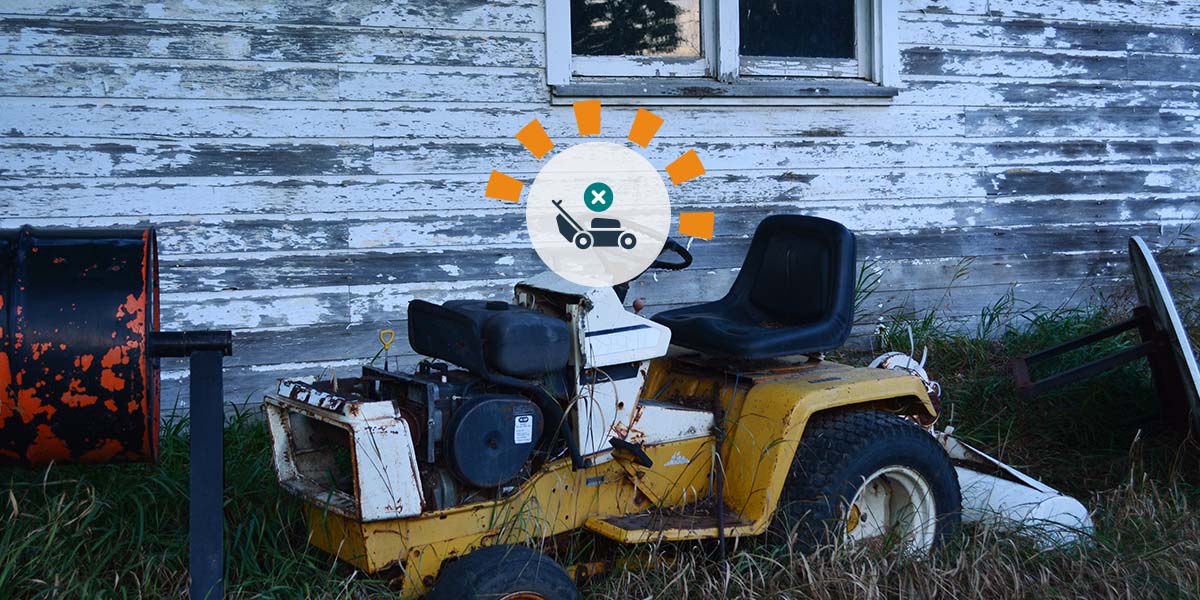
Image Source: dumpsters.com
Options for Disposing of Unusable Lawn Mowers
Finding the right way to get rid of an old mower is important. You want to make sure it’s done safely and without harming the planet. Here are some of the most common and responsible methods for disposing of unusable lawn mower units.
1. Lawn Mower Recycling Centers
Lawn mower recycling is a fantastic way to go. Many recycling facilities are equipped to handle the various materials found in lawn mowers, such as metal, plastic, and even fluids.
- What they take: Most centers accept ride-on mowers, push mowers, and even electric models.
- How it works: You’ll typically need to transport the mower to the center. Some may charge a small fee, while others offer it for free. They will then break down the mower, separating materials for reuse.
- Environmental benefits: Recycling keeps valuable metals out of landfills and reduces the need to mine new resources.
2. Scrap Metal Dealers
Lawn mowers are largely made of metal, making them prime candidates for scrap yards. A lawn mower scrap metal dealer will pay you for the metal content.
- What to expect: You’ll need to remove any non-metal parts, like plastic housing, rubber tires, and fluids, before taking it to the dealer. Some dealers might even take the whole unit.
- Preparation is key: Draining fuel and oil is usually required. Check with the dealer about their specific preparation guidelines.
- Monetary return: While you won’t get rich, you can often get a little cash for the metal.
3. Local Waste Management and Transfer Stations
Your local government or waste management authority often has specific guidelines for disposing of bulky items like lawn mowers.
- Check local rules: Some areas have designated drop-off days or specific locations for this type of disposal. It’s crucial to call your local sanitation department or check their website.
- Fees may apply: There might be a small fee for disposing of a lawn mower at a transfer station.
- Hazardous materials: Be aware that some stations may require you to drain fluids like gasoline and oil beforehand.
4. Junk Removal Services
If you’re looking for a hassle-free option, consider hiring a junk lawn mower removal service. These companies will pick up the mower from your property.
- Convenience: This is ideal if you don’t have a vehicle capable of transporting the mower or simply want someone else to handle the heavy lifting.
- Cost: Expect to pay a fee for their service, which usually includes transportation and disposal.
- Responsible disposal: Reputable junk removal services will ensure the mower is disposed of or recycled properly.
5. Landfill Lawn Mower Disposal (Last Resort)
Landfill lawn mower disposal should be your last resort. While it might seem like the easiest option, it’s the least environmentally friendly.
- Environmental impact: Landfills are already overflowing, and sending bulky items like lawn mowers contributes to this problem. Plus, leaking fluids can contaminate soil and water.
- Regulations: Many landfills have specific rules about what they will accept, and some may not take lawn mowers at all, especially if they contain hazardous materials.
- Preparation: If you must use a landfill, always drain all fluids and remove batteries first.
Addressing Hazardous Waste Lawn Mower Components
Lawn mowers, especially gas-powered ones, contain components that are considered hazardous waste lawn mower. These need special attention during disposal.
Fuel and Oil
- Gasoline and oil: Leftover fuel and motor oil are flammable and toxic. They should never be poured down drains or into the environment.
- Disposal: Many auto parts stores or local hazardous waste collection sites accept used motor oil and gasoline. Some recycling centers that take lawn mowers also handle these fluids.
Batteries
- Types: Lawn tractors and some electric mowers have batteries. These often contain lead and acid, which are hazardous.
- Disposal: Car battery recycling centers or designated battery drop-off points are the best places for battery disposal. Many retailers that sell batteries also accept them for recycling.
Options for Usable Old Lawn Mowers
What if your lawn mower still works, or is easily repairable? You have more options than just disposal!
1. Selling Your Used Lawn Mower
If your mower is in good working condition, selling used lawn mower is a great way to recoup some of your investment and give it a second life.
- Online marketplaces: Websites like Craigslist, Facebook Marketplace, and eBay are popular platforms.
- Local classifieds: Community newspapers or bulletin boards can also be effective.
- Prepare for sale: Clean the mower thoroughly, fix any minor issues, and be honest about its condition and history. A good set of photos and a clear description will help.
2. Donating Your Old Lawn Mower
Donating old lawn mower units to charities or community organizations can be a rewarding experience.
- Who accepts them: Local churches, community centers, vocational schools (for mechanic training), or Habitat for Humanity ReStores might be interested.
- Benefits: Your donation can help someone in need or support valuable training programs.
- Check requirements: Always call ahead to confirm that the organization accepts lawn mowers and to arrange a drop-off or pickup.
3. Giving it Away
Sometimes, simply offering your mower for free to a neighbor, friend, or family member who needs one is the easiest and most helpful solution.
- Community groups: Post on local social media groups or community forums that you’re giving it away.
- “Free to a good home”: Label it clearly if you leave it on your curb with a sign.
Preparing Your Lawn Mower for Disposal
No matter which disposal method you choose, proper preparation is crucial. This ensures safety and compliance with local regulations.
Draining Fluids
- Gasoline:
- Start the mower and let it run until it stops from lack of fuel. This removes most of the gas from the tank and carburetor.
- If there’s still fuel, use a siphon pump to carefully remove it into an approved container.
- Oil:
- Warm up the engine slightly by running it for a few minutes.
- Locate the oil drain plug (usually on the bottom of the engine).
- Place a suitable container underneath the plug.
- Remove the plug and let all the oil drain out.
- Dispose of the used oil at a local auto parts store or a hazardous waste collection site.
Removing the Battery
- Electric mowers and riding mowers: If your mower has a battery, disconnect the negative terminal first, then the positive terminal.
- Safe removal: Wear gloves and eye protection. Place the battery in a secure container.
- Recycling: Take the battery to a battery recycling center.
Removing Other Components
- Spark plug: While not hazardous, it’s a good practice to remove the spark plug.
- Blades: Lawn mower blades can be sharp. Handle them with care, wearing thick gloves. Some scrap metal dealers may ask you to remove them.
Lawn Mower Scrap Metal: What Happens to It?
When you take your mower to a scrap metal dealer, it gets processed for its valuable metal content.
The Recycling Process
- Sorting: Scrap yards often sort metals into different categories (e.g., ferrous metals like steel and iron, and non-ferrous metals like aluminum).
- Shredding/Baling: Larger pieces might be shredded or baled to make them easier to transport and process.
- Melting: The metal is then sent to foundries to be melted down.
- Reforming: The molten metal is cast into new shapes and used to create new products, from car parts to new appliances.
Types of Metals in a Lawn Mower
- Steel: The main body, deck, and wheels are usually made of steel.
- Aluminum: Some engine parts, wheels, or casings might be made of aluminum.
- Copper: Found in the engine’s wiring and motor.
This lawn mower scrap metal recovery process significantly reduces the need for new metal extraction, saving energy and reducing pollution.
Choosing the Most Responsible Disposal Method
The best method for proper lawn mower disposal depends on your mower’s condition, your local resources, and your personal preferences.
Factors to Consider
- Condition of the mower: Is it working, repairable, or completely beyond use?
- Local availability: What recycling centers, scrap yards, or hazardous waste facilities are nearby?
- Convenience: Do you prefer to drop it off yourself, or would you rather pay for a pickup service?
- Cost: Are there fees associated with certain disposal methods?
- Environmental impact: Which option minimizes harm to the environment?
A Comparison of Methods
| Disposal Method | Pros | Cons | Best For |
|---|---|---|---|
| Lawn Mower Recycling | Environmentally friendly, material recovery | Requires transport, potential small fees | Mowers that are no longer functional, valuable metal recovery |
| Scrap Metal Dealer | Recovers metal, potential small payment | Requires preparation (fluid draining, parts removal) | Mowers with significant metal content, when you want to get a little cash back |
| Local Waste Management | Often state-regulated, clear drop-off points | May involve fees, specific drop-off times/locations | Situations where recycling centers are scarce, or for bulky waste disposal |
| Junk Removal Service | Very convenient, handles all the work | Can be more expensive | When you need a quick and easy solution, or lack transport/time |
| Selling Used Lawn Mower | Recoups cost, gives mower a new life, good for environment | Requires effort to sell, needs a functional or easily repairable mower | Mowers that are in working condition or require minor repairs |
| Donating Old Lawn Mower | Supports charities, helps others, rewarding | Requires finding a suitable recipient, potential pickup needed | Mowers that are still functional but you no longer need, desire to help others |
| Landfill Disposal | Simple (if allowed) | Least environmentally friendly, potential fees, last resort | When no other options are available and local regulations permit, after proper prep |
Frequently Asked Questions (FAQ)
Can I put my old lawn mower in the regular trash?
Generally, no. Most municipal trash services do not accept large items like lawn mowers, especially if they contain hazardous fluids like gasoline and oil. It’s considered bulky waste and requires special handling.
Is it illegal to throw away a lawn mower improperly?
While not always strictly “illegal” in every jurisdiction, it is highly discouraged and often violates local waste disposal ordinances. Improper disposal can lead to environmental contamination and fines.
How do I find a local lawn mower recycling center?
You can search online for “lawn mower recycling near me” or “appliance recycling [your city/county]”. Your local government’s waste management or public works department website is also a great resource for finding approved disposal and recycling facilities.
What if my lawn mower has a full tank of gas?
You must drain the gasoline before disposing of or recycling your lawn mower. Gasoline is a flammable and hazardous material. Collect it in an approved container and take it to a hazardous waste collection site or a facility that accepts used gasoline.
Do I need to remove the blade before taking it for scrap metal recycling?
Some scrap metal dealers may prefer or require the blade to be removed due to safety concerns. Always check with the specific scrap yard beforehand. Wear thick gloves if you do remove it.
By following these guidelines, you can ensure that your old lawn mower is disposed of in a way that is both responsible and beneficial to the environment.