
Is your brand-new lawn looking sad and yellow instead of lush and green? A yellowing new lawn can be disheartening, but it’s often a sign of a fixable problem. The most common reasons for a new lawn turning yellow include nitrogen deficiency, overwatering lawn, underwatering lawn, soil pH imbalance, lawn diseases, fungal infections lawn, insect infestation lawn, poor soil drainage, lack of sunlight lawn, and herbicide damage lawn.
This article will delve into each of these potential causes, offering practical solutions to help you restore your lawn’s vibrant green color and ensure its healthy growth.
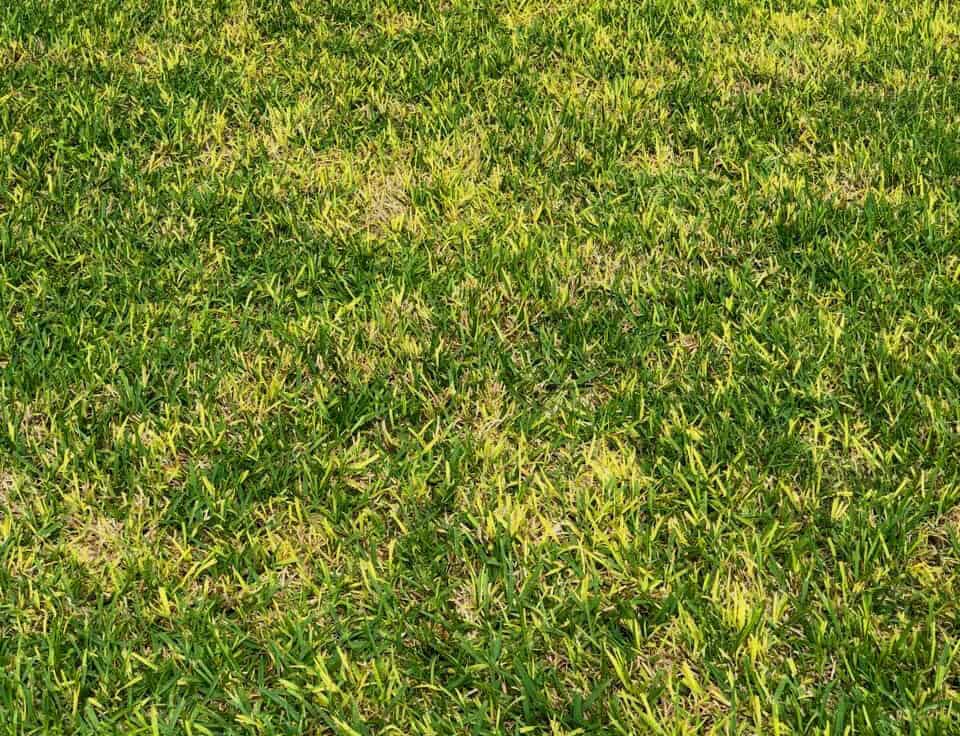
Image Source: emeraldlawns.com
Deciphering the Yellow Hue: Common Culprits
When a new lawn starts to yellow, it’s crucial to act quickly. The sooner you identify the cause, the easier it will be to correct. Let’s explore the most frequent reasons behind this unwelcome color change.
Nitrogen Deficiency: The Hunger Pangs of Grass
Nitrogen is the powerhouse nutrient for grass. It’s vital for chlorophyll production, which is what gives grass its green color. If your lawn is yellowing, especially the older blades or the tips of the grass, it could be a sign of nitrogen deficiency. Young grass needs a good start, and if the soil lacks nitrogen, the grass simply can’t photosynthesize effectively, leading to a pale, yellow appearance.
Signs of Nitrogen Deficiency:
- Overall paleness: The entire lawn may look sickly and light green to yellow.
- Yellowing from the tips down: Older grass blades are often affected first.
- Slow growth: The grass won’t be growing as vigorously as it should.
Solutions for Nitrogen Deficiency:
- Apply a nitrogen-rich fertilizer: Look for fertilizers with a higher first number in the N-P-K ratio (e.g., 20-5-10). For new lawns, a starter fertilizer is often recommended as it contains phosphorus for root development and nitrogen for initial growth.
- Timing is key: Apply fertilizer when the grass is dry, and water it in thoroughly. Avoid fertilizing during extreme heat or drought.
- Follow instructions: Always adhere to the application rates on the fertilizer packaging to avoid burning the grass.
Overwatering Lawn: Drowning Your Dreams of Green
While grass needs water, too much of a good thing can be detrimental. Overwatering lawn can lead to several problems, including root rot and nutrient leaching, both of which can cause yellowing. When soil is constantly saturated, the roots can’t breathe and begin to suffocate. This stress manifests as yellowing grass. Furthermore, excessive water can wash away essential nutrients from the soil, including nitrogen.
Signs of Overwatering:
- Yellowing with a spongy feel: The lawn might feel soft and spongy underfoot.
- Mushrooms: Frequent appearance of mushrooms can indicate overly moist conditions.
- Shallow root development: Roots stay near the surface because they don’t need to search for water.
- Yellowing concentrated in certain areas: Often where water collects.
Solutions for Overwatering:
- Check soil moisture: Stick your finger about 2-3 inches into the soil. If it feels wet, hold off on watering.
- Water deeply and less frequently: Aim for about 1 inch of water per week, delivered in one or two deep watering sessions rather than short, frequent sprinklings. This encourages deeper root growth.
- Improve drainage: If your lawn consistently stays wet, consider amending the soil with compost or using aeration to improve water penetration. Ensure your lawn has a slight slope to allow excess water to run off.
Underwatering Lawn: The Thirst Trap
On the flip side, not giving your new lawn enough water can also cause it to turn yellow. Underwatering lawn means the grass can’t absorb nutrients from the soil, and its cells begin to dry out. This stress response often shows up as a dull, yellowing color, and the grass blades may look wilted and dry.
Signs of Underwatering:
- Dull, grayish-green color: The grass loses its vibrancy.
- Footprints remain: If you walk on the grass and the blades don’t spring back up, it’s likely thirsty.
- Wilting and browning tips: The edges of the blades start to dry and curl.
Solutions for Underwatering:
- Water deeply and consistently: Ensure your watering schedule provides enough moisture for the roots to access.
- Adjust watering based on weather: During hot, dry periods, you’ll need to water more frequently.
- Monitor soil moisture: As with overwatering, check the soil moisture levels. The goal is moist, not waterlogged.
Soil pH Imbalance: An Unwelcome Environment
Soil pH is a measure of how acidic or alkaline your soil is. Most grass types prefer a slightly acidic to neutral pH, typically between 6.0 and 7.0. If the soil pH imbalance is too high (alkaline) or too low (acidic), it can prevent the grass from absorbing essential nutrients from the soil, even if those nutrients are present. This nutrient lockout leads to deficiencies and, consequently, yellowing grass.
Signs of Soil pH Imbalance:
- General yellowing: The entire lawn might be affected.
- Stunted growth: The grass grows poorly.
- Patchy appearance: Some areas might be greener than others.
Solutions for Soil pH Imbalance:
- Test your soil: Get a soil test kit from your local garden center or extension office. This will tell you your current pH and what amendments are needed.
- Adjust pH gradually:
- To lower pH (make more acidic): Add elemental sulfur.
- To raise pH (make more alkaline): Add lime.
- Apply amendments correctly: Follow the recommended application rates from your soil test results. It’s best to apply amendments in the fall or spring.
Lawn Diseases: The Silent Invaders
Several lawn diseases, often caused by fungal infections lawn, can attack new grass, causing it to turn yellow. These diseases thrive in specific environmental conditions, such as excessive moisture or poor air circulation. Once established, they can spread rapidly, turning healthy green patches into unsightly yellow or brown areas.
Common Lawn Diseases and Their Signs:
- Dollar Spot: Small, straw-colored or bleached spots about the size of a silver dollar. You might see a “webbing” on the grass in the early morning.
- Brown Patch: Circular patches of brown or yellowish grass, often with a darker border. The individual blades may have a “frog-eye” pattern.
- Pythium Blight: Appears as water-soaked areas that quickly turn yellow and then brown, especially in hot, humid weather. It can spread rapidly.
Solutions for Lawn Diseases:
- Improve air circulation: Aerate your lawn to reduce compaction.
- Water correctly: Avoid overwatering and water in the morning so the grass can dry off during the day.
- Fertilize appropriately: A balanced fertilization program helps grass stay healthy and resist disease.
- Apply fungicides: If you identify a specific fungal infection, use a fungicide labeled for that disease. Follow product instructions carefully.
Insect Infestation Lawn: The Hidden Feeders
Sometimes, the culprit isn’t a disease but tiny pests. An insect infestation lawn can cause significant damage to new grass. Grubs, chinch bugs, and sod webworms are common culprits that feed on grass roots or blades, leading to yellowing and, eventually, browning and death of the grass.
Common Pests and Their Signs:
- Grubs: These C-shaped larvae feed on grass roots, causing irregular brown patches that feel spongy and can be easily lifted like a carpet.
- Chinch Bugs: These small insects suck the sap from grass blades, causing irregular yellow to brown patches that often appear in sunny areas.
- Sod Webworms: Moth larvae that feed on grass blades, leaving behind chewed, ragged-looking patches that turn yellow and then brown.
Solutions for Insect Infestation:
- Identify the pest: Carefully examine your lawn for signs of insects, especially in the affected areas.
- Apply appropriate insecticides: Use an insecticide specifically formulated for the pest you’ve identified. Granular or liquid applications are common.
- Timing matters: Apply treatments when the insects are most active and vulnerable.
- Consider beneficial nematodes: For grub control, beneficial nematodes are a natural and effective option.
Poor Soil Drainage: The Waterlogged Problem
Poor soil drainage is a significant issue that can indirectly lead to yellowing grass. If water sits on the surface for extended periods, it suffocates the grass roots, preventing them from accessing oxygen. This lack of oxygen stresses the grass, making it susceptible to diseases and nutrient deficiencies, both of which can manifest as yellowing. Heavy clay soils are particularly prone to poor drainage.
Signs of Poor Soil Drainage:
- Standing water after rain or watering: Puddles that don’t disappear quickly.
- Moss and weeds that thrive in wet conditions: These often indicate persistent moisture.
- Shallow root systems: Roots struggle to grow deep in waterlogged soil.
Solutions for Poor Soil Drainage:
- Aeration: This process creates small holes in the soil, allowing water and air to penetrate more easily.
- Amend the soil: Mix in organic matter like compost to improve soil structure and drainage.
- Install drainage systems: For severe cases, consider French drains or regrading the lawn.
- Choose drought-tolerant grass types: If drainage is a persistent problem, select grass varieties that can tolerate wetter conditions better.
Lack of Sunlight Lawn: The Shade Sufferers
Grass, like most plants, requires sunlight for photosynthesis. If your new lawn is planted in an area with lack of sunlight lawn due to overgrown trees, buildings, or other obstructions, it may struggle to thrive and can turn yellow. Grass adapted for full sun will become weak and pale in deep shade.
Signs of Lack of Sunlight:
- Yellowing in shaded areas: The grass in the sunnier spots might look fine.
- Thin, weak growth: The grass blades are often spindly.
- Increased susceptibility to diseases: Weakened grass is more prone to problems.
Solutions for Lack of Sunlight:
- Prune trees and shrubs: Trim back branches that are blocking sunlight from reaching the lawn.
- Consider shade-tolerant grass varieties: If the area is permanently shaded, choose grass types that are specifically bred to grow in low-light conditions.
- Reduce lawn area: In areas of deep shade, consider alternative ground covers or hardscaping.
Herbicide Damage Lawn: The Chemical Overreaction
Accidental application of herbicides or using the wrong type of herbicide on a new lawn can cause significant damage, resulting in yellowing. Herbicide damage lawn occurs when the chemicals disrupt the grass’s growth processes. New grass seedlings are particularly sensitive to herbicides, and even a mild application can cause them to turn yellow or brown.
Signs of Herbicide Damage:
- Streaking or discoloration: Yellowing often appears in patterns where the herbicide was applied unevenly.
- Stunted growth: The grass stops growing or grows very slowly.
- Leaf twisting or distortion: The grass blades may bend or curl unnaturally.
Solutions for Herbicide Damage:
- Identify the herbicide: If you suspect herbicide damage, try to determine what chemical was used and when.
- Water thoroughly: This can help to dilute and wash away some of the herbicide residue.
- Wait and observe: In mild cases, the grass may recover on its own.
- Reseed affected areas: If the damage is severe, you may need to remove the damaged grass and reseed the area.
- Avoid using herbicides on new lawns: It’s generally best to wait until the grass is well-established before applying any herbicides.
A Diagnostic Checklist for Your Yellow Lawn
To help you pinpoint the problem, here’s a quick checklist:
| Symptom | Possible Cause(s) |
|---|---|
| Overall paleness, older blades yellow first | Nitrogen deficiency |
| Yellowing with spongy feel, mushrooms present | Overwatering lawn, poor soil drainage |
| Dull, grayish-green, footprints remain | Underwatering lawn |
| General yellowing, stunted growth | Soil pH imbalance, nutrient deficiency |
| Circular patches, “frog-eye” pattern | Brown Patch (fungal infection) |
| Small, bleached spots | Dollar Spot (fungal infection) |
| Irregular yellow/brown patches, easily lifted | Grub infestation, poor root development |
| Yellow/brown patches in sunny areas | Chinch bug infestation |
| Yellowing in shaded areas, thin growth | Lack of sunlight lawn |
| Streaky yellowing, twisted blades | Herbicide damage lawn |
| Standing water, persistent wetness | Poor soil drainage |
Putting Your Lawn Back on the Green Path: Proactive Care
Preventing yellowing is always easier than fixing it. Here are some general tips for establishing a healthy, green new lawn:
- Choose the right grass seed: Select a variety suited to your climate, soil type, and sunlight conditions.
- Prepare the soil properly: Amend the soil with compost before seeding to improve structure and nutrient content.
- Water consistently: Water new seed or sod regularly to keep the top inch of soil moist until germination and establishment.
- Fertilize at the right times: Use a starter fertilizer after seeding and follow a regular fertilization schedule as recommended for your grass type.
- Mow correctly: Mow at the highest recommended height for your grass type, and never remove more than one-third of the blade at a time.
- Aerate and dethatch regularly: These practices improve soil health and reduce thatch buildup, which can contribute to disease and insect problems.
Frequently Asked Questions About Yellow New Lawns
Q1: My new lawn is turning yellow, but it’s only been a week. What could be wrong?
A week is very early for most problems to manifest significantly, but initial shock from transplanting (if it’s sod) or poor seed-to-soil contact can cause some temporary stress, leading to slight yellowing. Ensure it’s getting adequate, but not excessive, water. If it’s seed, check that it’s not drying out too quickly.
Q2: Can I use a weed and feed product on my new lawn?
It is strongly advised not to use weed and feed products on new lawns (seed or sod). These products contain herbicides that can severely damage or kill young grass. Wait until your lawn is at least a few months old and well-established before considering any herbicide applications.
Q3: How much water does a new lawn really need?
A new lawn needs consistent moisture, especially during the germination and establishment phases. For seeded lawns, keep the top inch of soil moist, which might mean watering multiple times a day in hot weather. For sod, water deeply to settle the sod and encourage root growth into the soil. Once established, you can transition to deeper, less frequent watering.
Q4: I found white, powdery stuff on my grass blades. What is it?
White, powdery mildew is a common lawn disease, especially in shady or humid conditions. It’s usually a cosmetic issue and doesn’t kill the grass, but it can weaken it. Improving air circulation, watering in the morning, and ensuring adequate sunlight can help. In severe cases, a fungicide might be necessary.
Q5: My lawn is yellow in patches, and I can lift these patches easily like a carpet. What’s causing this?
This is a classic sign of grub infestation. Grubs feed on the grass roots, severing their connection to the soil, which is why the turf can be lifted easily. You’ll need to treat the lawn with a grub control product.
By carefully observing your lawn, considering the environmental factors, and using this guide, you can effectively diagnose and treat the cause of your new lawn’s yellowing, guiding it back to a healthy, vibrant green.