
Does your lawn look sad, patchy, or just not as green as you’d like? You might be wondering if it needs lime. Yes, your lawn might need lime if its soil is too acidic. Lime helps balance the soil’s pH, which is crucial for healthy grass. Knowing when to add lime is a key part of good lawn care.
Many common lawn problems stem from unbalanced soil. A soil that’s too acidic can prevent your grass from getting the nutrients it needs, even if you’re lawn fertilization is on point. This is where lime comes in. It’s a natural soil amendment that raises soil pH, making it more hospitable for grass roots. But how can you tell if your lawn is truly suffering from soil acidity? Let’s explore the signs.
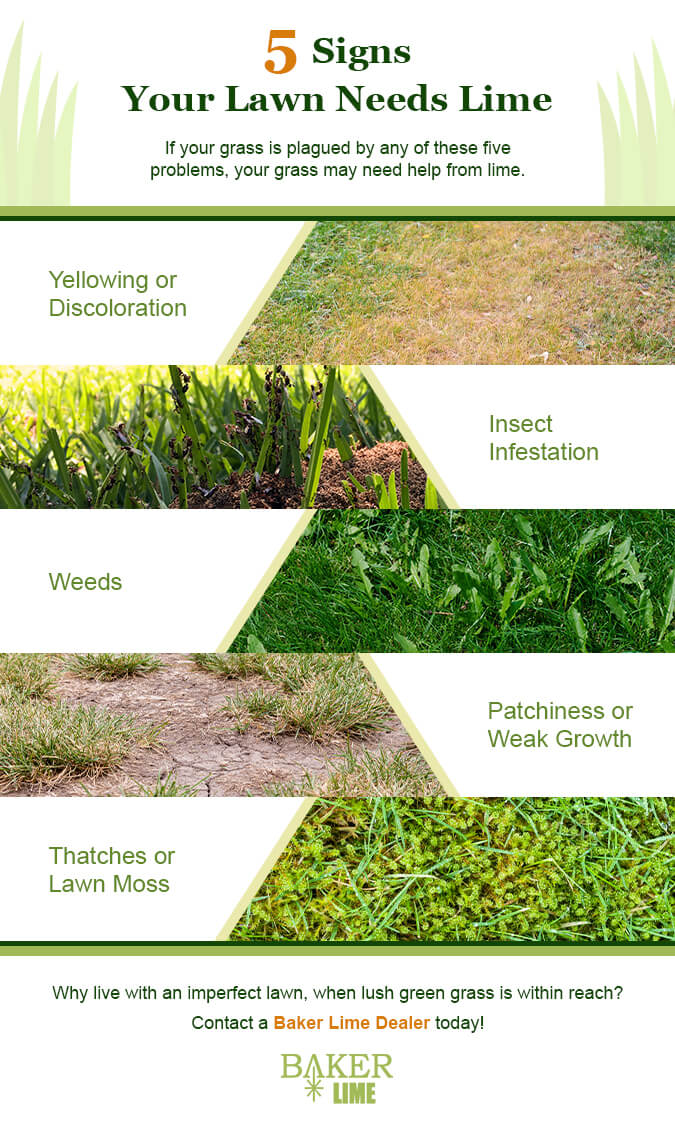
Image Source: www.bakerlime.com
1. Poor Grass Growth and Thin Patches
One of the most visible signs your lawn might need lime is stunted growth. If your grass isn’t growing as vigorously as it should, or if you’re seeing more bare spots and thin areas than usual, soil acidity could be the culprit. Grass prefers a slightly acidic to neutral soil pH, typically between 6.0 and 7.0. When the soil becomes too acidic (a lower pH number), it can lock up essential nutrients like nitrogen, phosphorus, and potassium, making them unavailable to your grass.
Think of it like this: your grass needs food to grow, just like you do. If the food is there but locked away in a pantry you can’t open, you can’t eat it. That’s what happens to your grass in overly acidic soil. Even if you’re applying the best lawn fertilization products, your grass simply can’t absorb the nutrients effectively.
- Weak Root Development: Acidic soils can damage grass roots, making them shorter and weaker. This makes the grass more susceptible to drought, heat stress, and foot traffic.
- Yellowing or Pale Green Color: While yellowing can be caused by many things, persistent paleness in the absence of other clear issues can indicate nutrient deficiencies caused by low pH.
- Slow Recovery from Damage: If your lawn doesn’t bounce back quickly after mowing, wear and tear, or drought, it might be struggling due to nutrient unavailability in acidic soil.
2. The Presence of Certain Weeds
Some weeds thrive in acidic soil conditions where desirable turfgrasses struggle. If you notice a proliferation of specific types of weeds, it could be a strong indicator that your soil pH is too low. These weeds are often more tolerant of acidic environments and can outcompete your grass for space, light, and nutrients.
Here are some common weeds that often signal acidic soil:
- Dandelions: While adaptable, dandelions can do quite well in slightly acidic soils.
- Clover: White clover, in particular, can indicate soil that is not overly acidic but may be low in nitrogen. However, its presence can sometimes coexist with slightly acidic conditions.
- Moss: This is a classic indicator of compacted and acidic soil. Moss loves damp, shady, and acidic conditions.
- Yarrow: This hardy plant can tolerate a range of soil conditions, including acidic ones.
- Sheep Fescue and Red Fescue (in some cases): While these are grasses, they can be found in lower pH soils and might indicate a shift away from optimal turfgrass conditions.
If you’re seeing a significant increase in these or similar plants, it’s a good time to consider a soil pH test.
What Weeds Signal Low pH?
| Weed Type | Common Indicator of Soil Acidity |
|---|---|
| Moss | Very Likely |
| Sheep Fescue | Possible |
| Red Fescue | Possible |
| Dandelions | Possible |
| Yarrow | Possible |
| Some Clover types | Possible |
3. Reduced Effectiveness of Lawn Fertilization
You’re following a consistent lawn fertilization schedule, using high-quality products, but your lawn just isn’t responding as it should. The grass remains a dull green, growth is sluggish, and the vibrant color you expect is missing. This is a frustrating situation, but it often points to an underlying soil issue. As mentioned earlier, low pH can significantly hinder your lawn’s ability to absorb nutrients.
When soil pH is too low, certain micronutrients can become toxic to plants (like aluminum and manganese), while essential macronutrients (like phosphorus) become less available. This nutrient lockout means that even if the nutrients are present in the soil, your grass roots cannot access them.
- Nutrient Deficiencies: Even with regular fertilization, your lawn might show signs of nitrogen deficiency (yellowing), phosphorus deficiency (poor root growth), or potassium deficiency (weakness, susceptibility to disease).
- Slow Nutrient Uptake: Lime helps to “unlock” these nutrients, making them available for the grass to absorb.
If your lawn fertilization efforts seem to be falling flat, suspecting a pH imbalance is a logical step. It’s like trying to give a child a healthy meal, but they’re not hungry or their stomach can’t digest it properly.
How Fertilization Works with pH
| Soil pH Range | Nutrient Availability | Impact on Fertilization |
|---|---|---|
| Below 5.5 | Many essential nutrients locked. Aluminum toxicity can occur. | Fertilizers are largely wasted. |
| 5.5 – 6.0 | Phosphorus and Magnesium availability decreases. | Reduced fertilizer efficiency. |
| 6.0 – 7.0 | Optimal availability of most nutrients. | Fertilizers are most effective. |
| Above 7.5 | Iron, Manganese, and Zinc availability decreases. | Potential for micronutrient deficiencies. |
This table highlights why maintaining a proper pH balance is so vital for successful lawn care tips.
4. The Soil Appears Compacted or Waterlogged
While compaction itself is a problem that needs addressing, soil that is too acidic can also contribute to poor drainage and a compacted feel. Acidic soils often have a finer texture or can become more easily degraded, leading to reduced aeration and water infiltration. When water doesn’t drain well, it sits on the surface, further stressing the grass and creating an environment where moss and certain weeds can flourish.
Compacted soil restricts air, water, and nutrient movement to the grass roots. If you notice your lawn feels hard, is difficult to push a screwdriver into, or puddles easily after rain, it could be a sign of underlying soil structure issues often linked to acidity.
- Poor Drainage: Water sits on the surface for extended periods after rain or watering.
- Surface Runoff: Water doesn’t soak into the ground effectively, leading to increased erosion.
- Hard Soil: The ground feels firm and resistant to penetration.
Addressing compaction through aeration is important, but if the underlying soil acidity isn’t corrected, the problem of poor drainage and compaction can return.
5. A Low pH Reading from a Soil Test
This is the most definitive sign. While the previous signs are strong indicators, a soil pH test provides concrete evidence. You can purchase soil testing kits at most garden centers or online. These kits are relatively inexpensive and easy to use. They typically involve taking a soil sample, mixing it with a provided solution or reagent, and then comparing the resulting color to a chart to determine the pH level.
Alternatively, you can send a soil sample to your local cooperative extension office or a private soil testing laboratory. These professional tests often provide more detailed information, including nutrient levels and specific recommendations for amendments like lime.
How to Conduct a Simple Soil pH Test:
- Gather Supplies: You’ll need a soil testing kit, a clean container for your soil sample, and a trowel or spade.
- Collect Samples: Take soil samples from several different areas of your lawn. Dig down about 4-6 inches, which is where most grass roots are. Avoid taking samples from areas that have recently been fertilized or limed.
- Mix Samples: Combine the soil samples from different areas in your clean container.
- Follow Kit Instructions: Each kit will have specific instructions. Generally, you’ll mix a small amount of your soil with a test solution or place it in a testing device.
- Read the Results: Compare the color of the mixture or the reading on the device to the chart provided with the kit to determine your soil’s pH.
A reading below 6.0 generally indicates that your soil is too acidic and could benefit from liming.
What Does a Soil pH Test Tell You?
A soil testing kit will give you a pH number. Here’s a general guide to what those numbers mean for your lawn:
- pH 4.0-5.0: Very acidic. Liming is highly recommended.
- pH 5.0-6.0: Moderately acidic. Liming is likely beneficial.
- pH 6.0-7.0: Slightly acidic to neutral. This is the ideal range for most turfgrasses.
- pH 7.0-7.5: Slightly alkaline. Lime is not needed.
- pH Above 7.5: Alkaline. Liming would be detrimental.
It’s crucial to perform a soil testing kits periodically, perhaps every 1-2 years, to monitor your soil’s pH balance and ensure optimal grass health.
When and How to Apply Lime
If your soil test confirms that your lawn needs lime, the next step is to apply it correctly. Fall and early spring are generally the best times to apply lime. This allows it to work into the soil before the peak growing season.
Types of Lime:
- Pelleted Lime: This is easier to spread and dissolves more quickly than powdered lime. It’s a good choice for most homeowners.
- Pulverized (Powdered) Lime: This breaks down more slowly but can be more effective in the long run. It can be dustier and harder to spread evenly.
- Dolomitic Lime: Contains both calcium and magnesium. Use this if your soil also shows a magnesium deficiency.
- Calcitic Lime: Primarily provides calcium. Use this if your soil only needs calcium and not magnesium.
How Much Lime to Apply:
The amount of lime needed depends on your soil’s current pH, its texture (sandy soils need less lime than clay soils), and the type of lime you are using. Your soil test report will usually provide specific recommendations. As a general guideline, you might apply 2-4 pounds of pelleted lime per 100 square feet. It’s better to apply lime in lighter, more frequent applications than one heavy dose.
Application Tips:
- Use a Spreader: A broadcast or drop spreader will ensure even distribution.
- Apply to Dry Lawn: Avoid applying lime to a wet lawn, as it can clump and be difficult to spread evenly.
- Water In: After applying lime, water your lawn lightly to help it work into the soil.
- Avoid Over-Application: Too much lime can raise the soil pH too high, causing new problems. Always follow recommendations.
Lime is a soil amendment that, when used correctly, can significantly improve your lawn’s grass health. It’s a fundamental step in addressing soil acidity and ensuring your lawn fertilization efforts yield the best results.
Frequently Asked Questions (FAQ)
Q1: How often should I test my soil for pH?
It’s a good practice to test your soil’s pH every 1 to 2 years, especially if you are actively trying to amend it. This helps you track changes and adjust your liming schedule as needed to maintain the optimal pH balance.
Q2: Can I put lime on my lawn in the summer?
While it’s not ideal, you can apply lime in the summer if your soil test indicates a strong need. However, try to do so during a cooler period and water it in well to prevent potential damage to the grass. Fall and early spring are generally preferred.
Q3: Will lime kill grass?
Lime will not kill grass if applied at the recommended rates. However, applying too much lime can raise the soil pH too high, which can stress the grass and make it difficult for it to absorb nutrients, leading to poor grass health. Always follow the application rates recommended by your soil test or the product packaging.
Q4: What’s the difference between lime and fertilizer?
Fertilizer provides nutrients that grass needs to grow, like nitrogen, phosphorus, and potassium. Lime, on the other hand, is a soil amendment that adjusts the soil’s pH, making existing nutrients more available to the grass and improving overall soil structure. They serve different but complementary purposes in lawn care tips.
Q5: I have a lot of moss. Does this definitely mean I need lime?
Moss is a strong indicator of acidic and often compacted soil, which are conditions where lime can be beneficial. However, moss can also grow in shady, damp areas even with a neutral pH. While liming can help improve the soil conditions that moss prefers, you should always confirm with a soil pH test before applying lime. Aeration is also crucial for addressing compaction.
By recognizing these five signs and performing regular soil testing kits, you can effectively determine if your lawn needs lime and take the necessary steps to improve its overall grass health and vibrancy. Remember, healthy soil is the foundation of a beautiful lawn!