
Yes, you can stop mushrooms from growing in your lawn easily by addressing the underlying causes that encourage their growth. These often include excess moisture, decaying organic matter, and poor air circulation. By implementing proper lawn care practices, you can create a less hospitable environment for these fungi.
Mushrooms appearing in your lawn can be a common, albeit sometimes unwelcome, sign of a healthy ecosystem – but a healthy ecosystem for the mushrooms, not necessarily your turf. The sudden appearance of these fruiting bodies often signals an underlying issue with your lawn’s health or environment. This guide will delve into how to effectively manage and prevent mushroom growth in your lawn, ensuring a vibrant and healthy turf.
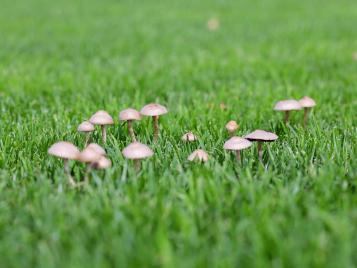
Image Source: www.lovethegarden.com
Deciphering Why Mushrooms Appear in Your Lawn
Mushrooms are the reproductive structures of fungi. They emerge when the conditions are right for the fungal mycelium, the underground network of the fungus, to produce spores. Several factors contribute to their appearance:
Key Contributors to Fungal Growth
- Excess Moisture: Fungi thrive in damp conditions. Overwatering, poor drainage, or prolonged periods of rain can create the perfect environment for mushrooms to sprout.
- Decaying Organic Matter: Mushrooms are nature’s recyclers. They feed on dead organic material in the soil, such as old tree roots, buried wood, dead grass clippings, or animal waste. Your lawn might have hidden pockets of decomposing material.
- Thatch Buildup: A thick layer of thatch (dead grass, roots, and stems) on your lawn can retain moisture and provide a food source for fungi.
- Shady Conditions: Areas of your lawn that receive less sunlight tend to stay moist for longer, promoting fungal activity.
- Soil Compaction: Compacted soil restricts air and water movement, leading to localized dampness and ideal conditions for some types of lawn fungus.
- Nutrient Imbalances: While not a direct cause, unhealthy turf can be more susceptible to fungal infections that manifest as mushrooms.
Steps to Prevent and Eliminate Mushrooms
Stopping mushrooms requires a proactive approach to lawn maintenance and lawn care. The goal is to make your lawn less attractive to fungi by addressing the conditions they love.
1. Managing Moisture Levels
Controlling the amount of water your lawn receives is crucial.
Adjusting Your Watering Schedule
- Water Deeply and Infrequently: Instead of light, frequent watering, opt for longer, less frequent watering sessions. This encourages deeper root growth, making the turf more resilient and allowing the surface to dry out between waterings.
- Water in the Morning: Watering early in the day allows the grass blades to dry off before evening, reducing the risk of fungal growth on the foliage. Avoid watering late in the afternoon or evening.
- Check Soil Moisture: Use a soil moisture meter or simply stick a screwdriver into the ground. If it goes in easily, the soil is likely moist enough. If it’s difficult to push, it’s time to water.
Improving Drainage
- Identify Problem Areas: Observe your lawn after rain. Are there spots where water pools for extended periods? These are prime locations for mushroom growth.
-
Soil Aeration: Soil aeration is a key practice for improving drainage. It involves creating small holes in the soil to allow water, air, and nutrients to reach the roots more effectively. This also helps break up compacted soil.
Benefits of Soil Aeration:
* Reduces soil compaction.
* Improves water infiltration.
* Enhances air circulation.
* Promotes deeper root growth.
* Helps thatch decomposition.Aeration is best done during the active growing season for your grass type, typically spring or fall.
-
Consider Drainage Solutions: For persistent standing water issues, you might need to consider more extensive drainage solutions like French drains or grading adjustments.
2. Removing the Food Source: Organic Matter and Thatch
Mushrooms feed on decaying organic matter. Removing this “food” directly impacts their ability to thrive.
Thatch Removal (Dethatching)
- What is Thatch? Thatch is a layer of dead and living stems, roots, and other organic debris that accumulates between the green grass blades and the soil surface. A thin layer (less than 1/2 inch) is beneficial, but a thick layer can become a problem.
- How to Dethatch:
- Raking: For light thatch, a stiff-tined garden rake can be effective. Rake vigorously to pull up the matted debris.
- Dethatching Machines: For thicker thatch, consider renting a power dethatcher or scarifier. These machines have verticutting blades that cut into the thatch layer, loosening it for removal.
- Frequency: Dethatch your lawn once a year or every two years, depending on how quickly thatch builds up.
Clearing Surface Debris
- Remove Leaf Litter: Regularly rake fallen leaves, especially in the autumn. Leaves can smother the grass and create a damp environment for fungi.
- Pick Up Animal Waste: Dog waste and other animal droppings are a significant source of organic matter and can host specific types of fungi. Clean up after pets promptly.
- Address Buried Wood: If you know there are buried tree stumps or logs, these are prime mushroom-growing spots. Excavating and removing them can be a long-term solution.
3. Enhancing Air Circulation and Sunlight
Fungi generally prefer humid, stagnant environments. Improving air flow and sunlight can deter them.
Mowing Practices
- Mow at the Correct Height: Cutting your grass too short can stress the turf and expose the soil to more sunlight, which paradoxically can lead to faster drying and thus encourage some fungi, or weaken the grass, making it susceptible to lawn disease. Conversely, mowing too high can increase thatch. Refer to specific recommendations for your grass type.
- Grasscycling: While returning grass clippings to the lawn can provide nutrients, excessive clippings can contribute to thatch. If you grasscycle, ensure you mow frequently enough so that clippings are small and decompose quickly. If you notice thick clumps of clippings, rake them up.
Pruning Overhanging Branches
- If trees or shrubs are casting dense shade on your lawn, consider pruning their lower branches. This will allow more sunlight to reach the grass and improve air circulation, helping the soil and grass dry out faster.
4. Addressing Soil Health and Compaction
Healthy soil is the foundation of a healthy lawn.
Soil Aeration (Revisited)
As mentioned, soil aeration is paramount for improving air and water movement. This helps prevent the overly saturated conditions that many fungi prefer.
Topdressing
After aeration, topdressing with a thin layer of compost or a sand/soil mix can help improve soil structure over time, further enhancing drainage and air circulation.
5. Identifying Lawn Mushrooms
While many mushrooms are harmless to your lawn, identifying lawn mushrooms can sometimes offer clues about the specific conditions contributing to their growth. Some common types of mushrooms found in lawns include:
- Fairy Rings: These are circular patterns of mushroom growth, often accompanied by darker green or dead grass in the center and along the ring. They are caused by the mycelium spreading outwards underground.
- Inky Caps: These mushrooms turn into a black, inky liquid as they decompose.
- Puffballs: These are round mushrooms that release spores when disturbed.
It’s important to note that not all mushrooms are safe for consumption, and many can be toxic if ingested. Always err on the side of caution and do not eat any mushrooms found in your lawn unless you are an expert mycologist.
6. Chemical Controls (Use with Caution)
While cultural practices are the best long-term solution, some homeowners consider chemical treatments for persistent mushroom problems.
- Fungicides: Specific lawn fungicides can be applied to kill existing mushrooms and suppress fungal growth. However, fungicides only treat the symptom (the mushroom), not the cause. If the underlying conditions (moisture, organic matter) are not addressed, mushrooms will likely return.
-
Removal of Mushrooms: Simply removing the visible mushrooms by hand or with a mower is a temporary fix. It prevents spore dispersal but doesn’t eliminate the underground mycelium.
Best Practices for Mushroom Removal:
* Wear Gloves: Some mushroom spores can cause allergic reactions in sensitive individuals.
* Bag and Dispose: Place removed mushrooms in a sealed bag and dispose of them in the trash or compost bin if you are not concerned about spreading spores.
* Mow Over Them: Mowing can break up mushrooms, but it also disperses their spores.
When to Seek Professional Help
If you’ve tried various lawn maintenance techniques and are still struggling with persistent mushroom growth or suspect a more serious lawn disease, it may be time to consult a local lawn care professional. They can help diagnose the specific type of lawn fungus you’re dealing with and recommend tailored treatment plans.
Promoting Overall Turf Health
A strong, healthy lawn is less susceptible to lawn fungus. Focus on these aspects of turf health:
- Proper Fertilization: Use a balanced fertilizer according to your grass type’s needs. Avoid over-fertilizing, which can lead to excessive growth and thatch.
- Overseeding: In the fall, consider overseeding thin or bare patches with a high-quality grass seed. This helps create a denser turf that crowds out weeds and reduces the space for fungi to grow.
- Regular Mowing: As discussed, maintaining the correct mowing height is crucial.
Summary of Strategies for Stopping Mushrooms
| Strategy | Action Steps | Primary Goal |
|---|---|---|
| Moisture Management | Adjust watering to deep and infrequent; water in the morning; improve drainage. | Reduce damp conditions. |
| Organic Matter Removal | Dethatch regularly; remove leaf litter and animal waste; address buried wood. | Eliminate food sources for fungi. |
| Air Circulation | Prune overhanging branches; ensure proper mowing height. | Dry out the lawn surface. |
| Soil Health | Aerate compacted soil; consider topdressing. | Improve water and air movement. |
| Lawn Density | Overseed thin areas to create a thicker turf. | Reduce exposed soil and competition space. |
By consistently applying these lawn care practices, you can effectively discourage mushroom growth and foster a healthier, more robust lawn. Remember, patience and persistence are key, as it can take time to re-establish a healthy balance in your lawn’s ecosystem.
Frequently Asked Questions (FAQ)
Are the mushrooms in my lawn dangerous to my pets or children?
While many common lawn mushrooms are not toxic, it’s impossible to identify them without expert knowledge. If you have pets or small children who play in the yard, it’s best to remove any mushrooms you find to err on the side of caution. Supervise pets and children when they are in the lawn, and teach children not to eat anything they find outdoors.
How quickly can I expect to see results after implementing these changes?
Results can vary depending on the severity of the underlying issues and your lawn’s specific conditions. You might notice a reduction in mushrooms within a few weeks of improving drainage and removing organic matter. However, it can take a full growing season or longer to significantly change the fungal population and see lasting results, especially if deeper soil issues are present.
Can I just mow over the mushrooms?
Mowing over mushrooms will break them up and prevent spore release from that specific mushroom. However, it doesn’t address the underground mycelium that produces them. The underlying cause, such as excessive moisture or buried organic matter, remains, and new mushrooms are likely to appear. While it’s a quick way to tidy up, it’s not a solution for preventing their return.
What is thatch and why is it a problem for mushrooms?
Thatch is a layer of dead and living organic matter that accumulates on your lawn. It acts like a sponge, retaining moisture, and provides a food source for fungi, including those that produce mushrooms. A thick thatch layer creates an ideal environment for fungal growth.
Can I use a natural fungicide to get rid of lawn mushrooms?
Yes, there are natural options available, such as those containing essential oils or beneficial microbes that compete with harmful fungi. However, like chemical fungicides, these primarily address the visible mushrooms and might require repeated applications. The most effective long-term strategy is always to address the environmental conditions that encourage fungal growth.