
What is deep aeration? Deep aeration is a crucial lawn care technique that creates small holes in your soil. Can I aerate my lawn in any season? While aeration is generally best performed during the active growing seasons of your grass type, it’s not ideal in extreme heat or drought. Who is responsible for lawn aeration? Typically, homeowners or professional lawn care services are responsible for lawn aeration.
Achieving a lush, thick lawn is a goal many homeowners share. While regular mowing and watering are essential, one often overlooked but vital practice is deep aeration. This process is key to combating soil compaction, improving drainage improvement, and fostering overall grass health. By creating openings in the soil, aeration allows air, water, and nutrients to reach the grass roots, promoting stronger, more resilient growth. This article will delve into the best practices for deep aeration to help you cultivate the thickest, greenest grass possible.
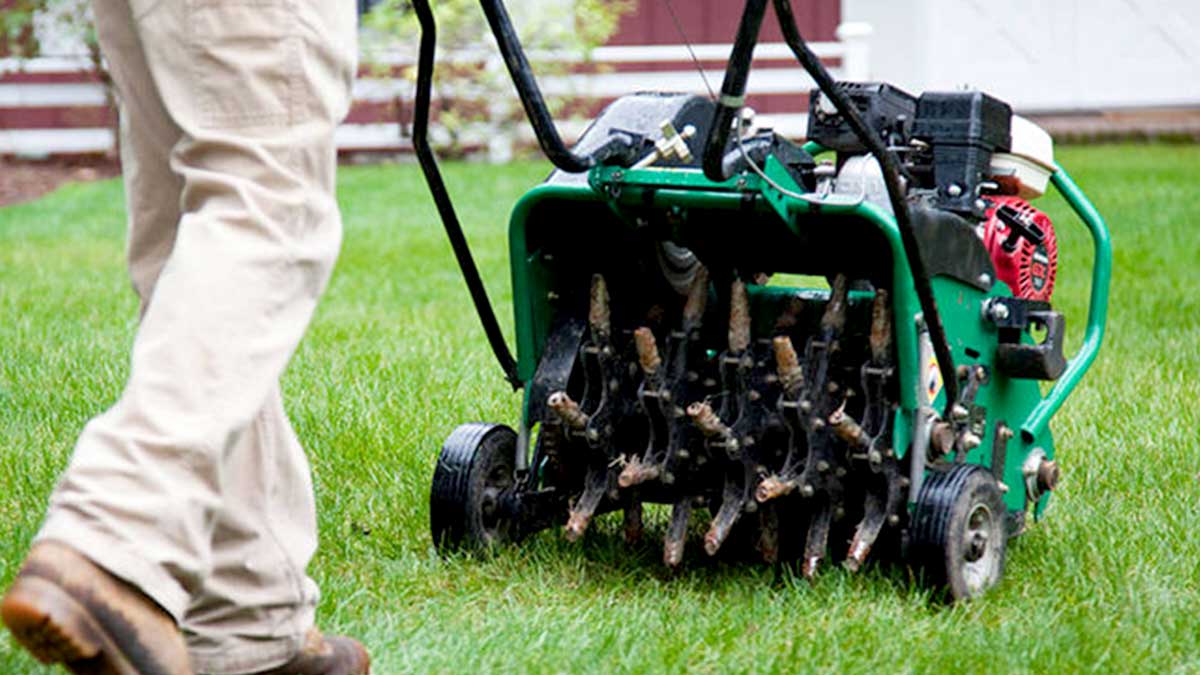
Image Source: unicutters.ca
The Importance of Soil Aeration
Your lawn’s soil is the foundation for healthy grass. Over time, various factors contribute to the degradation of this foundation. Heavy foot traffic, the weight of lawn equipment, and even the natural decomposition of grass clippings can lead to soil compaction. When soil becomes compacted, the tiny air pockets that grass roots need to breathe and absorb nutrients are squeezed out. This makes it difficult for roots to grow deep, leading to shallow root systems that are more susceptible to drought and disease.
Thatch buildup is another common issue that aeration addresses. Thatch is a layer of dead and living stems, roots, and other organic matter that accumulates between the grass blades and the soil surface. A thin layer of thatch is beneficial, acting as a natural mulch. However, when this layer becomes too thick (more than half an inch), it can choke out the grass, block water and nutrients, and provide a breeding ground for pests and diseases.
Soil aeration directly combats these problems. By mechanically creating holes, it relieves soil compaction, allowing essential elements to penetrate the root zone. It also helps break down and reduce excessive thatch buildup, promoting a healthier soil environment.
Deciphering Aeration Types: Core vs. Spike
When discussing lawn aeration, two primary methods are commonly employed: core aeration and spike aeration. Each has its own benefits and drawbacks, and choosing the right one depends on your lawn’s specific needs.
Core Aeration: The Deep Dive
Core aeration, also known as plug aeration, is widely considered the most effective method for deep soil improvement. This process utilizes a machine with hollow tines that physically pull out small plugs or cores of soil and thatch from your lawn. These cores are typically about 2-4 inches long and are left on the surface of the lawn to decompose naturally.
Benefits of Core Aeration:
- Deep Soil Penetration: The hollow tines penetrate deep into the soil, effectively breaking up compacted layers and reaching the root zone.
- Thatch Decomposition: The removed soil cores, containing thatch, help to break down thick thatch layers as they decompose.
- Improved Nutrient and Water Uptake: By creating pathways, core aeration significantly enhances the ability of roots to absorb water, air, and fertilizers.
- Stimulates Root Growth: Relieving compaction encourages roots to grow deeper and spread wider, leading to a more robust and resilient lawn.
- Ideal for Overseeding: The small holes created by core aeration provide an excellent environment for new grass seed to germinate and establish, making it a perfect precursor to overseeding.
Drawbacks of Core Aeration:
- Disruptive Appearance: The lawn may appear somewhat messy immediately after core aeration due to the presence of the soil cores.
- Requires Specialized Equipment: Core aerators are typically heavy-duty machines that are often rented or operated by professional services.
Spike Aeration: The Surface Approach
Spike aeration involves using solid tines or spikes to puncture the soil surface. This can be done with a manual aerator or a machine that rotates spikes.
Benefits of Spike Aeration:
- Less Disruptive: Spike aeration generally causes less visible disruption to the lawn surface compared to core aeration.
- Easier to Perform: Manual spike aerators are readily available and can be used by homeowners for smaller areas.
Drawbacks of Spike Aeration:
- Limited Depth: The spikes only penetrate the surface layers of the soil, making it less effective for addressing deep soil compaction.
- Can Worsen Compaction: In severely compacted soil, the spikes can sometimes further compress the soil around the entry point, potentially worsening the problem.
- Less Effective for Thatch: Spike aeration does little to address significant thatch buildup.
For the most impactful and long-lasting benefits, especially for achieving thicker grass, core aeration is the superior choice. It addresses the root cause of many lawn problems by working deep within the soil.
Comprehending the Best Timing for Aeration
The success of your aeration efforts hinges significantly on timing. Performing aeration at the wrong time can be ineffective or even detrimental to your lawn’s health. The optimal time for aeration is generally when your grass is actively growing and can recover quickly from the process.
Warm-Season Grasses
Warm-season grasses, such as Bermuda, Zoysia, and St. Augustine, thrive in warmer temperatures.
- Best Time: Late spring to early summer is the ideal period for aerating warm-season grasses. This allows them ample time to recover and benefit from the aeration before the peak of summer heat.
- Avoid: Aerating during extreme heat or drought conditions.
Cool-Season Grasses
Cool-season grasses, including Fescue, Ryegrass, and Kentucky Bluegrass, prefer cooler temperatures.
- Best Time: Early fall is the prime time for aerating cool-season grasses. This allows them to recover and utilize the improved soil conditions to establish strong root systems before winter dormancy.
- Second Best Time: Early spring, as the grass begins to green up, can also be a good time, but fall aeration generally provides more sustained benefits.
- Avoid: Aerating during the hot summer months when these grasses are often stressed.
Factors to Consider for All Grass Types:
- Soil Moisture: The soil should be moist but not waterlogged. Aerating dry, hard soil can be difficult and less effective. Watering the lawn a day or two before aeration is recommended.
- Avoid Aerating When Grass is Dormant: Aeration during dormancy offers little benefit and can potentially damage the dormant grass.
- Avoid Aerating Just Before Extreme Weather: Don’t aerate right before a prolonged heatwave or a harsh freeze.
Mastering the Aeration Process: Step-by-Step
Executing mechanical aeration correctly ensures you reap the full benefits without harming your lawn. Whether you rent a machine or hire a professional, knowing the process is key.
Step 1: Preparation is Key
Before you begin, gather your equipment and prepare your lawn.
- Mow the Lawn: Mow your grass to a height of about 2-3 inches. This makes it easier for the aerator tines to penetrate the soil.
- Mark Sprinkler Heads and Obstacles: Use flags or spray paint to clearly mark any sprinkler heads, irrigation boxes, underground utility lines, or other obstacles. This prevents damage to your irrigation system and the aerator.
- Ensure Proper Soil Moisture: As mentioned, the soil should be moist. Water your lawn a day or two before aeration. If it’s been raining, wait for the soil to dry slightly so it’s not muddy.
Step 2: Operating the Aerator (Core Aerator)
If you’re using a core aerator, follow these guidelines:
- Start at an Edge: Begin aerating at the edge of your lawn for easier maneuvering.
- Overlap Passes: Overlap each pass by a few inches. This ensures that you cover the entire lawn and don’t miss any compacted areas.
- Direction: Aerate in one direction across the lawn, and then make a second pass perpendicular to the first. This crisscross pattern provides the most thorough aeration.
- Depth: Aim for the aerator tines to penetrate 2-4 inches deep into the soil.
- Exit Strategy: Plan your exit route to avoid excessive maneuvering in one spot, which can cause damage.
Step 3: Post-Aeration Care
Once the aeration is complete, proper follow-up care is crucial for maximizing the benefits.
- Let the Cores Decompose: Leave the soil cores on the lawn. They will break down naturally within a week or two. You can also lightly drag a rake over them to help them break apart faster and redistribute the soil.
- Watering: Water your lawn thoroughly after aeration. This helps the soil settle and encourages root growth.
- Fertilizing: If you plan to fertilize, wait a few days after aeration. The open soil pathways allow fertilizers to reach the root zone more effectively.
- Overseeding (Optional but Recommended): If your lawn is thin or patchy, now is the perfect time to overseed. The aeration holes provide an ideal seedbed for new grass to germinate. Spread your chosen grass seed evenly across the lawn and lightly rake it into the surface. Continue to water regularly to keep the seedbed moist.
- Avoid Heavy Traffic: Try to minimize foot traffic and the use of heavy lawn equipment on the newly aerated lawn for a few days.
Maximizing Benefits: Complementary Lawn Care Techniques
Aeration is a powerful standalone technique, but its effectiveness can be amplified when combined with other essential lawn care techniques.
Lawn Dethatching: A Synergistic Approach
Lawn dethatching is the process of removing excess thatch from the surface of your lawn. While aeration helps to break down thatch over time, manual dethatching or power raking can be beneficial for severely thatched lawns.
- When to Dethatch: Dethatching is best performed during the active growing seasons for your grass type, similar to aeration.
- How it Works with Aeration: Performing lawn dethatching before aerating can be very effective. Removing the thick thatch layer first allows the aeration tines to penetrate the soil more easily and directly. The subsequent core aeration then further loosens the soil and helps break down any remaining thatch. This combination is particularly potent for rejuvenating lawns suffering from severe compaction and thatch buildup.
Overseeding for Density
Overseeding is the process of sowing new grass seed over an existing lawn to fill in thin areas, introduce improved grass varieties, or enhance overall density.
- The Aeration-Overseeding Connection: Aeration creates the ideal environment for overseeding. The small holes left by the aerator provide excellent seed-to-soil contact, which is crucial for germination. The loosened soil also allows the new seeds to establish a strong root system quickly.
- Best Practices for Overseeding After Aeration:
- Choose the Right Seed: Select a grass seed variety that is compatible with your existing lawn and suited to your climate.
- Spread Evenly: Use a spreader to ensure an even distribution of seed.
- Lightly Rake: Gently rake the seed into the aeration holes to improve contact.
- Water Consistently: Keep the seeded areas consistently moist until the new grass is established.
Fertilization: Fueling Growth
Proper fertilization provides the nutrients your grass needs to thrive.
- Timing with Aeration: Aerating before fertilizing allows nutrients to be delivered directly to the root zone, where they are most needed. This is especially beneficial in compacted soils where nutrient uptake is hindered.
- Type of Fertilizer: Choose a balanced fertilizer appropriate for the season and your grass type. A slow-release fertilizer is often recommended for sustained nutrient delivery.
Watering Wisely
Healthy soil and strong roots require consistent and appropriate watering.
- Deep and Infrequent Watering: Encourage deep root growth by watering deeply but less frequently. This prompts roots to seek water lower in the soil profile.
- Post-Aeration Watering: As mentioned, watering immediately after aeration helps settle the soil and aids root establishment.
Common Issues and How to Resolve Them
Even with meticulous planning, you might encounter some common issues after aeration.
Issue: Lawn Appears Uneven or Patchy After Aeration
Cause: This is often due to uneven soil plugging or variations in soil compaction across the lawn.
Resolution: This is usually a temporary issue. The soil cores will naturally break down and blend in. Raking them lightly can help speed up this process. If specific patches remain problematic, consider a light topdressing of compost or a small amount of topsoil.
Issue: Minimal Improvement in Grass Density
Cause: This can stem from several factors, including incorrect aeration timing, insufficient soil moisture during aeration, or a lack of complementary practices like overseeding.
Resolution: Ensure you are aerating during the active growing seasons for your grass type. Always aerate moist soil. If density is still a concern, plan to overseed your lawn after aeration and ensure consistent watering for the new seed.
Issue: Aerator Tines Not Penetrating Deeply
Cause: Severely compacted or dry soil can prevent the aerator tines from reaching the desired depth.
Resolution: Ensure the soil is adequately moist before aerating. If the soil is still exceptionally hard, you may need to make multiple passes over particularly compacted areas or consider renting a more powerful aerator.
Frequently Asked Questions About Lawn Aeration
Q1: How often should I aerate my lawn?
A1: For most lawns, aerating once a year is sufficient. However, lawns that experience heavy foot traffic or have heavy clay soil may benefit from aeration twice a year. The best indicator is to check for signs of soil compaction and thatch buildup.
Q2: Can I aerate my lawn if it has a lot of weeds?
A2: It’s generally best to address significant weed problems before aerating. Aeration can sometimes spread weed seeds. However, if weeds are present but not overwhelming, aerating and then overseeding with a dense grass mix can help outcompete future weeds.
Q3: What is the best way to aerate a very small lawn?
A3: For small lawns, manual spike aerators are a viable option. Alternatively, you can rent a lightweight core aerator. The principles of proper timing and soil moisture still apply.
Q4: When can I walk on my lawn after aeration?
A4: It’s best to avoid heavy foot traffic for a few days after aeration. Light walking is generally acceptable, but refrain from activities that will further compact the soil until the aeration holes have begun to close.
Q5: My lawn looks worse after aeration, what should I do?
A5: Give your lawn time to recover. The temporary disarray from aeration is a sign that the process is working. Proper watering and allowing the soil cores to decompose are key. If concerned, consult with a local lawn care professional.
By implementing these best practices for deep aeration, you are investing in the long-term health and beauty of your lawn. This essential lawn care technique will result in thicker, greener, and more resilient grass, transforming your outdoor space into a vibrant oasis. Remember, healthy soil is the foundation of a healthy lawn, and aeration is a powerful tool to achieve just that.