
What is sedge grass, and can I get rid of it easily? Yes, sedge grass, often mistaken for grassy weeds, can be a persistent nuisance in lawns, but with the right strategies, you can effectively eliminate it.
Sedge grass is not a true grass, though it looks similar. It’s a triangular-stemmed plant belonging to the Cyperaceae family, which includes papyrus. It thrives in wet or poorly drained areas, but can also infest well-maintained lawns. Identifying it is the first step in successful sedge eradication lawn care.
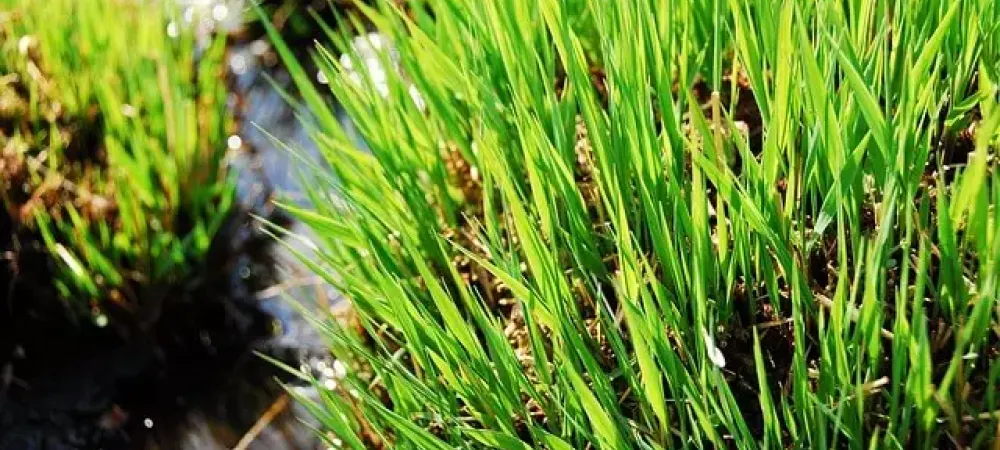
Image Source: www.fertilizewithalm.com
Identifying Sedge Grass in Your Lawn
Before you can tackle sedge grass, you need to know what you’re dealing with. It has a distinct look that sets it apart from common lawn grasses and other weeds.
Key Characteristics of Sedge Grass:
- Triangular Stems: This is the most definitive identifier. Gently feel the stem of a suspected sedge plant. If it’s triangular and not round, it’s likely sedge grass.
- Leaf Arrangement: Sedge leaves typically grow in whorls of three around the stem, giving it a starburst appearance at the base. True grasses have leaves that emerge in two opposite ranks.
- Seed Heads: Sedge often produces distinctive seed heads, which can be spiky or umbrella-shaped, depending on the species. These are usually straw-colored.
- Growth Habit: Many sedge species grow in clumps and can spread rapidly, especially in moist conditions.
Common Sedge Species to Watch Out For:
- Yellow Nutsedge (Cyperus esculentus): This is perhaps the most common and troublesome sedge. It has yellowish-green leaves and produces small, nut-like tubers (often called “earth almonds”) underground. These tubers are a major reason sedge can regrow even after you think you’ve removed it.
- Purple Nutsedge (Cyperus rotundus): Similar to yellow nutsedge, purple nutsedge also has triangular stems and tubers. It’s often found in warmer climates and can be very aggressive.
- Cylindrical Sedge (Cyperus compressus): This species has flattened stems and is often found in compacted or poorly drained soils.
Why Sedge Grass is a Problem in Your Lawn
Sedge grass isn’t just an aesthetic issue; it can actively harm your lawn’s health. Its aggressive growth can outcompete desirable grasses for water, nutrients, and sunlight.
Negative Impacts of Sedge Grass:
- Competition: Sedge is a strong competitor and can choke out healthy grass, leading to thin, patchy areas in your lawn.
- Water Needs: While it prefers wet areas, sedge can still survive in drier conditions, often drawing moisture away from surrounding turf.
- Aesthetic Disruption: The different texture and color of sedge grass can make your lawn look messy and unkempt.
- Tubers and Rhizomes: The underground tubers of nutsedge species are incredibly resilient. They can remain dormant for long periods and sprout new plants, making complete sedge eradication lawn efforts challenging.
Sedge Control Methods: A Multi-Pronged Approach
Getting rid of sedge grass requires a combination of strategies. Simply pulling it out might provide temporary relief, but it often won’t address the root of the problem, especially with nutsedge. Effective sedge management techniques focus on both killing existing plants and preventing new ones from establishing.
1. Manual Removal: The First Line of Defense
For small infestations, manual removal can be a good starting point. This is a form of natural sedge removal that requires diligence.
Manual Removal Techniques:
- Pulling: Carefully grasp the sedge plant at its base and pull it out of the ground. Try to get as much of the root system as possible, especially any tubers if you suspect nutsedge.
- Timing: It’s best to pull sedge when the soil is moist, as this makes it easier to extract the entire plant, including roots and tubers.
- Persistence: You’ll need to be consistent. New sedge plants will sprout from remaining roots or seeds, so regular monitoring and pulling are essential.
Pros of Manual Removal:
- Environmentally friendly.
- No chemicals involved.
- Effective for very small, isolated patches.
Cons of Manual Removal:
- Labor-intensive.
- Difficult to remove all tubers of nutsedge, leading to regrowth.
- Not practical for large infestations.
2. Chemical Control: Targeting Sedge Grass
When manual removal isn’t enough, chemical solutions can be very effective. There are specific herbicides designed for sedge control. It’s crucial to choose the right product for your lawn type and the sedge species you are targeting.
Post-Emergent Sedge Treatment: Killing Existing Sedge
Post-emergent herbicides are applied directly to actively growing sedge plants. They work by being absorbed through the leaves and translocated throughout the plant, killing it from the top down.
Key Post-Emergent Herbicides for Sedge:
- MSMA (Monosodium Methanearsonate): Historically a very effective sedge killer, MSMA is now restricted or banned in many areas due to environmental concerns. If available, it should be used with extreme caution and according to label directions.
- Sulfonylureas: These are often highly effective against sedges. Look for active ingredients like halosulfuron-methyl (e.g., SedgeHammer) or sulfosulfuron. These are often selective, meaning they target sedge without significantly harming most lawn grasses when used correctly.
- Quinclorac: This is another common and effective herbicide for controlling sedge grass. It’s often found in broadleaf weed killers and is effective against crabgrass too.
- Mesotrione: This is a newer herbicide that works by inhibiting an enzyme in the plant, causing it to bleach white before dying. It’s effective against sedge and can also be used as a pre-emergent.
Application Tips for Post-Emergent Herbicides:
- Read the Label: This is the most important step. Always follow the manufacturer’s instructions regarding mixing, application rates, and safety precautions.
- Targeted Application: Apply the herbicide directly to the sedge grass. Avoid spraying desirable lawn grasses as much as possible, as even selective herbicides can sometimes cause temporary discoloration.
- Timing: Apply when sedge is actively growing and before it goes to seed. Avoid applying during extreme heat or drought conditions, as this can stress your lawn and reduce herbicide effectiveness.
- Repeat Applications: For stubborn sedge, especially nutsedge with its extensive tuber system, multiple applications spaced several weeks apart may be necessary to achieve complete sedge eradication lawn results.
Important Note: Always check if the herbicide is safe for your specific lawn grass type (e.g., fescue, Kentucky bluegrass, Bermuda grass).
Pre-Emergent Sedge Control: Preventing Future Growth
Pre-emergent herbicides are applied to the soil before sedge seeds germinate or tubers sprout. They create a chemical barrier that prevents new plants from establishing.
Key Pre-Emergent Herbicides for Sedge:
- Dithiopyr: This is a widely available pre-emergent that controls many grassy weeds and some broadleaf weeds, including sedge. It works by inhibiting root and shoot growth.
- Prodiamine: Another excellent pre-emergent that provides long-lasting control of a wide range of weeds, including sedge.
- Mesotrione: As mentioned earlier, mesotrione can also be used as a pre-emergent, preventing sedge from sprouting.
Application Tips for Pre-Emergent Herbicides:
- Timing is Crucial: Apply pre-emergents in early spring before soil temperatures consistently reach 55-60°F (13-16°C) to prevent germination of warm-season weeds like sedge. A second application in the fall can also help suppress overwintering weeds.
- Incorporation: For some pre-emergents, light irrigation or incorporation into the soil surface is recommended to activate the herbicide. Check the product label.
- Avoid Disturbing the Barrier: Once applied, avoid unnecessary digging or tilling in the treated area, as this can break the pre-emergent barrier.
3. Cultural Practices: Building a Healthier Lawn
Healthy, dense turf is your best defense against sedge grass and other weeds. Implementing good lawn care practices can significantly reduce the conditions that sedge loves and improve your lawn’s ability to compete. This is a core part of effective sedge management techniques.
Promoting a Healthy Lawn:
- Proper Mowing: Mow your lawn at the correct height for your grass type. Taller grass shades the soil, suppressing weed seed germination and keeping the soil cooler and moister, which is generally unfavorable for sedge.
- Adequate Watering: Water deeply and less frequently. This encourages deep root growth in your desirable grasses, making them more drought-tolerant and better able to outcompete sedge. Avoid overwatering, which creates the moist conditions sedge prefers.
- Fertilization: Feed your lawn with the right nutrients at the right times. A well-fed lawn will be denser and more vigorous, making it harder for weeds to establish. Follow a soil test to determine your lawn’s specific needs.
- Aeration: Core aeration helps to relieve soil compaction, improve air and water penetration, and promote healthy root development for your turfgrass. This can make your lawn more resilient and less hospitable to sedge.
- Dethatching: Excessive thatch can harbor pests and diseases and prevent water and nutrients from reaching the soil. Dethatch when thatch layers exceed ½ inch.
4. Natural Sedge Removal and Organic Options
For those who prefer to avoid chemical herbicides, there are natural sedge removal and organic options, though they often require more patience and persistence.
Organic Sedge Removal Techniques:
- Corn Gluten Meal: This is a natural pre-emergent that can inhibit seed germination. It’s best applied in early spring. It also acts as a nitrogen fertilizer.
- Vinegar-Based Herbicides: While household vinegar (acetic acid) can kill sedge on contact, it is non-selective. It will kill any plant it touches, including your lawn grass. It also doesn’t kill the roots or tubers effectively, so regrowth is likely. Horticultural vinegar (higher acetic acid concentration) is more potent but carries the same risks.
- Boiling Water: Similar to vinegar, boiling water can kill sedge grass on contact but will also kill any grass it is poured on. This is only practical for very small, isolated patches.
- Soil Amendments: Improving soil drainage can make the environment less favorable for sedge. Adding organic matter can help improve soil structure and drainage over time.
- Hand Pulling with Root Removal: As mentioned earlier, consistent and thorough hand pulling, aiming to get as much of the root and tuber system as possible, is a key organic strategy.
Challenges with Organic Sedge Removal:
- Effectiveness: Organic methods are often less potent and slower-acting than chemical herbicides.
- Persistence: They typically require more frequent applications and a greater commitment to be effective against a persistent weed like sedge grass.
- Non-Selectivity: Many organic weed killers will damage or kill desirable lawn grasses, requiring very careful application.
Tackling Yellow Nutsedge Specifically: The Tuber Challenge
Yellow nutsedge’s ability to reproduce via tubers is its most formidable trait. To achieve true sedge eradication lawn success, you must disrupt this tuber cycle.
Disrupting the Nutsedge Tuber Cycle:
- Repeated Herbicide Applications: Post-emergent herbicides that translocate to the tubers are most effective. Multiple applications are usually needed to exhaust the tuber’s stored energy.
- Persistence with Pulling: Continuously pull any new shoots that emerge. Each shoot draws energy from the tubers, weakening them over time. This is a slow but effective organic approach to tuber control.
- Mechanical Cultivation: In garden beds, regular shallow cultivation can disrupt tuber growth. However, this is generally not an option for established lawns.
- Solarization (in garden beds): Covering bare soil with clear plastic during the hottest part of the summer can increase soil temperature enough to kill tubers. This is not suitable for lawns.
Sedge Grass Killer: Choosing the Right Product
Selecting the right sedge grass killer is vital for successful control. The best “sedge grass killer” will depend on your situation: the type of sedge, the size of the infestation, your lawn type, and your preference for chemical versus organic methods.
Factors to Consider When Choosing a Sedge Killer:
- Target Species: Ensure the product label specifically mentions control of sedge grass or nutsedge.
- Lawn Grass Tolerance: Check that the product is safe for your specific lawn grass variety.
- Mode of Action: For nutsedge, look for herbicides that translocate to the roots and tubers.
- Pre- or Post-Emergent: Decide if you need to kill existing sedge (post-emergent) or prevent new growth (pre-emergent).
- Environmental Impact: Consider products with lower toxicity or those that break down quickly in the environment.
Integrating Sedge Management Techniques into Your Lawn Care Routine
Effective sedge management isn’t a one-time fix; it’s an ongoing process that blends several strategies.
A Year-Round Sedge Management Plan:
Early Spring (Before Green-Up):
- Apply a pre-emergent herbicide to prevent sedge seeds and tubers from germinating.
- If you plan on overseeding, choose a pre-emergent that won’t harm new grass seed.
Late Spring/Early Summer (Active Growth):
- Monitor your lawn for any signs of sedge.
- If sedge appears, spot-treat with a post-emergent herbicide specifically labeled for sedge control.
- Continue with regular mowing, watering, and fertilization to promote a healthy, dense lawn.
Mid-Summer:
- Repeat post-emergent applications if necessary for stubborn sedge, following label instructions for reapplication intervals.
- Continue cultural practices to keep your lawn healthy.
Fall:
- Consider a second pre-emergent application to suppress fall germinating weeds and prepare for the next season.
- Continue fall fertilization and other essential lawn care tasks.
Preventing Sedge in Lawn: Proactive Measures
The best way to deal with sedge grass is to prevent it from taking hold in the first place. Preventing sedge in lawn requires consistent effort in maintaining optimal lawn health.
Proactive Prevention Strategies:
- Healthy Turf Density: A thick, healthy lawn is the best weed deterrent.
- Proper Drainage: Address any areas of your lawn that remain waterlogged for extended periods. Improve drainage by aerating, amending soil, or installing drainage systems if necessary.
- Avoid Overwatering: Stick to a watering schedule that promotes deep roots in your grass, not a consistently soggy soil surface.
- Regular Inspection: Walk your lawn frequently and pull out any young sedge plants before they can establish a strong root system or produce tubers.
- Mulching: In garden beds surrounding your lawn, use mulch to suppress weed growth, including sedge.
When to Call a Professional
If you have a severe sedge infestation or have struggled to control it on your own, consider consulting a professional lawn care service. They have access to a wider range of herbicides and can develop a tailored treatment plan for your specific lawn conditions.
Signs You Might Need Professional Help:
- Widespread Infestation: If sedge covers a significant portion of your lawn.
- Persistent Regrowth: If you’ve tried multiple methods and the sedge keeps returning.
- Uncertainty: If you’re unsure about identifying the sedge species or selecting the right treatment.
- Time Constraints: If you simply don’t have the time or energy to manage the problem effectively.
Frequently Asked Questions About Sedge Grass
Q1: Can I just pull sedge grass out?
A1: You can pull sedge grass, but for nutsedge species, it’s often not enough because of the underground tubers. You need to be very diligent about pulling out all the roots and tubers, and even then, it might regrow.
Q2: What is the best sedge grass killer?
A2: The best sedge grass killer depends on the type of sedge and your lawn. Herbicides containing halosulfuron-methyl, quinclorac, or mesotrione are often very effective post-emergent treatments. For prevention, dithiopyr or prodiamine are good choices.
Q3: Will weed and feed products kill sedge?
A3: Some “weed and feed” products may contain ingredients that can help control sedge, but they are often not as targeted or effective as specialized sedge herbicides. Always check the product label to see if sedge is listed as a target weed.
Q4: How can I get rid of sedge naturally?
A4: Natural sedge removal involves persistent hand-pulling with thorough root extraction. Improving soil drainage and maintaining a healthy, dense lawn through proper mowing, watering, and fertilization also helps prevent sedge. Corn gluten meal can be used as an organic pre-emergent.
Q5: Why does sedge grass keep coming back?
A5: Sedge grass, especially nutsedge, has a robust system of underground tubers and rhizomes that can remain dormant and sprout new plants. It also spreads by seed. Persistent regrowth is common if the entire root system and tubers are not eliminated or if new seeds are introduced.
Q6: Is sedge grass harmful to pets or children?
A6: Most sedge grasses are not inherently harmful to pets or children. However, if you are using chemical herbicides for sedge control, always follow the product label instructions regarding re-entry times for people and pets into the treated areas.
Q7: Can I eliminate nutsedge from my lawn?
A7: Yes, you can eliminate nutsedge from your lawn, but it requires a persistent, multi-faceted approach. Combining effective post-emergent herbicides that target tubers with excellent cultural practices and potentially repeated treatments is key to achieving nutsedge eradication.
By implementing a comprehensive strategy that includes identification, appropriate control methods, and consistent preventive care, you can effectively get rid of sedge grass and maintain a beautiful, healthy lawn.