
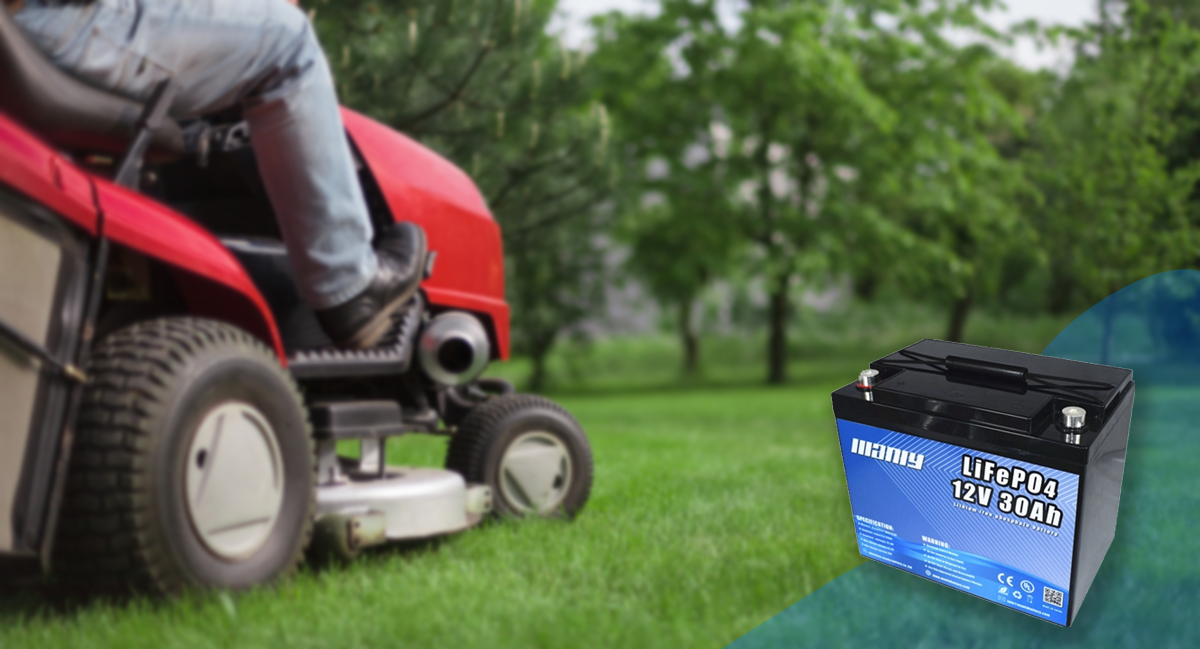
Image Source: manlybattery.com
Lawn Mower Battery Life: How Long Should A Lawn Mower Battery Last?
A lawn mower battery should typically last between 3 to 5 years. However, this is a general guideline, and the actual lawn mower battery lifespan can vary significantly based on several factors, including the type of battery, how it’s used and maintained, and the quality of the battery itself. This article will delve into the details of battery life expectancy for various mower batteries, explore factors influencing mower battery duration, and provide tips for maximizing mower battery performance.
Deciphering Rechargeable Lawn Mower Battery Lifespans
The world of lawn mowers has seen a significant shift towards electric power, making the electric mower battery a central component. Understanding the lifespan of these batteries is crucial for homeowners.
Lithium-Ion (Li-ion) Batteries
The most common type of battery in modern electric lawn mowers is the Lithium-Ion battery.
- Typical Lifespan: Li-ion batteries generally offer a good lifespan, often ranging from 3 to 5 years. Some high-quality batteries can even extend beyond this, reaching 6 or 7 years with proper care.
- Battery Charge Cycles: A key metric for Li-ion batteries is the number of battery charge cycles they can endure. Most high-quality Li-ion mower batteries are rated for 500 to 1000 charge cycles. A charge cycle is complete when you use the battery’s capacity and then recharge it back to full.
- Factors Affecting Lifespan:
- Depth of Discharge (DoD): Frequently draining the battery completely can shorten its lifespan. It’s better to recharge when the battery is around 20-30% capacity rather than waiting for it to die.
- Temperature Extremes: Storing or using the battery in very hot or very cold conditions can accelerate battery degradation.
- Charging Habits: Using the incorrect charger or overcharging the battery can also be detrimental. Modern chargers usually have built-in protections, but it’s still good practice to unplug them once charging is complete.
- Storage: Storing a Li-ion battery for extended periods in a fully charged or fully discharged state is not ideal. Storing it at around 50-60% charge in a cool, dry place is best.
Lead-Acid Batteries
While less common in newer models, some older or more budget-friendly electric mowers might still use lead-acid batteries.
- Typical Lifespan: Lead-acid batteries generally have a shorter lifespan than Li-ion batteries, typically lasting 2 to 3 years.
- Battery Charge Cycles: They usually have fewer battery charge cycles, often in the range of 200 to 500 cycles.
- Factors Affecting Lifespan:
- Deep Discharges: Lead-acid batteries are particularly susceptible to damage from deep discharges. Repeatedly running them until they are completely dead will significantly reduce their lawn mower battery lifespan.
- Maintenance: Some lead-acid batteries are “flooded” and require regular checking of electrolyte levels and topping them up with distilled water. Neglecting this maintenance can lead to premature failure. Sealed lead-acid (SLA) batteries are maintenance-free but still suffer from deep discharge issues.
- Sulfation: If a lead-acid battery is left discharged for a prolonged period, lead sulfate crystals can form on the plates, reducing its capacity and ability to hold a charge. This is a form of battery degradation that is often irreversible.
Gauging Battery Runtime
Beyond the overall lifespan, the battery runtime is what most users are concerned with on a day-to-day basis. This refers to how long the mower can operate on a single charge.
- Factors Influencing Runtime:
- Battery Capacity (Ah/Wh): Higher ampere-hours (Ah) or watt-hours (Wh) indicate a larger battery capacity, meaning it can store more energy and thus run for longer.
- Mowing Conditions:
- Grass Length and Density: Mowing tall, thick, or wet grass requires more power from the motor, leading to a shorter mower battery duration.
- Terrain: Hilly or uneven terrain can also put more strain on the motor and battery.
- Cutting Height: Lowering the cutting height typically requires more effort from the mower.
- Mower Motor Efficiency: Different mowers have varying motor efficiencies, which impacts how much energy is used.
- Blade Condition: Dull or damaged blades create more drag, forcing the motor to work harder and drain the battery faster.
- Battery Health: As a battery ages and undergoes battery degradation, its capacity diminishes, resulting in a shorter battery runtime.
Example: Rechargeable Lawn Mower Battery Runtime
Let’s consider a hypothetical scenario with two different Li-ion batteries for an electric mower:
| Battery Model | Voltage (V) | Capacity (Ah) | Watt-Hours (Wh) | Estimated Runtime (Average Conditions) |
|---|---|---|---|---|
| Battery A | 40V | 5.0 Ah | 200 Wh | 30-40 minutes |
| Battery B | 40V | 7.5 Ah | 300 Wh | 45-60 minutes |
As you can see, Battery B, with its higher capacity, provides a significantly longer battery runtime even with the same voltage.
Maximizing Mower Battery Performance and Longevity
To ensure your electric mower battery lasts as long as possible and maintains optimal mower battery performance, follow these best practices:
Proper Charging Practices
- Use the Right Charger: Always use the charger specifically designed for your mower’s battery type and voltage.
- Avoid Overcharging: While most modern chargers have overcharge protection, it’s still a good idea to disconnect the battery once it’s fully charged.
- Charge Before Storage: If you’re storing the mower for an extended period (e.g., over winter), charge the battery to about 50-60% and store it in a cool, dry place. Avoid storing it completely dead or fully charged.
- Don’t Charge a Hot Battery: Allow the battery to cool down to ambient temperature before charging if it’s been recently used.
Optimal Usage Habits
- Mow Dry Grass: Mowing when the grass is dry reduces the strain on the motor and battery.
- Avoid Deep Discharges: Try to recharge the battery before it reaches critically low levels.
- Maintain Your Mower: Keep the mower deck clean and ensure the blades are sharp and balanced. Dull blades increase resistance.
- Manage Battery Temperature: Avoid leaving the battery in direct sunlight or extreme cold for prolonged periods.
Storage and Maintenance
- Clean Battery Terminals: Ensure the battery terminals are clean and free of corrosion. This ensures good electrical contact.
- Store in a Suitable Environment: As mentioned, a cool, dry place is ideal for storing batteries when not in use.
- Regular Inspection: Periodically inspect the battery for any signs of physical damage, swelling, or leaks. If you notice any of these, it’s time for a replacement lawn mower battery.
Common Issues and Their Impact on Lawn Mower Battery Lifespan
Several issues can lead to a shortened lawn mower battery lifespan or premature failure.
Battery Degradation
Battery degradation is a natural process where a battery’s ability to store and deliver energy decreases over time and with use. This is inherent to all battery chemistries.
- Causes of Accelerated Degradation:
- High Temperatures: Heat is a major enemy of battery health.
- Deep Discharge Cycles: As discussed, repeatedly draining the battery completely.
- High Charge/Discharge Rates: Fast charging or demanding mowing conditions can put stress on the battery.
- Physical Damage: Dropping the battery or exposing it to impacts.
Memory Effect (Less common in modern Li-ion)
Older battery technologies, like Nickel-Cadmium (NiCd), suffered from a “memory effect” where they would lose capacity if repeatedly recharged after only partial discharges. Modern Lithium-Ion batteries do not have this issue.
Overheating
Overheating can occur during prolonged strenuous use, rapid charging, or if the battery is exposed to high ambient temperatures. This can cause irreversible damage and significantly reduce mower battery duration.
Physical Damage
Accidental drops, impacts, or corrosion on the terminals can all lead to a battery failing prematurely, necessitating a replacement lawn mower battery.
When to Consider a Replacement Lawn Mower Battery
Knowing when to replace your battery is as important as knowing how long it should last.
- Noticeable Reduction in Runtime: If you find that your mower runs for significantly less time on a full charge compared to when it was new, it’s a strong indicator of battery degradation.
- Inability to Hold a Charge: If the battery drains very quickly even after being fully charged, it may be at the end of its lawn mower battery lifespan.
- Physical Signs of Damage: Swelling, leaking, or corrosion on the terminals are clear signs that the battery is compromised and needs replacement.
- Slow or No Charging: If the charger indicates the battery is full but the mower doesn’t operate, or if the battery never reaches a full charge, it’s likely the battery has failed.
- Mower Performance Issues: If the mower starts to run slower, lose power unexpectedly, or fail to start even with a fully charged battery, the battery might be the culprit.
Factors Affecting Battery Life Expectancy Summary
To reiterate, the battery life expectancy of your lawn mower battery is influenced by a constellation of factors. Here’s a concise summary:
- Battery Chemistry: Li-ion generally outlasts lead-acid.
- Capacity: Higher capacity means longer battery runtime, but doesn’t directly dictate lifespan in years, though larger batteries often use higher-quality cells.
- Usage Patterns: Frequency of use, depth of discharge, and mowing conditions all play a role.
- Charging Habits: Proper charging is key to preventing premature wear.
- Storage Conditions: Temperature and charge level during storage are critical.
- Maintenance: Keeping terminals clean and the mower well-maintained.
- Quality of the Battery: Not all batteries are created equal; higher-quality batteries with better cell management systems tend to last longer.
Frequently Asked Questions (FAQ)
Here are some common questions related to lawn mower battery life:
Q1: Can I use a battery from a different brand in my lawn mower?
A1: Generally, no. It’s crucial to use the battery that is specifically designed for your lawn mower model. Different brands and models have different voltage, amperage, and connector requirements. Using an incompatible battery can damage your mower or the battery itself, and can be a safety hazard. Always check your owner’s manual for compatible battery specifications.
Q2: How do I know if my lawn mower battery needs to be replaced?
A2: You should consider a replacement lawn mower battery if you notice a significant decrease in battery runtime, the battery no longer holds a charge effectively, you see physical signs of damage like swelling or leaks, or if the mower’s performance is consistently poor despite a full charge.
Q3: Does extreme weather affect my lawn mower battery life?
A3: Yes, extreme weather, particularly high temperatures, can significantly accelerate battery degradation and shorten the lawn mower battery lifespan. Conversely, very cold temperatures can temporarily reduce the battery runtime and mower battery performance due to slower chemical reactions, but this effect is usually temporary. It’s best to avoid prolonged exposure of the battery to extreme heat or cold.
Q4: What is the average lifespan of a Lithium-Ion lawn mower battery?
A4: On average, a high-quality Lithium-Ion rechargeable lawn mower battery should last between 3 to 5 years. With excellent care and depending on the specific battery’s quality and battery charge cycles rating, some can last even longer, up to 6 or 7 years.
Q5: Should I always wait until my lawn mower battery is completely dead before recharging it?
A5: No, for Lithium-Ion batteries, it is actually better to avoid fully discharging them. Regularly recharging the battery when it’s around 20-30% capacity can help extend its overall lawn mower battery lifespan and improve mower battery performance. Deep discharges put more stress on the battery.
Q6: How can I improve the battery runtime of my electric mower?
A6: To improve battery runtime, ensure your blades are sharp, mow dry grass, avoid cutting overly tall or dense grass if possible, and make sure the battery itself is in good condition. Regularly cleaning the mower deck can also help reduce strain on the motor.
By adhering to these guidelines and maintaining a good understanding of your electric mower battery‘s needs, you can maximize its battery runtime, mower battery performance, and overall lawn mower battery lifespan, ensuring your mower serves you well for years to come.