
A lumpy lawn can be frustrating, creating an uneven lawn and tripping hazards. What causes these lawn bumps, and how can you fix them to achieve a smooth, beautiful yard? Common culprits range from animal activity and soil issues to natural settling and poor turf management.
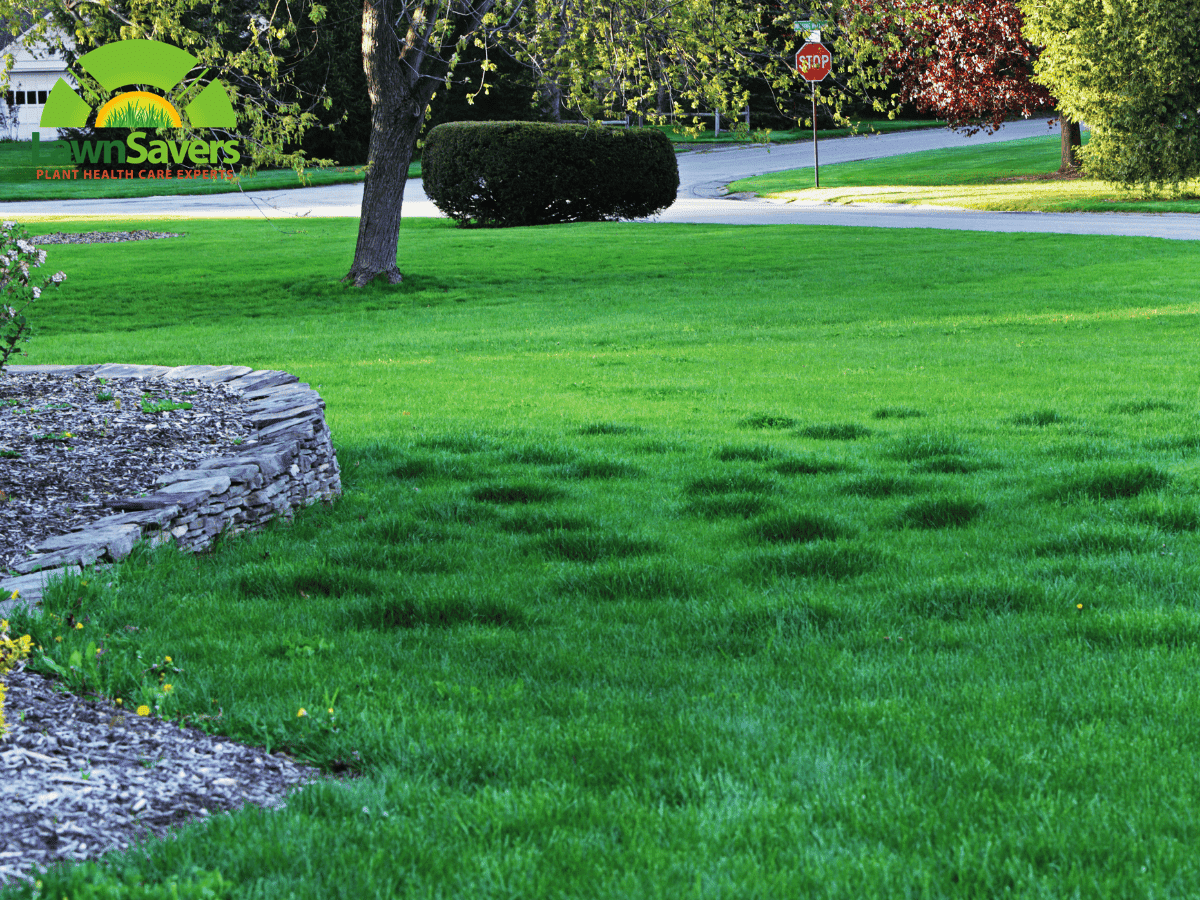
Image Source: lawnsavers.com
Deciphering the Causes of Bumpy Grass
Achieving a smooth, inviting lawn can feel like a constant battle. You might find yourself asking, “Why is my lawn so bumpy?” The answer often lies in a combination of factors affecting the soil and turf health. Let’s dive into the most frequent reasons for those frustrating lawn bumps.
The Role of Soil and Ground Movement
The very ground beneath your feet is not as static as it seems. Several natural and human-induced processes can lead to an uneven lawn.
Soil Settling
Over time, the soil in your lawn can settle. This is particularly common in newly established lawns or areas where the soil was recently disturbed, like after construction or landscaping work. When soil settles, it compresses, causing dips and low spots to form. This is a natural process, especially if you have heavier clay soils, which can compact more easily.
Freeze-Thaw Cycles
In regions with cold winters, the freeze-thaw cycle can wreak havoc on lawn surfaces. Water in the soil freezes and expands, pushing the soil and grass upwards. When it thaws, the soil contracts, leaving gaps and creating an uneven surface. Repeated cycles can lead to significant lumpiness and bumpy grass.
Poor Drainage and Water Accumulation
When water doesn’t drain away effectively, it can saturate the soil. This can lead to soil erosion in some areas and the formation of soft, mushy spots in others. Over time, these inconsistencies contribute to an uneven lawn. Areas with poor drainage might also experience soil heaving due to water saturation.
Uninvited Guests: Animal Activity
Your lawn can also become lumpy due to the tunneling activities of various creatures beneath the surface.
Molehills
Moles are subterranean mammals that dig extensive tunnel systems in search of food, primarily earthworms and grubs. As they tunnel, they push soil to the surface, creating characteristic conical mounds known as molehills. These are a very common cause of lawn bumps, especially in lawns with healthy insect populations that sustain the moles.
Vole Tunnels
While voles don’t typically create large mounds like moles, their shallow, surface-level tunnels can cause the grass above to die off and the ground to become uneven and spongy. These tunnels can collapse, leading to dips and depressions, contributing to an uneven lawn.
Grub Damage
Grubs are the larval stage of various beetles. They live in the soil and feed on grass roots. While they don’t directly cause mounds, significant grub damage weakens the turf, making it more susceptible to damage from other sources, like foot traffic, and can lead to patchy, sunken areas as the grass dies. This damage can contribute to the overall uneven lawn appearance.
Turf Management and Its Impact
How you care for your lawn also plays a significant role in its smoothness.
Thatch Buildup
Thatch is a layer of dead and living stems, roots, and crowns that accumulate between the green grass blades and the soil surface. A thin layer of thatch is beneficial, but excessive thatch (more than half an inch) can create a spongy, uneven surface. It also insulates the soil, hindering water and nutrient penetration and providing a habitat for pests. This dense layer can lead to bumpy grass and a less healthy lawn overall.
Uneven Topdressing or Soil Application
If you’ve recently added topsoil or compost to your lawn, uneven application can result in bumps and low spots. If the material isn’t spread uniformly, some areas will be higher than others, creating an uneven lawn.
Improper Mowing Practices
Mowing too low can stress the grass and expose the soil, making it more prone to damage and unevenness. Mowing with a dull blade can also tear the grass, leading to browning and weakening the turf, which can contribute to an uneven lawn over time.
Addressing Lawn Lumps: Your Solutions Guide
Now that we’ve explored the common causes, let’s look at practical solutions to smooth out your uneven lawn and banish those lawn bumps.
Tackling Soil Issues
Correcting underlying soil problems is crucial for a lasting solution.
Dealing with Soil Settling
For minor settling, you can often rake out the low spots and add a thin layer of good quality topsoil. For more significant depressions, you might need to lift the turf, fill the area with soil, and then replace the turf or reseed.
Managing Freeze-Thaw Damage
If freeze-thaw cycles are the culprit, good drainage is key. Consider installing drainage systems if water consistently pools in your yard. For existing unevenness, you can rake out the loosened soil, add a thin layer of topsoil, and reseed.
Improving Drainage
- Core Aeration: This process removes small plugs of soil from the lawn, allowing air, water, and nutrients to penetrate deeper into the root zone. It’s an excellent way to alleviate compaction and improve drainage. Regular lawn aeration is vital for a healthy, even lawn.
- Drainage Systems: For persistent waterlogging, consider installing a French drain or other drainage solutions.
- Leveling: In severe cases, you might need to regrade your lawn or create raised beds to manage water flow.
Evicting Unwanted Guests
Getting rid of burrowing animals and pests requires targeted approaches.
Mole Control
- Trapping: Live or kill traps can be effective. Place them directly in active tunnels.
- Repellents: Various sonic or granular repellents are available, though their effectiveness can vary.
- Eliminate Food Sources: Reducing the grub population in your lawn can make it less attractive to moles.
- Barriers: For specific areas, you can install underground barriers.
Vole Control
- Trapping: Similar to moles, trapping can be effective for voles.
- Repellents: Castor oil-based repellents are often used.
- Habitat Modification: Reduce overgrown vegetation around the lawn’s edges where voles tend to shelter.
Grub Treatment
- Identify the Grubs: Look for C-shaped, white larvae in the soil.
- Timing: Apply insecticides when grubs are most vulnerable, usually late summer or early fall.
- Biological Controls: Beneficial nematodes can be an effective organic solution.
Refining Your Lawn Care Routine
Consistent, proper lawn care prevents many issues that lead to lumpiness.
Thatch Management
- Dethatching (Power Raking): This process uses specialized equipment to pull up accumulated thatch. It’s best done in the spring or fall when the grass is actively growing.
- Core Aeration: As mentioned, lawn aeration also helps break down thatch by improving air and water circulation.
Proper Topdressing
- Even Spreading: Use a spreader or rake to ensure topsoil or compost is applied uniformly.
- Thin Layers: Apply topdressing in thin layers (no more than ¼ inch at a time) to avoid smothering the grass.
Smart Mowing
- Mow High: Follow the “one-third rule” – never remove more than one-third of the grass blade at a time.
- Sharp Blades: Keep your mower blades sharp to ensure clean cuts.
- Vary Mowing Patterns: This helps prevent soil compaction and encourages more upright grass growth.
Repairing an Uneven Lawn: Step-by-Step
If your lawn is already showing significant lawn bumps, here’s a general guide to repairing it.
Assessment and Preparation
- Identify the Cause: Before you start, try to determine why your lawn is lumpy. Is it molehills, soil settling, or something else? This will inform your approach.
- Gather Tools: You’ll likely need a rake, shovel, topsoil, seed or sod, and potentially a roller or compactor.
- Clear Debris: Remove any rocks, sticks, or other debris from the affected areas.
Repairing Small Bumps and Depressions
- For Hills (e.g., Molehills):
- Knock down the mound with the back of a rake or shovel.
- Break up any compacted soil.
- Level the area with a thin layer of topsoil if needed.
- Rake smooth and reseed or patch with sod.
- For Depressions:
- Loosen the soil in the depression with a rake or garden fork.
- Fill the depression with topsoil, leaving a slight crown (slightly higher than the surrounding area) to account for settling.
- Lightly tamp down the soil.
- Rake smooth and reseed or patch with sod.
Repairing Larger Uneven Areas
- Leveling: For larger areas, you may need to lift sections of turf using a spade or edger.
- Fill and Tamp: Fill the low spots with topsoil, ensuring it’s compacted gently. For high spots, you might need to remove some soil.
- Replace Turf or Reseed: Lay down sod or sow grass seed, ensuring good seed-to-soil contact.
- Water Gently: Water the repaired areas regularly until the new grass is established.
- Roll (Optional): After seeding or sodding, a light rolling can help ensure good contact between the soil and the seed/sod, further preventing bumpy grass from developing.
Preventing Future Lumps
- Regular Aeration: Incorporate lawn aeration into your annual care routine.
- Monitor for Pests: Address mole or grub problems promptly.
- Proper Irrigation: Ensure your lawn receives adequate water without becoming waterlogged.
- Seasonal Topdressing: Apply thin layers of compost or topsoil as needed for ongoing soil improvement.
The Impact of Lawn Aeration on Unevenness
Lawn aeration is a powerful tool for combating lumpiness. By creating small holes in the soil, it alleviates compaction, which is a major contributor to an uneven lawn.
How Aeration Helps
- Reduces Soil Compaction: Compacted soil doesn’t allow roots to grow deeply or water to penetrate effectively, leading to shallow root systems and uneven moisture distribution. Aeration breaks up this compaction.
- Improves Drainage: When soil is compacted, water sits on the surface. Aeration allows water to drain more freely, preventing the waterlogged conditions that can lead to surface unevenness.
- Breaks Down Thatch: The process of aeration also helps to expose thatch to air and microbial activity, accelerating its decomposition. Less thatch means a smoother surface.
- Stimulates Root Growth: With better access to air, water, and nutrients, grass roots grow deeper and stronger, anchoring the turf more effectively and making it more resilient to surface disturbances.
When to Aerate
The best times for lawn aeration are typically during the active growing seasons for your grass type:
- Cool-Season Grasses (e.g., Kentucky bluegrass, Fescue, Ryegrass): Early spring or early fall.
- Warm-Season Grasses (e.g., Bermuda, Zoysia, St. Augustine): Late spring or early summer.
Performing lawn aeration annually or bi-annually can significantly contribute to preventing and correcting an uneven lawn.
Can I Fix Lumpy Grass Myself?
Yes, you absolutely can fix lumpy grass yourself, especially for common issues like molehills or minor settling. Simple repairs involve raking down mounds, adding a bit of topsoil, and reseeding. For more severe problems, like widespread compaction or significant settling, it might require more effort, but the steps are still manageable for a dedicated homeowner.
What is the Best Time to Repair an Uneven Lawn?
The best time to repair an uneven lawn is generally during the active growing seasons of your grass type, as this allows for faster recovery and establishment of new grass.
- Spring: After the last frost, as new growth begins. This is ideal for addressing winter damage and preparing for the summer.
- Fall: Before the first hard frost. This is often considered the best time for cool-season grasses, as they thrive in cooler temperatures and have ample time to establish before winter.
Avoid making major repairs during extreme heat or drought, as this can stress the grass and hinder the success of your repair efforts.
Who Can Help with a Lumpy Lawn?
If you’re facing extensive or persistent lawn bumps, or if you’re unsure about the cause, consider consulting a professional.
- Lawn Care Companies: They have the expertise and equipment to diagnose issues and perform advanced repairs like core aeration, dethatching, and soil leveling.
- Landscapers: For more significant grading or drainage issues contributing to an uneven lawn, a landscaper can provide more comprehensive solutions.
Frequently Asked Questions (FAQ)
Q: My lawn has a lot of molehills. How can I get rid of them permanently?
A: Moles are primarily after food. The most effective way to reduce molehills long-term is to reduce their food source by controlling grub populations. You can also use mole traps or repellents, but these are often temporary solutions.
Q: Will rolling my lawn fix the bumps?
A: Light rolling can help settle loose soil after seeding or sodding, but it will not effectively flatten significant bumps caused by soil settling, animal activity, or compaction. In fact, excessive rolling on compacted soil can make the problem worse.
Q: How often should I aerate my lawn?
A: For most lawns, annual or bi-annual lawn aeration is recommended, especially if you notice signs of compaction or a buildup of thatch.
Q: I have bare patches where the grass died. How do I fix this and prevent it from becoming bumpy?
A: Clear out any dead grass and debris from the bare patch. Loosen the soil with a rake. Add a thin layer of topsoil if needed, rake it smooth, and then reseed or lay sod. Keep the area consistently moist until the new grass is established. This prevents sunken areas that contribute to an uneven lawn.
Q: What’s the difference between a molehill and a pocket gopher mound?
A: Molehills are typically conical mounds of loose soil with no visible entrance hole on the surface. Pocket gopher mounds are often crescent-shaped or fan-shaped piles of soil with a plugged-up hole to one side of the mound. Both contribute to bumpy grass.
By carefully assessing the cause of your uneven lawn and implementing the appropriate solutions, you can transform your bumpy turf into a smooth, healthy, and inviting green space. Regular maintenance, especially lawn aeration, will be your best allies in preventing future lawn bumps.