
So, you’re wondering, “How long does it take to mow a lawn?” The answer depends on several factors, but for a typical suburban yard, expect anywhere from 30 minutes to 2 hours. This guide will help you get a better estimate and make your mowing sessions more efficient.
Many homeowners find themselves asking: “How long to mow a lawn?” or “What is the average time to mow?” While there’s no single answer, a good estimate for lawn mowing time varies greatly. Factors like lawn size mowing time, the type of mower, your mowing speed, and even the terrain all play a significant role in the time to cut grass. Let’s dive deep into what influences your mowing duration and how to accurately calculate your personal grass cutting time estimate.
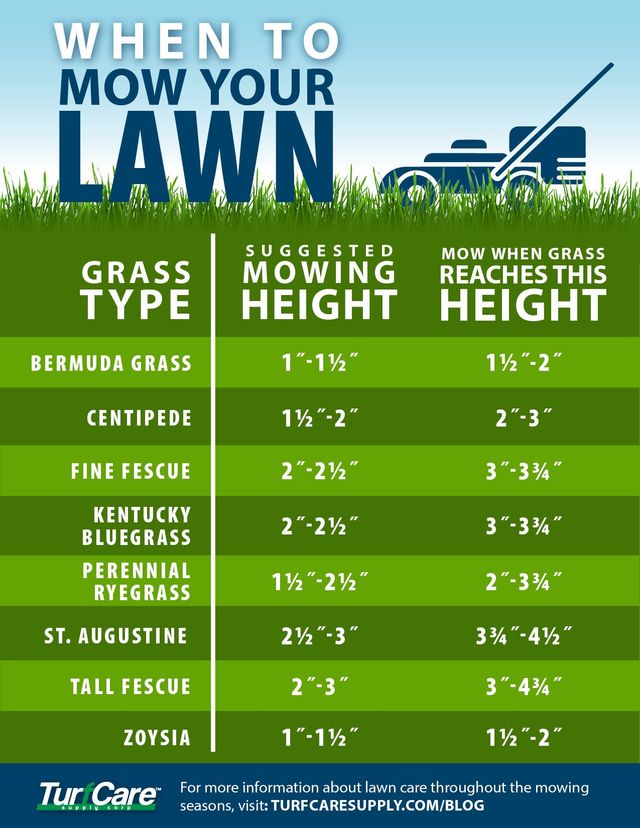
Image Source: lirp.cdn-website.com
Factors Affecting Mowing Time
Several elements contribute to how long it takes to get your lawn looking neat and tidy. Identifying these can help you plan your lawn care time more effectively.
1. Lawn Size
This is perhaps the most obvious factor. A larger lawn naturally requires more time to mow than a smaller one. It’s not just about the total square footage, but also the shape of the lawn. A long, narrow strip of grass might take longer to navigate than a square or rectangular area of the same size, especially if you have to make many turns.
- Small Lawns (Under 1,000 sq ft): These can often be mowed in 15-30 minutes.
- Medium Lawns (1,000 – 5,000 sq ft): Expect 30 minutes to 1 hour.
- Large Lawns (5,000 – 15,000 sq ft): This range can take 1 to 2 hours.
- Very Large Lawns (Over 15,000 sq ft): These may require multiple hours or even a full day, depending on the equipment used.
Table 1: Estimated Mowing Time by Lawn Size
| Lawn Size (sq ft) | Estimated Mowing Time (Minutes) |
|---|---|
| Under 1,000 | 15 – 30 |
| 1,000 – 2,500 | 25 – 45 |
| 2,500 – 5,000 | 40 – 70 |
| 5,000 – 10,000 | 60 – 120 |
| 10,000 – 15,000 | 90 – 150 |
| Over 15,000 | 120+ (Varies greatly) |
What is the average time to mow a residential lawn? For a typical suburban lawn of 5,000-10,000 sq ft, the average time to mow is generally between 1 hour and 1.5 hours.
2. Mower Type and Width
The type of mower you use and its cutting deck width significantly impact how long does mowing take.
- Push Reel Mowers: These are best for small, flat lawns. They are quieter and more eco-friendly but require more effort and time due to their narrower cutting paths and the physical exertion involved. A small lawn might take a bit longer with a reel mower than a powered mower, but the overall mowing duration is still relatively short.
- Rotary Push Mowers (Gas or Electric): These are the most common type for residential use. They have wider cutting paths than reel mowers, making the process faster.
- Cutting Width: A standard rotary mower might have a 20-22 inch deck. Wider decks (25-30 inches) will cover more ground per pass.
- Self-Propelled Mowers: These reduce the physical effort needed, allowing you to walk at a comfortable pace. This can sometimes lead to faster mowing as you’re not limited by your own walking speed.
- Riding Mowers and Lawn Tractors: These are designed for larger properties and offer the widest cutting decks (typically 30-60 inches or more). They dramatically reduce lawn mowing time for larger areas.
- Zero-Turn Mowers: These are highly maneuverable and efficient, especially on lawns with many obstacles or complex shapes. Their ability to turn on a dime means less time spent backing up and repositioning, speeding up the overall time needed to mow lawn.
3. Grass Height and Density
Longer, thicker, or denser grass takes more effort to cut and can slow down your mowing speed.
- Tall Grass: If your grass has grown significantly since the last mow, your mower will have to work harder. You might need to slow down to prevent bogging down the engine or clogging the deck. This increases grass cutting time estimate.
- Dense Grass: Lawns with very dense grass, like some fescues or bluegrasses, can be tougher to cut. The blades are more resistant, requiring more power from the mower.
- Wet Grass: Mowing wet grass is generally not recommended. It can clump, clog the mower, and lead to an uneven cut. If you must mow wet grass, expect it to take longer as you’ll likely need to stop and clear the deck more frequently.
4. Terrain and Obstacles
The lay of your land and the presence of objects in your yard can add significant time to your mowing.
- Slopes and Hills: Mowing on slopes can be slower and more challenging. You need to be cautious, especially on steep inclines, which might require a different mowing pattern or a more powerful mower.
- Obstacles: Trees, flower beds, garden furniture, children’s play equipment, and other obstacles require you to maneuver around them. This involves slowing down, making turns, and potentially mowing in smaller sections, all of which add to the total mowing duration.
- Weeds and Overgrowth: Areas with heavy weed growth or thick patches of overgrown grass will take longer to tackle.
5. Mowing Speed and Technique
Your personal pace and how you approach the task matter.
- Walking Speed: Some people walk faster than others. With a push mower, your walking speed directly influences how long to mow a lawn.
- Overlap Strategy: The amount of overlap you choose between mowing passes can affect efficiency. Too little overlap means you miss spots; too much means you’re re-mowing already cut areas, wasting time and gas. A good rule of thumb is to overlap each pass by about one-third to one-half of the cutting deck width.
- Mowing Pattern: Efficient patterns, like mowing in straight lines and making consistent turns, can save time. Avoiding unnecessary backtracking is key.
6. Mower Maintenance
A well-maintained mower operates more efficiently.
- Sharp Blades: Dull blades tear grass rather than cut it cleanly, requiring more power and potentially slowing down the mower. Sharp blades also contribute to a healthier lawn.
- Clean Air Filter and Spark Plug: A clean air filter and a good spark plug ensure the engine runs smoothly, providing optimal power for cutting.
- Proper Tire Inflation (for riding mowers): Properly inflated tires ensure the mower cuts at the correct height and moves smoothly.
7. Additional Tasks
Sometimes, the perceived lawn mowing time includes more than just pushing the mower.
- Edging and Trimming: If you also edge your lawn borders and trim around obstacles, this adds to the overall lawn care time.
- Clipping Management: If you bag your clippings, you’ll need to stop to empty the bag. If you mulch, the clippings are returned to the lawn, which is usually faster.
Estimating Your Personal Mowing Time
To get a more precise understanding of how long does mowing take for your specific situation, consider this approach:
- Measure Your Lawn: If you don’t already know, measure the approximate square footage of the area you need to mow. Online tools or simple tape measurements can help.
- Time Yourself: The best way is to time a few mowing sessions. Note down the start and end times for just the mowing portion.
- Track the Factors: While timing, mentally note the conditions: grass height, how full the clippings bag got, how many times you had to navigate around obstacles, and the general feel of the terrain.
Example Calculation (Hypothetical):
- Lawn Size: 6,000 sq ft
- Mower Type: 22-inch rotary push mower
- Observed Mowing Time: 55 minutes
- Factors Noted: Grass was moderately tall, few obstacles, even terrain, mulching clippings.
This observation gives you a baseline for your grass cutting time estimate under similar conditions. If the grass is longer next time, you might expect it to take 10-15 minutes longer. If you have to bag clippings, add another 5-10 minutes for emptying.
How to Reduce Mowing Time
Want to speed up your time to cut grass? Here are some expert tips:
- Mow More Frequently: Cutting the grass more often, even if it’s just a little bit each time, keeps it at a manageable height and density. This means less resistance for your mower and faster cutting. Aim to mow when no more than one-third of the grass blade is cut.
- Invest in a Wider Mower: If you have a large lawn, a mower with a wider cutting deck (e.g., a 30-inch push mower or a riding mower) can cut your mowing time significantly.
- Keep Blades Sharp: This is crucial. Sharp blades cut cleanly, requiring less power and preventing the mower from bogging down. Check and sharpen your blades at least once a season, or more if you mow frequently or encounter tough grass.
- Maintain Your Mower: Ensure your mower is in good working order. A clean air filter, a new spark plug, and fresh oil can improve engine performance and efficiency.
- Optimize Your Mowing Pattern: Plan your route to minimize turns and backtracking. Mowing in straight lines and finishing with perimeter passes can be more efficient.
- Clear Obstacles: Before you start mowing, take a quick walk around your yard and move any small items like toys, hoses, or garden tools. This saves time and prevents damage to your mower.
- Consider Robotic Mowers: For very large or complex lawns, a robotic mower can handle the task automatically, freeing up your time completely for other lawn care time. While the initial investment is higher, they can be a great time-saver.
- Edge and Trim Separately: If edging and trimming take a lot of time, consider doing them on a different day than mowing. This breaks up the lawn care time and allows you to focus solely on mowing when you do it.
What is the time needed to mow lawn with a rider mower?
For a homeowner with a typical suburban lawn (say, 8,000 sq ft) and a rider mower with a 42-inch deck, the time needed to mow lawn could be as little as 30-45 minutes, assuming relatively flat terrain and minimal obstacles. The wider the deck, the faster you’ll get the job done.
Frequently Asked Questions (FAQ)
Q1: How long should I spend mowing my lawn?
A1: This varies greatly based on lawn size, mower type, and grass conditions. For an average suburban lawn (5,000-10,000 sq ft) with a standard push mower, expect 45 minutes to 1.5 hours.
Q2: Does mowing height affect mowing time?
A2: Yes. Taller grass requires more effort from the mower and may necessitate slower speeds or multiple passes, increasing your mowing duration.
Q3: How often should I mow my lawn?
A3: Most lawns benefit from mowing weekly during the growing season. This keeps the grass healthy and prevents it from getting too long, which reduces the time to cut grass each session.
Q4: Is it faster to mow with a riding mower than a push mower?
A4: Absolutely. Riding mowers have much wider cutting decks and cover ground significantly faster than push mowers, especially on larger lawns. The time to cut grass can be reduced by more than half.
Q5: What is the fastest way to mow a lawn?
A5: The fastest way involves using a mower with the widest possible cutting deck for your lawn size, keeping the blades sharp, mowing frequently to keep grass at a manageable height, and using an efficient mowing pattern with minimal overlap and turns.
Q6: How much time does edging and trimming add to my lawn care?
A6: Edging and trimming can add anywhere from 15 minutes to over an hour, depending on the complexity of your lawn’s edges, the amount of landscaping, and the tools you use.
Q7: My lawn is on a hill. How does this affect my mowing time?
A7: Mowing on hills is slower and requires more caution. You’ll likely need to reduce your speed and plan your passes carefully, which will increase the time needed to mow lawn. A self-propelled mower or a riding mower designed for hills can help.
Q8: How long does it take to mow a quarter-acre lawn?
A8: A quarter-acre is about 10,890 sq ft. With a standard 21-inch push mower, this could take approximately 1 to 1.5 hours. Using a riding mower with a 42-inch deck, it could be reduced to around 30-45 minutes. This is a key part of lawn size mowing time considerations.
By considering these factors and applying the tips provided, you can better estimate your lawn mowing time and make your lawn care routine more efficient and enjoyable. Happy mowing!