
Riding lawn mower batteries typically operate at 12 volts.
This is the standard voltage for the vast majority of riding lawn mowers and lawn tractors. However, the specific lawn mower battery voltage can be just one piece of the puzzle when it comes to your mower’s electrical system. To truly understand your mower’s power needs, you’ll also want to look at other riding mower battery specs, such as amperage and capacity.
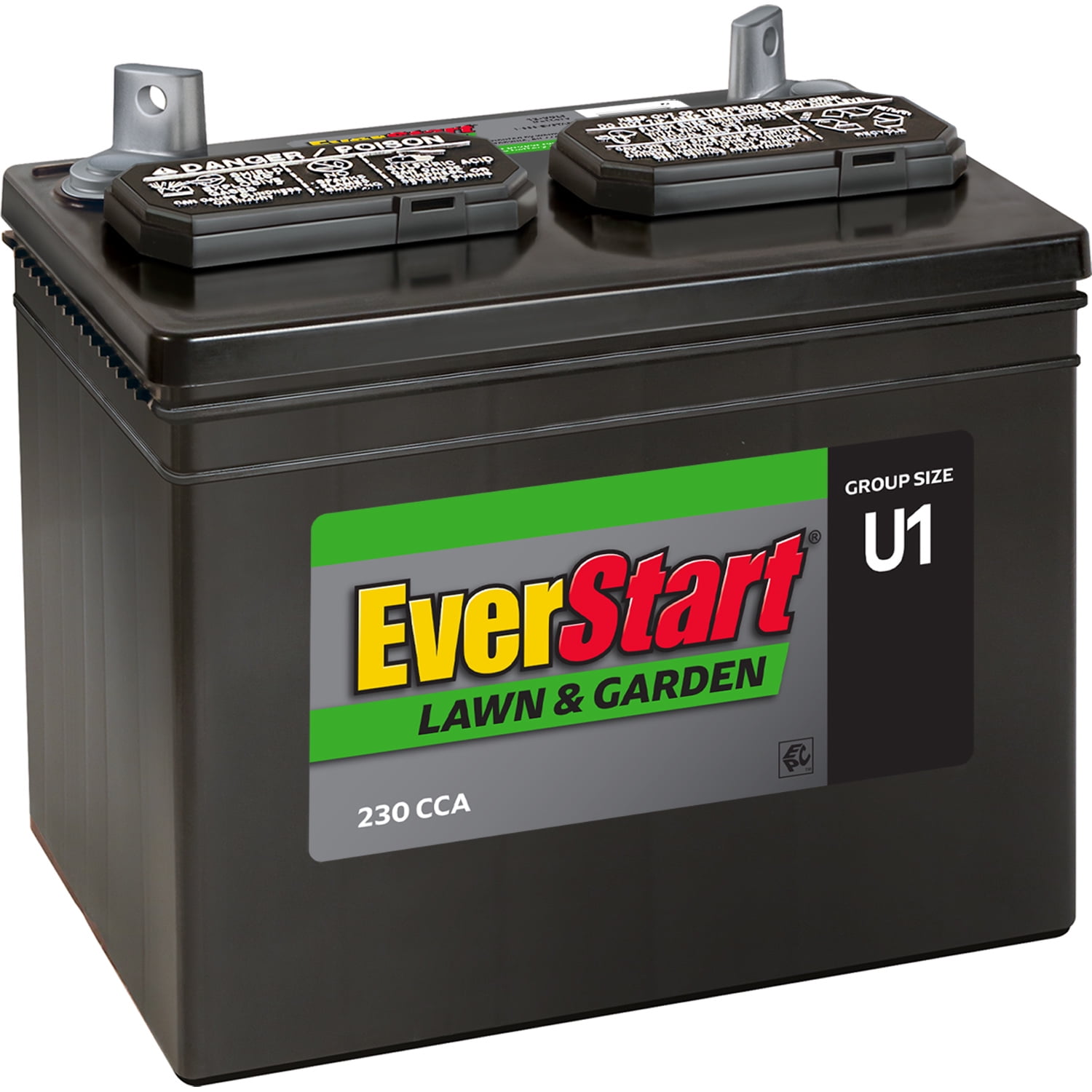
Image Source: i5.walmartimages.com
Delving into Riding Mower Battery Voltages
Most riders hum along with a 12-volt system. Think of voltage as the “push” that electricity gets to make things happen. A 12-volt battery provides enough of a push to crank the engine, power the lights, and run any accessories you might have. It’s a common and effective voltage for this type of equipment.
Why 12 Volts?
The choice of 12 volts isn’t random. It’s a sweet spot that balances power delivery with the size and weight of the battery. It’s also a widely adopted standard in the automotive industry, meaning many components are readily available and cost-effective.
Exploring Different Riding Mower Battery Types
When you’re looking at riding mower battery types, you’ll find they are usually categorized by their construction and technology. The most common type for riding mowers is the lead-acid battery, often specifically the “AGM” (Absorbent Glass Mat) or “SLA” (Sealed Lead Acid) variety.
- Flooded Lead-Acid Batteries: These are the traditional types you might think of with removable caps for adding water. They are less common in modern riding mowers due to their maintenance requirements.
- AGM (Absorbent Glass Mat) Batteries: These are a very popular choice. The electrolyte is absorbed in a mat of fine glass fibers. This means they are spill-proof and maintenance-free, making them ideal for the vibrations and sometimes tilted positions a mower might experience. This is a key type for many lawn tractor battery voltage applications.
- Gel Batteries: Similar to AGM, but the electrolyte is in a gel form. They also offer good vibration resistance and are spill-proof.
Less commonly, you might encounter lithium-ion batteries in some newer, high-end electric models, but for gas-powered riders, lead-acid variants dominate.
Fathoming Mower Battery Power: Amps and Capacity
While lawn mower battery voltage is crucial, it’s not the whole story of your mower’s power. You also need to consider amperage and capacity.
Ampere-Hours (Ah): The Stamina of Your Battery
Battery capacity is usually measured in Ampere-hours (Ah). This tells you how much current the battery can deliver over a period of time. For example, a battery with a 30Ah rating could theoretically deliver 3 amps for 10 hours, or 10 amps for 3 hours. This is a key metric when considering battery capacity lawn mower. A higher Ah rating generally means the battery can power your mower for longer or start it more times before needing a recharge.
Cold Cranking Amps (CCA): The Starting Muscle
Another important rating, especially in colder climates, is Cold Cranking Amps (CCA). This measures how much current the battery can deliver at 0°F (-18°C) for 30 seconds while maintaining at least 7.2 volts. A higher CCA rating means your mower will have an easier time starting in cold weather.
Reserve Capacity (RC): Endurance Under Load
Reserve Capacity (RC) is a rating that indicates how many minutes a fully charged battery can deliver 25 amps at 80°F (27°C) before dropping below 10.5 volts. This gives you an idea of how long the battery can sustain a load, such as running accessories or the engine at lower RPMs, if the charging system isn’t fully keeping up.
The Significance of 12 Volt Lawn Mower Battery
The universal adoption of the 12 volt lawn mower battery system means that starter motors, alternators, and other electrical components are designed to work with this specific voltage. Trying to use a battery with a different voltage would be incompatible and could damage your mower’s electrical system.
Starting Your Engine
The primary job of the battery is to provide the initial jolt of power to the starter motor. This motor then turns the engine over, allowing it to start. The 12-volt system provides enough torque to overcome the engine’s internal resistance, especially during the compression stroke.
Powering Accessories
Beyond starting the engine, the battery also powers lights, electric PTO (Power Take-Off) clutches for engaging mower blades, and any other electronic accessories on your riding mower. The mower battery power system ensures these components receive the correct voltage to function.
Riding Mower Battery Replacement: What to Look For
When it’s time for a riding mower battery replacement, you can’t just grab any battery off the shelf. You need one that matches the riding mower battery specs.
Key Specifications to Match:
- Voltage: This must be 12 volts.
- Terminal Configuration: Ensure the positive and negative terminals are in the same location and orientation as your old battery. This is crucial for connecting the cables correctly.
- Physical Dimensions: The new battery needs to fit snugly into the battery tray. Measure the old battery’s length, width, and height.
- Ampere-Hour (Ah) Rating: Aim for a battery with an Ah rating that is the same or slightly higher than your original battery.
- Cold Cranking Amps (CCA): If you operate in colder weather, choose a battery with a CCA rating that meets or exceeds your mower’s original specifications.
- Terminal Type: Most riding mowers use post terminals, but check what type your mower has.
Where to Find Information
You can usually find the necessary riding mower battery specs in your owner’s manual. If you don’t have the manual, look for labels on the existing battery. Sometimes, the mower manufacturer’s website or an online parts lookup tool can also provide this information.
Electric Lawn Mower Battery Amps and Beyond
While we’ve focused heavily on gas-powered riding mowers, it’s worth noting the electrical context for electric lawn mower battery amps. Electric mowers use batteries differently. Instead of a brief, high-draw burst to start an engine, their batteries provide continuous power to the motor that spins the blades.
- Voltage in Electric Mowers: Electric riding mowers can have a range of voltages, often higher than gas mowers, such as 24V, 36V, 48V, or even higher.
- Amperage in Electric Mowers: The amperage (or more precisely, the continuous discharge rate) and capacity (Ah) are critical for how long and how powerfully an electric mower can operate. You’ll see much higher Ah ratings for electric mower batteries, often in the hundreds, to provide sustained power. The electric lawn mower battery amps directly dictate run time and cutting performance.
Maintaining Your Riding Mower Battery for Longevity
Proper maintenance can significantly extend the life of your 12 volt lawn mower battery.
Regular Cleaning
- Keep the battery terminals clean. Corrosion can build up, hindering electrical flow. Use a wire brush and a mixture of baking soda and water to clean them. Rinse with clean water and dry thoroughly.
Checking Connections
- Ensure battery cables are securely fastened to the terminals. Loose connections can cause charging issues and poor starting.
Charging Practices
- If your mower sits for extended periods (like during winter), use a trickle charger or battery tender. This keeps the battery topped up and prevents it from discharging too deeply, which can damage the battery. Avoid overcharging, as this can also be detrimental.
Protecting from Extremes
- Extreme temperatures can affect battery performance and lifespan. If possible, store your mower in a temperature-controlled environment during harsh weather.
Troubleshooting Common Battery Issues
If your riding mower isn’t starting, the battery is often the culprit.
Symptoms of a Failing Battery:
- Slow engine crank
- Clicking sound when you turn the key
- No power to accessories (lights, etc.)
- Battery terminals appear corroded or swollen
Testing Your Battery
- Voltage Test: Using a multimeter, check the battery voltage when the mower is off. A fully charged 12-volt battery should read around 12.6 volts or higher. A reading below 12 volts often indicates a discharge or a problem.
- Load Test: The best way to determine if a battery is truly failing is with a load tester, which simulates the demands placed on the battery during starting. Most auto parts stores can perform this test for free.
The Interplay of Components in the Mower’s Electrical System
It’s important to remember that the battery is part of a larger system.
The Charging System: Alternator or Stator
Your riding mower has a charging system, usually an alternator or a stator, that generates electricity while the engine is running. This system recharges the battery and powers the mower’s electrical components. If the charging system fails, the battery will eventually discharge, and the mower will stop.
Starter Motor and Solenoid
The starter motor is a powerful electric motor that uses the battery’s power to turn the engine. The starter solenoid acts as a heavy-duty switch, directing battery power to the starter motor when you turn the ignition key.
Frequently Asked Questions (FAQ) about Riding Mower Batteries
Q1: Can I use a car battery on my riding mower?
While both are typically 12-volt, car batteries are designed for different demands. They often have higher CCA ratings and different physical dimensions. It’s best to use a battery specifically designed for riding mowers or lawn tractors to ensure a proper fit and appropriate performance.
Q2: How long should a riding mower battery last?
With proper maintenance, a riding mower battery can last anywhere from 3 to 5 years, sometimes longer. Factors like climate, usage patterns, and maintenance significantly influence its lifespan.
Q3: What does it mean if my riding mower battery is leaking?
If your battery is leaking, it’s a sign of serious damage. This could be due to overcharging, physical damage, or internal failure. You should replace it immediately, taking care to avoid contact with the leaked acid.
Q4: How do I know when to replace my riding mower battery?
Signs include a slow crank, failure to start, reduced power to accessories, and a battery that struggles to hold a charge. If your battery is more than 3-4 years old and you’re experiencing these issues, it’s likely time for a replacement.
Q5: What’s the difference between a starting battery and a deep-cycle battery for a mower?
Most riding mower batteries are “starting” batteries, designed for brief, high-current bursts to start an engine. “Deep-cycle” batteries are designed for sustained power output over longer periods, like those used in RVs or boats. While some specialized mowers might use deep-cycle batteries, standard starting batteries are the norm for typical gas riders.
Q6: How much is a riding mower battery?
The cost of a riding mower battery can vary widely, typically ranging from $60 to $150 or more, depending on the brand, size, specifications (like Ah and CCA), and type of battery.
Q7: Can I use a battery with a higher Ah rating than my original?
Generally, yes, using a battery with a higher Ah rating is usually fine and can even be beneficial, potentially offering longer run times for accessories or more starts between charges. Just ensure the voltage and physical dimensions are correct.
Q8: Does the brand of battery matter?
While many batteries share similar specifications, reputable brands often offer better quality control, longer warranties, and more consistent performance. It’s often worth investing in a known brand for reliability.
By focusing on the 12 volt lawn mower battery as the standard and paying attention to other crucial riding mower battery specs like amperage and capacity, you can ensure your mower starts reliably and performs at its best. Regular maintenance and knowing when to seek a riding mower battery replacement will keep your grass neatly trimmed season after season.