
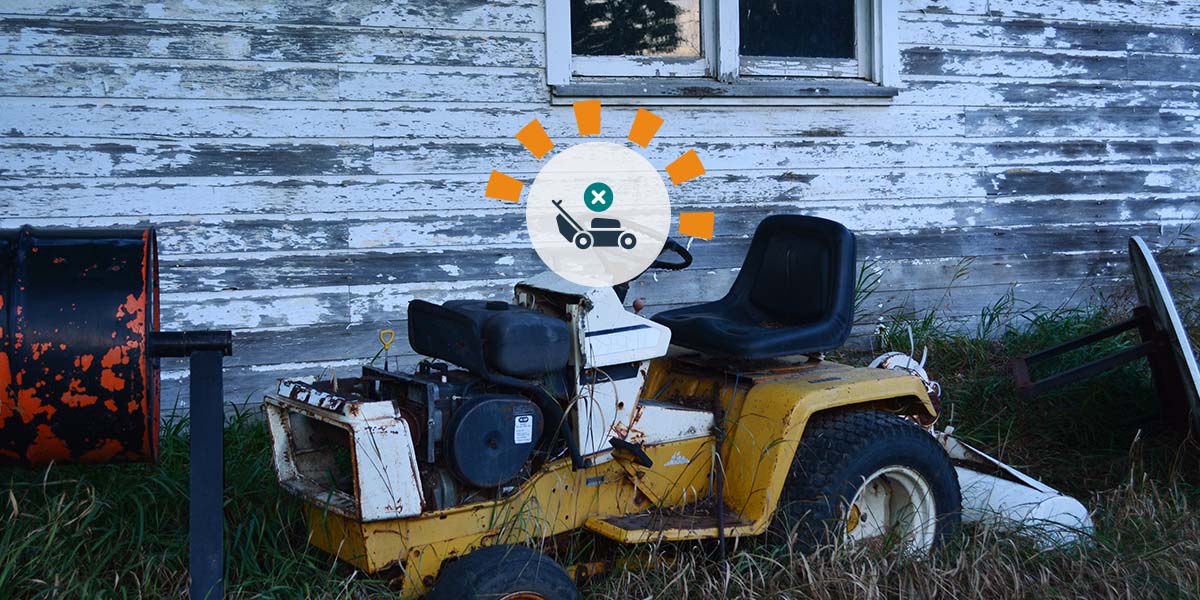
Image Source: dumpsters.com
How To Get Rid Of Old Lawn Mowers: Easy Ways
So, you have an old lawn mower that’s seen better days? Whether it’s a trusty push mower that’s finally given up the ghost, a powerful riding mower that’s too large to handle, or simply a mower you no longer need, figuring out how to get rid of it can be a bit of a puzzle. Can you just leave it on the curb? What are your options for lawn mower disposal? The good news is, you have several easy ways to handle old mower removal.
This guide will walk you through the most effective and straightforward methods for saying goodbye to your unwanted lawn mower, covering everything from selling it to responsible disposal.
When Is It Time to Say Goodbye to Your Mower?
Before we dive into the “how,” let’s touch on the “when.” Identifying when your lawn mower has reached the end of its useful life is key. Here are some common signs:
- Frequent Breakdowns: If you’re spending more time fixing it than mowing, it’s a clear indicator.
- Safety Concerns: Damaged parts, frayed cords, or malfunctioning safety features mean it’s time for a replacement.
- Inefficient Performance: If it struggles to cut grass, leaves uneven patches, or uses excessive fuel, its efficiency has likely diminished.
- Outdated Technology: Newer models often offer better fuel efficiency, easier starting, and improved safety features.
- Changing Yard Needs: Perhaps your yard has gotten smaller, or you’ve opted for a different type of lawn care, making your current mower unsuitable.
Options for Getting Rid of Your Old Lawn Mower
Now, let’s explore the different avenues for old mower removal. Each has its pros and cons, so consider what works best for your situation.
1. Sell Your Used Lawn Mower
If your mower is still in working condition, even if it’s old, selling it is a great way to recoup some of your investment. This is an excellent option if you want to sell used lawn mower items.
Preparing Your Mower for Sale
- Clean It Up: A good cleaning makes a big difference. Wash the deck, wipe down the body, and clean the engine area.
- Basic Maintenance: Ensure the oil is changed, the spark plug is clean, and the blade is sharp (if you’re comfortable doing this safely). If it’s a gas mower, make sure it runs smoothly.
- Note Any Issues: Be honest about any minor problems. Transparency builds trust.
Where to Sell
- Online Marketplaces: Websites like Craigslist, Facebook Marketplace, and eBay are popular choices for selling used items locally.
- Yard Sales: If you’re having a broader yard sale, include your mower.
- Local Classifieds: Check your local newspaper or community boards.
Pricing Your Mower
Research similar models online to get an idea of a fair price. Be realistic about the age and condition of your mower.
2. Donate Your Lawn Mower
Donating a working lawn mower is a fantastic way to help others and declutter your garage. Many organizations welcome functional equipment.
Who Accepts Lawn Mower Donations?
- Local Charities: Habitat for Humanity ReStores often accept tools and garden equipment.
- Community Gardens: Organizations that maintain community plots might need extra mowers.
- Non-Profit Organizations: Some youth groups, churches, or organizations that help low-income families with home maintenance might be able to use your mower.
- Vocational Schools: Schools with landscaping or auto mechanics programs might use older equipment for training.
How to Donate
- Contact First: Always call the organization before dropping off your mower to ensure they can accept it and to inquire about their specific donation process.
- Check for Requirements: Some organizations might have specific requirements regarding the condition or type of mower they can accept.
Donating is a rewarding way to donate lawn mower items and give your mower a second life.
3. Junk Lawn Mower Options: Recycling and Disposal
If your mower is beyond repair or too worn out to sell or donate, responsible disposal is crucial. Simply dumping it is harmful to the environment.
Lawn Mower Recycling
Lawn mower recycling is the most environmentally friendly option for a junk lawn mower. Mowers contain metal, plastic, and fluids that can be harmful if not disposed of properly.
- Local Recycling Centers: Many municipal recycling centers or waste management facilities have specific drop-off points for appliances and yard equipment. They can often break down the mower for its raw materials.
- Scrap Metal Yards: If your mower is primarily metal, a scrap metal yard might take it. They will pay you for the metal weight. This is a good way to deal with a scrap lawn mower.
- Special Collection Events: Keep an eye out for community hazardous waste or bulk item collection days. These often include options for disposing of old appliances and machinery.
Proper Disposal of Fluids
Before taking your mower for recycling or disposal, it’s important to handle any fluids properly:
- Gasoline: Drain all gasoline from the tank. Most auto parts stores or hazardous waste facilities accept used gasoline. Never pour it down drains or onto the ground.
- Oil: Similarly, drain the engine oil. Used motor oil can often be recycled at auto parts stores or designated collection sites.
- Battery (Electric Mowers): If you have a battery-powered mower, the battery may need to be recycled separately, often at electronics recycling centers or battery drop-off locations.
4. Selling for Parts
If your mower has some usable components but is otherwise defunct, you might consider selling it for parts. This can be a good option for a junk lawn mower where individual parts are still valuable.
- Advertise as “For Parts”: List your mower online with a clear description that it’s being sold for spare parts.
- Target Enthusiasts: Lawn mower repair enthusiasts or those looking for specific components might be interested.
5. Trade-In Programs
When purchasing a new lawn mower, many retailers offer lawn mower trade-in programs. This is a convenient way to get rid of your old one while getting a discount on a new purchase.
- Check with Retailers: Ask the dealer or store where you plan to buy your new mower if they accept trade-ins.
- Condition Matters: The value of your trade-in will depend on the age, condition, and model of your old mower. Some may offer a credit even for non-working units.
6. Hiring a Junk Removal Service
If you have a particularly heavy or difficult-to-move mower, or if you’re simply short on time, hiring a junk removal service is an easy solution.
- Convenience: These services will come to your home, load the mower, and take it away for disposal or recycling.
- Cost: This is usually the most expensive option, but it offers maximum convenience. Get quotes from a few different companies to compare prices.
- Ask About Disposal Practices: When booking a service, inquire about their disposal methods to ensure they follow environmentally sound practices.
Special Considerations for Different Mower Types
The process for lawn mower disposal can vary slightly depending on the type of mower you have.
Disposing of Riding Mowers
Disposing of riding mower units can be more challenging due to their size and weight.
- Weight: Riding mowers are much heavier than push mowers, making them harder to transport.
- Recycling Centers: Ensure the recycling center or scrap yard you choose can handle the weight and size of a riding mower.
- Junk Removal: For riding mowers, a professional junk removal service is often the easiest option.
Getting Rid of Broken Mowers
If you need to get rid of broken mower units, the options remain similar:
- Recycling is Key: Broken mowers are prime candidates for recycling.
- Scrap Yards: If it’s mostly metal and significantly damaged, a scrap yard is a good bet.
- Inform Buyers: If selling for parts, be very clear about the extent of the damage.
Environmental Responsibility in Lawn Mower Disposal
It’s essential to be mindful of the environmental impact when disposing of old equipment.
- Hazardous Materials: Lawn mowers, especially gas-powered ones, contain oil, gasoline, and batteries. These can contaminate soil and water if not handled properly.
- Recycling Benefits: Recycling conserves natural resources and reduces the amount of waste sent to landfills. Metal parts can be melted down and used to create new products.
- Avoid Landfills: Whenever possible, avoid sending your old mower to a general landfill. Look for specialized recycling programs or facilities.
Table: Comparing Your Old Lawn Mower Disposal Options
| Option | Best For | Pros | Cons |
|---|---|---|---|
| Sell Used | Working or easily fixable mowers | Recoup costs, give mower a second life | Requires effort to clean, list, and meet buyers; might not sell quickly. |
| Donate | Working or lightly used mowers | Helps others, tax deduction possibilities, environmentally friendly | Mower must be in good condition; some charities have specific needs. |
| Recycle | Non-working, old, or damaged mowers | Most environmentally friendly, diverts waste from landfills, can sometimes get paid for scrap metal | Requires finding a suitable recycling facility; need to drain fluids properly. |
| Sell for Parts | Mowers with valuable working components | Recoup some cost for a broken mower | Requires identifying usable parts and finding buyers for them; can be time-consuming. |
| Trade-In | When purchasing a new mower | Convenient, provides discount on new purchase | Value may be low, only available when buying new; not all retailers offer it. |
| Junk Removal Service | Heavily damaged, very large, or when convenience is key | Hassle-free, saves time and effort | Most expensive option; ensure the service recycles responsibly. |
| Scrap Yard | Mowers with significant metal content, beyond repair | Earn money for the metal | May have weight/size limitations; need to transport the mower. |
Frequently Asked Questions About Getting Rid of Old Lawn Mowers
Q1: Can I just leave my old lawn mower on the curb for trash pickup?
A1: In most areas, you cannot simply leave a lawn mower on the curb for regular trash pickup. It’s considered bulk waste, and many municipalities have specific rules for its disposal, often requiring special pickup arrangements or drop-off at designated facilities. Improper disposal can lead to fines.
Q2: How do I drain the gas from my mower?
A2: First, ensure the engine is cool. You can use a siphon pump to transfer the gasoline from the tank into an approved container. Never use your mouth to start a siphon. Dispose of the gasoline at a local hazardous waste collection site or a service station that accepts it.
Q3: Is it safe to transport an old lawn mower with gas still in it?
A3: It is not recommended and is often illegal to transport a lawn mower with gasoline in the tank due to fire hazards. Always drain the fuel before transporting it for sale, donation, or disposal.
Q4: What if my mower is electric? How do I dispose of it?
A4: Electric mowers still need proper disposal. If it has a lead-acid battery, that battery often needs to be recycled separately at a battery drop-off location or electronics recycling center. The rest of the mower can usually be recycled with other metal and plastic items at appropriate facilities.
Q5: Where can I find a local lawn mower recycling center?
A5: You can usually find a local recycling center by checking your city or county’s waste management website. Many also have search tools to find recycling locations for specific items like appliances or scrap metal. You can also call your local waste disposal authority for guidance.
Q6: My mower is really old and has some oil leaks. Can I still sell it or donate it?
A6: If your mower has oil leaks, it’s generally not suitable for donation. For selling, you must be upfront about the leaks, as it can significantly affect its value and desirability. It’s often best to consider recycling or scrap options for a mower with significant fluid leaks.
By following these guidelines, you can efficiently and responsibly get rid of old lawn mowers and keep your yard clutter-free while protecting the environment.