
What is an army worm and can I spot them in my lawn? Yes, armyworms are the caterpillar stage of certain moths, and they can certainly infest your lawn, causing significant damage. This guide will help you identify the signs and effectively detect these destructive pests.
Diagnosing lawn damage can be tricky, especially when distinguishing between various lawn pests. If you’re noticing unusual patches of dead or thinning grass, it’s crucial to identify the culprit to implement the right lawn care and pest control strategy. Armyworms are notorious for their rapid consumption of turfgrass, and early detection is key to preventing widespread destruction.
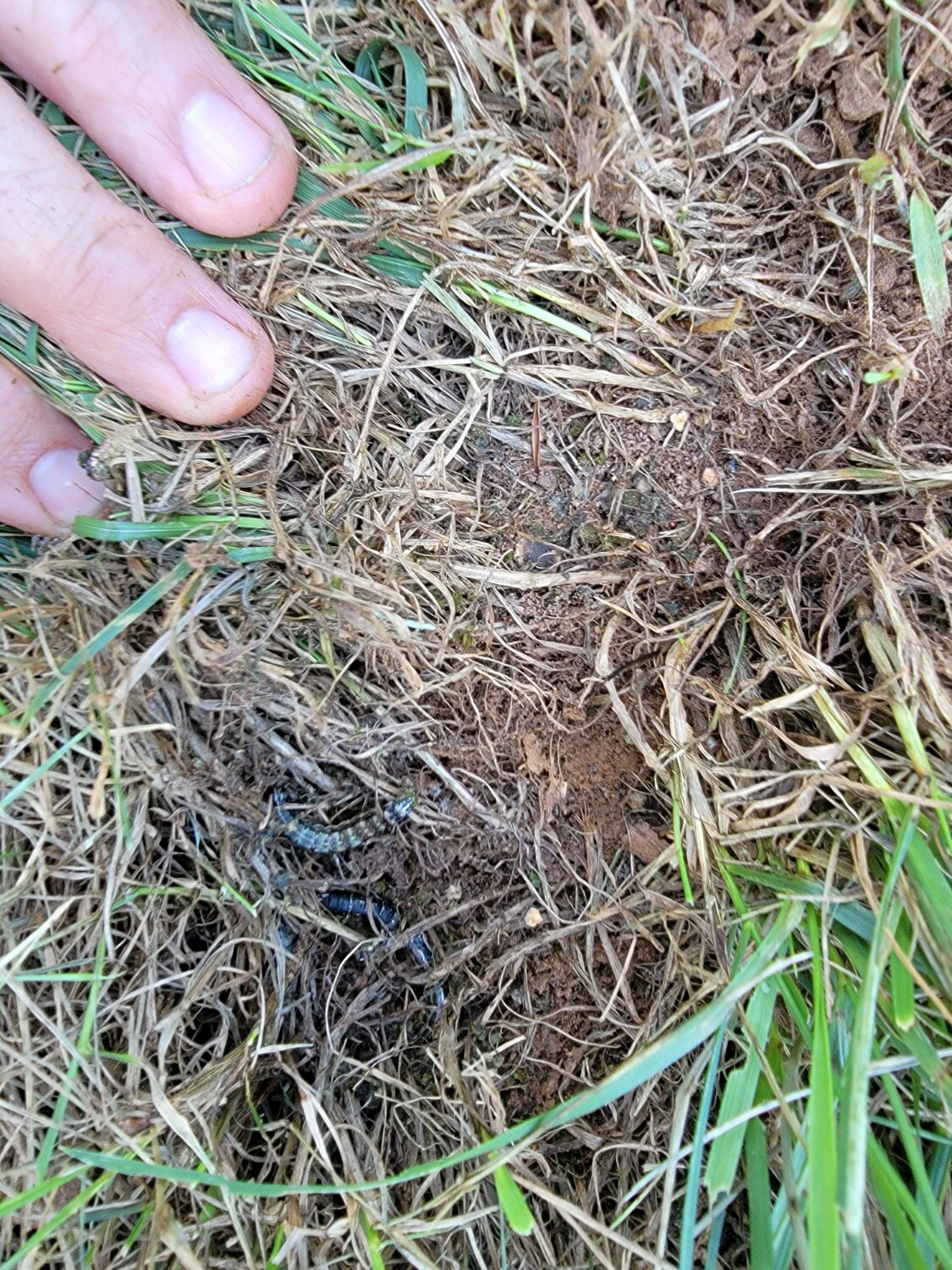
Image Source: naturalawn.com
Identifying Armyworm Damage: What to Look For
Armyworm damage is often mistaken for other lawn issues, such as drought stress, fungal diseases, or even grub infestations. However, there are distinct characteristics that set armyworm damage apart.
Early Signs of Armyworms
The first signs of an armyworm infestation might appear subtle. You may notice:
- Thinning Grass: Small, irregular patches of grass that appear lighter green or begin to thin out.
- Chewed Blades: Individual grass blades might show signs of chewing, appearing ragged or eaten from the tip downwards.
- Increased Bird Activity: Birds, particularly robins and blackbirds, are attracted to lawns with armyworm populations as they are a food source. You might see them pecking at the grass more frequently.
Advanced Armyworm Damage
As the infestation progresses and the armyworm population grows, the damage becomes much more apparent and severe. Look for:
- Brown Patches in Lawn: These patches can start small and rapidly expand. They often appear as if the lawn has been scorched or is suffering from severe drought.
- “Frosted” Appearance: In some cases, the grass blades may be skeletonized, meaning the green tissue is eaten away, leaving only the white, central vein. This gives the lawn a frosted or grayish appearance.
- Visible Caterpillars: At higher populations, you might be able to see the armyworms themselves, especially in the early morning or late evening. They are typically active during these cooler periods.
- Silk Threads: Heavy infestations can sometimes leave behind fine silk threads, particularly on the grass blades.
Armyworm Life Cycle and Their Impact on Your Lawn
To effectively detect and manage armyworms, it’s helpful to understand their life cycle and how they damage your turfgrass.
The Armyworm Life Cycle
- Egg Stage: Adult moths lay clusters of eggs, usually on grass blades or other plant material. These egg masses are often covered in a fuzzy, scale-like material.
- Larval Stage (The Caterpillar): This is the destructive stage. Armyworm caterpillars hatch from the eggs and begin feeding voraciously on grass blades. They are typically active at night or during overcast, humid weather. During the day, they often hide in the thatch layer or soil.
- Pupal Stage: Once fully grown, the caterpillars burrow into the soil or thatch to pupate. This is a resting stage where they transform into moths.
- Adult Moth Stage: The adult moths emerge from the pupae and begin the cycle anew by laying eggs.
How Armyworms Cause Lawn Damage
Armyworms are surface feeders. They consume the blades of turfgrass, which can lead to several problems:
- Reduced Photosynthesis: By eating the green leafy parts of the grass, armyworms significantly reduce the plant’s ability to photosynthesize, leading to stress and death.
- Weakened Root Systems: Stressed grass plants may divert energy from root development to blade regeneration, making them more susceptible to other environmental stresses like heat and drought.
- Complete Lawn Loss: In severe infestations, armyworms can decimate an entire lawn in a matter of days, leaving behind only bare soil.
Distinguishing Armyworms from Other Lawn Pests
A common challenge in lawn care is correctly identifying the pest causing the damage. This is where lawn pest identification becomes crucial. You might wonder, “Is it grub vs armyworm?” or suspect a fungal issue.
Armyworms vs. Grubs
Both grubs and armyworms are common lawn pests, but their damage and appearance are different:
| Feature | Armyworms | Grubs |
|---|---|---|
| Appearance | Caterpillars, soft-bodied, various colors | C-shaped white larvae, firm bodies |
| Feeding Habit | Feed on grass blades from the surface | Feed on grass roots from below the soil surface |
| Damage Pattern | Patches of brown, skeletonized blades, “frosted” look | Irregular brown patches, spongy turf, can lift like a carpet |
| Visible Signs | Caterpillars on surface, chewed blades | Visible grubs when digging, damaged roots |
Armyworms vs. Fungal Diseases
Fungal diseases often create circular brown patches, but they typically don’t involve visible chewing on the grass blades. The blades themselves might appear matted or discolored. Armyworm damage often has a more chewed, ragged appearance.
How to Detect Armyworms: A Step-by-Step Guide
Effective detection requires a proactive approach and a keen eye for detail. Here’s how you can actively look for armyworms and their signs:
1. The “Soap Flush” Method
This is one of the most effective ways to bring hidden armyworms to the surface.
-
What you need:
- A bucket
- Mild liquid dish soap (about 1-2 tablespoons)
- Water
- A watering can or hose with a sprayer
-
How to do it:
- Mix the dish soap with a gallon of water in the bucket.
- Pour the soapy water onto a suspected infested area of your lawn (about a 2-3 square foot section).
- Wait for 5-10 minutes. The soap irritates the armyworms and causes them to surface, making them easier to spot.
- Observe the area carefully for any caterpillars moving on the surface.
2. Visual Inspection
Regularly walk your lawn, especially during peak armyworm season (late summer and early fall, but they can appear at other times depending on the species and region).
- Inspect at Dawn and Dusk: Armyworms are most active feeding in the early morning and late evening. Look for caterpillars crawling on the grass blades or on the soil surface.
- Check the Thatch Layer: During the day, armyworms often hide in the thatch layer (the layer of dead and living organic matter between the green grass blades and the soil). Gently part the grass blades to look for them.
- Examine Damaged Areas: Focus your inspection on any areas that show signs of wilting, browning, or chewing.
3. Look for Adult Moths
While the caterpillars are the damaging stage, spotting the adult moths can be an early warning sign.
- Appearance: Armyworm moths are typically brown or grayish with distinct markings on their wings.
- Behavior: They are nocturnal and are attracted to lights. You might see them around outdoor lights in the evening.
Common Armyworm Species and Their Identification
Several species of armyworms can infest lawns. While their damage is similar, their appearance can vary. Knowing the common types can aid in precise lawn pest identification.
Fall Armyworm (Spodoptera frugiperda)
- Appearance: Caterpillars vary in color from greenish to brown or black. They have a distinctive inverted “Y” marking on the forehead of their head. A dark stripe runs down each side of their body.
- Damage: Known for their voracious appetite and ability to damage a wide range of grasses, including turfgrass. They can cause rapid defoliation.
Yellowstriped Armyworm (Spodoptera ornithogalli)
- Appearance: Caterpillars are typically dark brown or black with prominent yellow or orange stripes along their sides. They may also have a reddish or yellowish stripe down the back.
- Damage: Feeds on a variety of plants, including turfgrass, causing chewed foliage.
Beet Armyworm (Spodoptera exigua)
- Appearance: Caterpillars are typically pale green to dark green, with a darker stripe down the back and a yellowish stripe on each side. They are generally smaller than fall armyworms.
- Damage: Can cause significant damage to lawns, appearing as chewed grass blades and thinning areas.
Sod Webworms (Crambus spp. and others)
While not technically “armyworms,” sod webworm caterpillars cause similar damage to lawns and are often mistaken for them.
- Appearance: Sod webworm caterpillars are typically light brown or grayish with dark spots or stripes. They are usually found in silken tunnels in the thatch.
- Damage: They feed on grass blades, often cutting them off at the base and pulling them into their tunnels. This results in brown, irregular patches.
Timing is Key: When to Expect Armyworms
Knowing when armyworms are most likely to appear in your region can help you be more vigilant with your lawn care.
- Peak Season: In many parts of the United States, armyworm populations often peak in late summer and early fall. This is when adult moths from overwintering populations or those migrating from warmer climates lay their eggs.
- Warm Seasons: Armyworms thrive in warm weather. You might see initial infestations in the spring or early summer, with subsequent generations causing more significant damage later in the season.
- Environmental Factors: Favorable weather conditions, such as prolonged periods of warm, humid weather, can lead to increased armyworm populations.
Managing and Treating Armyworms
Once you’ve confirmed an armyworm infestation, prompt action is essential for effective pest control.
Non-Chemical Control Methods
- Encourage Natural Predators: Birds, beneficial insects (like parasitic wasps and predatory beetles), and toads are natural enemies of armyworms. Creating a healthy, diverse landscape can attract these beneficial creatures.
- Proper Lawn Maintenance: Maintaining a healthy lawn is your first line of defense.
- Watering: Water deeply and infrequently to promote deep root growth, making the grass more resilient.
- Mowing: Mow at the proper height for your grass type. Taller grass shades the soil, keeping it cooler and more moist, which can deter some pests.
- Aeration and Dethatching: Reducing thatch buildup can make the lawn less hospitable to pests. Aerating improves soil health and drainage.
- Hand Picking: For small infestations, you can manually pick the caterpillars off the lawn, especially during your early morning or late evening inspections.
Chemical Control Options
If non-chemical methods are insufficient or the infestation is severe, chemical treatments may be necessary. Always follow product label instructions carefully.
- Insecticides: Various insecticides are effective against armyworms. They are available in granular or liquid formulations.
- Contact Insecticides: These kill armyworms on contact. They are often fast-acting but may require reapplication.
- Systemic Insecticides: These are absorbed by the plant and kill the armyworms when they feed on the treated grass. They offer longer-lasting control.
- Biological Insecticides: Products containing Bacillus thuringiensis (Bt) are biological insecticides that are highly effective against caterpillars and are safe for beneficial insects, pets, and humans. Bt works by disrupting the digestive system of the caterpillars.
Important Considerations for Treatment:
- Timing: Apply treatments when the armyworms are actively feeding and are small (younger larvae are more susceptible).
- Coverage: Ensure thorough coverage of the affected areas, including the thatch layer, where they may be hiding.
- Reapplication: Depending on the product and the severity of the infestation, reapplication may be necessary.
Lawn Care Strategies to Prevent Future Infestations
A robust lawn care program is crucial for preventing armyworms and other lawn pests from becoming a problem.
Key Lawn Care Practices
- Healthy Soil: Ensure your soil is healthy and balanced. Soil testing can identify nutrient deficiencies.
- Proper Fertilization: Fertilize your lawn appropriately for its type and the season. A well-fed lawn is more resistant to pest damage.
- Consistent Watering: Maintain a consistent watering schedule, especially during dry periods.
- Regular Mowing: Mow at the recommended height for your grass type.
- Thatch Management: Aerate and dethatch your lawn annually or as needed to prevent thatch buildup.
- Overseeding: Overseeding can help fill in thin areas and improve the overall density of your lawn, making it less susceptible to pest establishment.
Early Detection Through Regular Monitoring
The best defense is a good offense. Make regular inspections of your lawn a part of your routine lawn care. By spotting the early signs of armyworm damage or the presence of caterpillars, you can intervene before the infestation escalates and causes significant brown patches in lawn.
Frequently Asked Questions (FAQ)
Q1: How quickly do armyworms damage a lawn?
A1: Armyworms can cause extensive damage very rapidly, sometimes within a matter of days, especially during peak feeding periods and favorable weather conditions.
Q2: Can armyworms kill my lawn completely?
A2: Yes, in severe infestations, armyworms can consume all the green blades of grass, leading to the death of the lawn if left untreated.
Q3: Are armyworms harmful to pets or humans?
A3: Armyworms themselves are generally not harmful to pets or humans. However, the insecticides used for their control can be harmful if not used according to label instructions. Always keep pets and children away from treated areas until they are dry and safe.
Q4: What is the best time of year to find armyworms?
A4: While they can appear at other times, armyworms are most commonly found and cause significant damage during the late summer and early fall in many regions.
Q5: What is the difference between armyworm damage and drought damage?
A5: Drought damage typically causes grass to turn a uniform tan or brown color as it wilts due to lack of water. Armyworm damage is characterized by chewed grass blades, skeletonization, and irregular patches of brown, often appearing more rapidly than drought stress. The soap flush test is key to differentiating them.
By following this comprehensive guide on how to detect armyworms in your lawn, you can become a more informed and effective lawn care manager, ensuring a healthy and vibrant turf. Remember, prompt identification and appropriate action are key to combating these destructive lawn pests.