
Image Source: lawnsavers.com
How To Stop Skunks From Digging Up Your Lawn
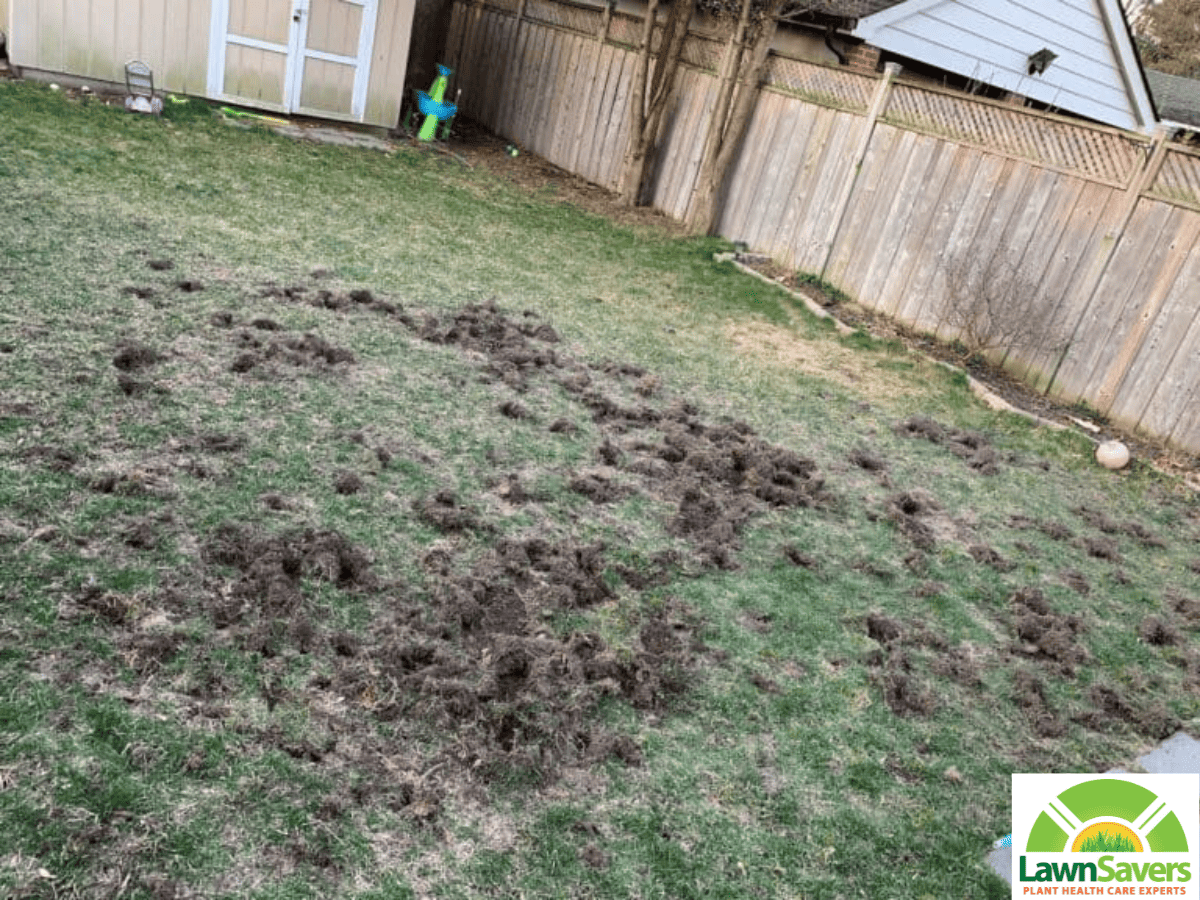
Do skunks dig up lawns looking for grubs? Yes, skunks often dig up lawns in search of food, primarily beetle grubs and other insects found in the soil. This digging can be quite destructive, leaving your yard looking like a minefield.
Dealing with skunks digging up your lawn can be a frustrating experience. Those telltale divots and holes are not only unsightly but also indicate a potential food source is attracting these nocturnal visitors. But don’t despair! There are effective ways to manage the situation and encourage these stripey creatures to find their meals elsewhere. This in-depth guide will explore various methods to repel skunks from your yard, focusing on humane skunk control and skunk digging prevention. We’ll cover everything from simple deterrents to more involved solutions to protect your garden from skunks and keep skunks out of flower beds.
Why Skunks Dig
To effectively stop skunks from digging, it’s important to grasp why they do it in the first place. Skunks are opportunistic eaters. Their primary diet consists of insects, grubs, worms, small rodents, eggs, and fruits. When the soil in your lawn or garden is rich with beetle grubs or other tasty invertebrates, skunks see it as a buffet. They use their sharp claws to excavate the soil, tearing up your grass and plants in the process.
Identifying Skunk Activity
Before you can implement solutions, you need to be sure it’s skunks causing the damage. While other burrowing animals in lawn pests can create similar holes, skunks have a distinctive digging pattern.
- Hole Size and Shape: Skunk holes are typically cone-shaped or plug-shaped, about 3-4 inches in diameter, and relatively shallow. They are usually concentrated in patches rather than spread randomly.
- Grub Damage: If you see small, shallow holes in your lawn, especially after a rain or in areas where you suspect grub infestations, skunks are a likely culprit.
- Droppings: Skunk droppings are often found near their feeding areas. They can resemble cat or dog droppings but are usually filled with insect parts or undigested food.
- Smell: The most obvious sign is, of course, the odor of skunk spray. While skunks usually only spray when threatened, a faint musky odor around your property might indicate their presence.
Effective Skunk Deterrents
The goal is to make your lawn and garden an unattractive dining and living space for skunks. This involves a multi-pronged approach, combining scent deterrents, habitat modification, and physical barriers.
Scent-Based Repellents
Skunks have a keen sense of smell, and certain odors are highly unpleasant to them. Using skunk repellents that target their sense of smell can be very effective.
Natural Skunk Deterrents
Many homeowners prefer natural skunk deterrents to avoid harsh chemicals. These often involve strong, pungent scents that skunks dislike.
- Castor Oil: This is a popular and effective natural repellent. Skunks reportedly detest the smell and taste of castor oil. You can create a solution by mixing 2-3 tablespoons of castor oil with a gallon of water and a tablespoon of mild liquid soap (to help it emulsure). Spray this mixture liberally on affected areas of your lawn, especially where you see digging. Reapply after rain.
- Essential Oils: Certain essential oils, such as peppermint, eucalyptus, citronella, and lavender, have strong scents that can deter skunks. Mix about 10-15 drops of your chosen oil (or a combination) with water in a spray bottle. You can also soak cotton balls in these oils and place them around the perimeter of your yard or in areas where skunks are active.
- Ammonia: The strong smell of ammonia can mimic the scent of predators to skunks. Soak rags or cotton balls in ammonia and place them in shallow containers around your yard. Be cautious with ammonia, as it can be harmful if ingested by pets or children, so place it in areas inaccessible to them.
- Cayenne Pepper/Chili Powder: Skunks have sensitive noses and mouths. Sprinkling cayenne pepper or chili powder around the areas they frequent can be a mild irritant and deterrent. However, this needs frequent reapplication, especially after rain or watering, and can be washed away by sprinklers.
Commercial Skunk Repellents
There are various commercially available skunk repellents designed to deter these animals. These often contain ingredients like predator urine (fox or coyote), essential oils, or other compounds that skunks find offensive.
- Granular Repellents: These are typically spread on the lawn and release a scent that drives skunks away. Follow product instructions carefully.
- Liquid Sprays: Similar to natural sprays, these are applied to affected areas. They can be effective but may require frequent reapplication.
Important Note on Scent Repellents: For any scent-based deterrent, consistency is key. Skunks are creatures of habit, and you’ll need to reapply repellents regularly, especially after rain, to maintain their effectiveness.
Habitat Modification
Making your yard less appealing for skunks is a crucial step in skunk digging prevention.
Eliminating Food Sources
The most effective way to repel skunks from yard is to remove their food sources.
- Grub Control: The primary attractant for skunks digging up lawns is usually grubs. Implementing an effective grub control program for your lawn can significantly reduce skunk activity. Look for products that target common lawn grubs, and apply them according to the manufacturer’s instructions. Healthy, well-maintained lawns are also less susceptible to grub infestations.
- Secure Trash Cans: Skunks are also attracted to garbage. Ensure your trash cans have tight-fitting lids and that they are not left out overnight or are accessible.
- Pet Food: Never leave pet food outdoors, especially overnight. Even small amounts can attract skunks.
- Fallen Fruit: If you have fruit trees, clean up fallen fruit promptly.
- Bird Feeders: While bird feeders themselves don’t attract skunks, the seeds and food dropped on the ground can attract insects, which in turn attract skunks. Clean up spilled seed regularly.
Eliminating Shelter
Skunks seek out sheltered areas to den. Removing these can make your property less inviting.
- Seal Entry Points: Skunks love to burrow under sheds, decks, porches, and other structures. Inspect these areas for any openings and seal them with sturdy wire mesh (like hardware cloth) or solid materials. Ensure any existing burrows are vacated before sealing them, as trapping an animal inside is inhumane.
- Remove Debris: Piles of wood, rocks, or other debris can provide ideal hiding and nesting spots for skunks. Clean up your yard and remove such clutter.
- Trim Vegetation: Overgrown bushes and dense ground cover can also offer shelter. Trim back dense foliage, especially around the foundation of your home and outbuildings.
Physical Barriers and Exclusion
While less common for broad lawn areas, physical barriers can be effective for specific areas like flower beds.
- Chicken Wire or Hardware Cloth: For flower beds or vegetable gardens, you can temporarily install chicken wire or hardware cloth around the perimeter. Bury it a few inches into the ground to prevent burrowing underneath. This is a good way to keep skunks out of flower beds.
- Netting: In some cases, fine-mesh netting can be draped over plants or garden areas, although this can be cumbersome for larger areas.
Dealing with Existing Burrows
If you find an active skunk burrow on your property, humane skunk control is paramount.
- Locate the Burrow: Identify the main entrance and any secondary exits.
- Wait for Occupants to Leave: Skunks are nocturnal. The best time to approach a burrow is during the day when they are likely inside. However, to humanely evict them, you should wait until dusk or dawn when they are likely to be out foraging.
- Use Repellents: Once you suspect the skunk is out, you can try to discourage them from returning. Place strong-smelling deterrents (like those mentioned earlier) near the burrow entrance. You can also try placing ammonia-soaked rags or mothballs (use sparingly and with caution, as mothballs can be toxic) near the entrance.
- Block the Entrance (After Eviction): The most critical step is to block the burrow entrance after you are certain the skunk has left. You can do this with rocks, soil, or wire mesh. However, never seal a burrow entrance during the day when the skunk might be inside, as this would be inhumane and could lead to its death.
Skunk-Proofing Your Yard: A Comprehensive Plan
A successful strategy for preventing skunk damage involves a consistent and multi-faceted approach.
Step 1: Identify and Eliminate Food Sources
- Grub Treatment: Apply a grub control product to your lawn in late spring or early summer, following label instructions. This is often the most crucial step.
- Waste Management: Secure all outdoor garbage cans with tight lids.
- Pet Food: Bring pet food bowls inside after feeding.
- Outdoor Eating Areas: Clean up any food scraps or spills from patios and outdoor dining areas.
Step 2: Remove Shelter and Harborage
- Seal Under Structures: Inspect decks, porches, sheds, and crawl spaces for entry points. Use sturdy hardware cloth or chicken wire to seal any holes. Ensure you check for existing inhabitants before sealing.
- Yard Cleanliness: Remove piles of wood, rocks, leaves, and other debris that provide hiding places.
- Vegetation Management: Trim back overgrown shrubs and bushes, especially near the house.
Step 3: Implement Deterrents
- Regular Application: Consistently apply your chosen skunk deterrents, whether they are natural sprays, commercial repellents, or scent-based solutions.
- Targeted Placement: Focus on areas where you see the most digging and around potential entry points.
- Variety: Consider rotating different types of deterrents to prevent skunks from becoming accustomed to a single scent.
Step 4: Monitor and Maintain
- Regular Inspections: Periodically check your lawn and garden for new signs of digging.
- Reapply as Needed: Be prepared to reapply repellents after rain or heavy watering.
- Long-Term Strategy: Skunk prevention is an ongoing effort, especially during spring and fall when they are most active in foraging for food.
Frequently Asked Questions (FAQ)
Q1: Will castor oil hurt my grass?
A1: When diluted properly with water and soap as described, castor oil should not harm your lawn. However, it’s always a good idea to test a small, inconspicuous area first. Excessive application without dilution could potentially harm grass.
Q2: Can I use mothballs to repel skunks?
A2: While mothballs are sometimes suggested as a deterrent, they are generally not recommended. Mothballs contain naphthalene or paradichlorobenzene, which can be toxic to pets, children, and wildlife if ingested. Their effectiveness is also debatable, and they can leave a lingering chemical odor. Natural skunk deterrents are generally a safer choice.
Q3: How long does it take for skunk repellents to work?
A3: The effectiveness of repellents can vary. Some may provide immediate relief, while others might take a few applications or a week or two to significantly deter skunks. Consistency in application is more important than speed.
Q4: What should I do if a skunk is sprayed by my dog?
A4: If your dog or a pet is sprayed, a mixture of hydrogen peroxide (1 quart), baking soda (1/4 cup), and liquid dish soap (1-2 teaspoons) is a common homemade remedy. Apply this solution to the affected areas of your pet immediately, avoiding their eyes. Rinse thoroughly afterward. You may need to repeat the process.
Q5: Are skunks dangerous to humans or pets?
A5: Skunks are generally not aggressive and will typically try to escape rather than spray. However, they can carry rabies, so it’s advisable to avoid direct contact. If you see a skunk acting aggressively or exhibiting unusual behavior, keep your distance and contact local animal control.
Creating an Uninviting Environment: A Summary Table
| Method | Description | Effectiveness for Skunk Digging Prevention |
|---|---|---|
| Eliminate Food Sources | Remove grubs, secure trash, don’t leave pet food out. | High |
| Remove Shelter | Seal under decks/sheds, remove debris, trim vegetation. | High |
| Castor Oil Spray | Diluted castor oil sprayed on lawn. | Moderate to High |
| Essential Oil Sprays | Sprays or cotton balls soaked with oils like peppermint, eucalyptus. | Moderate |
| Ammonia-Soaked Rags | Rags soaked in ammonia placed strategically. | Moderate |
| Cayenne Pepper | Sprinkled on the ground. Needs frequent reapplication. | Low to Moderate |
| Commercial Repellents | Granular or liquid products with predator scents or strong odors. | Moderate to High |
| Physical Barriers | Wire mesh around gardens or flower beds. | High (for protected areas) |
By implementing these strategies, you can effectively deter skunks from digging up your lawn and transform your yard back into a pristine and enjoyable space. Remember, patience and consistency are your allies in this endeavor to repel skunks from yard and maintain a beautiful landscape.