
Can you kill mushrooms in your lawn? Yes, you can take steps to eliminate mushrooms from your lawn and improve its overall health. This guide will walk you through effective methods for mushroom control and lawn health.
Mushrooms sprouting on your lawn can be unsightly and, in some cases, a sign of underlying issues. While not all lawn mushrooms are harmful, their presence often indicates excessive moisture, thatch buildup, or nutrient imbalances. Effectively dealing with them is a key part of yard maintenance and ensuring a lush, green space.
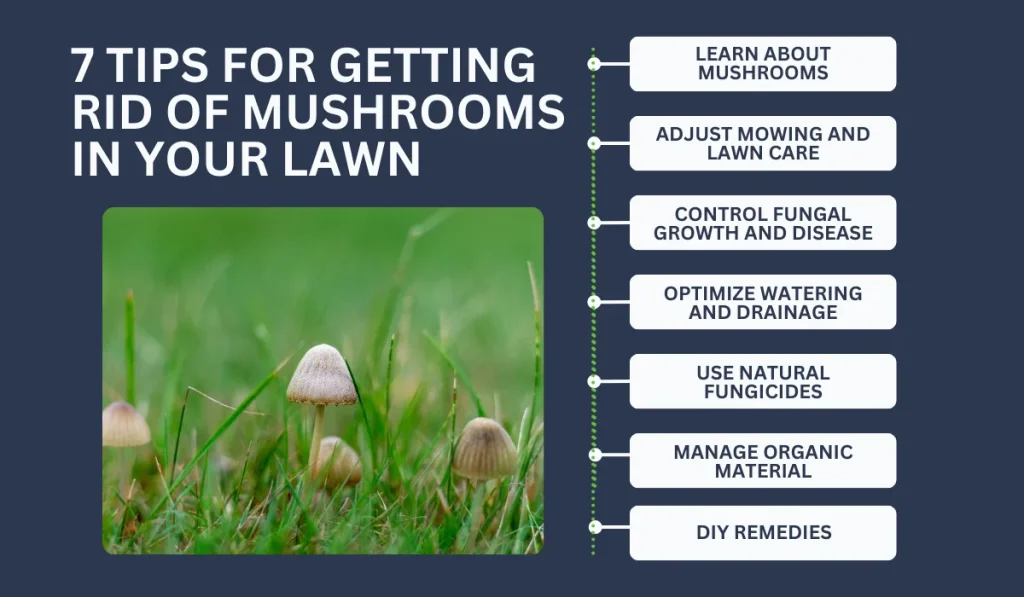
Image Source: sodlawn.com
Why Mushrooms Appear in Lawns
Mushrooms, also known as toadstools, are the fruiting bodies of fungi. These fungi exist underground as a network of threads called mycelium. When conditions are right, the mycelium produces mushrooms. Several factors contribute to their appearance in your lawn:
- Excess Moisture: Fungi thrive in damp environments. Overwatering, poor drainage, or prolonged periods of rain can create ideal conditions for fungal growth.
- Thatch Buildup: Thatch is a layer of dead and living grass stems, roots, and debris that accumulates on the soil surface. A thick thatch layer can retain moisture, providing a perfect breeding ground for fungi.
- Decomposing Organic Matter: Buried roots, stumps, animal droppings, or decaying leaves can serve as food sources for fungi.
- Shady Areas: Shaded parts of the lawn tend to stay moist longer, making them more susceptible to fungal issues.
- Compacted Soil: Compacted soil restricts air and water circulation, leading to poor drainage and increased moisture retention.
Methods for Mushroom Control
Addressing mushroom growth involves a multi-pronged approach, focusing on eliminating the existing mushrooms and, more importantly, tackling the root causes that encourage fungal growth.
Immediate Removal of Mushrooms
The most straightforward approach is to physically remove the mushrooms when they appear.
Manual Removal Techniques
- Pulling: Gently pull the mushrooms and their stalks from the ground. Try to get the entire mushroom, including the base, to prevent regrowth from remnants.
- Shoveling/Digging: For larger clusters or deeply rooted mushrooms, use a shovel or trowel to carefully dig them out. Ensure you remove as much of the mycelium as possible.
- Bagging: Place removed mushrooms in a plastic bag and dispose of them in the trash. This prevents the spores from spreading to other areas of your lawn or garden.
Important Note: While removing visible mushrooms offers a temporary fix, it doesn’t address the underlying conditions that promote fungal growth.
Long-Term Mushroom Management and Prevention
Effective lawn care goes beyond simply picking mushrooms. It involves creating an environment that discourages their growth.
Reducing Moisture Levels
- Proper Watering: Water your lawn deeply but infrequently. Aim to moisten the soil about 6 inches deep. This encourages deeper root growth and reduces surface moisture. Water early in the morning so the grass has time to dry before evening.
- Improve Drainage: If your lawn has poor drainage, consider aeration. This process creates small holes in the soil, allowing water and air to penetrate better. For persistent drainage issues, you might need to install a drainage system.
- Trim Overhanging Branches: If trees or shrubs are casting excessive shade and keeping the lawn perpetually damp, consider trimming them to allow more sunlight and airflow.
Managing Thatch
- Dethatching: A thatch layer thicker than half an inch can be problematic. Use a dethatching rake or a power dethatcher to remove excess thatch. This should be done in the spring or fall when the grass is actively growing.
- Aeration: Aerating your lawn also helps break down thatch by improving air and water circulation to the soil and roots.
Addressing Soil and Organic Matter
- Remove Debris: Regularly rake your lawn to remove fallen leaves, grass clippings, and other organic debris that can decompose and feed fungi.
- Bury or Remove Large Organic Matter: If you suspect buried wood or roots are the cause, carefully dig them up and remove them from the lawn.
- Improve Soil Health: Healthy soil promotes healthy grass, which can better compete with fungi. Incorporate compost or other organic matter to improve soil structure and nutrient content.
Chemical Treatments: Fungicides
When preventive measures aren’t enough, or if you’re dealing with a severe lawn disease caused by fungi, a fungicide can be an option.
How Fungicides Work
Fungicides are chemicals designed to kill or inhibit the growth of fungi. They work in various ways:
- Contact Fungicides: These remain on the surface of the plant or soil and kill fungi on contact. They need to be reapplied after rain or mowing.
- Systemic Fungicides: These are absorbed by the plant or soil and move throughout the system, providing longer-lasting protection from within.
Choosing and Applying Fungicides
- Identify the Fungal Problem: Different fungi respond to different fungicides. If you suspect a specific lawn disease, it’s helpful to identify it.
- Read the Label: Always read and follow the instructions on the product label carefully. This includes recommended application rates, safety precautions, and the types of fungi the product targets.
- Application Timing: Apply fungicides when conditions are favorable for fungal growth, often during periods of high humidity or rainfall.
- Targeted Application: Apply the fungicide directly to the affected areas. Broad-spectrum application might not be necessary and can harm beneficial soil organisms.
Caution: Over-reliance on fungicides can lead to resistance in fungal populations. It’s best to use them as a last resort and in conjunction with cultural practices. Some lawn problems that look like mushrooms can also be a result of other issues, so accurate diagnosis is key. If you’re unsure, consult a local garden center or extension office.
Natural and Organic Mushroom Removal
For those who prefer organic mushroom removal, several approaches can be effective. These methods focus on improving the lawn environment and using natural substances.
Baking Soda Solution
- How it Works: Baking soda can alter the soil pH, making it less hospitable to certain fungi.
- Preparation: Mix 1 tablespoon of baking soda with 1 gallon of water.
- Application: Spray the solution directly onto the mushrooms and the surrounding soil. Repeat as needed.
Vinegar Solution
- How it Works: Vinegar is acidic and can help kill fungi on contact.
- Preparation: Mix equal parts white vinegar and water.
- Application: Spray the solution directly onto the mushrooms. Be cautious, as vinegar can also harm grass if applied directly in high concentrations. It’s best to use this on the mushrooms themselves rather than the entire lawn.
Milk Spray
- How it Works: Some studies suggest that milk, particularly skim milk, has antifungal properties due to certain proteins it contains.
- Preparation: Mix 1 part milk with 3 parts water.
- Application: Spray the mixture onto the affected areas. This is a gentler approach and may require frequent applications.
Corn Gluten Meal
- How it Works: While primarily known as a natural pre-emergent weed killer, corn gluten meal also contains proteins that can inhibit fungal spore germination. It acts as a natural soil amendment.
- Application: Spread a layer of corn gluten meal over the lawn during the active growing season.
Beneficial Microorganisms
- How it Works: Introducing beneficial microbes into the soil can help outcompete and break down harmful fungi.
- Application: You can find products containing beneficial bacteria and fungi at garden supply stores. Follow the product instructions for application.
What About “Weed Killers”?
It’s important to clarify that a weed killer is designed to eliminate unwanted plants and is not effective against fungi. Mushrooms are not plants; they are fungi. Using a weed killer on mushrooms will not achieve mushroom control and could potentially harm your lawn’s grass. Always use products specifically formulated for fungal growth or lawn disease when dealing with mushrooms.
Identifying Common Lawn Fungi
While you can’t always identify the specific type of fungus causing the mushrooms, recognizing patterns can help.
Fairy Rings
Fairy rings are circular patterns of mushrooms that appear in the lawn. They are caused by the outward growth of the underground mycelium. The grass within the ring can sometimes appear darker green or even be dead in the center, depending on the severity and the fungal species.
Dealing with Fairy Rings
- Improve Aeration and Drainage: This helps break up the fungal network.
- Dethatch: Remove any accumulated thatch that might be contributing to moisture retention.
- Water Deeply: Encourage deeper root growth to help the grass outcompete the fungus.
- Fungicides: In severe cases, a systemic fungicide applied according to label instructions might be necessary to penetrate the soil and reach the mycelium.
Leaf Spot Fungi
Certain fungi cause leaf spot diseases in grass. While these primarily affect the grass blades, some can produce small mushrooms at the base of the grass or in the thatch layer as a secondary effect.
Slime Molds
Slime molds are not true fungi but are often mistaken for them. They appear as colorful, slimy, or powdery patches on grass blades, thatch, or soil. They feed on decaying organic matter and bacteria.
Managing Slime Molds
- Physical Removal: Slime molds are generally harmless to grass and can be washed away with a strong spray of water or brushed off the grass blades.
- Reduce Moisture: As with true fungi, reducing excess moisture can help prevent their recurrence.
- Aeration: Improving air circulation can discourage slime mold growth.
When to Seek Professional Help
If you’re struggling with persistent mushroom growth or suspect a serious lawn disease, it’s wise to consult a professional.
- Lawn Care Professionals: Experienced lawn care services can diagnose the specific fungal issue and recommend the most appropriate treatment plan, including specialized fungicide applications and cultural practices.
- University Extension Offices: Local agricultural extension offices often have resources and experts who can help identify lawn disease and provide tailored advice for your region.
Creating a Healthy Lawn Environment
The best defense against mushrooms and other fungal problems is a healthy, resilient lawn. Focus on these fundamental aspects of lawn care:
Proper Mowing
- Mow at the Correct Height: Different grass types have different ideal mowing heights. Generally, mowing too short can stress the grass, making it more vulnerable to disease.
- Keep Mower Blades Sharp: Dull blades tear grass, creating wounds that are entry points for fungi.
Fertilization
- Balanced Nutrition: Use a balanced fertilizer appropriate for your grass type and the season. Over-fertilizing, especially with nitrogen, can lead to rapid, weak growth that is more susceptible to disease.
- Soil Testing: Consider getting a soil test to determine nutrient deficiencies or excesses.
Overseeding
- Fill in Thin Spots: Bare patches of lawn are prime real estate for weeds and fungi. Overseeding with a suitable grass seed can help fill in thin areas, creating a denser turf that is more resistant to problems.
Frequently Asked Questions (FAQ)
Are Lawn Mushrooms Poisonous?
Many lawn mushrooms are not poisonous to humans or pets, but some can be. It’s safest to assume that any mushroom growing in your lawn is potentially harmful and to prevent children and pets from consuming them.
Can I Use a Weed Killer to Get Rid of Mushrooms?
No, a weed killer is designed for plants and will not be effective against fungi. Using a weed killer on mushrooms will not solve the problem and could damage your grass. You need specific fungicide products or natural methods for mushroom control.
How Do I Prevent Mushrooms from Coming Back?
Prevention is key. Focus on improving your lawn care practices: reduce excess moisture, manage thatch, ensure good air circulation, and maintain healthy soil. These steps will discourage fungal growth and promote overall lawn health.
Is It Okay to Leave Mushrooms in My Lawn?
While many lawn mushrooms are harmless to the grass itself, they are often an indicator of underlying issues like poor drainage or excessive thatch. Leaving them can lead to continued fungal growth and potentially other lawn disease problems. It’s best to remove them and address the cause.
What is the Best Time to Treat for Mushrooms?
The best time to treat for mushrooms is often when they first appear, but the most effective long-term strategy is to implement preventive measures throughout the growing season, especially during periods of high moisture and humidity that favor fungal growth.
Can I Use Household Bleach to Kill Lawn Mushrooms?
While bleach can kill fungi on contact, it is also highly toxic to grass and beneficial soil microbes. It can damage your lawn and is not recommended for mushroom control in lawns. Stick to appropriate fungicide products or natural organic mushroom removal methods.
By following these comprehensive strategies, you can effectively manage mushroom growth and cultivate a healthier, more beautiful lawn. Consistent and proper yard maintenance is the most effective way to combat these common lawn invaders.