
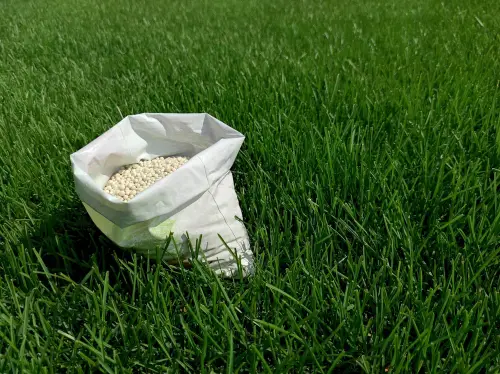
Image Source: www.groundsguys.com
How Long After Fertilizing Lawn Is It Safe For Dogs?
It is generally considered safe for dogs to go on a fertilized lawn after 24 to 48 hours, provided the fertilizer has been watered in and is no longer visible on the surface. However, this timeframe can vary depending on the type of fertilizer used and how it’s applied.
The Importance of Pet-Friendly Lawn Fertilization
Keeping our furry companions safe is a top priority for any pet owner who also loves a beautiful lawn. When it comes to lawn care, especially fertilization, the question of “How long after fertilizing lawn is it safe for dogs?” is crucial. Applying lawn fertilizer can be a fantastic way to boost your grass’s health and appearance, but it comes with a potential risk for our four-legged friends if not handled with care. Understanding lawn fertilizer pet safety is paramount to ensuring your dog can enjoy your yard without worry. This guide aims to provide comprehensive information on making your lawn a safe haven for your pets after fertilization, covering everything from choosing the right products to knowing the best practices for application and re-entry. We’ll explore what makes certain fertilizers a concern, how to mitigate risks, and what to do if accidental exposure occurs. The goal is to empower you with the knowledge to maintain a vibrant lawn while safeguarding your dog’s well-being, offering a truly pet safe lawn fertilization approach.
Decoding Lawn Fertilizers and Pet Safety
Lawn fertilizers are essentially plant food, providing essential nutrients like nitrogen, phosphorus, and potassium. While beneficial for grass, these concentrated chemicals can be harmful to dogs if ingested or if they come into contact with their skin or paws. The primary concern arises from the ingredients and the formulation of the fertilizer.
Common Fertilizer Ingredients and Their Risks
- Nitrogen (N): Crucial for green, leafy growth. In concentrated forms, it can cause gastrointestinal upset, vomiting, and diarrhea.
- Phosphorus (P): Important for root development and flowering. High levels can be toxic, affecting the heart and nervous system.
- Potassium (K): Aids in overall plant health and disease resistance. While less toxic than nitrogen or phosphorus, large ingestions can still cause issues.
- Trace Minerals (Iron, Manganese, Zinc, etc.): While needed in small amounts, excessive intake can lead to toxicity, particularly with zinc and iron.
- Herbicides and Pesticides: Many lawn treatments combine fertilizers with weed killers or insecticides. These are often more acutely toxic to pets than fertilizers alone.
Why Are Some Fertilizers More Dangerous Than Others?
The risk level associated with a lawn fertilizer depends on several factors:
- Concentration of Active Ingredients: Fertilizers with higher concentrations of nutrients or toxic chemicals pose a greater risk.
- Formulation (Granular vs. Liquid): Granular fertilizers, if not properly watered in, can remain on the surface as tempting, crunchy bits for dogs to eat. Liquid fertilizers, while often absorbed faster, can still be dangerous if applied heavily and not allowed to dry.
- Presence of Additional Chemicals: Fertilizers that are “weed and feed” products or contain insecticides are significantly more hazardous due to the added pesticides and herbicides.
Signs of Fertilizer Toxicity in Dogs
Recognizing the signs of fertilizer poisoning is vital. If your dog has ingested fertilizer, you might observe:
- Vomiting
- Diarrhea
- Excessive drooling
- Lethargy or weakness
- Loss of appetite
- Stumbling or difficulty walking
- Bloating or abdominal pain
- In severe cases, seizures or respiratory distress
If you suspect your dog has ingested fertilizer, contact your veterinarian or a pet poison control center immediately.
Choosing the Safest Fertilizer Options: Dog Safe Fertilizer and Safe Fertilizer for Dogs
When you want to fertilize your lawn without putting your dog at undue risk, selecting the right product is key. The market offers several dog safe fertilizer options, often labeled as “pet-friendly” or “organic.”
Understanding “Pet-Friendly” Labels
The term “pet-friendly” is not always regulated, so it’s essential to investigate further. A truly safe fertilizer for dogs typically relies on natural, organic ingredients that are less concentrated and less likely to cause harm if ingested in small amounts.
Organic vs. Synthetic Fertilizers for Pet Owners
- Organic Fertilizers: These are derived from natural sources like compost, manure, bone meal, fish emulsion, and plant matter.
- Pros: Generally safer for pets as they are less concentrated and break down slowly, releasing nutrients gradually. Many are also beneficial for soil health.
- Cons: Can sometimes have a stronger odor. They might also be slightly less potent initially, requiring more frequent application or larger quantities.
- Synthetic Fertilizers: These are manufactured chemicals designed for specific nutrient ratios.
- Pros: Often provide a faster green-up and more predictable results. Available in a wide range of formulations.
- Cons: Higher risk for pets if ingested or if they aren’t properly managed due to their concentrated nature and potential presence of harmful additives.
Recommended Fertilizer Types for Pet Owners
When browsing for dog safe fertilizer, look for:
- Organic Lawn Foods: Brands that explicitly state they are derived from natural ingredients and are safe for pets.
- Slow-Release Fertilizers: These release nutrients over a longer period, reducing the immediate risk of ingestion and burning. Many synthetic options also offer slow-release formulations.
- Fertilizers without Herbicides or Pesticides: Avoid “weed and feed” or “bug control” products if your dog frequently uses the lawn. Opt for separate, targeted treatments if needed, applied when your pet is kept away.
What About Dog Urine Burn Fertilizer?
The term “dog urine burn fertilizer” is a bit of a misnomer. Dog urine itself, high in nitrogen, is what causes the brown spots (burns) on lawns, not the fertilizer applied. However, fertilizers can exacerbate the problem if they are too strong and applied unevenly. Using a balanced, pet friendly lawn care approach and addressing urine spots with proper watering and potentially a lawn repair product can help minimize these issues.
Best Practices for Fertilizing: Pet Safe Lawn Fertilization in Action
The method of application is as critical as the type of fertilizer you choose for pet safe lawn fertilization. Following proper procedures can significantly reduce the risks associated with a fertilized lawn.
Pre-Application Considerations
- Read the Label: This is the most critical step. Always read and follow the manufacturer’s instructions regarding application rates and safety precautions.
- Identify Ingredients: Check the N-P-K ratio and look for any added pesticides or herbicides. If you’re unsure, err on the side of caution.
- Choose the Right Time: Apply fertilizer when your dog will not have access to the lawn for the recommended waiting period. Avoid windy days to prevent the fertilizer from blowing into areas where pets might be.
Application Techniques for Reduced Risk
- Even Distribution: Use a spreader (broadcast or drop) to ensure even application. This prevents concentrated spots that could be more harmful if ingested and also helps prevent lawn burn.
- Watering In: Most fertilizers require watering in after application. This is a crucial step for both nutrient absorption and safety. Watering washes the fertilizer off the grass blades and into the soil, reducing the chance of your dog ingesting it directly from the blades.
- Sweep Up Excess: Before watering, sweep any excess granules that may have landed on sidewalks, patios, or driveways back onto the lawn. These surfaces can become slippery or lead to accidental ingestion.
The Crucial Waiting Period: When Can Dogs Go on Fertilized Lawn?
This is the core question for pet owners. The general rule of thumb for when can dogs go on fertilized lawn is:
- For most granular fertilizers: Wait until the granules have been watered in and the lawn has dried completely. This typically means 24 to 48 hours after application.
- For liquid fertilizers: These usually require less drying time, but it’s still wise to wait for the lawn to dry completely, usually 12 to 24 hours.
- Always prioritize label instructions: If the product label specifies a longer waiting period, adhere to that.
Why this waiting period?
- Reduces Direct Ingestion: While the fertilizer is on the blades, dogs might lick it off, especially if it’s been applied heavily.
- Minimizes Contact Risk: Some fertilizers can cause skin irritation or paw pad burns. Waiting allows the fertilizer to be absorbed into the soil.
- Allows Dilution: Watering helps dilute any potentially harmful components.
Ensuring Post Fertilization Pet Access is Safe
To guarantee post fertilization pet access is safe, consider these additional tips:
- Keep Dogs Indoors: The easiest way to prevent exposure is to confine your dogs to the house or a designated safe outdoor area (away from the fertilized lawn) during and immediately after fertilization until the waiting period is over.
- Supervise Re-entry: Even after the waiting period, it’s a good idea to supervise your dog when they first return to the fertilized lawn. Watch for any unusual behavior.
- Clean Paws: Consider wiping your dog’s paws after they’ve been on a freshly fertilized lawn, even after the waiting period, as a precautionary measure.
Fertilized Lawn Toxicity Dogs: What to Do If Exposure Happens
Despite the best precautions, accidental exposure to fertilized lawn toxicity dogs might occur. Knowing what steps to take can be critical.
Immediate Actions to Take
- Remove Your Dog from the Area: Get your dog away from the fertilized lawn immediately.
- Rinse Your Dog: If your dog has been in direct contact with the fertilizer, rinse them thoroughly with water. Pay close attention to their paws, mouth, and coat.
- Prevent Further Ingestion: If your dog has eaten some fertilizer, try to prevent them from eating more.
- Contact Your Veterinarian or Pet Poison Control: This is the most crucial step. Have the fertilizer packaging handy so you can provide detailed information about the ingredients and concentration.
Information to Provide to Your Vet
When you call your veterinarian or poison control, be ready to share:
- The specific product name and brand.
- The N-P-K ratio.
- Any additional ingredients listed (herbicides, insecticides).
- The amount your dog may have ingested (if known).
- Your dog’s breed, age, weight, and any pre-existing health conditions.
- The symptoms your dog is exhibiting.
What to Expect from Veterinary Care
Veterinary treatment will depend on the type and amount of fertilizer ingested and the symptoms your dog is showing. It may include:
- Inducing Vomiting: If the ingestion was recent, the vet might induce vomiting to remove the fertilizer from the stomach.
- Activated Charcoal: This can help bind to toxins in the digestive tract, preventing further absorption.
- Fluid Therapy: Intravenous fluids can help flush the system and support kidney function.
- Medications: Antidotes, anti-nausea medications, or medications to manage seizures might be administered.
- Monitoring: Your vet will monitor your dog’s vital signs and symptoms closely.
Creating a Pet Friendly Lawn Care Routine
Pet friendly lawn care extends beyond just fertilization. It’s about adopting an overall approach that prioritizes your dog’s health and safety.
Natural and Safer Alternatives
- Compost Top Dressing: Adding a layer of compost improves soil health, nutrient content, and moisture retention, all while being completely safe for pets.
- Beneficial Insects: Instead of chemical pesticides, consider introducing beneficial insects to control pests.
- Manual Weed Removal: For small infestations, hand-pulling weeds is a safe and effective method.
- Natural Pest Control: Explore options like diatomaceous earth (food-grade) or neem oil for pest management, using them sparingly and following safety guidelines for pets.
Managing Dog Behavior on the Lawn
- Designated Potty Areas: Train your dog to use specific areas of the yard for relief. This can help concentrate urine and prevent widespread lawn burn.
- Watering Urine Spots: Diluting urine spots with water immediately after your dog urinates can help prevent lawn damage.
- Enrichment: Provide your dog with plenty of toys and activities in the yard to keep them occupied and less likely to chew on or ingest grass or soil.
Companion Animals and Lawn Treatments
It’s not just dogs that are at risk. Cats, birds, and other wildlife can also be affected by lawn chemicals. A pet friendly lawn care strategy benefits the entire local ecosystem.
Avoiding Dog Poisoning Fertilizer: Key Takeaways
To summarize the most important points for avoiding dog poisoning fertilizer:
- Choose Pet-Safe Products: Opt for organic or specially formulated pet-friendly fertilizers.
- Read Labels Diligently: Always follow application rates and safety instructions.
- Avoid “Weed and Feed” or Pesticide Combinations: These are significantly more dangerous.
- Apply Correctly: Use a spreader for even distribution.
- Water Thoroughly: This is a critical safety step.
- Respect the Waiting Period: Keep dogs off the lawn for at least 24-48 hours, or as directed by the product label.
- Supervise Pets: Monitor your dog closely after re-entry.
- Know the Signs: Be aware of the symptoms of fertilizer toxicity.
- Contact Professionals: Have your vet’s number and a pet poison control hotline readily available.
By implementing these practices, you can enjoy a beautiful, healthy lawn while ensuring the safety and happiness of your beloved canine companions. The commitment to pet safe lawn fertilization makes a tangible difference in their well-being.
Frequently Asked Questions (FAQ)
Q1: Can my dog get sick from walking on a fertilized lawn?
A1: Yes, if the fertilizer hasn’t been properly watered in or if it contains toxic ingredients, your dog could get sick from walking on a fertilized lawn, especially if they lick their paws or ingest the fertilizer.
Q2: What is the safest way to fertilize my lawn with dogs?
A2: The safest way involves using organic fertilizers, avoiding products with added pesticides or herbicides, applying them evenly, watering them in thoroughly, and keeping dogs off the lawn for at least 24-48 hours after application.
Q3: My dog ate a small amount of fertilizer. What should I do?
A3: Immediately remove your dog from the area, rinse their mouth and paws with water if possible, and contact your veterinarian or a pet poison control center right away. Have the fertilizer packaging information ready.
Q4: Are all lawn fertilizers bad for dogs?
A4: Not all lawn fertilizers are equally dangerous. Organic and natural fertilizers are generally safer than synthetic ones, especially those containing pesticides or herbicides. However, even natural fertilizers can cause mild stomach upset if ingested in large amounts.
Q5: How long should I keep my dog off a lawn treated with a “weed and feed” product?
A5: For “weed and feed” products, it’s best to keep your dog off the lawn for a longer period, typically 48-72 hours, and ensure it’s thoroughly watered in. These products contain herbicides which are more toxic to pets than fertilizers alone. Always follow the specific instructions on the product label.