
Can you get rid of clover in your lawn naturally? Absolutely! Many effective, organic lawn care strategies can help you win the battle against clover without resorting to harsh chemicals. This guide dives deep into natural weed control and sustainable lawn care practices to help you maintain a beautiful, green lawn naturally.
Clover, often recognized by its three-leaf clusters (though sometimes four!) and distinctive white flowers, is a common sight in many lawns. While it does have some benefits, like fixing nitrogen in the soil, many homeowners find its aggressive spread and fluffy appearance undesirable. Fortunately, you don’t need potent herbicides to achieve a clover-free lawn. Through consistent effort and a focus on a healthy ecosystem, you can implement effective clover removal methods and enjoy a beautiful yard.
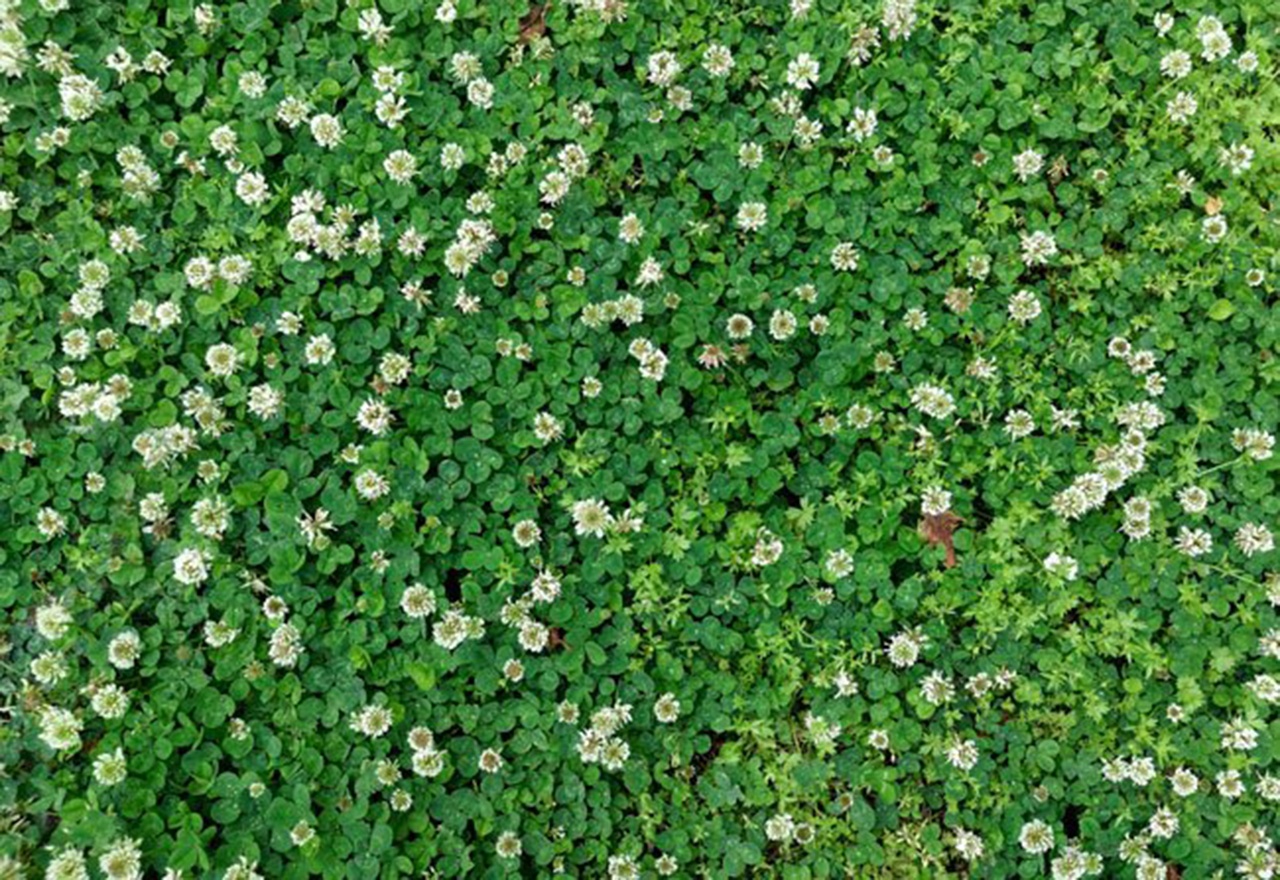
Image Source: www.whygoodnature.com
Why is Clover Taking Over My Lawn?
Before we delve into the solutions, let’s explore why clover might be thriving in your lawn. Understanding the underlying causes is key to sustainable lawn care and preventing its return.
Nutritional Imbalances in the Soil
Clover is a nitrogen-fixing plant. This means it can convert nitrogen from the air into a form that plants can use. If your soil is lacking in nitrogen, clover will naturally flourish because it can meet its own nitrogen needs, outcompeting grass that relies on available soil nitrogen.
Poor Soil Health and Compaction
Compacted soil restricts grass root growth, making it harder for your grass to establish a strong, dense turf. Clover, with its shallow root system, can easily penetrate compacted soil and thrive where grass struggles. Poor soil health also means less vigor for your desired turf.
Low Mowing Height
Mowing your lawn too short weakens the grass, exposes the soil surface to sunlight, and creates an ideal environment for clover seeds to germinate. Taller grass shades out weed seeds and develops a deeper root system, making it more resilient.
Over-watering or Under-watering
Inconsistent watering can stress your grass, making it susceptible to weed invasion. Clover, being a relatively hardy plant, can often tolerate these fluctuations better than less established turf.
pH Imbalances
Most turfgrasses prefer a slightly acidic to neutral soil pH (around 6.0 to 7.0). If your soil pH is too alkaline, it can favor clover growth.
Drought Conditions
During periods of drought, your grass may go dormant, turning brown. Clover, with its ability to fix nitrogen, can often remain greener and continue to grow, appearing more prominent and widespread.
Your Natural Guide to Clover Removal Methods
Getting rid of clover organically requires a multi-pronged approach. It’s about creating an environment where grass thrives and clover struggles. These DIY lawn solutions focus on nurturing your lawn rather than just eradicating a problem.
Strategy 1: Nourishing Your Lawn for Health
The cornerstone of organic lawn care is fostering a healthy, dense turf that naturally crowds out weeds.
Aeration: Loosening Up Compacted Soil
Compacted soil is a friend to clover and an enemy to healthy grass. Aeration involves creating small holes in the soil, allowing air, water, and nutrients to penetrate the root zone. This encourages deeper root growth in your grass, making it more competitive.
- When to Aerate: The best times are during the active growing seasons of your grass type: spring or fall for cool-season grasses (like fescue and ryegrass) and late spring or early summer for warm-season grasses (like Bermuda and Zoysia).
- How to Aerate: You can rent a core aerator or use spike aerators. Core aerators are more effective as they pull out plugs of soil, leaving space for air and water.
- After Aeration: This is a prime time for overseeding and topdressing. The exposed soil and loosened ground help new grass seed germinate and establish quickly, filling in any bare spots where clover might have been.
Overseeding: Thickening Your Turf
Once your lawn has been aerated, overseeding is the perfect next step. This involves sowing new grass seed over your existing lawn. A thicker, denser turf leaves less room for weeds like clover to sprout and grow.
- Choosing the Right Seed: Select a grass seed variety that is compatible with your existing lawn and climate. Consider shade-tolerant or drought-tolerant varieties if those are issues in your yard.
- Application: Spread the seed evenly over the aerated soil.
- Watering: Keep the seeded areas consistently moist until the new grass is established.
Proper Fertilization: Feeding Your Grass
Using organic fertilizers is crucial for sustainable lawn care. These fertilizers release nutrients slowly, feeding your grass over time without the risk of burning or rapid, unsustainable growth.
- Organic Fertilizers: Look for compost, manure-based fertilizers, worm castings, or slow-release organic blends. These also improve soil structure over time.
- Timing: Fertilize during the active growing seasons. For cool-season grasses, spring and fall are ideal. For warm-season grasses, late spring and summer are best.
- Soil Testing: Consider a soil test before fertilizing. This will tell you exactly what nutrients your lawn needs, preventing over-fertilization and ensuring you address any specific deficiencies that might favor clover.
Strategy 2: Modifying Your Lawn’s Environment
Adjusting certain lawn care practices can make your yard less hospitable to clover.
Mowing Practices: Height and Frequency
This is one of the most impactful lawn care tips for naturally controlling clover.
- Mow Higher: Aim to mow your grass to a height of 3 to 4 inches. Taller grass shades the soil surface, suppressing weed seed germination, and encourages deeper, healthier root systems. This makes your grass more resilient and better able to compete with clover.
- Sharp Mower Blades: Ensure your mower blades are sharp. Dull blades tear grass, creating jagged edges that are more susceptible to disease and stress, which clover can exploit. Sharp blades make clean cuts that help grass heal faster.
- Mulching Mowing: Leave the grass clippings on the lawn. They act as a natural fertilizer, returning valuable nutrients to the soil.
Watering Wisely: Consistency is Key
Consistent watering promotes deep root growth in your grass.
- Deep and Infrequent Watering: Water your lawn deeply but less frequently. This encourages grass roots to grow downwards in search of moisture, making them stronger and more drought-tolerant. Shallow, frequent watering encourages shallow roots, which are less competitive.
- Avoid Over-watering: Soggy soil can contribute to fungal diseases and create an environment where clover thrives.
Soil pH Adjustment: Creating a Grass-Friendly Zone
If your soil test reveals a pH that favors clover, you can adjust it.
- To Lower pH (Make it More Acidic): If your soil is too alkaline, you can add elemental sulfur. Follow product instructions carefully, as too much can harm your lawn.
- To Raise pH (Make it More Alkaline): If your soil is too acidic, you can add lime. Again, follow application rates precisely.
- Natural Amendments: Compost also plays a role in moderating soil pH over time.
Strategy 3: Direct Clover Removal (Herbicide-Free)
While prevention is ideal, sometimes you need to directly address existing clover patches. These non-toxic weed killers and methods are effective and environmentally friendly.
Manual Removal: The Hands-On Approach
For small patches of clover, manual removal is a viable and effective option.
- Tools: Use a dandelion digger, a trowel, or a specialized weed puller.
- Technique: Dig around the clover plant, aiming to get as much of the root system as possible. Clover has a taproot and can regrow from remaining root fragments.
- Timing: It’s easiest to pull clover when the soil is moist after rain or watering.
- Disposal: Dispose of the removed clover in your compost bin if it hasn’t gone to seed, or in a separate bag for yard waste.
Boiling Water: A Simple, Effective Method
This is a very direct and simple natural weed control method.
- How it Works: Pouring boiling water directly onto clover scalds and kills the plant, including its roots.
- Application: Use a kettle or a pot to carefully pour boiling water directly onto the clover patches. Be cautious not to splash yourself or desirable grass.
- Repeat if Necessary: You may need to repeat this application for stubborn clover.
- Limitations: This method is best for small, isolated patches as it will also kill any grass it comes into contact with.
Vinegar Solutions: A Caustic Option
Vinegar, particularly horticultural vinegar (which has a higher acidity than household vinegar), can be used as a non-toxic weed killer.
- Types of Vinegar: Household vinegar (5% acidity) can work on very young clover, but horticultural vinegar (10-20% acidity) is generally more effective.
- Application: Spray directly onto the clover on a sunny, dry day. Avoid spraying when it’s windy or rain is expected, as the vinegar can drift and damage desirable plants.
- Caution: Vinegar is non-selective. It will kill any plant it touches, including your grass. Use it precisely on clover patches. It also works by burning the foliage, so you may need repeat applications to get the roots.
- Enhancing Effectiveness: Adding a drop of dish soap to the vinegar solution can help it stick to the clover leaves.
Corn Gluten Meal: A Pre-Emergent Strategy
Corn gluten meal is a natural byproduct of corn processing and acts as a pre-emergent herbicide, meaning it prevents seeds from germinating.
- How it Works: When applied to the soil, corn gluten meal releases proteins that inhibit root formation in germinating seeds.
- Timing is Crucial: For clover, it’s most effective when applied in early spring before clover seeds germinate. It also needs to be watered in, then allowed to dry on the soil surface.
- Application: Spread evenly over the lawn. It’s best applied when the soil is dry and rain is not immediately expected, as rain can wash it away.
- Benefits: It also adds nitrogen to the soil, acting as a mild organic fertilizer. However, it will prevent the germination of any grass seed you might want to sow, so timing is critical if you plan to overseed.
Organic Herbicides: Targeted Solutions
While the goal is herbicide-free weed removal, there are organic herbicides available for more persistent clover issues.
- Citric Acid and Salicylic Acid: These are naturally derived acids that can burn the foliage of weeds, including clover. They are generally considered safer than synthetic herbicides but still require careful application to avoid damaging desirable grass.
- Essential Oils: Some formulations use essential oils like clove oil or citrus oil, which can act as natural weed killers.
- Application: Always follow product instructions carefully. These are contact herbicides, meaning they only kill the plant tissue they touch, so thorough coverage of the clover is important.
Strategy 4: Encouraging Beneficial Insects and Soil Microbes
A healthy lawn ecosystem will naturally suppress weeds.
Compost Topdressing: Feeding the Soil
Applying a thin layer of compost to your lawn is one of the best green lawn practices.
- Benefits: Compost improves soil structure, increases water retention, provides essential nutrients, and introduces beneficial microbes that compete with weed seeds and pathogens.
- Application: Spread a thin layer (about 1/4 to 1/2 inch) over the lawn, ideally after aeration. Rake it in to ensure it’s evenly distributed and doesn’t smother the grass.
Avoid Over-fertilizing with High Nitrogen
While grass needs nitrogen, excessive use of synthetic, fast-release nitrogen fertilizers can create lush, weak grass that is more susceptible to disease and insect pests. Clover, with its nitrogen-fixing ability, might not be as negatively impacted by the imbalanced soil conditions that result from this. Organic, slow-release fertilizers promote healthier, more robust growth.
Maintaining Your Lawn Naturally: Long-Term Strategies
Once you’ve started the process of clover removal, focusing on long-term sustainable lawn care will prevent its return and keep your lawn looking its best.
Regular Soil Testing
Periodically test your soil (every 1-2 years) to monitor its pH and nutrient levels. This allows you to make targeted adjustments and ensure your lawn has the optimal conditions for growth.
Consistent Mowing and Watering Schedule
Adhering to the proper mowing height and watering techniques discussed earlier will contribute significantly to the long-term health of your turf.
Seasonal Overseeding
If your lawn has thin areas, continue to overseed in the fall or spring to maintain a dense turf. This is a proactive way to prevent weeds from establishing.
Patience and Persistence
Organic lawn care often requires more patience than chemical solutions. You may not see results overnight, but consistent application of these natural methods will lead to a healthier, more resilient lawn over time.
Clover vs. Grass: What’s the Difference?
To effectively manage clover, it’s helpful to know how to distinguish it from your grass.
| Feature | Clover | Grass |
|---|---|---|
| Leaf Shape | Typically three leaflets (sometimes four) with distinct veins and often a lighter green “X” or crescent mark. | Long, slender blades, usually with parallel veins. |
| Stem | Creeping, shallow stems that root at nodes. | Upright, singular stems from the root base. |
| Flowers | Small, white or pinkish pom-pom-like flowers. | Less conspicuous, often spike-like or feathery seed heads. |
| Growth Habit | Spreads horizontally, forming dense mats. | Grows upright from the base. |
| Nitrogen Fixer | Yes, enriches soil with nitrogen. | No, relies on soil nitrogen. |
Frequently Asked Questions (FAQ)
Q1: Will corn gluten meal kill my existing clover?
No, corn gluten meal is a pre-emergent. It prevents seeds from germinating but will not kill established clover plants. For existing clover, you’ll need manual removal or other natural weed control methods.
Q2: Is it okay to leave clover in my lawn?
Clover does fix nitrogen, which can benefit your grass. However, if you prefer a uniformly green lawn or if the clover is becoming dominant, then removal is warranted. Many people find the clover’s low growth habit and flowers unsightly in their manicured lawn.
Q3: How long does it take to get rid of clover organically?
The timeline varies depending on the size of the infestation and the methods used. Consistent organic lawn care practices and targeted removal efforts can show significant improvement within a season, with a more established clover-free lawn developing over 2-3 years.
Q4: Can I use vinegar on my lawn if I have clover?
Yes, you can use vinegar as a non-toxic weed killer for clover. However, it’s a non-selective herbicide, meaning it will kill any grass it touches. Use it precisely on clover patches or consider spot treatments with a brush or sponge applicator to avoid damaging your lawn.
Q5: What is the best time to overseed my lawn to combat clover?
The best time to overseed is during your lawn’s active growing season. For cool-season grasses, this is typically in the fall or early spring. For warm-season grasses, late spring or early summer is ideal. Overseeding after aeration is particularly effective.
By embracing these DIY lawn solutions and committing to sustainable lawn care, you can effectively manage and eliminate clover, fostering a healthy, vibrant lawn that you can be proud of, all while adhering to green lawn practices. Remember, a strong, healthy lawn is your best defense against unwanted weeds.