
Yes, you can stop crows digging up your lawn using a variety of humane methods. Crows are intelligent birds, and while their activity might be concerning, there are effective strategies to deter crows from lawn damage without causing them harm. This comprehensive guide will explore why are crows digging my lawn, and provide the best methods to prevent crows digging and protect your precious turf. We’ll cover everything from understanding crow behavior to implementing practical crow deterrents for yards and ensuring lawn protection from birds.
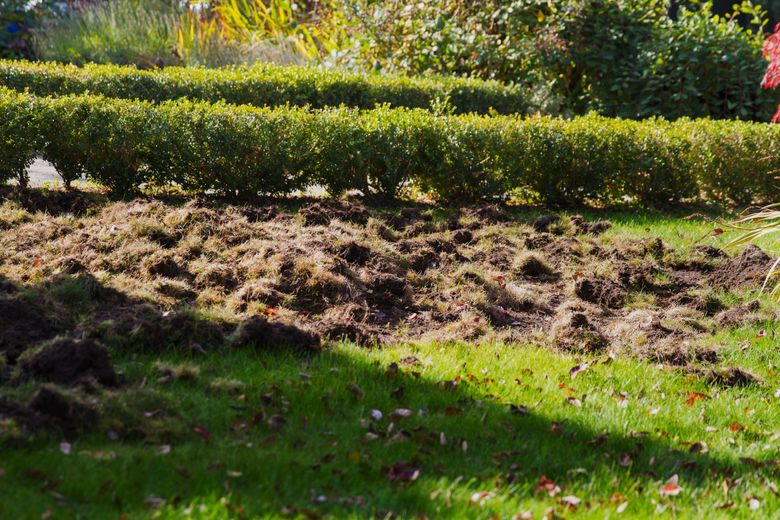
Image Source: images.seattletimes.com
Why Are Crows Digging My Lawn?
Crows dig in lawns primarily for food. Their diet is incredibly varied, and they are opportunistic feeders. The most common reason for them turning up your lawn is the presence of grubs, insect larvae, earthworms, and other soil-dwelling invertebrates. These provide a protein-rich meal.
Grub and Insect Patrol
- Grubs: These are the plump, white larvae of various beetles. They live in the soil and feed on grass roots, weakening your lawn. Crows, with their sharp eyesight and beaks, are adept at locating these hidden snacks.
- Earthworms: Earthworms are a staple for many birds, including crows. They are more prevalent in moist soil, which often leads crows to dig after rain or in well-watered areas of your lawn.
- Other Invertebrates: Crows will also consume beetles, caterpillars, ants, and other small creatures found beneath the surface.
Food Scavenging
Sometimes, crows dig in lawns simply because they are scavenging for leftover food scraps that may have been dropped or buried by other animals, or even accidentally left by humans.
Nesting Behavior (Less Common for Digging)
While crows don’t typically “dig” for nesting materials in the way you might imagine, they do gather twigs, mud, and other items. However, the primary driver for disruptive digging is almost always food procurement.
Effective Methods to Deter Crows from Your Lawn
Dealing with crows digging up your lawn requires a multi-pronged approach. Because they are intelligent and adaptable, relying on a single method might not be sufficient. The goal is to make your lawn an unattractive dining or foraging spot.
1. Physical Barriers and Exclusion
The most straightforward way to prevent crows digging is to make the lawn inaccessible or unappealing.
Netting and Coverings
- How it Works: Fine-mesh netting can be draped over vulnerable areas of your lawn, particularly newly seeded areas or spots where grubs are suspected. This physical barrier prevents crows from reaching the soil.
- Best Use Cases: Ideal for protecting small, specific areas like vegetable gardens within your lawn or newly sown grass seed.
- Considerations: Can be labor-intensive for large lawns. Ensure netting is securely fastened to prevent birds from getting tangled. Choose netting with a mesh size large enough to allow sunlight and rain to reach the soil but small enough to keep birds out.
Exclusion Zones
- How it Works: If you have specific areas you want to protect, consider temporary fencing or borders. This might be more practical for garden beds than an entire lawn.
- Best Use Cases: Protecting flower beds, vegetable patches, or newly planted areas.
2. Visual Deterrents: Making Your Lawn Look Uninviting
Crows are wary of potential predators and unusual sights. Mimicking these can be effective.
Scarecrows and Decoys
- How it Works: Traditional scarecrows, owl decoys, or even shiny Mylar balloons can startle crows. The idea is to present a threat or an unfamiliar object that makes them feel unsafe.
- Best Use Cases: Effective in the short term, especially when moved regularly.
- Considerations: Crows are intelligent and quickly become accustomed to static objects. To maintain effectiveness, you need to move scarecrows, owl decoys, or balloons to different locations every few days. This keeps the crows guessing and wary. This is a key aspect of how to scare crows from garden areas.
Reflective Materials
- How it Works: Strips of aluminum foil, reflective tape (like scare tape), or old CDs hung from trees or stakes can catch the sunlight and flash, startling birds.
- Best Use Cases: Effective for larger areas where movement is more visible.
- Considerations: Similar to decoys, the effect can diminish as crows habituate. Interspersing reflective elements with other deterrents is often more successful.
Moving Objects
- How it Works: Anything that moves unexpectedly can deter crows. Wind spinners, flags, or even automated sprinklers that activate randomly can surprise and frighten them away.
- Best Use Cases: Adding movement and unpredictability to the environment.
- Considerations: Ensure these items are secured against wind and are not a hazard.
3. Auditory Deterrents: Scaring Crows with Sound
Sound can be a powerful tool to deter crows from lawn damage.
Distress Calls and Predator Sounds
- How it Works: Playing recordings of crow distress calls or the sounds of their natural predators (like hawks or owls) through outdoor speakers can create an environment of fear and drive them away.
- Best Use Cases: Can be very effective if used judiciously.
- Considerations: Crows are intelligent and can eventually learn that the sounds are not a real threat if they are not accompanied by actual danger. Use these sounds intermittently and at varying times to maximize impact. This can also help to scare crows from garden areas.
Noise Makers
- How it Works: Loud bangs, whistles, or even clapping loudly when you see crows can be effective. Automated devices that produce sudden noises can also be used.
- Best Use Cases: Immediate response to spotting crows.
- Considerations: Be mindful of local noise ordinances and your neighbors. Frequent, unpredictable noises are more effective than constant noise.
4. Habitat Modification: Making Your Lawn Less Attractive
Sometimes, the best offense is a good defense by altering the environment.
Reduce Food Sources
- How it Works: If crows are digging for grubs, addressing the grub problem directly is crucial. Using bird repellent for lawns that targets grubs or employing natural predators for grubs can reduce the incentive for crows to dig.
- Best Use Cases: Long-term solution by eliminating the primary food source.
- Considerations: Researching the specific pests in your soil and using appropriate treatments is key. Ensure any treatments are safe for other wildlife and your lawn. This helps keep crows out of garden areas that might be experiencing pest issues.
Eliminate Water Sources
- How it Works: Crows, like all birds, need water. If you have standing water sources that are attracting them, consider eliminating or reducing them.
- Best Use Cases: Reducing overall attraction to the area.
- Considerations: This is a broader approach and might not specifically target lawn digging unless the water source is directly on the lawn.
Tidy Up Your Yard
- How it Works: Remove fallen fruit, spilled birdseed, or any other potential food scraps that might attract crows to your property in the first place.
- Best Use Cases: General good practice for wildlife management.
- Considerations: This is more about prevention than directly stopping digging, but it reduces the overall draw of your yard.
5. Targeted Lawn Treatments (When Necessary)
While the focus is on humane methods, sometimes specific lawn treatments are needed, particularly if grubs are the issue.
Grub Control
- How it Works: Applying grub control products to your lawn can kill the larvae that crows are seeking. This directly removes their food source.
- Best Use Cases: When grub infestation is confirmed.
- Considerations: Always follow product instructions carefully. Look for organic or nematode-based grub control options for a more environmentally friendly approach. This is a direct method to stop crows eating grass seed if grubs are present where seed was sown.
Taste Aversion (Use with Extreme Caution)
- How it Works: Some products are designed to make treated areas taste unpleasant to birds.
- Best Use Cases: Highly specific situations where other methods have failed.
- Considerations: This is generally not recommended for large lawn areas. Taste aversion can be difficult to apply evenly and may affect non-target birds. It’s often better suited for protecting specific plants or seeds. Always ensure any product used is specifically approved for lawn protection from birds and is applied according to directions.
6. Natural Crow Control and Deterrents
These methods lean on natural deterrents or methods that work with nature.
Companion Planting (for Garden Beds)
- How it Works: While not directly for lawns, in garden beds, certain plants like marigolds or strong-smelling herbs can deter some birds.
- Best Use Cases: Protecting vegetable and flower gardens within or adjacent to your lawn.
- Considerations: Effectiveness varies greatly depending on the bird species and the specific plants.
Natural Predators
- How it Works: Encouraging natural predators of crows or their food sources. For example, if crows are after grubs, attracting insectivorous birds or using beneficial nematodes in the soil can help.
- Best Use Cases: Long-term, sustainable approach.
- Considerations: This is a more indirect method and may take time to show results.
7. Sonic and Ultrasonic Devices
- How it Works: Devices emitting high-frequency sounds designed to be unpleasant to birds but generally inaudible to humans.
- Best Use Cases: Covering larger areas.
- Considerations: Effectiveness can be variable. Some birds can habituate to these sounds. Placement and consistent use are key. Ensure they are approved crow deterrents for yards.
Creating a Comprehensive Deterrent Strategy
The most effective approach to keep crows out of garden and off your lawn is to combine several methods. This creates a multi-sensory deterrent that is harder for crows to overcome.
The Power of Variety
Crows are intelligent. If you only use one method, they will likely adapt. Rotate your deterrents.
- Day 1: Use owl decoys and reflective tape.
- Day 3: Move decoys, add a sonic device, and scatter some shiny objects.
- Day 5: Play distress calls intermittently, and try a different type of visual deterrent.
Timing is Everything
Crows are most active during dawn and dusk. Focusing your deterrent efforts during these times can be particularly effective.
Humane Considerations
It’s important to remember that the goal is humane crow control. We want to encourage them to leave our lawns, not harm them. Avoid any methods that could injure or trap the birds.
Lawn Protection from Birds: A Summary Table
Here’s a quick reference for some of the best methods:
| Method | How it Works | Best For | Considerations |
|---|---|---|---|
| Netting | Physical barrier | Small areas, new seed, gardens | Labor-intensive for large areas, can tangle birds if not used properly. |
| Scarecrows/Decoys | Visual threat | Short-term, moving them is key | Birds habituate quickly; must be moved regularly to remain effective. |
| Reflective Tape/Objects | Flashing lights startle birds | Larger areas | Birds can habituate; combine with other deterrents. |
| Noise Makers | Sudden, loud sounds | Immediate response, specific areas | Can disturb neighbors; use intermittently and unpredictably. |
| Distress Calls | Audio threat | Larger areas, with other deterrents | Birds may habituate; use with caution and intermittently. |
| Grub Control | Removes food source | Areas with grub infestation | Follow instructions carefully; consider organic options. |
| Habitat Modification | Reduces overall attraction (food, water) | General property, long-term prevention | Indirect; makes your property less appealing to birds overall. |
| Sonic Devices | High-frequency sounds | Larger areas | Effectiveness varies; birds can habituate. |
Frequently Asked Questions (FAQ)
Q1: Will my lawn grow back after crows dig it up?
Yes, if the digging is not excessive and the grass roots are not completely destroyed, your lawn will typically recover. However, the bare patches can be susceptible to weeds. Promptly re-seeding and watering the affected areas can help speed up recovery.
Q2: Are crows harmful to my lawn even if they aren’t digging?
While digging is the most visible problem, crows can also carry diseases. However, for most homeowners, the primary concern is the physical damage to the lawn.
Q3: Can I use a bird repellent for lawns that is sprayed on?
Yes, there are various bird repellent for lawns products available. Some are taste deterrents, while others are designed to disrupt their senses. Always research the product, ensure it is safe for your specific lawn type, and follow application instructions carefully. Many are natural or organic.
Q4: How do I know if crows are digging my lawn or if it’s another animal?
Crows typically leave distinctive holes, often conical in shape, as they probe with their beaks. The soil might be scattered in a way that suggests digging with a beak rather than rooting with a snout or paws. If you see many small, scattered holes, it’s likely crows. Larger, more irregular holes might indicate raccoons or other mammals.
Q5: What is the best humane way to stop crows digging?
The most effective humane crow control involves a combination of visual deterrents (like moving decoys and reflective tape), auditory deterrents (like intermittent noise or distress calls), and addressing any underlying food sources like grubs. Making your lawn a less appealing place to forage is key.
Q6: Can I stop crows eating grass seed if I’m overseeding my lawn?
Yes. To stop crows eating grass seed, you can cover newly seeded areas with a layer of straw or netting. The netting creates a physical barrier. Straw helps hide the seeds and makes it harder for crows to locate them. Addressing any grub issues is also vital, as crows may be digging for food where the seed is sown.
Q7: What are some good crow deterrents for yards that don’t involve noise?
Visual deterrents are your best bet. This includes:
* Moving owl or hawk decoys.
* Hanging reflective tape or old CDs.
* Using Mylar balloons.
* Installing motion-activated sprinklers.
* Using netting over vulnerable areas.
Q8: How can I keep crows out of garden beds?
For garden beds, a combination of netting, reflective elements, and perhaps companion planting with strongly scented herbs can be effective. Ensure any fallen fruits or vegetables are promptly cleared to remove food attractants. If grubs are a problem in the garden, addressing that directly will reduce crow activity.
By employing these strategies, you can effectively manage crow activity and protect your lawn, ensuring it remains a beautiful and enjoyable space. Remember that consistency and adaptability are crucial when dealing with these clever birds.