
If your lawn is looking less than vibrant, you’re likely asking yourself: Why is my lawn not green? The answer can stem from a variety of issues, including nutrient deficiency, watering problems, pest infestations, lawn diseases, and inadequate sun exposure. Fortunately, most lawn color problems can be fixed with the right care.
A healthy lawn is a source of pride for many homeowners. That lush, green carpet is not just aesthetically pleasing; it’s also a sign of a healthy ecosystem. But what happens when your lawn starts to lose its luster? Yellowing grass and brown patches can be disheartening, turning a vibrant space into a cause for concern.
This comprehensive guide will delve into the most common reasons why your lawn might be failing to achieve that desirable emerald hue. We’ll explore everything from the fundamental building blocks of plant life to the external forces that can wreak havoc on your turf. By the end, you’ll have a clear roadmap to diagnosing and rectifying your lawn’s dullness.
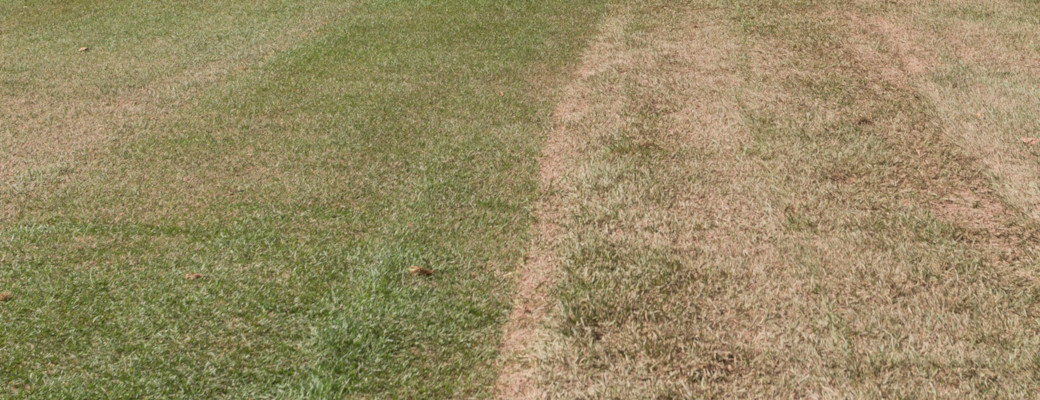
Image Source: greenhorizonssod.com
Deciphering Lawn Color: What Makes Grass Green?
Before we tackle what makes grass not green, let’s quickly touch on what makes it green in the first place. The vibrant green color of grass comes from a pigment called chlorophyll. Chlorophyll is essential for photosynthesis, the process by which plants use sunlight, water, and carbon dioxide to create their own food (sugars) and release oxygen.
Think of chlorophyll as the solar panel for your grass. It captures light energy from the sun. Without enough chlorophyll, the grass can’t produce enough food to thrive, and its color will suffer. When you see yellowing grass or a generally dull lawn color, it often signifies a problem with chlorophyll production or the plant’s overall health.
The Culprits Behind a Not-So-Green Lawn
There are many reasons why your lawn might be struggling to maintain its green color. Let’s break down the most common culprits.
1. Soil Health: The Foundation of a Green Lawn
Poor soil health is a root cause (pun intended!) of many lawn problems, including a lack of greenness. Healthy soil is teeming with beneficial microorganisms, has good drainage, and provides the necessary structure for roots to grow strong. When soil is compacted, lacking in organic matter, or has an imbalanced pH, it can significantly hinder a lawn’s ability to absorb nutrients and water, leading to a dull lawn color.
Soil Compaction
- What it is: When soil particles are pressed tightly together, it reduces pore space. This makes it hard for air, water, and nutrients to reach the grass roots.
- Why it matters: Compacted soil is like a traffic jam for your grass’s essential needs. Roots struggle to penetrate, and the grass becomes stressed.
- Signs: Bare spots, thin turf, and yellowing grass that doesn’t respond to watering or fertilizing.
- Solutions:
- Aeration: This process involves removing small plugs of soil to create openings. It’s a game-changer for compacted lawns.
- Reduce Foot Traffic: Try to limit walking or playing on the lawn, especially when it’s wet.
- Topdressing: Adding a thin layer of compost or topsoil after aeration can further improve soil structure.
Nutrient Imbalance and Deficiency
Nutrient deficiency is a major contributor to a dull lawn color. Grass needs a balanced diet of macronutrients (nitrogen, phosphorus, potassium) and micronutrients (iron, manganese, zinc, etc.) to stay green and healthy.
- Nitrogen (N): The most critical nutrient for greening. Nitrogen is a major component of chlorophyll. Low nitrogen levels lead directly to yellowing grass.
- Phosphorus (P): Essential for root development and early plant growth. While not directly responsible for green color, weak roots can’t support healthy top growth.
- Potassium (K): Important for overall plant health, stress tolerance, and disease resistance. It helps regulate water and nutrient uptake.
- Iron (Fe): Crucial for chlorophyll production. Even if other nutrients are present, a lack of iron can cause yellowing grass, especially between the veins of the leaves (interveinal chlorosis).
How deficiencies happen:
* Leaching: Heavy rainfall or overwatering can wash away essential nutrients from the soil.
* Soil pH: If the soil pH is too high or too low, grass can’t absorb available nutrients, even if they are present. Most grasses prefer a slightly acidic to neutral pH (6.0-7.0).
* Old, depleted soil: Over time, soils can become depleted of nutrients, especially if not replenished.
Addressing nutrient deficiencies:
* Soil Testing: This is the single most important step. A soil test will tell you exactly what nutrients your lawn is lacking and what your soil’s pH is.
* Fertilizing: Based on your soil test results, apply a balanced fertilizer. For a quick green-up, a fertilizer high in nitrogen (the first number on the bag, e.g., 20-5-10) can be effective. However, it’s important to use a slow-release formula to avoid burning the grass.
* Iron Supplements: If iron deficiency is suspected, applying an iron supplement can provide a rapid green boost.
2. Watering Issues: The Thirst Trap
Improper watering is a very common reason for a dull lawn color, yellowing grass, and brown patches. Both too little and too much water can be detrimental.
Underwatering
- What it means: Not providing enough water for the grass to survive.
- Why it causes dullness: When grass is stressed from lack of water, it conserves resources. Chlorophyll production slows down, and the grass blades can turn a dull green, then yellow, and eventually brown.
- Signs:
- Grass blades that don’t spring back when you step on them (footprinting).
- A bluish-gray or dull green color.
- Dry, brittle grass blades.
- How to fix it:
- Deep and Infrequent Watering: Aim to water deeply, about 1 inch per week, but only when the grass needs it. This encourages roots to grow deeper, making the lawn more drought-tolerant.
- Water in the Morning: This allows the water to penetrate the soil before the heat of the day causes excessive evaporation. It also allows the grass blades to dry off before nightfall, reducing the risk of disease.
Overwatering
- What it means: Providing too much water, often too frequently.
- Why it causes dullness: Overwatering can lead to shallow root systems because the grass doesn’t need to search for water deep in the soil. It can also promote fungal diseases and nutrient leaching, both of which contribute to yellowing grass and brown patches.
- Signs:
- Mushy, waterlogged soil.
- Shallow, easily pulled-up grass.
- Increased susceptibility to fungal diseases and weeds.
- Yellowing or browning, often in irregular patches.
- How to fix it:
- Reduce Watering Frequency: Water only when the lawn shows signs of thirst.
- Ensure Good Drainage: If your soil holds water for too long, consider aeration and amending the soil with organic matter.
- Check Sprinkler Systems: Make sure sprinklers are not overlapping or watering paved surfaces.
3. Pest Infestation: The Unseen Invaders
Tiny creatures can cause significant damage, leading to brown patches and yellowing grass. Many types of insects feed on grass roots or blades, weakening the plant and causing it to lose its green color.
Common Lawn Pests
- Grubs: These are the C-shaped larvae of beetles that live in the soil and feed on grass roots.
- Signs: Irregular brown patches that lift up easily like a carpet, wilting grass, increased activity of birds and other animals digging for grubs.
- Treatment: Apply a grub control product according to label instructions.
- Chinch Bugs: Small insects that suck the juices from grass blades, primarily during hot, dry weather.
- Signs: Yellow or brown patches that often start in sunny areas and spread outward. The grass in these patches may look stunted and dry.
- Treatment: Insecticides can be effective, but proper identification is key.
- Sod Webworms: Caterpillars that feed on grass blades, often at night.
- Signs: Brown patches, thinning turf, and sometimes fine webbing visible on the soil surface.
- Treatment: Insecticides applied in the evening can target these pests.
Identifying a Pest Problem
- Dig a Little: Gently pull back a section of affected turf. Look for signs of insect activity, such as grubs, caterpillars, or actual insects.
- Water Test: Sometimes, a wilting lawn can be mistaken for a pest problem. Water a suspect patch thoroughly. If it recovers, it’s likely a watering issue. If it doesn’t, pests or disease are more probable.
4. Lawn Disease: The Fungal Foes
Fungal diseases are a frequent cause of brown patches and yellowing grass. These diseases thrive in specific environmental conditions, often related to moisture and temperature.
Common Lawn Diseases
- Dollar Spot: Caused by a fungus, it appears as small, straw-colored spots about the size of a silver dollar.
- Signs: Circular patches of bleached, straw-like grass. In humid conditions, you might see cobweb-like mycelium in the morning.
- Prevention/Treatment: Proper fertilization, adequate watering, and thatch removal can help. Fungicides are available if the problem is severe.
- Brown Patch: Another common fungal disease that creates circular or irregular patches of browning grass.
- Signs: Patches often have a darker, smoky gray or “smoke ring” border, especially in the morning when dew is present.
- Prevention/Treatment: Avoid over-fertilizing, especially with high-nitrogen fertilizers, and improve air circulation. Fungicides can manage outbreaks.
- Red Thread: Characterized by pinkish or reddish threads (fungal strands) on the grass blades.
- Signs: Irregular, bleached-out patches of turf. The pinkish threads are most visible in the morning.
- Prevention/Treatment: Often indicates a lack of nitrogen. Fertilizing can help resolve mild cases.
Managing Lawn Diseases
- Improve Air Circulation: Prune nearby trees and shrubs that might be shading or crowding the lawn.
- Water Properly: Avoid watering in the late afternoon or evening, as this keeps the grass wet overnight, favoring fungal growth.
- Manage Thatch: Excessive thatch can harbor disease. Aerate and dethrone as needed.
- Choose Resistant Grass Varieties: When seeding, select grass types known to be resistant to common lawn diseases in your region.
5. Sun Exposure: Too Much or Too Little?
Sun exposure plays a vital role in lawn health. Grass needs sunlight for photosynthesis, but extreme conditions can lead to problems.
Too Much Sun (Heat Stress)
- What it is: Prolonged periods of intense heat and direct sunlight can stress grass, especially certain species or if the lawn is already weakened by other factors.
- Why it causes dullness: The grass blades can dry out, turn yellow, and even brown. It’s the lawn’s way of shutting down to conserve moisture.
- Signs: Yellowing or browning, especially in open, sunny areas.
- Mitigation:
- Water Deeply and Consistently: During hot spells, ensure your lawn is receiving adequate water.
- Consider Shade-Tolerant Grasses: If you have areas that are always in full, harsh sun, consider overseeding with a more heat-tolerant grass variety.
- Mow Higher: Taller grass shades the soil, keeping it cooler and reducing moisture loss.
Too Little Sun (Shade)
- What it is: Some grass varieties require a certain amount of sunlight to thrive. If grass is too shaded by trees, buildings, or other structures, it can become weak and thin.
- Why it causes dullness: Insufficient sunlight means less photosynthesis, leading to reduced chlorophyll production and a weaker, paler green color.
- Signs: Thin, weak grass in shaded areas. The grass may be more susceptible to moss and fungal diseases.
- Mitigation:
- Prune Trees and Shrubs: Trim back branches that are blocking too much sunlight.
- Choose Shade-Tolerant Grasses: If shade is unavoidable, select grass varieties specifically bred for low-light conditions (e.g., Fine Fescues).
- Limit Foot Traffic: Weakened grass in shaded areas is more prone to damage from foot traffic.
6. Mowing Practices: The Unseen Stressor
How you mow your lawn can also contribute to a dull lawn color.
Mowing Too Short
- Why it causes dullness: Mowing too short (scalping) removes too much of the green leaf blade. This reduces the plant’s ability to photosynthesize and can expose the soil to drying out and weed invasion. It can lead to yellowing grass and stress.
- Solution: Always follow the one-third rule: never remove more than one-third of the grass blade height at a single mowing. Adjust your mower height higher, especially during hot weather.
Dull Mower Blades
- Why it causes dullness: Dull blades tear grass blades rather than cutting them cleanly. This ragged cut creates wounds that can lead to yellowing grass and make the lawn more susceptible to diseases and moisture loss.
- Solution: Sharpen your mower blades regularly, at least once or twice a season.
7. Thatch Buildup: The Smothering Layer
Thatch is a layer of dead and living plant material (stems, roots, leaves) that accumulates on the soil surface, between the blades of grass. A thin layer is normal, but excessive thatch can cause problems.
- Why it causes dullness: A thick thatch layer can prevent water, air, and nutrients from reaching the soil and grass roots. It can also harbor pests and diseases, leading to brown patches and yellowing grass.
- Signs: A spongy feel to the lawn, difficulty pushing a screwdriver into the soil, visible thick brown layer beneath the green grass.
- Solution: Dethatch your lawn annually or bi-annually using a dethatching rake or a power dethatcher. Aeration also helps break down thatch.
Troubleshooting: Your Lawn’s Green-Up Checklist
When your lawn isn’t green, it’s time for a detective mission. Here’s a systematic approach to figure out the cause and how to fix it.
Step 1: Observe and Diagnose
- Color: Is the entire lawn affected, or are there specific brown patches or yellowing grass areas? Is the color uniformly dull lawn color, or are there distinct patterns?
- Pattern: Are the affected areas circular, irregular, or following specific lines (like sprinkler paths)?
- Timing: When did the problem start? Did it coincide with a change in weather, watering schedule, or fertilization?
- Recent Activities: Did you recently fertilize, apply a weed killer, or have heavy foot traffic?
- Soil Condition: Is the soil overly dry, waterlogged, or compacted?
Step 2: Consider the Most Likely Culprits
Based on your observations, prioritize the potential causes.
- Yellowing Grass Across the Lawn: Often points to nutrient deficiency (especially nitrogen) or widespread watering issues.
- Brown Patches: Can indicate pest infestation, fungal disease, or localized watering problems.
- Dull Lawn Color with Thinning: Could be a sign of poor soil health, lack of essential nutrients, or insufficient sun exposure.
Step 3: Take Action
Here’s a table to help guide your next steps:
| Problem Indication | Potential Cause(s) | Recommended Action |
|---|---|---|
| Yellowing grass uniformly | Nutrient deficiency (N), underwatering | Perform soil test. Fertilize with a balanced, slow-release fertilizer high in nitrogen. Water deeply if dry. |
| Brown patches (circular/irregular) | Fungal disease (e.g., Brown Patch), pests (grubs) | Inspect for insects. Apply appropriate fungicide or grub control if identified. Ensure proper watering and air circulation. |
| Brown patches (lifting like carpet) | Grubs | Dig up affected area to check for C-shaped grubs. Apply grub control. |
| Dull lawn color, weak growth | Poor soil health, compaction, low phosphorus/potassium | Aerate compacted soil. Perform soil test. Amend soil with compost. Fertilize based on test results. |
| Yellowing between veins (interveinal) | Iron deficiency | Apply an iron supplement (chelated iron is best for quick absorption). Check soil pH; high pH can lock up iron. |
| Wilting and browning in hot weather | Heat stress, underwatering | Water deeply and consistently. Mow higher. Consider more drought-tolerant grass varieties for the future. |
| Thinning, pale green in shade | Insufficient sun exposure, low nitrogen | Prune trees. Overseed with shade-tolerant grass varieties. Ensure adequate fertilization and watering for the specific grass type. |
| Stressed appearance after mowing | Dull mower blades, mowing too short | Sharpen mower blades. Adjust mower to cut higher (follow the one-third rule). |
| Spongy feel, difficult to water | Excessive thatch | Dethatch the lawn. Aeration can also help. |
Frequently Asked Questions (FAQ)
Q1: How quickly can I expect my lawn to turn green after fertilizing?
A1: After applying a nitrogen-rich fertilizer, you should start to see a visible improvement in greenness within 24-72 hours. However, for the lawn to fully recover and achieve its optimal color, it might take a week or two.
Q2: Can I apply fertilizer and insecticide at the same time?
A2: In some cases, yes, combination products are available. However, it’s often best to address specific issues individually. If you’re unsure, it’s safer to apply them separately, following the label instructions for each product carefully, and consider the best timing for each.
Q3: How do I know if it’s a disease or a pest causing the brown spots?
A3: Inspect the affected areas closely. Diseases often cause circular or irregular patches of discoloration, sometimes with specific patterns like “smoke rings.” Pests like grubs are usually found under the turf, causing the grass to lift easily. Chinch bugs are tiny insects found on the grass blades, especially near the edges of brown patches.
Q4: My lawn has yellowing grass, but I’ve watered it regularly. What else could it be?
A4: If watering is not the issue, consider nutrient deficiencies, particularly nitrogen or iron. Soil compaction can also prevent roots from accessing water and nutrients, even if they are present. A soil test is the best way to pinpoint the exact nutrient needs.
Q5: Is it bad to leave grass clippings on the lawn?
A5: Generally, no. Grass clippings are a natural source of nitrogen and organic matter, returning nutrients to the soil. They decompose quickly and are often called “grasscycling.” However, if clippings are very long or thick after mowing, they can smother the grass beneath, creating matted areas that can lead to disease or dull lawn color. In such cases, it’s better to rake them up or mulch them with a mower.
By systematically examining your lawn and considering these common factors, you can effectively diagnose and treat the issues that are preventing your grass from achieving that sought-after vibrant green. A healthy, green lawn is a attainable goal with the right knowledge and care.