
Can you get rid of clover in your lawn? Yes, you absolutely can! Eliminating clover from your lawn involves a multi-faceted approach, combining proper lawn care practices with targeted treatments. This guide is your comprehensive resource for tackling this common lawn invader.
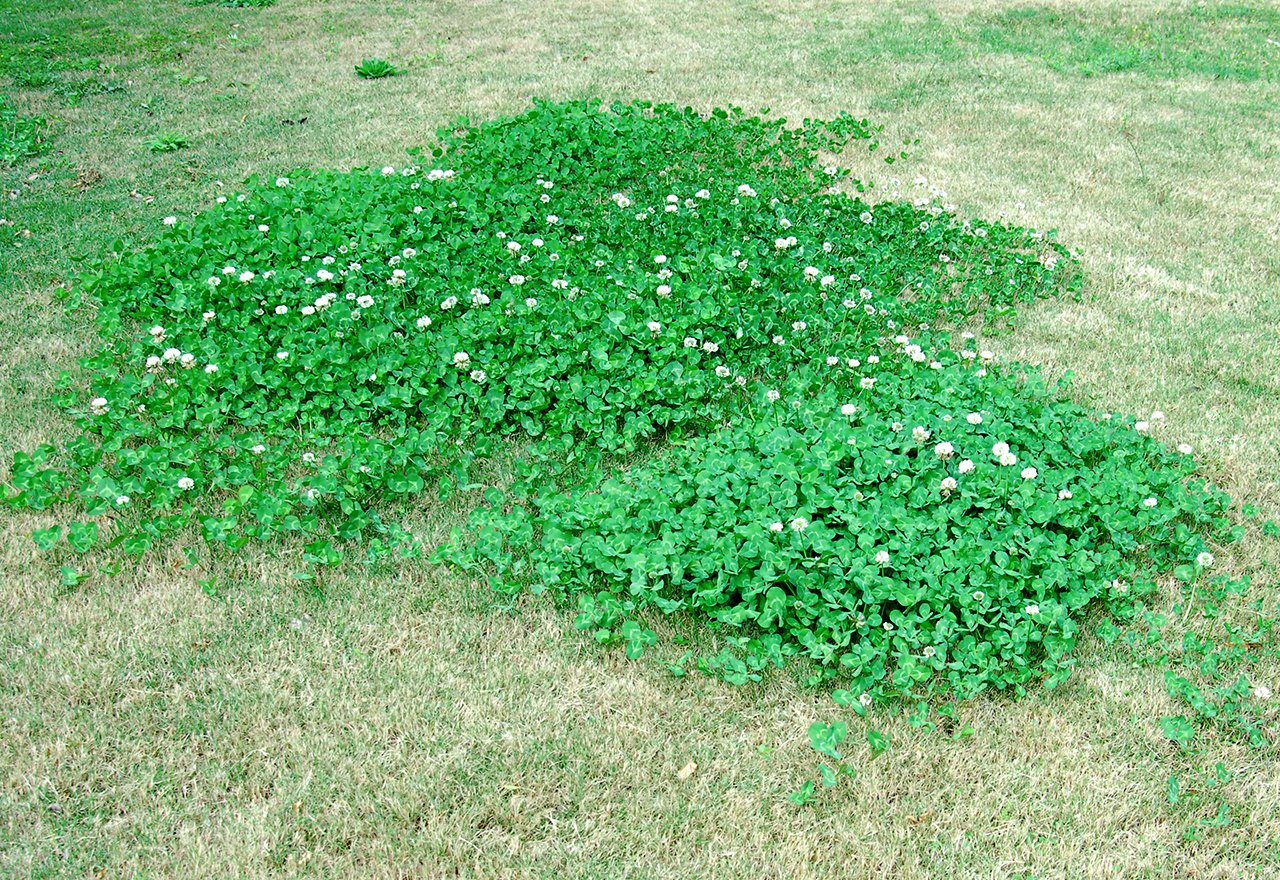
Image Source: cdn2.hubspot.net
Why Clover Appears In Your Lawn
Clover, often identified by its three-leaf clusters (though some varieties have four or more), thrives in lawns that are weak or have poor soil conditions. It’s a nitrogen-fixer, meaning it pulls nitrogen from the air and converts it into a form that plants can use. While this sounds beneficial, it often means clover can outcompete your desired grass species, especially in areas where the grass is already stressed.
Several factors contribute to clover’s dominance:
- Low Nitrogen Levels: If your lawn isn’t getting enough nitrogen, the grass becomes thin and weak, creating an opening for clover.
- Compacted Soil: Poor soil aeration makes it hard for grass roots to grow deep, giving shallow-rooted clover an advantage.
- Improper Mowing Height: Mowing too short stresses the grass, weakening it and allowing clover to spread.
- Poor Drainage: Waterlogged areas can also favor clover growth over turfgrass.
- Soil pH Imbalance: Clover often prefers slightly acidic soil, which might be less ideal for certain turfgrass types.
Identifying Clover and Its Benefits (and Drawbacks)
Before you wage war on clover, it’s helpful to know what you’re dealing with. White clover (Trifolium repens) is the most common culprit in home lawns. It has low-growing, creeping stems that root wherever they touch the soil, allowing it to spread rapidly.
While clover can be a nuisance, it’s worth noting its potential benefits:
- Nitrogen Fixation: As mentioned, it enriches the soil with nitrogen, which can benefit surrounding plants.
- Attracts Pollinators: Clover flowers are a food source for bees and other beneficial insects.
- Drought Tolerance: Its deep root system can help it survive dry periods better than some turfgrasses.
However, for most homeowners, the drawbacks outweigh these benefits:
- Uneven Lawn Appearance: The white flowers and different leaf texture disrupt the uniform look of a healthy lawn.
- Choking Out Grass: It can spread aggressively, crowding out desirable grass species.
- Sticky Flowers: The flowers can be sticky and unpleasant to walk on barefoot.
Strategies for Getting Rid of Clover
Tackling clover requires a two-pronged approach: promoting a healthy lawn and directly eliminating the clover.
Promoting a Healthy Lawn: The Best Defense
A thick, healthy lawn is your best defense against weeds, including clover. Focus on these core lawn care tips:
Mowing Practices
- Mow High: Set your mower to a higher setting. For most cool-season grasses, this means 3 to 3.5 inches. Taller grass shades the soil, keeping it cooler and moister, and its deeper roots make it more resilient.
- Sharp Blades: Always use sharp mower blades. Dull blades tear grass, making it susceptible to disease and stress.
- Mulch Clippings: Leave grass clippings on the lawn. They decompose and return nutrients, including nitrogen, to the soil, feeding your grass.
Watering Wisely
- Deep and Infrequent: Water your lawn deeply but less often. Aim for about 1 inch of water per week, applied in one or two sessions. This encourages deep root growth, making grass more drought-tolerant.
- Morning Watering: Water early in the morning to allow the grass to dry before nightfall, reducing the risk of fungal diseases.
Fertilization
- Nutrient Balance: Use a balanced lawn fertilizer according to your grass type and soil test results. Proper nitrogen levels are crucial for keeping your grass strong and dense, outcompeting weeds.
- Timing is Key: Fertilize at the right times of the year for your grass type.
Aeration and Dethatching
- Improve Soil Structure: Aerating your lawn removes small cores of soil, relieving compaction and allowing air, water, and nutrients to reach the roots. This is particularly important if you have heavy clay soil.
- Remove Thatch: Dethatching removes the layer of dead grass and organic matter that builds up on the soil surface. Excessive thatch can prevent water and nutrients from reaching the soil.
Direct Clover Elimination Methods
Once you’ve established good lawn care practices, you can focus on directly removing existing clover.
Herbicides: The Clover Killer
For a quick and effective solution, herbicides are often the go-to. The key is to use a product specifically designed for broadleaf weed control.
- Broadleaf Weed Killer: These herbicides target broadleaf plants (like clover, dandelion, and plantain) while leaving grasses unharmed.
- Herbicide for Clover: Look for products that list clover on their label. Many popular broadleaf weed killers are effective clover killers. Common active ingredients include:
- 2,4-D: A widely used selective herbicide.
- MCPP (Mecoprop): Another common component in broadleaf weed killers.
- Dicamba: Often combined with 2,4-D and MCPP for broader spectrum control.
- Triclopyr: Effective against many tough broadleaf weeds.
- Quinclorac: Can also be effective and is sometimes used in crabgrass killer formulations that also control broadleaf weeds.
When to Apply:
- Actively Growing: Apply herbicides when clover is actively growing and the grass is not under drought stress.
- Temperature Matters: Avoid applying when temperatures are expected to exceed 85°F (29°C), as this can damage your grass.
- Follow Label Instructions: Always read and follow the herbicide label directions carefully for application rates, timing, and safety precautions.
Types of Herbicides:
- Liquid Sprays: These are the most common. They can be applied with a hose-end sprayer or a backpack sprayer.
- Granular Applications: These are often combined with fertilizer. They are easy to apply but may require watering to activate.
Important Considerations:
- Selectivity: Ensure the herbicide is selective for broadleaf weeds. Non-selective herbicides will kill all plants they touch, including your grass.
- Environmental Impact: Consider the environmental impact of the herbicide you choose. Some are more persistent in the soil than others.
- Timing: Applying herbicides at the wrong time can be ineffective or even harmful to your lawn. Spring and early fall are generally the best times for broadleaf weed control.
Natural Clover Removal Methods
If you prefer to avoid chemical herbicides, there are natural clover removal options. These often require more persistence.
- Manual Removal: For small patches of clover, hand-pulling is an option. Ensure you get the entire root system. This is most effective when the soil is moist.
- Vinegar Solutions: Horticultural vinegar (acetic acid) can be used as a contact killer for clover. Be cautious, as it can also damage grass. Spot-treat only the clover patches.
- Boiling Water: Pouring boiling water directly onto clover can kill it. This is a very targeted approach but can be labor-intensive.
- Corn Gluten Meal: Applied in early spring, corn gluten meal can act as a pre-emergent weed suppressor. It inhibits root formation in germinating seeds, which can include clover seeds. However, it needs to be applied before clover germinates and is not a post-emergent killer.
Integrated Pest Management for Lawn Weeds
A comprehensive lawn care strategy often involves an integrated approach. This means combining different methods for the best results.
- Pre-Emergent Herbicides: While not directly targeting clover, pre-emergent herbicides are useful for preventing other weeds like crabgrass from establishing.
- Sedge Control: If you have sedge problems in addition to clover, look for products that offer sedge control as well. Some broadleaf weed killers may also impact sedge.
- Dandelion Killer: Many broadleaf weed killers effective against clover are also excellent dandelion killers.
Re-seeding and Repairing Bare Patches
After successfully eliminating clover, you might be left with bare spots in your lawn. This is the perfect opportunity to reseed with high-quality grass seed.
- Prepare the Soil: Loosen the soil in the bare patches and rake it smooth.
- Choose the Right Seed: Select a grass seed blend that matches your existing lawn and climate.
- Apply Seed: Spread the seed evenly over the prepared area.
- Water Consistently: Keep the seeded area consistently moist until the grass is established.
Clover Control: A Year-Round Approach
Effective clover elimination is an ongoing process, not a one-time fix.
Spring
- Fertilize: Apply a balanced fertilizer to promote grass growth.
- Pre-Emergent (Optional): Consider a pre-emergent if crabgrass is a common problem in your area.
- Early Weed Spot Treatment: If clover is already visible and actively growing, spot-treat with a broadleaf weed killer.
Summer
- Mow High: Maintain proper mowing height.
- Water Deeply: Ensure the grass isn’t stressed by drought.
- Monitor for Weeds: Continue to monitor and spot-treat any new clover or other weeds that emerge.
Fall
- Best Time for Broadleaf Weed Control: Fall is often considered the ideal time for applying broadleaf weed killers like a clover killer. The clover is actively growing and storing energy for winter, making it more susceptible to herbicides. The grass is also recovering from summer stress and can better tolerate treatments.
- Overseeding: Fall is also a great time to overseed your lawn to fill in thin areas and improve density.
- Soil Testing: Consider a soil test to check nutrient levels and pH, and make amendments as needed.
Winter
- Dormancy: Your lawn is typically dormant, so no active weed control is needed.
- Plan for Next Year: Review what worked and what didn’t to refine your lawn care strategy.
Frequently Asked Questions About Clover in Lawns
Q1: Will killing clover harm my grass?
A: If you use a selective broadleaf weed killer, it should not harm your grass. Always read the product label to ensure it’s safe for your specific type of turfgrass. Non-selective herbicides, however, will kill all vegetation they touch, including grass.
Q2: How quickly does clover die after herbicide treatment?
A: You’ll typically start to see clover wilting and turning yellow within a few days to a week after application, depending on the product, weather conditions, and the clover’s growth stage. Complete death can take a couple of weeks.
Q3: Is it bad to have clover in my lawn?
A: While clover can add nitrogen to the soil and attract pollinators, it often outcompetes desirable grass species, leading to a less uniform and potentially weaker lawn. For many homeowners, its aesthetic drawbacks and tendency to spread make it an undesirable weed.
Q4: Can I use a fertilizer that also kills weeds?
A: Yes, many “weed and feed” products contain a fertilizer and a broadleaf weed killer. These can be convenient, but it’s important to ensure you’re fertilizing at the right time for your lawn, as weed control may not always be needed when fertilization is.
Q5: What is the best time to treat clover?
A: The best time to treat clover with a herbicide is when it’s actively growing, typically in the spring or early fall. Fall is often considered ideal because the clover is storing energy for winter and the grass is generally more tolerant of treatments.
By combining a strong focus on promoting a healthy, dense turf with targeted clover elimination strategies, you can achieve a beautiful, clover-free lawn. Remember, consistency and patience are key to successful lawn care.