
Can you get rid of algae in your lawn? Yes, you absolutely can! Algae on your lawn is usually a sign of underlying issues, but with the right approach, you can effectively tackle it and keep your grass looking healthy. This guide will walk you through how to treat lawn algae, offering both quick fixes and long-term prevention strategies.
Algae on your lawn isn’t a disease in the traditional sense; it’s a symptom. These simple plant-like organisms thrive in specific conditions, often pointing to problems with drainage, soil compaction, or insufficient sunlight. Spotting that unwelcome green, slimy layer on your grass can be disheartening, but don’t worry. We’ll delve into the most effective ways to achieve algae control for lawns and ensure your turf recovers its vibrant green.
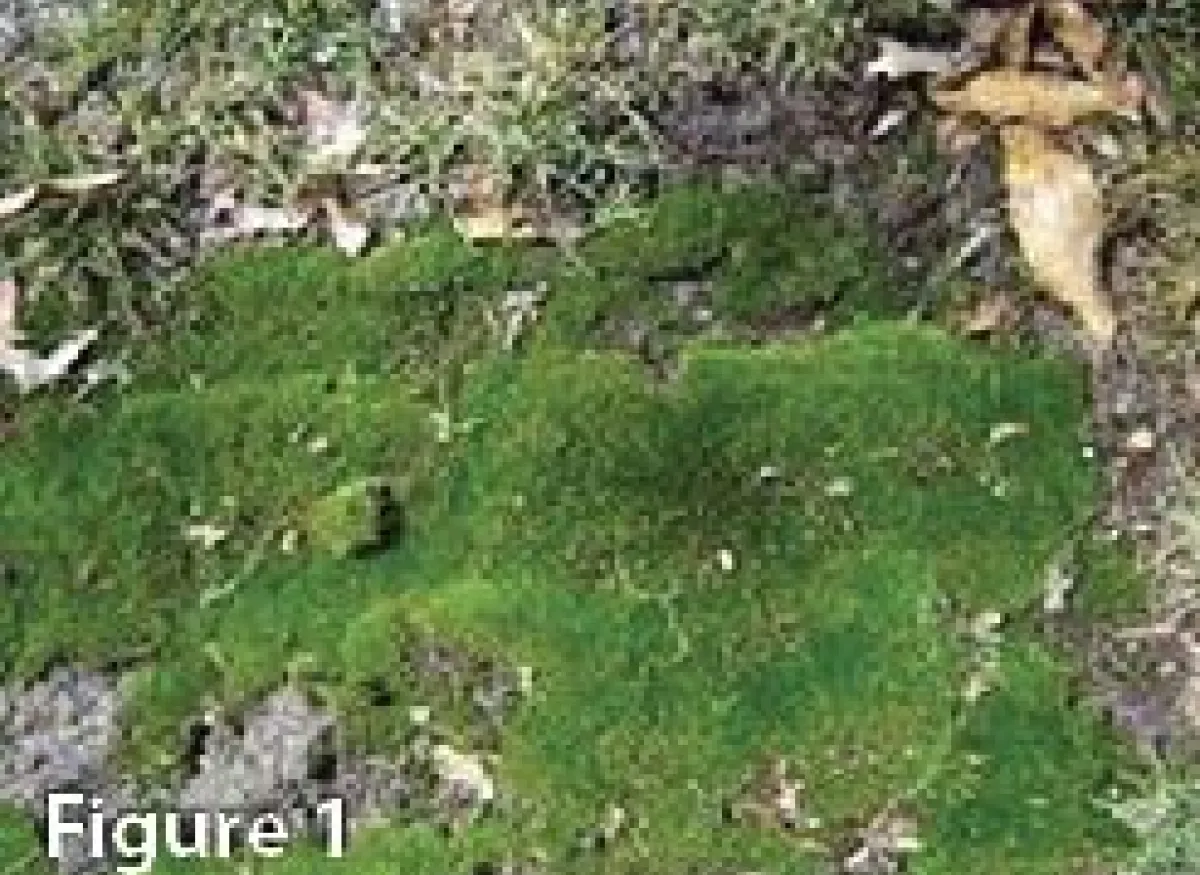
Image Source: natural-alternative.com
Why Algae Appears on Your Lawn
Fathoming why algae takes hold is key to eradicating it. Algae loves damp, shady, and compacted areas. It often appears after heavy rain or prolonged periods of wet weather.
Common Causes of Algae Growth
- Poor Drainage: Water pooling on the surface creates the perfect breeding ground for algae. If your soil doesn’t drain well, water sits, promoting algae.
- Compacted Soil: When soil is compacted, water and air can’t penetrate easily. This leads to surface moisture, ideal for algae. Compacted soil also hinders grass root growth, making your lawn weaker and more susceptible to problems.
- Shade: Lawns that don’t get enough sunlight, especially those with dense tree cover or overshadowed by buildings, are prone to algae. Grass needs sun to dry out, and without it, moisture lingers.
- Low Soil Fertility: A lack of essential nutrients can weaken grass. Healthier grass is more resilient, outcompeting algae.
- Over-watering: While algae needs moisture, consistently over-watering your lawn can also contribute to its growth by keeping the surface perpetually wet.
- Thatch Buildup: A thick layer of thatch (dead grass and organic matter) can trap moisture and prevent sunlight from reaching the soil, creating a favorable environment for algae.
Identifying Algae on Your Lawn
What does algae on your lawn look like? It typically appears as a dark green, slick, or slimy film on the soil surface and can sometimes cover the grass blades. In dry conditions, it might look like a gray or brown crust. This green algae on grass can smother your turf, blocking sunlight and air from reaching the grass roots.
Signs to Look For
- Slimy, Green Patches: The most common sign is a visible layer of green slime, especially after rain or in damp areas.
- Cracked Surface (When Dry): When the algae dries out, it can form a hard, cracked crust.
- Poor Grass Health: Areas with algae often show signs of stressed or dying grass.
Effective Methods for Lawn Moss Removal and Algae Control
Getting rid of algae involves both killing the existing growth and addressing the conditions that allow it to flourish. Lawn moss removal often goes hand-in-hand with algae control, as both prefer similar damp and shaded conditions.
Quick & Safe Solutions to Kill Algae on Lawn
While you want to kill algae quickly, safety for your grass and the environment is paramount.
Manual Removal
For small patches, you can often manually remove the algae.
- Rake it Off: Use a stiff-bristled rake to gently scrape away the algae. Do this when the surface is slightly damp, not soaking wet or bone dry.
- Dispose Properly: Bag the removed algae to prevent spreading any spores.
Natural Solutions
Several household items can help kill algae without harsh chemicals.
- Baking Soda: Mix 1 tablespoon of baking soda with 1 gallon of water. Spray this solution directly onto the algae. Baking soda changes the soil pH, making it less hospitable for algae. Use sparingly, as too much can harm grass.
- Vinegar: A diluted solution of white vinegar can also work. Mix one part white vinegar with four parts water. Spray this on the affected areas. Again, moderation is key, as vinegar can also harm grass if used excessively.
- Dish Soap: A few drops of mild dish soap in a gallon of water can help break down the algae’s cell walls. Spray it on the affected areas.
Lawn Fungicide for Algae
While not technically a fungus, some lawn fungicides can effectively kill algae. Look for products containing copper or specific algicides.
- How to Use: Always follow the product instructions carefully. Apply evenly to the affected areas.
- Timing: Apply when algae is actively growing and the weather is favorable for its spread (damp, overcast conditions).
Addressing the Root Causes: Long-Term Algae Control for Lawns
Killing the visible algae is only half the battle. To truly get rid of algae in your lawn easily and prevent its return, you must fix the underlying issues.
Improving Drainage
- Aeration: This is one of the best ways to combat compaction and improve drainage. Lawn aeration creates small holes in the soil, allowing water, air, and nutrients to penetrate deeper. This is crucial for healthy grass root development.
- Types of Aeration: Core aeration (pulling out plugs of soil) is generally more effective than spike aeration.
- When to Aerate: Best done during the growing season for your grass type (spring or fall for cool-season grasses, late spring or early summer for warm-season grasses).
- Amend the Soil: For persistent drainage problems, consider amending your soil with organic matter like compost. This improves soil structure and allows water to drain more freely.
- Consider French Drains: In severe cases of waterlogging, installing French drains can significantly improve water runoff.
Reducing Shade
- Prune Trees and Shrubs: Trim back overhanging branches and overgrown shrubs to allow more sunlight to reach the lawn.
- Plant Shade-Tolerant Grass Varieties: If your lawn is naturally shady, choose grass types that can tolerate lower light conditions. Examples include some fescues and certain bluegrass varieties.
Managing Soil pH and Fertility
- Soil Testing: Get a soil test to determine your lawn’s pH and nutrient levels. Algae often prefers slightly acidic conditions.
- Liming: If your soil is too acidic, applying lime can raise the pH, making it less favorable for algae. Follow soil test recommendations for application rates.
- Fertilization: Feed your lawn with appropriate fertilizers based on your soil test. Healthy, well-fed grass can better compete with algae.
Thatch Management
- Dethatching: If thatch buildup is a problem, dethatch your lawn. This involves using a power rake or verticutter to remove the excess thatch layer.
- When to Dethatch: Like aeration, dethatch during the active growing season.
- Proper Mowing: Avoid cutting your grass too short. Longer grass blades help shade the soil and prevent moisture loss, but also help prevent the conditions that favor algae. Maintain a mowing height appropriate for your grass type.
- Watering Practices: Water deeply and less frequently. This encourages deeper root growth and allows the soil surface to dry out between waterings, discouraging algae.
Best Way to Remove Lawn Algae: A Comprehensive Approach
The best way to remove lawn algae is to combine immediate treatment with long-term preventative measures. This ensures a lasting solution rather than a temporary fix.
Step-by-Step Lawn Care for Algae
- Identify the Cause: Is it shade, poor drainage, or compaction? Knowing the root cause is crucial for effective treatment.
- Immediate Treatment:
- For small areas, manually rake or use a safe, diluted solution like baking soda or dish soap.
- For larger infestations, consider a lawn fungicide specifically labeled for algae control, or one containing copper.
- Address Drainage and Aeration:
- Aerate your lawn, especially compacted areas. This is a cornerstone of preventing future algae growth.
- Improve any spots where water consistently pools.
- Improve Sunlight:
- Trim trees and shrubs to increase light penetration.
- Nutrient Management:
- Test your soil and fertilize as needed. A healthy lawn is your best defense.
- Regular Maintenance:
- Continue regular lawn care practices like proper mowing and watering to maintain a healthy turf.
Lawn Aeration for Algae Prevention
As mentioned, lawn aeration for algae is a powerful tool. By loosening compacted soil, aeration allows water to drain away more efficiently and air to reach the grass roots. This reduces the consistently moist surface conditions that algae craves. Performing aeration annually or bi-annually, especially in problem areas, can dramatically reduce the recurrence of algae.
Can I Use a Lawn Fungicide for Algae?
Yes, you can use a lawn fungicide for algae, but it’s important to choose the right one. Many fungicides that contain copper compounds can effectively kill algae. Always check the product label to ensure it’s suitable for algae control and safe for your lawn type. Apply according to the manufacturer’s instructions.
Preventing Algae Growth in Grass: Proactive Lawn Care
The most effective strategy is to prevent algae growth in grass before it starts. This involves consistent and proper lawn care.
Key Prevention Strategies
- Proper Watering: Water your lawn deeply and infrequently. Aim for about 1 inch of water per week, delivered in one or two sessions. This encourages strong root systems and allows the grass to dry out between waterings. Avoid frequent, shallow watering.
- Adequate Sunlight: Ensure your lawn receives sufficient sunlight. If shade is a persistent issue, consider shade-tolerant ground covers or hardscaping instead of grass.
- Good Drainage: Regularly aerate your lawn, especially if you have clay soil. This will help water percolate through the soil rather than sitting on the surface.
- Maintain Healthy Turf: A dense, healthy lawn can outcompete algae. Keep your grass at the appropriate height for its type, fertilize it according to its needs, and overseed thin areas.
- Manage Thatch: Dethatch your lawn when the thatch layer exceeds ½ inch.
- Improve Airflow: Trim dense shrubs and low-hanging branches to improve air circulation around your lawn.
Frequently Asked Questions (FAQ)
What is lawn algae?
Lawn algae is a simple, primitive plant that forms a green or greenish-brown, often slimy or crusty layer on the soil surface or grass blades. It typically indicates poor lawn conditions, such as excessive moisture, poor drainage, shade, or soil compaction.
How often should I aerate my lawn for algae control?
For general lawn health and to combat compaction that leads to algae, aerating once a year is usually sufficient. If you have severe compaction or persistent algae problems, aerating twice a year (once in spring and once in fall) can be beneficial.
Can I use bleach to kill algae on my lawn?
It is strongly not recommended to use bleach on your lawn. While it might kill algae, it will also severely damage or kill your grass and harm the soil’s ecosystem. Stick to safer, lawn-specific treatments.
What are the best grass types for shady areas prone to algae?
For shady areas, consider grass varieties like:
* Fine Fescues: Creeping red fescue, chewings fescue, and hard fescue are very shade-tolerant.
* Some Ryegrasses: Perennial ryegrass and some annual ryegrass varieties can tolerate partial shade.
* Rough Bluegrass: While less common, it performs well in shady, moist areas.
How do I know if I have a drainage problem?
Signs of a drainage problem include:
* Water pooling on the surface for more than a few hours after rain.
* Mushy or soggy soil.
* Grass that yellows or dies in specific areas, even with adequate watering.
* The presence of algae or moss in certain spots.
Is it safe to walk on a lawn with algae?
It’s generally safe to walk on a lawn with algae, but the surface can be slippery, especially when wet. Be cautious to avoid slips and falls. The main concern is the underlying health of your lawn, not the immediate safety of walking on it.
By implementing these comprehensive strategies, you can effectively get rid of algae in your lawn, ensuring a healthier, more resilient turf for years to come. Remember, consistent lawn care is the best defense against this common lawn nuisance.