
A new lawn needs consistent moisture to establish strong roots. A new lawn generally needs to be watered lightly and frequently, especially during the germination and early growth stages. This blog post will guide you through the specifics of watering your newly planted grass, whether it’s from seed or sod. We’ll cover everything from initial watering to developing a long-term lawn establishment watering schedule, ensuring your young grass gets the moisture it needs to thrive.
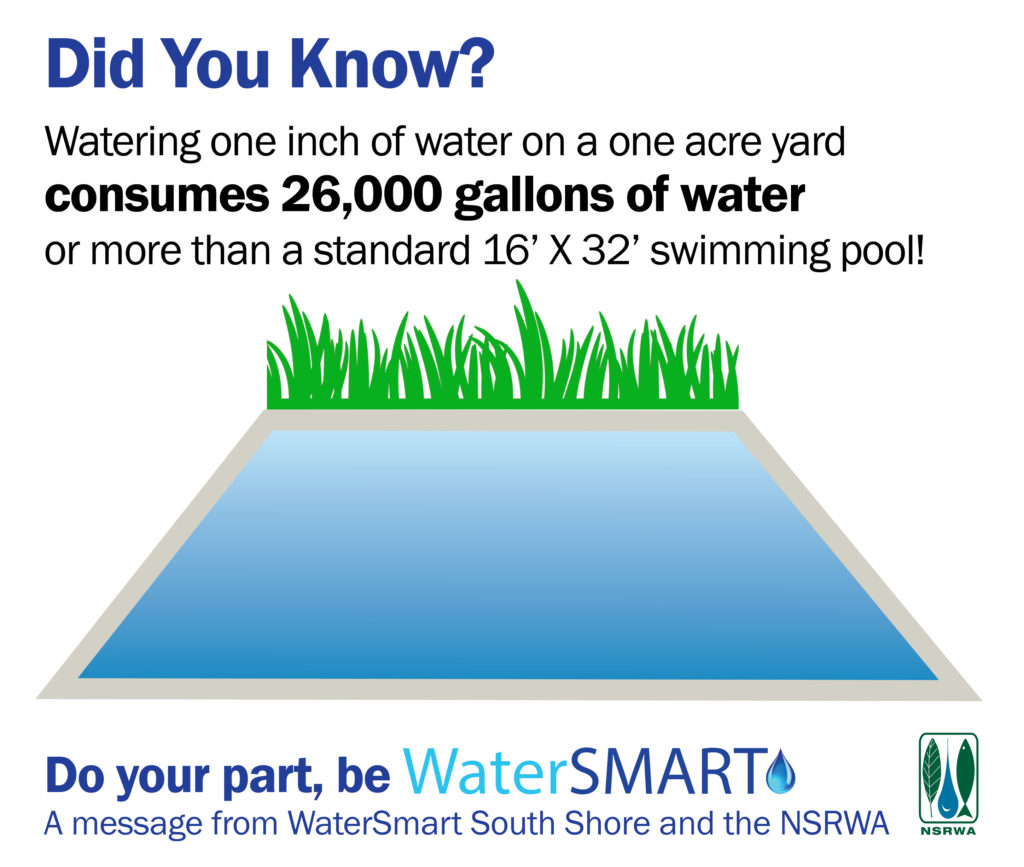
Image Source: www.nsrwa.org
The Critical Early Days: Lawn Germination Watering
When you first sow grass seed, your primary goal is to keep the top layer of soil consistently moist. This is crucial for lawn germination watering. Think of it as a fine mist that doesn’t disturb the tiny seeds but provides them with the hydration they need to sprout.
How Often to Water Newly Seeded Lawn
New grass watering frequency during this delicate phase is key. Aim for light sprinklings several times a day. The soil surface should always feel damp to the touch, but not waterlogged. Overwatering can wash away seeds or lead to fungal diseases.
Key Principles for Lawn Germination Watering:
- Light and Frequent: Avoid deep soaking. Short, frequent watering is best.
- Morning Watering: Water early in the morning to allow the grass blades to dry before evening, reducing the risk of disease.
- Observe the Soil: Feel the top half-inch of soil. If it’s dry, it’s time to water.
Dealing with Shallow Root Watering Lawn
Early watering strategies often involve shallow root watering lawn. This is because the seeds have just sprouted and their roots are very short, only reaching a fraction of an inch into the soil. The goal is to encourage those roots to grow downwards by providing moisture near the surface.
Establishing Sod: Moisture for Sod is Paramount
If you’re installing sod, your watering needs are slightly different but equally critical. Establishing sod watering focuses on keeping the sod itself moist and encouraging it to meld with the underlying soil.
Initial Watering for Sod
Immediately after laying sod, water it thoroughly. You want to ensure the entire piece of sod is wet and that the water begins to penetrate the underlying soil. This is essential for providing moisture for sod and preventing it from drying out.
Watering Newly Planted Grass (Sod)
For the first week or two after laying sod, you’ll need to water frequently to keep the sod consistently moist.
Watering Newly Planted Grass Schedule (Sod):
- Day 1: Water deeply immediately after installation.
- First 1-2 Weeks: Water lightly twice a day, especially if temperatures are warm or windy. The goal is to keep the sod moist without creating puddles.
- Weeks 2-4: Gradually reduce the frequency but increase the duration of watering. Aim to water once a day, ensuring the water penetrates about 1-2 inches into the soil.
Developing Your Lawn Establishment Watering Schedule
Once your grass has germinated or your sod has begun to root, you can start adjusting your watering practices to encourage deeper root growth. This is where you move from newly seeded lawn watering to a more robust lawn establishment watering schedule.
The Shift to Deeper Rooting
As your grass grows, its roots will naturally seek moisture. The key is to provide an environment that encourages this downward growth. This means transitioning from very frequent, shallow watering to less frequent, deeper watering.
Why Deep Watering New Lawn is Important:
- Encourages Root Growth: When you water deeply, the soil becomes moist several inches down. Roots will grow towards this moisture, creating a stronger, more resilient root system.
- Drought Tolerance: A lawn with deep roots is better able to withstand dry periods and heat stress.
- Reduced Disease Risk: Deep watering allows the grass blades to dry out between waterings, which helps prevent fungal diseases.
Finding the Right Balance: Young Grass Water Needs
Figuring out young grass water needs is an art and a science. It depends on various factors, including grass type, soil type, temperature, wind, and rainfall.
Factors Influencing Watering Needs:
- Grass Type: Cool-season grasses (like fescue and bluegrass) have different needs than warm-season grasses (like Bermuda and zoysia).
- Soil Type: Sandy soils drain quickly and require more frequent watering than clay soils, which retain moisture longer.
- Weather: Hot, sunny, and windy conditions increase water evaporation, meaning you’ll need to water more often.
- Rainfall: Natural rainfall can supplement your watering, so always check the forecast and soil moisture before turning on the sprinklers.
How Much Water Is Enough? Practical Guidance
Determining the exact amount of water is tricky, but a good rule of thumb for a new lawn is to provide about 1 to 1.5 inches of water per week, whether from rain or your irrigation system.
Measuring Water Application
- Tuna Can Test: Place empty tuna cans (or similar straight-sided containers) around your lawn. Run your sprinklers and time how long it takes to collect about 1 inch of water in the cans. This will give you a baseline for how long to run your sprinklers.
- Soil Probe: Use a screwdriver or soil probe to check moisture depth. If it easily penetrates 4-6 inches, the soil is likely sufficiently moist.
Visual Cues for Watering Needs
Your lawn will also give you signals when it needs water:
- Color Change: Grass may start to take on a dull, bluish-gray tint.
- Footprints Remain: When you walk on dry grass, your footprints will remain visible for a while because the blades won’t spring back up.
- Leaf Blade Curling: Individual grass blades may begin to curl or fold in half.
Watering Techniques for New Lawns
The method of watering can be as important as the amount. For newly seeded lawn watering and for establishing sod, proper technique prevents issues and promotes healthy growth.
Sprinkler Selection and Placement
- Even Coverage: Ensure your sprinklers are set to provide even coverage across the entire lawn. Overlapping spray patterns are usually necessary.
- Avoid Wind: Water when it’s less windy to prevent water from being blown off the lawn.
- Low Angle Sprays: For newly seeded areas, consider sprinklers that produce a finer mist or a low-angle spray to avoid dislodging seeds.
Watering Times and Cycles
- Deep Watering: When you transition to deeper watering, aim for longer watering cycles, perhaps two or three times a week, rather than short daily sprinkles.
- Cycle and Soak: For slopes or compacted soils, a “cycle and soak” method can be beneficial. Water for a shorter period, let it soak in for an hour or two, and then water again. This prevents runoff.
Common Watering Mistakes to Avoid
Even with the best intentions, new lawn owners can make mistakes that hinder growth.
Overwatering: The Silent Killer
While young grass needs moisture, too much water can be detrimental.
Dangers of Overwatering:
- Root Rot: Constantly wet soil suffocates roots, leading to rot.
- Fungal Diseases: Fungi thrive in damp conditions, making your new lawn susceptible to diseases like brown patch or dollar spot.
- Shallow Root Systems: If the soil is always wet on the surface, roots won’t be incentivized to grow deeper.
- Weed Proliferation: Many weeds love consistently moist conditions.
Underwatering: Drying Out the Dreams
On the flip side, letting your new lawn dry out can be equally damaging.
Consequences of Underwatering:
- Seed Desiccation: Newly germinated seeds and young seedlings will die if they dry out.
- Sod Disintegration: Sod can dry out from the bottom up, causing the roots to fail to establish.
- Slowed Growth: Insufficient moisture stunts growth and weakens the young grass.
Watering at the Wrong Time
As mentioned, watering in the evening can leave grass blades wet overnight, promoting disease. Watering in the heat of the day leads to significant water loss through evaporation.
Transitioning to a Mature Lawn Watering Schedule
As your lawn matures, its water needs will change. You’ll move from the intensive new grass watering frequency to a more relaxed, but still important, routine.
Signs Your Lawn is Ready for Less Frequent Watering
- Established Root System: You can gently tug on a few blades of grass. If they resist and the turf feels firm, the roots are likely established.
- Consistent Green Color: The grass maintains a healthy green color without wilting.
- Dense Growth: The lawn is thick and has filled in any bare patches.
Building Long-Term Watering Habits
Once established, most lawns benefit from deep, infrequent watering. This typically means watering once or twice a week, allowing the soil to dry out slightly between applications. The goal is to encourage roots to grow 4-6 inches deep.
Frequently Asked Questions (FAQ)
Here are some common questions about watering new lawns:
Q1: How much water does a newly seeded lawn need daily?
A1: During germination, a newly seeded lawn needs light watering several times a day to keep the top layer of soil consistently moist. Aim for a fine mist that doesn’t displace the seeds.
Q2: Can I water my new lawn at night?
A2: It’s best to avoid watering your new lawn at night. Watering in the early morning allows the grass to dry before evening, reducing the risk of fungal diseases.
Q3: My new sod looks dry on top, but I watered yesterday. What should I do?
A3: If the sod still feels dry on top despite watering, it likely means the water isn’t penetrating effectively. Ensure you are watering long enough to moisten the sod and the soil beneath. For sod, this usually means thorough watering immediately after laying and then frequent, lighter waterings for the first few weeks.
Q4: How long should I water my new lawn?
A4: The duration depends on your sprinkler system and soil type. For newly seeded areas, frequent short sprinkles are best. For established sod, water until the soil is moist 1-2 inches deep. A good starting point is to time your sprinklers using the tuna can test to deliver 1/4 to 1/2 inch of water per session.
Q5: What is the best time of day to water a new lawn?
A5: The best time to water a new lawn is early in the morning. This allows the grass to absorb moisture before the heat of the day and ensures the blades dry off, minimizing disease risk.
Q6: How do I know if I’m watering too much?
A6: Signs of overwatering include yellowing grass, moss or algae growth, standing water after irrigation, and a spongy feel to the lawn. You might also notice fungal disease outbreaks.
Q7: How do I know if I’m watering too little?
A7: Signs of underwatering include wilting or drooping grass blades, a grayish-blue tint to the lawn, and footprints that remain visible after walking on the grass. The soil will also feel dry and hard.
By paying close attention to your new lawn’s needs and adjusting your watering practices accordingly, you can cultivate a lush, healthy, and vibrant green space. Remember, consistency and observation are your greatest allies in this process.