
A typical lawn tractor battery lasts between 3 to 5 years. This lifespan can vary significantly based on several factors, including how well the battery is maintained, the quality of the battery itself, and the usage patterns of the tractor.
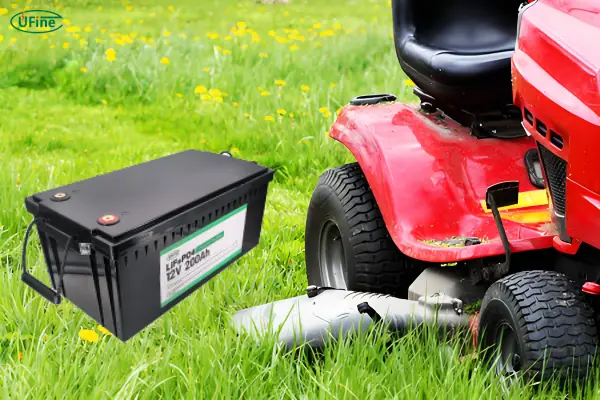
Image Source: www.ufinebattery.com
Deciphering Lawn Tractor Battery Life Expectancy
Knowing how long your lawn tractor battery should last is key to keeping your mowing equipment in top shape. The lawn mower battery lifespan isn’t a fixed number; it’s a range influenced by many things. A good quality battery, cared for properly, can serve you reliably for several seasons. Conversely, a neglected battery might fail much sooner than expected. This guide will help you understand the typical tractor battery life expectancy and what you can do to get the most out of yours.
Factors Affecting Lawn Tractor Battery Life
Several elements play a crucial role in how long your lawn tractor battery will stay charged and ready to go. It’s not just about buying a battery; it’s about how you use and care for it.
Usage Patterns
How often and how intensely you use your lawn tractor makes a big difference.
- Frequency of Use: Tractors used frequently, perhaps for large properties or commercial landscaping, will naturally put more wear on their batteries compared to those used only a few times during the mowing season. Each start-up and operation cycle uses battery power.
- Usage Duration: Longer mowing sessions mean the battery is under load for extended periods. While the tractor’s alternator (or charging system) works to replenish power, prolonged heavy use can still contribute to wear over time.
- Storage Conditions: How your tractor is stored during the off-season is critical. If a tractor sits unused for months without any battery maintenance, the battery can lose its charge and suffer damage, shortening its riding mower battery duration.
- Environmental Extremes: Extreme temperatures, both hot and cold, can impact battery performance and lifespan. Very high temperatures can accelerate the chemical reactions inside the battery, leading to faster degradation. Very low temperatures can reduce the battery’s ability to hold a charge and deliver power.
Battery Quality and Type
Not all batteries are created equal. The initial quality and type of battery you choose can significantly affect its best lawn tractor battery life.
- Brand Reputation: Established battery manufacturers often produce higher-quality products with better materials and construction, leading to longer lifespans.
- Battery Chemistry: Most lawn tractor batteries are lead-acid batteries, often referred to as flooded, AGM (Absorbent Glass Mat), or Gel batteries.
- Flooded Lead-Acid: These are the most common and generally the most affordable. They require maintenance, such as checking and topping up the electrolyte levels with distilled water.
- AGM Batteries: These are sealed and maintenance-free. The electrolyte is absorbed into fiberglass mats. They offer better vibration resistance and can be discharged more deeply without damage, often resulting in a longer lawn mower battery lifespan.
- Gel Batteries: Similar to AGM but use a gelled electrolyte. They are also maintenance-free and have good deep-cycle capabilities but can be more sensitive to overcharging.
- Cold Cranking Amps (CCA): A higher CCA rating indicates a battery’s ability to start an engine in cold temperatures. While important for starting, it doesn’t directly correlate with overall lifespan but ensures reliable starting performance.
- Reserve Capacity (RC): This measures how long a battery can deliver a specific amount of current. A higher RC can indicate a more robust battery capable of handling longer periods of use.
Maintenance Practices
Regular maintenance is one of the most significant controllable factors in extending your lawn tractor battery’s life.
- Regular Charging: Keeping the battery fully charged is crucial. If your tractor isn’t used regularly, consider using a trickle charger or battery tender. This prevents the battery from discharging too deeply, which can cause permanent damage.
- Terminal Cleaning: Battery terminals can corrode over time. Corrosion creates resistance, hindering the flow of electricity and reducing charging efficiency. Cleaning the terminals periodically with a wire brush and a mixture of baking soda and water, followed by a rinse and drying, can significantly improve lawn tractor battery performance over time.
- Checking Electrolyte Levels (for Flooded Batteries): For flooded lead-acid batteries, checking and topping up the electrolyte levels with distilled water is essential. Low electrolyte levels expose the battery plates, leading to sulfation and damage.
- Securing the Battery: Ensure the battery is securely fastened in its mounting bracket. Excessive vibration can shake the internal components of the battery, leading to premature failure.
- Parasitic Drain Checks: Some electrical components on your tractor might draw a small amount of power even when the engine is off. If this “parasitic drain” is too high, it can slowly discharge the battery, leading to premature wear.
Typical Lawn Mower Battery Life
When we talk about typical lawn mower battery life, we’re looking at a general timeframe under average conditions. For most lawn tractor batteries, this falls within the 3 to 5-year range. However, this is an average, and individual experiences can vary.
- Entry-Level Batteries: Less expensive batteries, perhaps with lower-quality materials, might fall on the shorter end of the spectrum, potentially lasting only 2-3 years, especially if not meticulously maintained.
- Mid-Range Batteries: These offer a good balance of performance and price, and with proper care, can often reach the 3-5 year mark.
- Premium Batteries: High-quality batteries, particularly AGM types from reputable brands, can sometimes exceed the 5-year mark, potentially lasting 6 years or even more in ideal conditions. However, these are less common in standard lawn tractors.
How Often to Replace Lawn Tractor Battery
The question of how often to replace lawn tractor battery is closely tied to its age and performance. You don’t necessarily replace it on a fixed schedule. Instead, watch for signs of a failing battery.
Signs of a Failing Lawn Tractor Battery
- Slow Engine Crank: The most common indicator is when the engine cranks slowly or struggles to start. This means the battery doesn’t have enough power to turn the starter motor effectively.
- Dimming Lights: If your tractor has headlights, notice if they appear dimmer than usual, especially when trying to start the engine.
- Corrosion on Terminals: While cleaning can fix temporary issues, excessive or recurring corrosion can indicate internal battery problems.
- Swollen or Warped Battery Case: This is a serious sign that the battery has been damaged, likely by extreme heat or overcharging, and should be replaced immediately.
- Sulfuric Odor: A rotten egg smell can indicate that the battery is leaking or overheating, which is a safety hazard.
- Inability to Hold a Charge: If you consistently have to jump-start your tractor or if it dies shortly after being disconnected from a charger, the battery’s ability to hold a charge has likely diminished.
- Battery Age: If your battery is approaching or has surpassed the 3-5 year mark and you start noticing any of the above symptoms, it’s a strong indicator that replacement is near. It’s often better to replace it before it leaves you stranded.
Lawn Tractor Battery Age and Performance Over Time
The lawn tractor battery age directly influences its lawn tractor battery performance over time. As a battery ages, its internal chemistry changes. Lead-acid batteries, for instance, can develop sulfation on their plates. Sulfation occurs when lead sulfate crystals, formed during discharge, are not fully converted back to lead and lead dioxide during charging. If left for too long, these crystals harden and can no longer be dissolved, reducing the battery’s capacity and ability to accept a charge.
- Capacity Degradation: Over years of use, the battery’s capacity to store and deliver power gradually decreases. This means it won’t be able to power the starter motor for as long, or the lights might not be as bright.
- Increased Internal Resistance: As internal components degrade, the battery’s internal resistance increases. This makes it harder for current to flow, leading to voltage drops under load and reduced charging efficiency.
- Vulnerability to Extreme Conditions: Older batteries are more susceptible to damage from extreme temperatures or deep discharges than newer ones.
Achieving the Best Lawn Tractor Battery Life
To ensure you’re getting the best lawn tractor battery life possible, consistent and proper care is essential.
Proactive Maintenance Strategies
- Use a Battery Tender/Trickle Charger: For tractors stored for extended periods (more than a month), a smart battery tender is a worthwhile investment. It monitors the battery’s charge and provides a slow, steady charge only when needed, preventing overcharging and keeping the battery at optimal voltage. This is particularly important during winter months.
- Regularly Clean Terminals and Connections: As mentioned earlier, clean terminals ensure good electrical contact. Aim to check and clean them at least once a year, or more often if you notice any signs of corrosion. Use a battery terminal brush and a protective spray after cleaning.
- Secure Battery Mounting: Periodically check that the battery is firmly held in place. Loose batteries are prone to vibration damage.
- Keep the Battery Top Clean: Dust and debris on top of the battery can create a path for current to leak, leading to self-discharge. Wipe down the battery regularly.
- Perform a Load Test: If you suspect your battery might be weakening but aren’t sure, you can take it to an auto parts store. Many offer free battery testing. A load test simulates the strain of starting the engine and provides a more accurate assessment of the battery’s health than just checking voltage.
Seasonal Care
- Pre-Season Check: Before you bring your tractor out of storage for the mowing season, fully charge the battery and check its terminals.
- Mid-Season Check: During the mowing season, especially if you use the tractor frequently, ensure the terminals are clean and the battery is properly secured.
- Off-Season Storage: This is the most critical period for battery care.
- Full Charge Before Storage: Always store a fully charged battery.
- Optimal Storage Location: If possible, store the tractor in a cool, dry place. Extreme temperatures, both hot and cold, can be detrimental.
- Consider Battery Disconnection: For long-term storage (many months), some people disconnect the negative battery cable to minimize any potential parasitic drain. However, using a battery tender is generally a more effective and safer approach.
When is it Time for a New Battery?
Deciding how often to replace lawn tractor battery isn’t always straightforward. While the 3-5 year guideline is helpful, it’s the performance that ultimately dictates replacement.
- Declining Performance: If you notice a significant decrease in starting power, especially in cooler weather, or if the engine cranks much slower than before, it’s a strong sign the battery is nearing the end of its life.
- Frequent Jump-Starts: If you find yourself needing to jump-start the tractor more than once or twice a season, the battery is likely no longer able to hold a sufficient charge.
- Visible Damage: Any physical damage to the battery case, such as swelling, cracking, or leaking, means it needs immediate replacement for safety reasons.
- Testing Results: If a battery load test indicates that the battery can no longer deliver adequate cranking power, it’s time for a new one.
Choosing the Right Replacement Battery
When you need to replace your lawn tractor battery, selecting the correct type is crucial for performance and longevity.
Battery Specifications to Consider
- Group Size: Lawn tractor batteries come in specific group sizes (e.g., Group 26, Group 35, Group U1). This size dictates the physical dimensions of the battery and the placement of the terminals. Always match the group size of your old battery or consult your tractor’s owner’s manual.
- Voltage: Almost all lawn tractor batteries are 12-volt.
- Terminal Configuration: Pay attention to whether the positive and negative terminals are on the same side or opposite sides, and the type of terminals (e.g., top post, side post).
- CCA (Cold Cranking Amps): Ensure the new battery meets or exceeds the CCA rating recommended by your tractor manufacturer. This is especially important if you live in a colder climate.
- RC (Reserve Capacity): A higher reserve capacity can be beneficial, especially for tractors with many accessories or those used for extended periods.
Battery Types for Longevity
For those seeking the best lawn tractor battery life, consider these options:
- AGM (Absorbent Glass Mat): As mentioned, AGM batteries are generally more robust, maintenance-free, and resistant to vibration and deep discharges. They often offer a longer lifespan than standard flooded batteries.
- High-Quality Flooded Batteries: If you opt for a flooded battery, choose a reputable brand known for quality construction. These can still provide excellent service with diligent maintenance.
Troubleshooting Common Battery Issues
Sometimes, issues attributed to a dead battery might have other causes. Before concluding your battery needs replacement, consider these troubleshooting steps.
- Check Connections: Ensure battery terminals are clean and tight. A loose or corroded connection can mimic a dead battery.
- Inspect the Charging System: If your battery keeps dying, the issue might not be the battery itself but the tractor’s charging system (alternator or generator). A faulty charging system won’t recharge the battery while the engine is running. You can test this by checking the battery voltage while the engine is running – it should be higher than the resting voltage (typically between 13.5 and 14.5 volts).
- Check for Electrical Leaks: As mentioned, parasitic drain can deplete a battery. If the battery dies quickly after being fully charged and disconnected, a parasitic drain is a possibility.
- Inspect the Battery Itself: Look for any signs of physical damage, swelling, or leaking.
FAQ: Your Lawn Tractor Battery Questions Answered
Q: How long does a riding mower battery typically last?
A: A typical riding mower battery should last between 3 to 5 years with proper care and maintenance.
Q: Can I use a car battery in my lawn tractor?
A: While both are 12-volt, car batteries are designed for different use cycles than lawn tractor batteries. Car batteries are built for short bursts of high power (starting the engine) and then constant recharging. Lawn tractor batteries, especially those with higher reserve capacity, are designed for more sustained, lower-draw electrical loads. Using a car battery might work in a pinch, but it’s generally not recommended for optimal performance and longevity.
Q: What happens if my lawn tractor battery dies?
A: If your lawn tractor battery dies, you won’t be able to start the engine. You may need to jump-start it, but if the battery is old or damaged, it will likely need to be replaced.
Q: How do I know if my lawn tractor battery needs replacing?
A: Signs include a slow engine crank, dim lights, recurring corrosion, a swollen battery case, or the inability to hold a charge. If your battery is over 3-5 years old and shows any of these symptoms, it’s time to consider replacement.
Q: What’s the best way to maintain my lawn tractor battery?
A: Key maintenance steps include keeping terminals clean and tight, using a battery tender for storage, ensuring the battery is securely mounted, and for flooded batteries, checking and topping up electrolyte levels with distilled water.
Q: Will extreme weather shorten my lawn tractor battery’s life?
A: Yes, extreme heat and cold can both negatively impact battery life. Heat accelerates chemical reactions that degrade the battery, while cold reduces its capacity and makes it harder to start.
Q: Is an AGM battery better for my lawn tractor?
A: AGM batteries are often considered better due to their maintenance-free nature, better vibration resistance, and improved ability to handle deep discharges, which can lead to a longer overall lifespan compared to standard flooded batteries.
By paying attention to these factors and employing consistent maintenance, you can significantly extend your lawn tractor battery’s life and ensure reliable performance season after season.