
So, you’ve spread that magical green powder on your lawn. Now what? How long until you see those lush, vibrant blades? Lawn fertilizer typically takes anywhere from a few days to a few weeks to show visible results, depending on the type of fertilizer, the health of your soil, the weather, and your grass type. This guide will help you understand the timeline and factors involved.
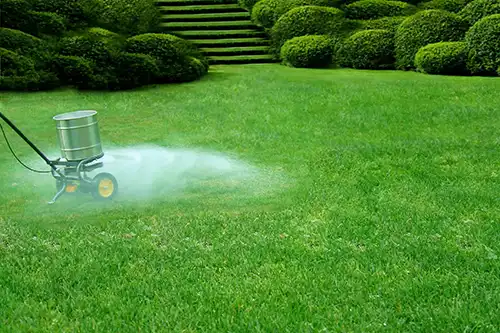
Image Source: www.flapest.com
What Influences Fertilizer Speed?
Several things affect how quickly your lawn responds to fertilizer. It’s not just about the product you buy; your lawn’s environment plays a big role.
Fertilizer Type: The Speed Factor
The most significant factor influencing how long fertilizer takes to work is its type. Fertilizers are generally categorized into two main types: quick-release and slow-release.
Quick-Release Fertilizers
Quick-release fertilizers are designed to break down rapidly, delivering nutrients to your grass almost immediately. They are often granular and water-soluble.
- How they work: Once applied and watered, the nutrients in quick-release fertilizers dissolve quickly. This makes them readily available for your grass roots to absorb.
- Fertilizer breakdown: The breakdown process for quick-release is very fast, often within hours of application and sufficient moisture.
- Nutrient absorption speed: Because the nutrients are readily available, nutrient absorption speed is very high.
- Visible results fertilizer: You can often see a change in your lawn’s color within 24 to 48 hours. This might manifest as a deeper green hue.
- Pros: Provide a rapid boost to your lawn, ideal for quickly addressing nutrient deficiencies or preparing for an event.
- Cons: Can burn the grass if over-applied or not watered in properly. Nutrients are also more prone to leaching from the soil, meaning they can wash away with rain or irrigation before the grass can use them. Their effect is also short-lived.
Slow-Release Fertilizers
Slow-release fertilizers are designed to release nutrients over a longer period, typically 6 to 12 weeks. They are often coated or naturally less soluble.
- How they work: These fertilizers release nutrients gradually as the coating breaks down or through a slow chemical reaction. This provides a steady supply of food for your lawn.
- Fertilizer breakdown: The fertilizer breakdown is a prolonged process. The release rate is often tied to soil temperature, moisture, and microbial activity.
- Nutrient absorption speed: Nutrient absorption speed is slower and more consistent over time compared to quick-release options.
- Visible results fertilizer: You’ll typically see visible results fertilizer in the form of improved color and growth starting around 1 to 3 weeks after application. The effect builds gradually.
- Pros: Provide sustained nutrition, reduce the risk of burning, and are less likely to leach away, making them more environmentally friendly. They also require fewer applications throughout the season.
- Cons: The initial green-up might not be as dramatic or as fast as with quick-release fertilizers.
The Role of Grass Type
Different types of grass have varying nutrient needs and growth cycles, which can influence how quickly they respond to fertilization.
- Cool-Season Grasses: (e.g., Kentucky Bluegrass, Fescue, Ryegrass) These grasses are most actively growing in the spring and fall. Fertilizing them during their active growth periods will yield faster results.
- Warm-Season Grasses: (e.g., Bermuda Grass, Zoysia Grass, St. Augustine Grass) These grasses thrive in the heat of summer. They will respond most quickly to fertilizer during their peak growing season.
Applying fertilizer when the grass is dormant or under stress (like during extreme heat or drought) will result in a much slower response, regardless of the fertilizer type.
Soil Health and Conditions
The health of your soil is a critical, though often overlooked, factor in how quickly fertilizer works.
- Soil Uptake Time: Healthy soil with good microbial activity can break down and absorb nutrients more efficiently. If your soil is compacted, depleted of organic matter, or has an unbalanced pH, the soil uptake time will be longer.
- Soil pH: Most grass types prefer a slightly acidic to neutral soil pH (around 6.0 to 7.0). If your soil is too acidic or too alkaline, nutrient availability can be significantly impacted, slowing down fertilizer effectiveness.
- Moisture Levels: Fertilizer needs moisture to dissolve and be absorbed by the grass roots. Without adequate moisture, even quick-release fertilizers will sit on the soil surface, waiting to be activated.
The Importance of Watering
Water is the catalyst for fertilizer action.
- Activation Period: Following application, watering is crucial for fertilizer activation period. It helps dissolve granular fertilizers and carries them to the soil where roots can access them.
- Rainfall: Natural rainfall can serve the same purpose as manual watering, provided it’s a gentle, soaking rain rather than a heavy downpour that could wash the fertilizer away.
- Too Much Water: While water is necessary, over-watering immediately after fertilization can also be detrimental, potentially leaching nutrients deeper into the soil, below the root zone.
Environmental Factors: Temperature and Sunlight
The weather conditions play a significant role in your lawn’s ability to utilize nutrients.
- Temperature: Grass plants are more active and their metabolic processes are faster when temperatures are within their optimal range. This means they can absorb and utilize nutrients more quickly during their peak growing seasons.
- Sunlight: Sunlight is essential for photosynthesis, the process by which grass produces energy. Adequate sunlight allows the grass to use the absorbed nutrients for growth and color enhancement. Shady areas or overcast conditions may lead to a slower visible response.
The Fertilizer Application Timeline: A Step-by-Step Look
Let’s break down what happens after you spread fertilizer on your lawn.
Immediate Post-Application (0-24 Hours)
- Fertilizer sits on the surface: Granular fertilizer is now on your lawn.
- Activation begins: If you water or if rain falls, the fertilizer starts to dissolve. Quick-release types begin to break down rapidly.
First Visible Signs (1-3 Days for Quick-Release, 1-3 Weeks for Slow-Release)
- Greening begins: For quick-release fertilizers, you might notice a subtle increase in greenness within a day or two. This is the “quick green-up.”
- Slower development for slow-release: Slow-release fertilizers are just beginning their gradual nutrient delivery. You won’t see much change yet.
Moderate Improvement (1-2 Weeks)
- Deeper color: The greening effect from quick-release fertilizers becomes more pronounced.
- Early growth: You may start to notice slightly increased growth.
- Slow-release impact emerges: Slow-release fertilizers start showing their effects. The lawn may appear a bit greener and healthier, but the change is gradual.
Peak Effectiveness (2-4 Weeks)
- Maximum impact: By this point, quick-release fertilizers will have delivered their main boost.
- Sustained growth: Slow-release fertilizers continue to provide nutrients, leading to consistent growth and improved health. The lawn’s color should be a rich green.
- Lawn greening time: This is generally when you’ll see the most significant lawn greening time for most fertilizers.
Extended Benefits (4-12 Weeks for Slow-Release)
- Ongoing nutrition: Slow-release fertilizers continue to feed the lawn, maintaining its health and color over an extended period.
- Root development: The steady supply of nutrients also supports deeper root development, making the lawn more resilient.
Measuring Fertilizer Effectiveness: What to Look For
You’re not just waiting for greenness. Fertilizer affects your lawn in several ways.
Visible Results Fertilizer
This is the most obvious sign.
- Color Change: The most common visible result is an improvement in the grass’s green color. Nutrient deficiencies, especially nitrogen, often show up as yellowing or pale green grass.
- Growth Rate: Fertilized grass will typically grow faster and thicker. You might find yourself mowing more frequently.
- Density: The lawn will appear fuller and more uniform, with fewer bare patches.
Nutrient Absorption Speed and Soil Uptake Time
While not directly visible, these are crucial.
- Healthy Root System: Fertilizers, particularly those with phosphorus, contribute to strong root development. While you can’t see the roots immediately, a healthy root system supports a lush, resilient lawn.
- Disease and Stress Resistance: Well-fed grass is better equipped to fight off diseases and withstand environmental stresses like drought or heavy traffic. This improved resilience is a key benefit, even if it’s not an immediate visual cue.
When to Expect Lawn Recovery Time Fertilizer
If your lawn has been neglected or is showing signs of stress, fertilizer can aid in its recovery.
- Factors affecting recovery: The extent of the stress or damage, the type of fertilizer used, and the environmental conditions will dictate the lawn recovery time fertilizer.
- Initial signs of recovery: You might see slight improvements in color within a week.
- Full recovery: For a lawn that is significantly stressed or has suffered damage (like from grubs or disease), full recovery could take several weeks to a couple of months, even with consistent fertilization and proper care.
Common Questions About Fertilizer Timing
Here are some frequently asked questions that might be on your mind.
Q1: Can I fertilize my lawn in the winter?
Generally, it’s not recommended to fertilize in the winter. Most grasses are dormant during the colder months, and fertilizer applied then will not be absorbed and can even lead to winter kill or disease. The best times for fertilization are during the active growing seasons for your specific grass type.
Q2: How soon after overseeding can I fertilize?
You should wait until the new grass seedlings have been mowed a couple of times before applying a starter fertilizer. This allows the young grass to establish a good root system and prevents the fertilizer from burning the delicate new blades. Typically, this is about 4-6 weeks after germination.
Q3: What is the best time of day to fertilize my lawn?
The best time of day to fertilize is typically in the morning, after the dew has dried, or in the late afternoon. Fertilizing during the hottest part of the day can increase the risk of burning the grass, especially with quick-release fertilizers.
Q4: Can I fertilize if it’s going to rain?
Yes, light to moderate rain is beneficial as it helps activate the fertilizer. However, if heavy rainfall is expected, it’s best to postpone fertilization. Heavy rain can wash the fertilizer off the lawn and into storm drains, polluting waterways and wasting your product.
Q5: How often should I fertilize my lawn?
The frequency depends on the type of fertilizer and your lawn’s needs. Quick-release fertilizers might require applications every 4-6 weeks during the growing season. Slow-release fertilizers can provide nutrition for 6-12 weeks, so you’ll need fewer applications, perhaps only 2-3 times a year, depending on the product and your grass type. Always follow the product label instructions.
Q6: What is the typical fertilizer activation period?
The fertilizer activation period begins as soon as the fertilizer comes into contact with moisture. For granular fertilizers, this means dissolving them with water or rain. This process can take anywhere from a few hours to a day or two to become fully available to the plant.
Q7: What is the difference between fertilizer breakdown and nutrient absorption speed?
Fertilizer breakdown refers to the process by which the fertilizer itself degrades into a form that can be used by plants. Nutrient absorption speed is how quickly the grass roots take up these broken-down nutrients. For quick-release fertilizers, breakdown and absorption happen rapidly. For slow-release, both processes are deliberately slowed down.
Q8: What happens if I don’t water after fertilizing?
If you don’t water after applying granular fertilizer, it won’t dissolve and be absorbed by the grass roots. This means the fertilizer won’t work, and the nutrients will remain on the surface, potentially being blown away or washed away by future rain, leading to uneven fertilization and wasted product. It also significantly increases the risk of burning the grass blades.
Conclusion: Patience and Proper Application
Getting your lawn to that picture-perfect green state involves more than just spreading fertilizer. It’s about understanding the science behind it, choosing the right product for your lawn’s needs, and applying it at the right time under the right conditions.
Remember, quick-release fertilizers offer a rapid boost with visible results fertilizer appearing in days, but their effects are fleeting and carry a higher risk. Slow-release fertilizers require a bit more patience, with visible results appearing over weeks, but they offer sustained nutrition and a healthier lawn in the long run. By paying attention to your grass type, soil health, and the weather, you can ensure your fertilizer application leads to a lush, vibrant lawn you can be proud of. Keep these timelines and factors in mind for your next fertilization, and you’ll be well on your way to a greener, healthier lawn.