
What is lawn fungus? Lawn fungus, often called fungal lawn disease, is a common problem that can make your grass look unhealthy and patchy. Can I fix it myself? Yes, you can often fix it yourself with the right approach and products. Who is affected by lawn fungus? Any type of grass can be affected, and it’s more common in certain weather conditions.
Lawn fungus can be a real headache for homeowners. One minute your turf is a lush green carpet, and the next, it’s dotted with unsightly patches, rings, or spots. This unwelcome guest, often referred to as fungal lawn disease, can quickly turn your pride and joy into a source of frustration. But don’t despair! Restoring a lawn afflicted with fun gus is achievable with a clear plan and the right tools. This guide will walk you through how to kill lawn fungus, identify common lawn fungi, and implement effective lawn care for fungus. We’ll cover everything from choosing the best lawn fungus remover to understanding how to repair a patchy lawn fungus.
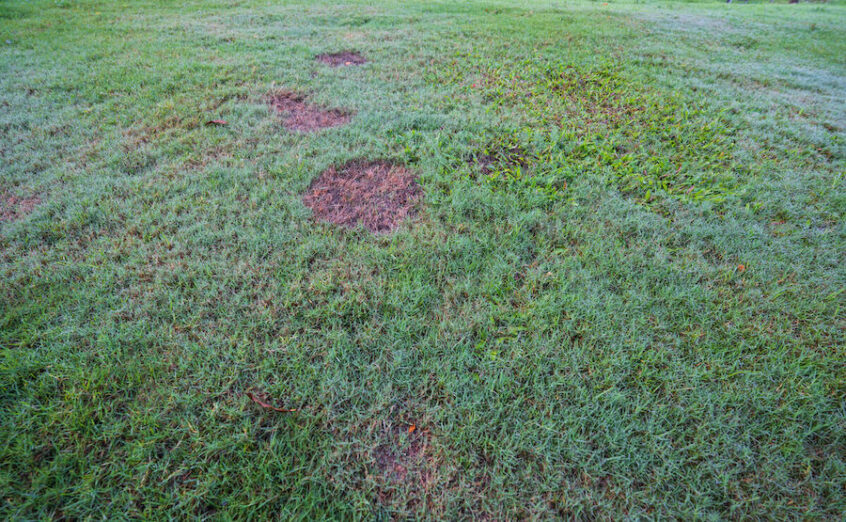
Image Source: legacyturffarms.com
Identifying the Signs of Fungal Invasion
Before you can tackle the problem, you need to know what you’re dealing with. Fungal lawn disease can manifest in various ways, making early detection crucial.
Common Lawn Fungi and Their Symptoms
Several types of fungi can wreak havoc on your grass. Knowing the usual suspects can help you pinpoint the issue faster.
- Dollar Spot: Characterized by small, straw-colored spots about the size of a silver dollar. These spots may have a distinct reddish-brown border.
- Brown Patch: Appears as circular patches of browned grass, often with a darker ring of fungal growth around the edges, especially in the morning dew.
- Red Thread: Causes bleached or straw-colored streaks and patches on the lawn, often with pinkish-red threads visible on the blades.
- Powdery Mildew: Looks like white or grayish powder dusted on the grass blades. It thrives in shady, humid conditions.
- Fairy Rings: These are circles of mushrooms or darker green grass that appear in the lawn. The fungi live in the soil.
- Pythium Blight (Damping-off): This is a rapid and destructive disease that can kill grass in a matter of hours. It often appears as greasy-looking patches that quickly turn brown and wilt.
Visual Clues: What to Look For
Keep a close eye on your lawn for these visual cues:
- Discolored Patches: Spots, rings, or entire areas of grass turning brown, yellow, or bleached.
- Unusual Growth Patterns: Rings of darker green grass or clusters of mushrooms.
- Webbing or Mycelium: White, cottony threads (mycelium) or cobweb-like growth, especially visible in the morning dew.
- Spots or Lesions on Blades: Small, dark or light-colored spots on individual grass blades.
- Wilting: Grass that appears to be wilting even when moisture is present.
The Root Cause: Why Fungi Thrive
Fungal lawn disease doesn’t just appear out of nowhere. Certain environmental conditions create a perfect breeding ground for these microscopic invaders. Understanding these factors is key to prevention and treatment.
Environmental Triggers
- Excess Moisture: Prolonged periods of wetness on the grass blades are a primary culprit. This can be due to overwatering, frequent rainfall, or dew that doesn’t evaporate quickly.
- Poor Air Circulation: Thick, overgrown grass or dense shade can trap moisture and humidity, encouraging fungal growth.
- Dull Mower Blades: Dull blades tear grass, creating ragged wounds that are more susceptible to fungal infection.
- Over-fertilization: Applying too much nitrogen can promote rapid, soft growth that is more vulnerable to disease.
- Thatch Buildup: A thick layer of dead organic matter (thatch) can retain moisture and harbor fungi.
- Compacted Soil: Compacted soil restricts air and water movement, stressing the grass and making it weaker.
- Incorrect Mowing Height: Mowing too short can stress the grass and expose the soil to direct sunlight, which can dry out but also create fluctuating moisture levels that some fungi love.
Your Lawn’s Defense Plan: Effective Lawn Care for Fungus
Once you’ve identified a fungal problem, it’s time to act. Effective lawn care for fungus involves both immediate treatment and long-term prevention strategies.
Step 1: Proper Watering Practices
Watering is essential, but doing it wrong can invite fungus.
- Water Deeply and Infrequently: Encourage deep root growth by watering thoroughly only when the grass needs it.
- Water in the Morning: This allows the grass to dry off before evening, reducing the time moisture sits on the blades. Avoid watering in the evening.
- Avoid Overhead Sprinklers When Possible: If you must use sprinklers, ensure they are efficient and don’t leave water sitting on the grass for extended periods.
Step 2: Mowing Techniques
Your mowing habits play a significant role.
- Keep Mower Blades Sharp: Regularly sharpen your mower blades to ensure clean cuts, not tears.
- Mow at the Correct Height: Most grass types benefit from being mowed at a higher setting. This shades the soil, keeps it cooler, and reduces stress on the grass.
- Don’t Mow Wet Grass: This can spread fungal spores and compact the soil.
- Vary Mowing Patterns: Avoid cutting in the same direction every time, which can contribute to soil compaction.
Step 3: Aeration and Dethatching
Addressing soil issues can significantly improve your lawn’s health.
- Aeration: This process involves removing small plugs of soil, allowing air, water, and nutrients to reach the root zone. It’s particularly beneficial for compacted soils.
- Dethatching: If you have a thatch layer thicker than half an inch, dethatching is crucial. This process removes the matted layer of dead grass, allowing better air and water penetration.
Step 4: Fertilization Wisely
The right fertilizer at the right time can boost lawn health.
- Avoid Over-Fertilizing: Excessive nitrogen can lead to lush, weak growth susceptible to disease.
- Test Your Soil: A soil test will tell you what nutrients your lawn needs, helping you choose the right fertilizer.
- Fertilize in Fall and Spring: These are generally the best times for fertilization, supporting root growth and overall health.
How to Kill Lawn Fungus: Treatment Options
When prevention isn’t enough, you’ll need to actively treat the fungal lawn disease. This is where the search for the best lawn fungus remover comes in.
Understanding Lawn Fungus Treatment
Lawn fungus treatment can involve a combination of cultural practices and chemical applications. The goal is to eliminate the existing fungus and prevent its return.
Chemical Treatments: Choosing the Right Fungicide for Grass
When dealing with a persistent fungal issue, a fungicide for grass is often necessary. There are two main types:
- Contact Fungicides: These chemicals kill fungi on contact and form a protective barrier on the grass blades. They are preventive and must be applied before the disease becomes severe.
- Systemic Fungicides: These are absorbed by the grass and move within the plant’s tissues, offering protection from the inside out. They are effective against existing infections and can provide longer-lasting control.
Table 1: Types of Fungicides
| Fungicide Type | How it Works | Best For | Application Timing |
|---|---|---|---|
| Contact | Kills fungi on contact, forms barrier | Prevention, mild early-stage infections | Applied before disease appears or at first sign |
| Systemic | Absorbed by grass, moves internally | Existing infections, moderate to severe | Applied at first sign of disease or during favorable conditions |
Identifying the Best Lawn Fungus Remover
The “best” lawn fungus remover depends on the specific fungal disease and the severity of the outbreak. Some common active ingredients in effective fungicides include:
- Mancozeb: A broad-spectrum contact fungicide effective against many common lawn fungi.
- Chlorothalonil: Another broad-spectrum contact fungicide, good for preventing and controlling various diseases.
- Tebuconazole: A systemic fungicide often used for brown patch and other soil-borne diseases.
- Myclobutanil: A systemic fungicide effective against powdery mildew and other leaf spot diseases.
Important Note: Always read and follow the label instructions on any fungicide product carefully. Apply them at the recommended rates and at the appropriate time of day and year.
Natural and Organic Approaches to Removing Mold from Lawn
For those who prefer a more natural approach to removing mold from lawn and treating fungal diseases, several options exist:
- Baking Soda Solution: A mixture of baking soda and water can be sprayed on affected areas. Test on a small patch first, as it can sometimes affect grass color.
- Milk: A diluted solution of milk (1 part milk to 9 parts water) has shown some effectiveness against powdery mildew due to its antifungal properties.
- Compost Tea: Applying compost tea can introduce beneficial microbes that compete with and suppress fungal pathogens.
- Beneficial Fungi: Products containing beneficial fungi, like Trichoderma, can help outcompete disease-causing fungi.
Repairing Patchy Lawn Fungus: Bringing Your Lawn Back to Life
Once you’ve managed the fungal outbreak, the next step is repairing the damage and restoring your lawn’s appearance. This involves addressing the patchy areas and encouraging new, healthy growth.
Step 1: Clear Debris
Remove any dead grass, thatch, or debris from the affected areas. This allows for better air circulation and prepares the soil for reseeding.
Step 2: Loosen the Soil
Lightly loosen the soil in the bare patches with a rake or a garden fork. This helps with drainage and makes it easier for new grass seed to germinate.
Step 3: Reseed Appropriately
- Choose the Right Seed: Select a grass seed variety that is compatible with your existing lawn and suited to your climate. Consider disease-resistant varieties.
- Apply Seed: Spread the grass seed evenly over the prepared bare spots.
- Apply a Starter Fertilizer: A starter fertilizer provides essential nutrients for new grass growth.
- Rake and Lightly Cover: Gently rake the seed into the soil and cover it with a thin layer of topsoil or compost.
Step 4: Watering for New Growth
Newly seeded areas require consistent moisture.
- Keep Seed Moist: Water lightly but frequently to keep the seedbed moist.
- Gradually Reduce Watering: As the new grass establishes, gradually increase the time between waterings but water more deeply.
Step 5: Patience and Ongoing Care
Repairing a patchy lawn fungus takes time. Be patient and continue with good lawn care practices. Avoid heavy foot traffic on newly seeded areas until the grass is well-established.
Preventing Future Fungal Outbreaks
The best approach to fungal lawn disease is to prevent it from happening in the first place. By implementing consistent, good lawn care practices, you can create a robust lawn that resists fungal invaders.
Long-Term Lawn Health Strategies
- Improve Drainage: If your lawn consistently stays wet, consider improving drainage with French drains or by amending the soil with organic matter.
- Reduce Shade: Trim overhanging branches from trees to allow more sunlight and air circulation.
- Water Wisely: Reiterate the importance of morning watering and avoiding overwatering.
- Regular Mower Maintenance: Keep mower blades sharp and clean.
- Proper Fertilization Schedule: Follow a balanced fertilization program based on soil test results.
- Overseeding: Regularly overseeding can help thicken your lawn, making it more resistant to disease and weeds.
- Choose Disease-Resistant Grass Varieties: When establishing a new lawn or overseeding, select grass types known for their resistance to common fungal diseases in your region.
Monitoring and Early Intervention
Stay vigilant. Regularly inspect your lawn for any early signs of trouble. Catching a fungal issue in its initial stages makes it much easier to manage and treat effectively.
Frequently Asked Questions (FAQ)
Q1: How quickly can fungal lawn disease spread?
A1: Fungal lawn disease can spread very rapidly, especially in favorable conditions like high humidity and prolonged moisture on grass blades. Some diseases, like Pythium blight, can kill grass in a matter of hours.
Q2: Is it safe to walk on a lawn with fungal disease?
A2: It’s generally best to avoid walking on areas actively showing signs of fungal disease. This can help prevent spreading the spores to other parts of your lawn or even to other areas of your property. If you must walk on it, clean your shoes afterward.
Q3: Can I use household products to treat lawn fungus?
A3: Some household products, like diluted milk or baking soda solutions, have shown some anecdotal success for specific fungal issues (like powdery mildew). However, their effectiveness can vary, and they can sometimes harm the grass. It’s generally safer and more reliable to use products specifically designed for lawn fungus treatment.
Q4: How often should I apply fungicide?
A4: The frequency of fungicide application depends on the type of fungicide used, the specific fungal disease, and the environmental conditions. Always follow the product label instructions. Contact fungicides may require more frequent application than systemic ones. Prevention might involve scheduled applications during periods of high risk, while treatment is usually applied at the first sign of disease and potentially repeated according to label directions.
Q5: When is the best time of year to treat lawn fungus?
A5: The best time to treat lawn fungus is often during the periods when the specific diseases are most active. This typically includes the spring and fall, when temperatures are moderate and humidity is higher. However, some fungi can thrive in summer heat, especially with improper watering. Proactive treatment based on historical patterns and current weather can be very effective.
By following these steps and maintaining consistent lawn care for fungus, you can effectively revive your lawn from the grip of fungal lawn disease and enjoy a healthy, vibrant landscape once more. Remember, a healthy lawn is your best defense against future fungal invasions.