
The number of amps in a lawn mower battery isn’t a single, fixed number; it varies widely based on the mower’s type, size, and power requirements. Generally, you’ll find batteries for smaller electric push mowers rated around 2Ah to 5Ah, while larger riding mowers or high-performance battery-powered mowers might use batteries ranging from 5Ah to even 10Ah or more, often specified as lawn mower battery Ah or amp-hours. Knowing your specific mower’s needs is key.
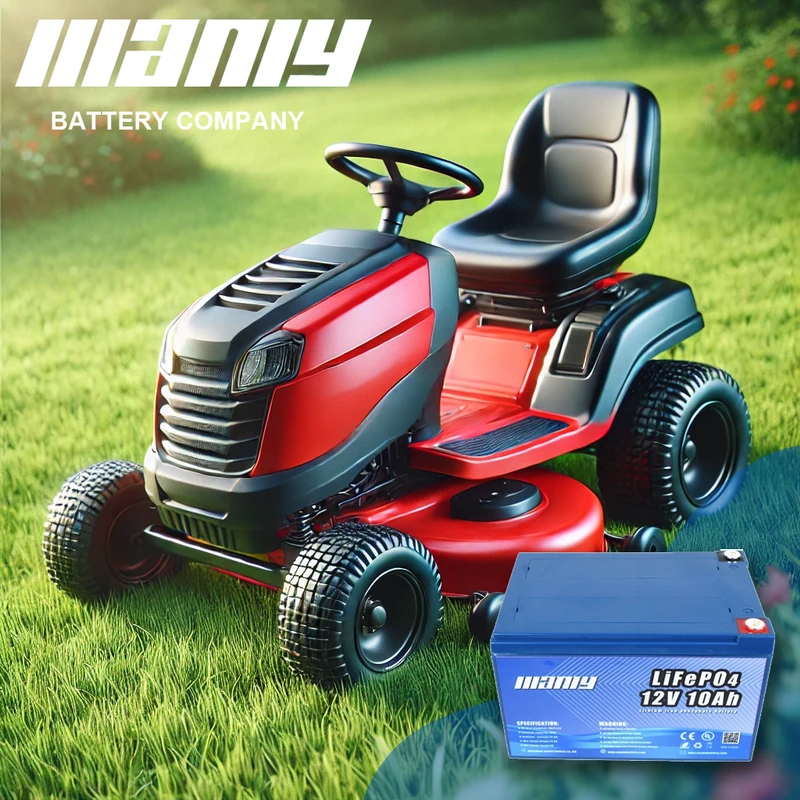
Image Source: manlybattery.com
Deciphering Lawn Mower Battery Specifications
When you look at a lawn mower battery, you’ll see a few key numbers. These numbers tell you a lot about its performance. We’re going to break down what these mean, especially focusing on the “amps” part of the equation.
The Meaning of Amps and Amp-Hours (Ah)
In the world of batteries, “amps” is short for amperes, which is a unit of electric current. It tells you how much electricity is flowing. For lawn mower batteries, you’ll most often see “Ah,” which stands for amp-hours.
- Amp-Hours (Ah): This is a measure of the battery’s capacity. It tells you how much current the battery can deliver over time. A battery with a higher Ah rating can power your mower for longer. For example, a 5Ah battery can theoretically deliver 5 amps for one hour, or 1 amp for five hours, or 2.5 amps for two hours. This is a crucial figure for determining runtime.
Beyond Amps: Other Key Battery Metrics
While lawn mower battery Ah is vital, other specifications also impact your mower’s performance:
Lawn Mower Battery Voltage
Lawn mower battery voltage is like the “pressure” pushing the electricity. Most electric mowers use batteries that are either 12V or 24V, and some high-power models might even use 40V or 80V.
- Higher Voltage (V): Generally, a higher voltage means more power. This is important for mowers that need to cut through thicker grass or handle larger yards.
- Compatibility: It’s essential that the battery’s voltage matches your mower’s requirements. Using a battery with the wrong voltage can damage your mower.
Lawn Mower Battery CCA
Lawn mower battery CCA stands for Cold Cranking Amps. This is a rating primarily for starting batteries, especially in gas-powered mowers or older electric models with starter motors. It indicates how much current the battery can deliver for a short burst at freezing temperatures.
- Starting Power: CCA is about the “oomph” needed to turn over an engine or a powerful motor. For battery-powered mowers without a traditional starter, CCA is less relevant than Ah.
- Gas Mowers: If you have a gas mower with an electric start, you’ll want to check the CCA rating to ensure it can start the engine reliably, especially in cooler weather.
Lawn Mower Battery Capacity
Lawn mower battery capacity is largely determined by the Ah rating. It’s the total amount of energy the battery can store and deliver. A larger capacity means longer mowing times between charges.
- Runtime: Think of capacity as the “fuel tank” of your electric mower. More capacity means you can mow more lawn before needing to recharge.
- Factors Affecting Capacity: Real-world capacity can be affected by factors like temperature, discharge rate, and the age of the battery.
Types of Mower Batteries
The mower battery type is a critical factor in how many amps and what kind of performance you can expect.
Lead-Acid Batteries
These are the traditional batteries, often found in older or less expensive mowers. They are heavier and generally have a shorter lifespan than newer battery technologies.
- Types: You might find flooded lead-acid (requiring water top-ups) or sealed lead-acid (SLA) batteries.
- Performance: They typically have lower Ah ratings compared to their size and weight. Their lawn mower battery voltage is usually 12V.
- Maintenance: Flooded types require regular maintenance.
Lithium-Ion (Li-ion) Batteries
These are the modern standard for most new electric lawn mowers. They are lighter, more powerful, and have a longer lifespan.
- Types: Various lithium chemistries exist (e.g., LiFePO4, NMC), each with different characteristics.
- Performance: Li-ion batteries offer excellent lawn mower battery capacity and can provide consistent power. They are also lighter, making the mower easier to handle.
- Voltage: You’ll see a wide range of lawn mower battery voltage for Li-ion, from 18V to 80V, powering everything from small push mowers to powerful ride-ons.
- Charging: Mower battery charge times are generally faster than with lead-acid.
Nickel-Cadmium (NiCd) and Nickel-Metal Hydride (NiMH) Batteries
These older rechargeable battery types are less common in newer mowers but might be found in older models. They are heavier and have a lower energy density than lithium-ion.
- Memory Effect: NiCd batteries are known for the “memory effect,” where capacity can be reduced if repeatedly recharged before fully discharged.
- Performance: Generally inferior to Li-ion in terms of power output and runtime.
How Amps Translate to Mower Performance
So, how does that lawn mower battery Ah rating actually affect your mowing experience? It’s all about power and duration.
Push Mower Battery Amps
For a push mower battery amps rating, you’re generally looking at batteries designed for less demanding tasks.
- Typical Range: Smaller electric push mowers often use 18V or 20V batteries with capacities ranging from 2Ah to 5Ah.
- Runtime: A 2Ah battery might give you around 20-30 minutes of cutting on average grass, while a 4Ah or 5Ah battery could extend that to 40-60 minutes.
- Power: The voltage is more indicative of the sheer “cutting power” needed to spin the blade effectively.
Riding Mower Battery Amps
Riding mower battery amps are significantly higher because these machines have more powerful motors, larger cutting decks, and often auxiliary systems like headlights and drive motors.
- Lead-Acid: Traditional riding mowers with gas engines and electric starters often use 12V lead-acid batteries. The CCA rating is very important here for starting the engine. The Ah rating might be around 15Ah to 35Ah.
- Electric Riding Mowers: Newer, all-electric riding mowers use robust lithium-ion battery packs. These can have very high voltages (e.g., 48V, 60V, 80V) and capacities that can be expressed in Ah or Watt-hours (Wh). A large electric rider might have a battery capacity equivalent to 50Ah or more at its operating voltage. These are essentially high-capacity, high-voltage power sources designed for extended use.
Battery Powered Mower Amps: A Closer Look
When we talk about battery powered mower amps, it’s essential to distinguish between the instantaneous current draw (amps) and the capacity over time (amp-hours).
- Peak Amps: During heavy cutting, the mower’s motor will draw a higher amount of current (amps) for short periods. This is not typically listed as a battery specification but is a characteristic of the mower’s motor and load.
- Sustained Amps: The Ah rating indicates the battery’s ability to sustain a certain current draw. If a mower’s motor consistently draws 10 amps, a 5Ah battery would theoretically last for 30 minutes (5 Ah / 10 A = 0.5 hours).
- Voltage and Amps Work Together: Remember that Power (Watts) = Voltage (Volts) × Amps. A higher voltage system can achieve the same power output with lower amperage, or more power at the same amperage.
Maximizing Your Mower Battery’s Lifespan and Performance
Getting the most out of your lawn mower battery capacity involves proper care and usage.
Proper Charging Practices
The way you handle mower battery charge cycles significantly impacts longevity.
- Follow Manufacturer Instructions: Always use the charger recommended by your mower’s manufacturer. Using the wrong charger can damage the battery or be a fire hazard.
- Avoid Overcharging: Most modern chargers have automatic shut-off features to prevent overcharging, but it’s good practice to disconnect the battery once it’s fully charged.
- Avoid Deep Discharges: For lithium-ion batteries, try to avoid completely draining the battery. Recharging it when it’s partially depleted is generally better for its long-term health.
- Storage: If storing the mower for an extended period, charge the battery to about 50-60% and store it in a cool, dry place.
Environmental Factors
Temperature plays a big role in battery performance and lifespan.
- Heat: Extreme heat can degrade battery components and reduce capacity. Avoid leaving batteries in direct sunlight or hot garages for extended periods.
- Cold: While batteries perform less efficiently in the cold (you might notice shorter runtimes), extreme cold can also cause permanent damage. Bring batteries indoors to a moderate temperature before charging or using them if they’ve been stored in freezing conditions.
Maintenance for Different Battery Types
While lithium-ion batteries are virtually maintenance-free, lead-acid batteries require a bit more attention.
Lead-Acid Battery Maintenance
- Water Levels (Flooded Types): Check the electrolyte levels regularly and top up with distilled water as needed, ensuring the plates are covered.
- Terminal Cleaning: Keep battery terminals clean and free from corrosion. A wire brush can be used to clean them. Apply a dielectric grease to prevent future corrosion.
- Charging: Use a smart charger that can maintain the battery’s charge over time.
Lithium-Ion Battery Care
- Keep Clean: Wipe down the battery terminals occasionally to ensure good contact.
- Protect from Damage: Avoid dropping or physically damaging the battery pack.
- Software Updates: Some advanced battery systems may have firmware or software that can be updated by the manufacturer, which might improve performance or charging.
Choosing the Right Battery for Your Mower
When it’s time to replace your lawn mower battery or upgrade, several factors come into play.
Matching Voltage and Amperage
- Voltage is Non-Negotiable: The lawn mower battery voltage MUST match your mower’s requirements. Mismatched voltage will either not work or damage your mower.
- Amperage for Runtime: A higher lawn mower battery Ah rating will give you longer runtimes, but it might also mean a larger, heavier, and more expensive battery. Consider the size of your yard and how long you typically mow.
- Battery Chemistry: For most modern mowers, a lithium-ion battery is the preferred choice due to its lighter weight, longer life, and consistent power delivery.
Physical Size and Fit
- Dimensions: Batteries come in various shapes and sizes. Ensure the replacement battery will physically fit into the battery compartment of your mower.
- Terminal Type: Check the type of terminals (e.g., spade, post, ring) to ensure it connects correctly to your mower’s wiring.
Battery Replacement Considerations
- Original Equipment Manufacturer (OEM): OEM batteries are designed specifically for your mower model. They are usually the safest bet but can be more expensive.
- Aftermarket Batteries: Many reputable aftermarket brands offer compatible batteries. Check reviews and ensure they meet the voltage and Ah specifications, and ideally offer a good warranty.
- Upgrade Potential: You might be able to use a higher Ah battery than your original if it fits physically and doesn’t overload the charging system or wiring. This will provide extended runtime.
Frequently Asked Questions (FAQ)
Here are answers to some common questions about lawn mower batteries and their amperage.
Q1: Can I use a battery with a higher Ah rating than my current one?
Yes, in most cases, you can use a battery with a higher lawn mower battery Ah rating. This will generally give you longer runtimes. However, ensure the voltage is correct and that the physical size and terminal type are compatible. A higher Ah battery is essentially a larger “fuel tank” and won’t harm your mower if the voltage matches.
Q2: Does “amps” on a battery mean the same thing as “amp-hours”?
No, they are different. “Amps” (amperes) measure the rate of electrical current flow at a specific moment. “Amp-hours” (Ah) measure the battery’s capacity, indicating how much current it can deliver over a period of time. For lawn mower batteries, lawn mower battery Ah is the more important metric for determining runtime.
Q3: What does CCA mean for my electric lawn mower battery?
Lawn mower battery CCA (Cold Cranking Amps) is primarily relevant for starting lead-acid batteries, especially in gas-powered mowers. For most modern battery-powered mowers, especially those using lithium-ion batteries without a traditional starter motor, CCA is not a significant specification.
Q4: How often should I charge my electric mower battery?
For lithium-ion batteries, it’s generally best to recharge them when the charge gets low, rather than waiting for them to completely discharge. Following the manufacturer’s recommendation for mower battery charge cycles is always the best approach. Avoid leaving them uncharged for very long periods.
Q5: How do I know if my mower battery needs replacing?
Signs your mower battery might need replacing include significantly reduced runtime, failure to hold a charge, slow motor performance even when fully charged, or visible damage to the battery casing. If the lawn mower battery capacity seems to have dropped dramatically, it’s likely time for a new one.
Q6: What is the typical voltage for a riding mower battery?
Traditional riding mowers with gas engines and electric start typically use 12V batteries. Newer, all-electric riding mowers often use higher voltages, such as 48V, 60V, or even 80V, which are supplied by advanced lithium-ion battery packs. The lawn mower battery voltage is critical for powering the mower’s systems.
Q7: How do I check the mower battery charge level?
Many electric mowers have an indicator on the mower itself or on the battery pack that shows the current charge level. This is often displayed as a series of LED lights. Some higher-end models may also show this information on a digital display or via a smartphone app.
Q8: Are all battery powered mower amps ratings the same?
No, battery powered mower amps (referring to the motor’s draw) and battery capacities (lawn mower battery Ah) vary greatly. Smaller mowers draw less power and have smaller batteries, while larger, more powerful mowers require higher voltage and capacity batteries to deliver the necessary amps for their motors.
By familiarizing yourself with these specifications, you can make informed decisions about maintaining and replacing your lawn mower battery, ensuring you get the best performance and longest life out of your equipment.