
You should typically mulch your lawn every 1-3 years, depending on the type of mulch used and how quickly it breaks down. This guide will help you figure out the mulch application frequency for your specific needs.
Mulching your lawn is more than just an aesthetic choice; it’s a vital practice that contributes significantly to a healthy, vibrant, and resilient lawn. It acts as a protective blanket, shielding your soil from harsh weather, retaining moisture, suppressing weeds, and enriching the soil as it decomposes. But the question that often arises for homeowners is: how often should I mulch my lawn? The answer isn’t a one-size-fits-all declaration. It hinges on a variety of factors, from the type of mulch you select to the specific conditions of your lawn and climate. This comprehensive guide will delve into the nuances of optimal mulching schedule and help you determine the perfect lawn mulching intervals to keep your green space thriving.
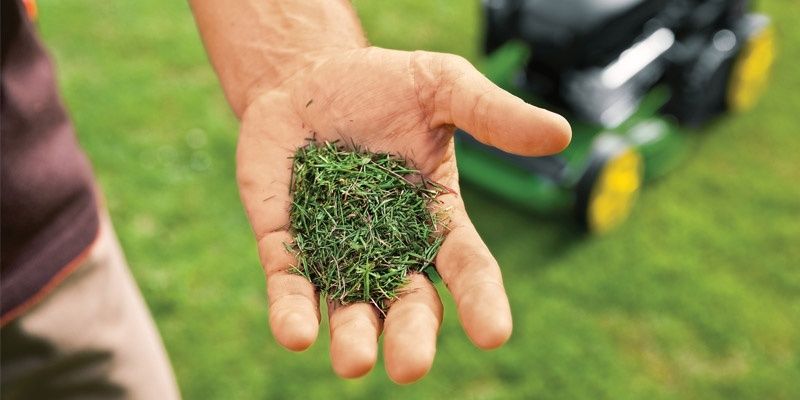
Image Source: cdn.sanity.io
Deciphering Mulch Breakdown Rate
The core of determining how often to reapply mulch lies in understanding the mulch breakdown rate. Different mulching materials have vastly different lifespans. Some mulches decompose quickly, offering nutrients back to the soil but requiring more frequent replenishment. Others are more durable, providing aesthetic appeal and protection for longer periods.
-
Organic Mulches: These are derived from natural materials and are fantastic for soil health.
- Wood Chips and Bark Mulch: These are generally the most durable of the organic mulches. Depending on the size of the chips and the wood type, they can last anywhere from 2 to 5 years before needing a significant top-up. Thicker chips and hardwood barks tend to break down more slowly.
- Shredded Bark: Similar to wood chips, but with a finer texture, shredded bark typically lasts 1-3 years. It offers a neat appearance but decomposes at a moderate pace.
- Pine Needles (Pine Straw): A popular choice in certain regions, pine needles are lightweight and decompose relatively slowly, often lasting 1-2 years before a refresh is needed. They also tend to be slightly acidic, which can benefit certain plants.
- Compost: While excellent for soil amendment, compost is a faster-decomposing organic material. It might need replenishing annually if used as a primary mulch, or it can be incorporated into the soil more regularly.
- Grass Clippings: If you practice grasscycling (leaving clippings on the lawn), they act as a very light mulch. They decompose rapidly, often within days, providing a constant, albeit thin, layer of nutrients.
-
Inorganic Mulches: These materials don’t decompose and are primarily used for aesthetic or weed-suppression purposes.
- Gravel and Stones: These are virtually permanent solutions. They may shift over time or require occasional cleaning, but they don’t break down.
- Rubber Mulch: Made from recycled tires, rubber mulch is very durable and can last for many years, typically 5-10 years or more. However, it doesn’t contribute to soil health and can sometimes leach chemicals.
Factors Affecting Mulching Frequency
Beyond the inherent breakdown rate of the mulch itself, several other factors affecting mulching frequency come into play, influencing how often you’ll need to perform mulch replenishment frequency.
Climate and Weather Patterns
- Heavy Rainfall: Frequent and intense rain can wash away lighter mulches, particularly in areas with slopes. It can also accelerate the decomposition of organic mulches due to increased moisture.
- Wind: Strong winds can blow away lightweight mulches like pine straw or fine wood chips, necessitating more frequent additions.
- Temperature Extremes: Very hot temperatures can dry out the top layer of mulch, making it more susceptible to blowing away. Extreme cold can also affect the integrity of some mulches over time.
- Sun Exposure: Areas that receive direct, intense sunlight all day will generally cause organic mulches to dry out and break down faster than shaded areas.
Soil Type and Conditions
- Soil Composition: Soils with a high clay content tend to retain moisture better, which can slow down the decomposition of organic mulches. Sandy soils drain quickly and may cause organic mulches to dry out and break down faster.
- Soil Biology: A healthy soil ecosystem teeming with microorganisms will naturally break down organic mulches more quickly. This is a good thing for soil fertility, but it means you’ll need to replenish the mulch more often.
- Slope and Drainage: On steep slopes, mulches can be easily eroded by water runoff. In areas with poor drainage, excessive moisture can lead to premature decomposition or even fungal growth within the mulch layer.
Lawn Usage and Maintenance Practices
- Foot Traffic: High-traffic areas, such as pathways or play zones, can compact mulch and cause it to break down or disperse more quickly.
- Edging and Trimming: When you edge your lawn or trim around trees and garden beds, you might inadvertently disturb or remove some of the mulch, requiring touch-ups.
- Weed Control Methods: If you frequently use a string trimmer or weed whacker around trees and shrubs, you might damage the bark or expose the soil, necessitating mulch replenishment to maintain coverage.
Desired Aesthetic and Weed Suppression Goals
- Visual Appeal: For homeowners who prioritize a consistently neat and tidy appearance, a fresh layer of mulch might be applied more frequently, even if the previous layer is still providing benefits.
- Weed Suppression: Mulch is a highly effective natural weed suppressant. If your primary goal is to keep weeds at bay, you’ll want to ensure a consistent depth of mulch, which means replenishing it before it becomes too thin.
Determining Your Optimal Mulching Schedule
Now that we’ve explored the various factors affecting mulching frequency, let’s synthesize this information into actionable advice for establishing your optimal mulching schedule. The key is to observe your lawn and the mulch itself.
The “When to Add More Mulch” Checklist
Here are some visual and tactile cues to help you decide when to add more mulch:
- Thickness Check: The general recommendation is to maintain a mulch layer of 2-4 inches deep. If the layer has thinned significantly, exposing the soil in many areas, it’s time for a top-up.
- Color Fading: Organic mulches, especially wood chips and bark, tend to fade in color as they break down. A dull, faded appearance is a good indicator that the mulch is aging.
- Weed Breakthrough: If you start seeing a significant increase in weeds pushing through the mulch layer, it suggests the mulch is no longer providing adequate suppression.
- Soil Exposure: Check around trees, shrubs, and in garden beds. If you can see large patches of bare soil, the mulch layer is too thin.
- Decomposition: If the mulch has broken down to the point where it’s almost indistinguishable from the soil, it’s time to add fresh material.
Seasonal Mulching Tips
Knowing when to add more mulch is also about timing. Certain seasons are more opportune for mulching than others, offering benefits for your lawn and making the task easier.
Spring Mulching
- Benefits: Spring is an excellent time to mulch. It helps retain soil moisture during the warmer months, suppresses early-season weeds, and gives your landscape a refreshed look after winter. It also warms the soil slightly, which can benefit plant growth.
- Considerations: Wait until the soil has begun to warm up and the threat of frost has passed. Applying mulch too early can keep the soil colder for longer, potentially hindering spring growth. Aim for late spring, after the last frost.
Summer Mulching
- Benefits: While not the primary mulching season, a summer top-up might be needed in hot, dry climates to help conserve moisture and protect plant roots from extreme heat.
- Considerations: If mulching in summer, ensure the mulch is kept away from the crowns of plants to prevent moisture buildup and potential rot. Water thoroughly after applying if the soil is very dry.
Fall Mulching
- Benefits: Fall mulching is highly beneficial. It insulates plant roots from winter cold, preventing freeze-thaw cycles that can damage them. It also helps retain moisture through the dormant season and suppresses winter weeds. When the mulch breaks down over winter, it enriches the soil for spring.
- Considerations: Apply mulch after the ground has started to cool but before it freezes solid. Avoid piling mulch directly against tree trunks, as this can provide habitat for rodents and encourage rot.
Winter Mulching
- Benefits: While not a primary application time, if your mulch layer has significantly thinned, a light application in early winter can provide additional insulation.
- Considerations: Be very careful not to bury plants. Focus on areas where the mulch has clearly worn away.
How Often to Reapply Mulch: A General Guide by Mulch Type
To provide a clearer picture, here’s a guide on how often to reapply mulch based on common types. Remember these are averages, and your specific situation might require adjustments.
| Mulch Type | Typical Lifespan (Years) | Recommended Reapplication Frequency (Years) | Notes |
|---|---|---|---|
| Wood Chips/Bark | 2-5 | 1-3 | Thicker chips and hardwoods last longer. Check depth and color. |
| Shredded Bark | 1-3 | 1-2 | Decomposes faster than larger chips. |
| Pine Needles | 1-2 | 1-2 | May become matted; break up if needed. |
| Compost | 0.5-1 | 0.5-1 | Excellent soil amendment; apply annually or as a top dressing. |
| Grass Clippings | Days-Weeks | Ongoing (Grasscycling) | Very fast decomposition; contributes nutrients. Avoid thick layers. |
| Gravel/Stones | Permanent | Rarely | May need occasional cleaning or leveling. |
| Rubber Mulch | 5-10+ | 5-10+ | Does not decompose or add nutrients. Can heat up in direct sun. |
Practical Steps for Mulching
Applying mulch correctly ensures you get the most benefit and longevity from your efforts.
Preparing the Area
- Weed the Area: Before applying new mulch, remove any existing weeds. This prevents them from growing up through the new layer.
- Clear Debris: Rake away any fallen leaves, twigs, or other debris that might be on top of the old mulch.
- Loosen Compacted Mulch: If the existing mulch is compacted, gently loosen it with a rake. This improves air and water penetration.
- Check Existing Mulch: If the old mulch is still in good condition but has thinned, you can simply add a new layer on top. If it’s heavily decomposed or has become matted, you might consider removing some of it before adding new mulch.
Application Best Practices
- Maintain Proper Depth: Apply mulch in a layer 2-4 inches deep. Too thin, and it won’t be effective; too thick, and it can suffocate plant roots, retain too much moisture, and promote fungal growth.
- Keep Away from Trunks and Stems: For trees and shrubs, leave a small gap (a few inches) between the mulch and the trunk or main stems. This “mulch-free zone” prevents moisture buildup against the bark, which can lead to rot and disease, and deters pests that might live in the mulch.
- Even Distribution: Spread the mulch evenly over the soil surface, creating a consistent layer.
When to Add More Mulch: Common Scenarios
Let’s consider some specific scenarios to help you gauge the right time for mulch replenishment frequency.
-
Scenario 1: You used hardwood bark mulch 2 years ago. The bark still has some color, but it’s faded. You notice a few more weeds than last year, and the mulch layer is about 1.5 inches deep in most areas.
- Action: It’s likely time for a top-up. The mulch is breaking down, and its weed-suppressing and moisture-retaining capabilities are diminishing. Add a fresh 1-2 inch layer.
-
Scenario 2: You used pine straw last fall. It’s now early spring. The pine straw still looks good, but you noticed some areas where it’s thinner due to wind and rain.
- Action: You can do a light replenishment in the thinner areas. If the overall layer is still adequate (around 2 inches), a full reapplication might not be necessary until next fall.
-
Scenario 3: You have compost as mulch around your vegetable garden. You applied it 6 months ago, and it’s now almost fully integrated into the soil. You see some weeds emerging.
- Action: Compost breaks down very quickly. It’s time to add another layer of compost or a different type of mulch to continue protecting the soil and suppressing weeds.
-
Scenario 4: You used gravel around your perennial beds 5 years ago. The gravel is still in place, but it has collected a lot of dirt and debris, and some weeds are growing through it.
- Action: The gravel itself hasn’t broken down, but its aesthetic appeal and weed-suppressing function are reduced. You might need to rake out weeds, wash the gravel, or replace some of it. This isn’t a matter of reapplication frequency for the gravel itself, but rather maintenance.
Frequently Asked Questions About Mulching Frequency
Here are some common questions people have about how often to mulch.
-
Q1: Can I mulch over old mulch?
- A: Yes, you can usually mulch over old mulch, provided the old layer is not excessively thick (more than 4 inches total) or rotten. If the old mulch is breaking down nicely, adding a fresh layer on top is generally fine and even beneficial.
-
Q2: What happens if I don’t mulch often enough?
- A: If you don’t mulch often enough, your lawn and garden beds will experience reduced moisture retention, increased weed growth, soil erosion, and less protection from temperature fluctuations. Soil health can also decline over time without the slow release of nutrients from decomposing organic mulches.
-
Q3: What happens if I mulch too often?
- A: Mulching too often, or applying too thick a layer, can be detrimental. It can suffocate plant roots by restricting air and water flow. It can also create an overly moist environment, promoting fungal diseases and root rot. For trees, piling mulch against the trunk can cause rot and attract pests.
-
Q4: Is there a best time to mulch lawn edges or garden beds?
- A: The best time to mulch lawn edges and garden beds generally aligns with the seasonal tips discussed earlier – spring and fall are ideal. Spring mulching prepares your landscape for the growing season, while fall mulching provides crucial winter protection.
-
Q5: How much mulch do I need?
- A: To calculate how much mulch you need, measure the area you want to cover (length x width in feet) and the desired depth (in feet, e.g., 3 inches = 0.25 feet). Multiply these numbers to get cubic feet. Most bagged mulch is sold in cubic feet. For example, a 10ft x 10ft bed (100 sq ft) with a 3-inch (0.25 ft) layer would require 100 x 0.25 = 25 cubic feet of mulch.
By regularly observing your mulch, considering the material, and factoring in your local climate and lawn care practices, you can confidently establish a routine that ensures your lawn remains healthy, beautiful, and resilient year after year. Remember, a well-mulched lawn is a happy lawn!