
A lawn mower battery’s amperage varies greatly depending on the type and power of the mower. For push mowers, you might see batteries rated around 3 to 5 Amp-hours (Ah), while larger riding mowers can have batteries rated from 15 Ah to over 50 Ah. This rating tells you how much electrical current the battery can supply over time.
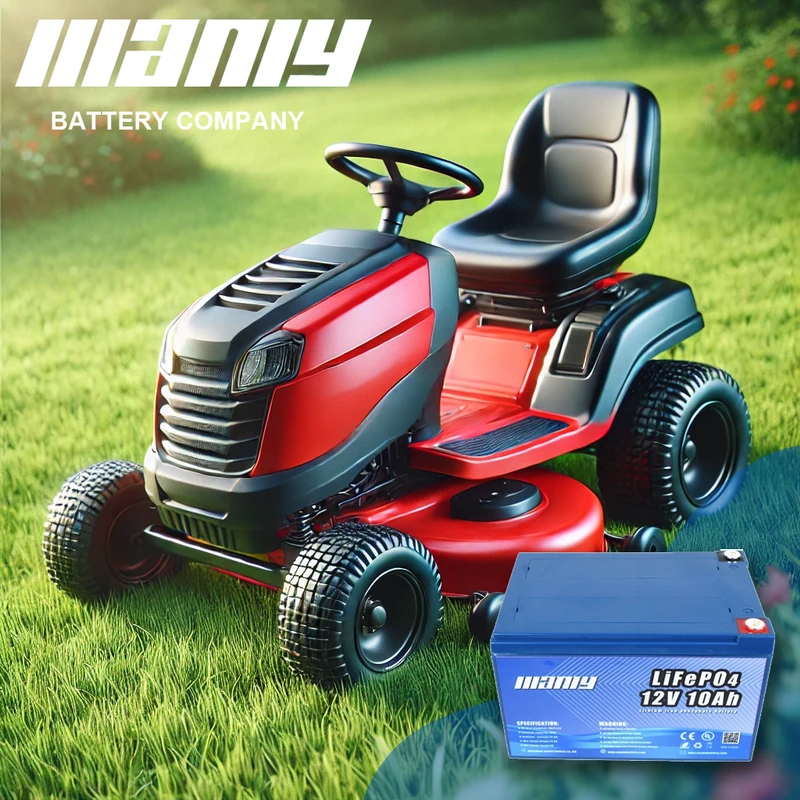
Image Source: manlybattery.com
Deciphering Lawn Mower Battery Amps
When you look at a lawn mower battery, you’ll see several numbers and letters that tell you about its capabilities. The most important one related to “amps” is usually the Amp-hour (Ah) rating. This isn’t directly the “amps” the battery delivers at any given moment, but rather its capacity – how much energy it can store and deliver over a period.
Think of it like a gas tank for your car. The size of the tank (in gallons) doesn’t tell you how fast the car is going, but it tells you how far you can go before needing to refuel. Amp-hours work similarly for your lawn mower battery.
What is Amp-Hour (Ah)?
Amp-hour (Ah) is a measure of electrical charge. It tells you how many amps a battery can deliver for one hour.
- Example: A battery with a 50 Ah rating can theoretically deliver 50 amps for one hour, or 25 amps for two hours, or 10 amps for five hours.
It’s crucial to remember that this is a theoretical maximum. In real-world use, factors like discharge rate, temperature, and battery health will affect the actual capacity.
Beyond Amps: Other Important Battery Metrics
While Ah is key, other metrics are essential for choosing and maintaining your lawn mower battery:
Lawn Mower Battery Voltage
Lawn mower battery voltage is like the “pressure” behind the electricity. Common voltages for lawn mowers include 12V, 24V, 36V, 48V, and even higher for some electric models. A higher voltage generally means more power and efficiency.
- Push mowers: Often use 18V or 36V systems.
- Riding mowers: Typically use 12V systems, similar to car batteries.
The voltage of your mower’s system dictates the type of battery you need. You cannot use a 36V battery in a mower designed for 12V.
Lawn Mower Battery Capacity (Ah Explained Further)
As discussed, lawn mower battery capacity is measured in Amp-hours (Ah). This is the most direct indicator of how long your mower will run on a single charge.
- Higher Ah = Longer Run Time: A battery with a higher Ah rating will power your mower for a longer period than a battery with a lower Ah rating, assuming all other factors are equal.
Cold Cranking Amps (CCA) – Primarily for Starting Batteries
For starting batteries, especially those in riding mowers (which often use lead-acid batteries), you’ll see Cold Cranking Amps (CCA). This rating indicates how much current a battery can deliver for 30 seconds at 0°F (-18°C) while maintaining a voltage of at least 7.2 volts.
- CCA is crucial for starting: A higher CCA rating means the battery is better equipped to start the engine in cold weather.
Battery Powered Lawn Mower Amps vs. Gas Mower Batteries
It’s important to differentiate between the “amps” of electric mower batteries and the role of batteries in gas mowers.
- Electric Lawn Mower Battery: These are the primary power source. Their Ah rating directly determines run time. The mower’s motor draws a certain amount of amperage from the battery to operate. The battery’s capacity (Ah) dictates how long it can sustain that draw.
- Gas Mower Batteries: In gasoline-powered mowers, the battery is typically only used to start the engine (via the starter motor). Once the engine is running, it’s powered by the gas and the alternator/charging system. These batteries are usually 12V lead-acid and are rated in CCA for starting power, not for sustained run time.
Push Mower Battery Amps
For push mower battery amps, you’re generally looking at the Ah rating of the rechargeable lawn mower battery. Cordless electric push mowers are becoming increasingly popular.
- Typical Range: You’ll commonly find batteries for electric push mowers ranging from 2.0 Ah to 5.0 Ah, and sometimes higher for premium models or those designed for larger yards.
- Voltage: These are often 18V, 36V, or 40V batteries. The higher the voltage and Ah, the more powerful and longer-lasting the mower will be.
Riding Lawn Mower Battery Amps
Riding lawn mower battery amps are usually expressed as CCA for starting power, as mentioned earlier. However, if you’re looking at the battery’s capacity for powering accessories or for a very long start, you might see Ah ratings, though this is less common than CCA for the primary starting function.
- Starting Power is Key: The main job of a riding mower battery is to spin the starter motor to get the gasoline engine going. This requires a burst of high current, which CCA measures.
- Voltage: Almost all riding mowers use a 12V battery.
- Capacity for Accessories: Some riding mowers have lights, cup holders with charging ports, or other electrical accessories. The battery’s Ah rating would be more relevant to how long these accessories can run without the engine being on.
Types of Lawn Mower Batteries and Their Amperage Implications
The type of battery is a significant factor in its capacity and how it delivers power.
Rechargeable Lawn Mower Battery
This is a broad term encompassing batteries that can be recharged, most commonly found in electric mowers.
- Lithium-Ion (Li-ion): The dominant technology for modern cordless electric mowers. They offer a good balance of power, longevity, and weight.
- Lead-Acid: Still found in many gas-powered riding mowers. They are heavier and can be less efficient than Li-ion but are generally more affordable for starting applications.
Lithium Ion Lawn Mower Battery
Lithium ion lawn mower battery technology has revolutionized cordless outdoor power equipment.
- Advantages:
- Lightweight: Significantly lighter than lead-acid batteries for the same power output.
- High Energy Density: Stores more energy in a smaller and lighter package.
- No Memory Effect: You can recharge them at any time without reducing their overall capacity.
- Longer Lifespan: Typically offer more charge cycles than lead-acid batteries.
- Consistent Power Output: Tend to maintain their voltage better throughout the discharge cycle, providing more consistent power to the mower.
- Disadvantages:
- Cost: Generally more expensive upfront than lead-acid batteries.
- Temperature Sensitivity: Can be affected by extreme heat or cold.
- Amperage (Ah) Ratings: You’ll see these batteries in various Ah ratings, from 2.0 Ah up to 10.0 Ah or more for larger mowers. The higher the Ah, the longer you can mow.
Lead-Acid Batteries (Primarily for Riding Mowers)
These are the traditional automotive-style batteries.
- Advantages:
- Lower Cost: More budget-friendly for their initial purchase.
- Robust Starting Power (CCA): Excellent at delivering the high burst of current needed to start an engine.
- Widely Available: Easy to find replacements.
- Disadvantages:
- Heavy: Much heavier than Li-ion batteries.
- Shorter Lifespan: Generally have fewer charge cycles.
- Maintenance: Some types require checking water levels (though sealed, maintenance-free versions are common).
- Slower Discharge: Not ideal for sustained, high-amp draws as found in purely electric mowers.
- Amperage (Ah) and CCA: You’ll see ratings like “12V, 35 Ah, 300 CCA”. The CCA is paramount for starting, while the Ah indicates its reserve capacity for sustained electrical load.
How Lawn Mower Battery Amps Affect Performance
The “amps” or Amp-hours of your lawn mower battery directly influence how you use and maintain your mower.
Mowing Time and Battery Capacity
The most obvious impact of battery capacity (Ah) is the lawn mower battery life.
- Higher Ah = More Mowing: If you have a 5.0 Ah battery, you can generally mow for twice as long as with a 2.5 Ah battery, assuming the mower’s power draw is consistent.
- Yard Size: For larger yards, investing in higher Ah batteries or multiple batteries is essential.
Power Delivery and Motor Load
While Ah is about capacity, the mower’s motor draws a specific amount of current (amps) from the battery to operate.
- Motor Efficiency: More powerful motors or mowers designed for tougher grass might draw more amps, depleting the battery faster.
- Voltage: A higher voltage system can often deliver the same power with less current draw, making it more efficient. For instance, a 36V mower running at 10 amps uses 360 watts. A 18V mower would need to run at 20 amps to achieve the same 360 watts, drawing more heavily on its battery.
Battery-Powered Lawn Mower Amps and Cutting Performance
When you’re tackling thick, tall grass, your mower’s motor works harder. This increased load means it draws more current from the battery.
- Sustained Power: Lithium-ion batteries are designed to provide a more consistent voltage under load, meaning the mower’s power won’t dip as much when you hit a tough patch. This translates to better cutting performance and less bogging down.
- Battery Health: Constantly pushing a battery to its limits can reduce its overall lifespan. It’s often better to have a higher capacity battery that doesn’t have to strain as much.
Lawn Mower Battery Charging and Maintenance
Proper charging and maintenance are vital for maximizing the life and performance of your lawn mower battery.
Lawn Mower Battery Charging Practices
- Follow Manufacturer Instructions: Always use the charger specified by the manufacturer for your particular battery type and voltage. Using the wrong charger can damage the battery or pose a safety risk.
- Full Charge Before First Use: For many rechargeable batteries, especially lithium-ion, it’s good practice to fully charge them before the initial use.
- Avoid Overcharging: While modern chargers have safety features to prevent overcharging, it’s generally best not to leave batteries plugged in for extended periods unnecessarily, especially older lead-acid types.
- Charge in Moderate Temperatures: Avoid charging batteries in extreme heat or cold, as this can degrade their performance and lifespan.
- Charging Time: The time it takes to charge depends on the battery’s capacity (Ah) and the charger’s output current (amps). A higher output charger will charge a battery faster.
Maintaining Your Lawn Mower Battery
- Cleanliness: Keep battery terminals clean and free of corrosion. A wire brush can be used to clean terminals if needed.
- Storage:
- Electric Mower Batteries: Store Li-ion batteries in a cool, dry place, away from direct sunlight. It’s often recommended to store them with a partial charge (around 50-80%) rather than fully charged or fully depleted for long-term storage.
- Riding Mower Batteries: For lead-acid batteries, if the mower is stored for extended periods (e.g., over winter), it’s best to disconnect the battery and connect it to a trickle charger or battery maintainer to keep it topped up.
- Regular Use: For electric mowers, regular use is beneficial for battery health. For gas mowers, running the engine periodically can help maintain the charge of the starting battery.
Choosing the Right Battery for Your Mower
When selecting a replacement battery or upgrading, consider these factors:
Compatibility is Key
- Voltage: This is the most critical factor. The battery voltage must match your mower’s system voltage (e.g., 12V, 36V, 48V).
- Physical Size and Terminal Type: Ensure the battery physically fits in the battery compartment and that the terminals match the mower’s wiring.
Capacity (Ah) Considerations
- Yard Size: If you have a large yard, opt for higher Ah batteries to ensure you can complete the job on a single charge.
- Mowing Conditions: If you frequently mow thick, wet, or tall grass, a higher capacity battery will provide more consistent power.
Battery Type and Longevity
- Lithium-ion vs. Lead-Acid: For cordless electric mowers, Li-ion is the standard and offers superior performance and lifespan. For riding mowers, you’ll likely be replacing a lead-acid battery, and it’s usually best to match the original type unless you are upgrading the entire charging system.
Budget vs. Performance
- Higher Ah = Higher Cost: Batteries with higher Amp-hour ratings will be more expensive. Balance your budget with your actual mowing needs. Sometimes, buying two smaller batteries is more economical and offers flexibility if one is charging.
Common Questions About Lawn Mower Battery Amps
Q: What does the Amp-hour (Ah) rating on my lawn mower battery mean?
A: The Amp-hour (Ah) rating tells you how much electrical current the battery can supply over time. For example, a 50 Ah battery can theoretically supply 50 amps for one hour, or 5 amps for 10 hours. It’s a measure of the battery’s capacity and directly relates to how long your electric mower will run.
Q: Can I use a battery with a higher Amp-hour rating than my current one?
A: Yes, for electric mowers, using a battery with a higher Amp-hour (Ah) rating is generally safe and beneficial. It will simply provide longer run time. However, ensure the voltage and physical dimensions are the same. For riding mowers, focus on CCA for starting power rather than Ah for run time.
Q: How do I know if my lawn mower battery needs replacing?
A: Signs include significantly reduced run time, inability to hold a charge, slow cranking (for gas mowers), visible damage (swelling, leaking), or if the mower operates sluggishly even with a fully charged battery.
Q: How long should a lawn mower battery last?
A: The lifespan of a lawn mower battery depends on its type, usage, and maintenance.
* Lithium-ion batteries (for electric mowers) can last anywhere from 3 to 10 years or 500-1000+ charge cycles.
* Lead-acid batteries (for riding mowers) typically last 3 to 5 years, depending on maintenance and climate.
Q: What is the difference between Amps and Amp-hours?
A: Amps (A) measure the rate of electrical current flow at a given moment (how much electricity is moving). Amp-hours (Ah) measure the battery’s capacity – the total amount of charge it can store and deliver over time.
Q: How many amps does a typical electric lawn mower draw?
A: The amperage draw varies greatly depending on the mower’s power, motor size, and cutting conditions. Smaller electric push mowers might draw 10-20 amps, while larger, more powerful models or robotic mowers might draw 30-50 amps or more when under load. The battery’s Ah rating determines how long it can sustain this draw.
Q: Is it okay to leave my electric lawn mower battery on the charger all the time?
A: For most modern lithium-ion battery systems and chargers, it’s generally safe to leave them connected. The chargers are designed to stop charging when the battery is full and often have a maintenance mode. However, always check the manufacturer’s recommendations.
Q: How do I convert CCA to Amps for my riding mower battery?
A: CCA (Cold Cranking Amps) is a measure of peak starting current, not continuous current or capacity. It’s not directly convertible to Amp-hours (Ah) in a way that tells you run time. CCA is about starting power, while Ah is about sustained energy delivery.
Q: My riding mower struggles to start in the cold. What should I do?
A: This usually indicates a weak battery with low CCA. Consider replacing your battery with one that has a higher CCA rating, ensuring it’s still the correct voltage (12V) and physical size for your mower. Ensure battery terminals are clean and connections are tight.
Q: What affects the lawn mower battery life besides the Ah rating?
A: Several factors impact lawn mower battery life:
* Depth of Discharge: Frequently draining the battery completely can shorten its lifespan.
* Temperature: Extreme heat or cold can degrade battery performance and longevity.
* Charge Cycles: Every time a battery is charged and discharged, it uses up a cycle.
* Maintenance: Proper cleaning and storage are crucial.
* Mowing Conditions: Cutting through thick, wet grass puts more strain on the battery.
* Battery Age: Like all components, batteries degrade over time.
Conclusion
Navigating the world of lawn mower batteries means paying attention to more than just a single “amp” number. The lawn mower battery voltage sets the stage for compatibility, while the lawn mower battery capacity (measured in Amp-hours or Ah) dictates how long your electric mower will run. For riding mowers, Cold Cranking Amps (CCA) are paramount for starting power. Whether you have a battery powered lawn mower amps concern or need to understand your gas mower’s starting battery, grasping these metrics ensures you keep your yard looking its best efficiently and effectively. By following proper lawn mower battery charging and maintenance practices, you can extend the life and performance of your investment, whether it’s a high-tech lithium ion lawn mower battery or a robust lead-acid unit.