
How are lawn tractor tires measured? Lawn tractor tires are measured using a series of numbers and letters that describe their dimensions and characteristics. This tire size information is crucial for ensuring a proper fit and optimal performance for your riding mower.
When it comes to maintaining your lawn tractor, one of the most important aspects is ensuring you have the correct tires. Mismatched or improperly sized tires can lead to a host of problems, from poor traction and uneven mowing to increased wear and tear on your equipment. But how exactly do you decipher those cryptic numbers on the sidewall of a lawn tractor tire? This guide will break down the measurement system, making it simple to find the right tires for your specific needs.
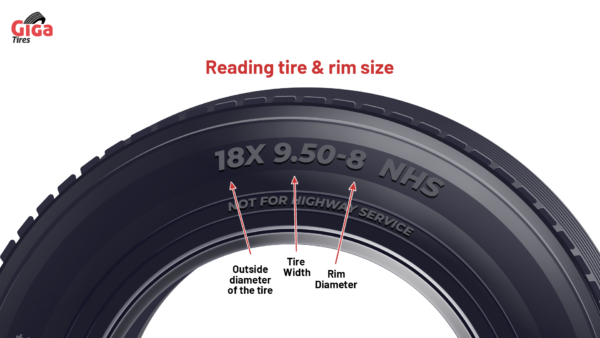
Image Source: www.giga-tires.com
Deciphering Tire Size: The Three-Part Code
The most common way lawn tractor tires are measured is through a three-part numbering system. You’ll typically see something like 8-10.50-4 printed on the tire’s sidewall. Let’s break down what each of these numbers represents.
The First Number: Tire Diameter (Rim Diameter)
The first number in the sequence, in our example 8, refers to the rim diameter. This is the diameter of the wheel that the tire will mount onto. It’s essential that this number matches the rim diameter of your lawn tractor’s wheels exactly. If you try to fit a tire with an 8-inch rim diameter onto a 10-inch rim, it simply won’t fit. Conversely, if you put a 10-inch tire on an 8-inch rim, it will be loose and unsafe.
Why Rim Diameter Matters:
- Fitment: This is the most critical measurement. The tire must be designed to fit a specific rim size.
- Stability: The correct rim diameter ensures the tire sits securely on the wheel, preventing slippage and wobbling.
- Performance: The overall diameter of the tire, which is influenced by the rim diameter and other factors, affects how your tractor handles and the height at which it cuts grass.
The Second Number: Tire Width
The second number, 10.50 in our example, indicates the tire width. This measurement is taken across the widest point of the tire, from sidewall to sidewall, and is usually expressed in inches. A wider tire generally offers better flotation, meaning it distributes the weight of the tractor over a larger surface area. This can be beneficial for reducing soil compaction, especially in soft or wet conditions.
Considerations for Tire Width:
- Traction: Wider tires can offer more contact with the ground, potentially improving traction.
- Maneuverability: Extremely wide tires might make tight turns more challenging.
- Clearance: Ensure the wider tire won’t rub against the tractor’s frame, fender, or mowing deck. Always check your tractor’s manual or existing tire clearance before opting for a significantly wider tire.
The Third Number: Sidewall Height (Aspect Ratio)
The third number, 4 in our example, represents the sidewall height as a percentage of the tire’s width. This is also known as the “aspect ratio.” However, for many lawn tractor tires, this third number is not an aspect ratio but rather a direct measurement of the tire’s diameter. In our 8-10.50-4 example, the ‘4’ indicates that the tire is designed to fit a 4-inch diameter rim. This is a common convention for smaller lawn and garden tires.
Important Note on Sidewall Height:
In some specialized off-road or high-performance tires (less common for standard lawn tractors), the second number might be followed by a slash and then the aspect ratio. For instance, a tire might be listed as 23×10.50-12. Here, ’23’ is the overall tire diameter, ‘10.50’ is the width, and ’12’ is the rim diameter. For most lawn tractors, you’ll see the simpler rim diameter-tire width-rim diameter format. Always refer to your tractor’s manual if you’re unsure.
Beyond the Basic Size: Other Crucial Tire Specifications
While the primary tire size gives you the fundamental dimensions, several other factors contribute to a tire’s performance and suitability for your lawn tractor.
Tread Pattern: Gripping the Ground
The tread pattern is the design of the grooves and blocks on the surface of the tire. Different tread patterns are designed for different purposes and ground conditions.
- Turf Tread (R-3): This is the most common pattern for residential lawn tractors. It features a series of closely spaced, shallow lugs that provide good traction on grass without damaging the turf. The design aims to minimize soil compaction and prevent tearing up the lawn.
- Bar Lug Tread (R-4): These tires have deeper, more aggressive lugs, similar to agricultural tires. They offer superior traction in soft soil, mud, or on slopes but can be more likely to damage delicate turf. They are often found on sub-compact tractors or heavier-duty lawn machines.
- Industrial Tread (R-3/R-4 Hybrid): Some tires blend features of both turf and bar lug designs, offering a balance of traction and turf-friendliness.
Choosing the Right Tread:
- For general lawn mowing on relatively flat terrain: Turf tread is usually the best choice.
- For hilly or frequently wet yards: A more aggressive tread might provide better grip, but be mindful of turf damage.
- For rough terrain or garden use: Bar lug tires are often preferred.
Tire Ply: Strength and Durability
Tire ply refers to the number of fabric layers that make up the tire’s carcass. These plies provide structural integrity and resistance to punctures. Lawn tractor tires typically have a 2-ply rating (2-PR) or a 4-ply rating (4-PR).
- 2-Ply: Lighter and more flexible, often found on smaller residential mowers. They offer a smoother ride but are more susceptible to damage from sharp objects.
- 4-Ply: Stronger and more rigid, offering better resistance to punctures and heavier loads. These are generally recommended for larger tractors, more demanding use, or if you frequently encounter rough terrain.
Tire Pressure: The Inflation Equation
Proper tire pressure is critical for optimal performance, tire longevity, and operator comfort. Over-inflated tires can lead to a rougher ride, reduced traction, and uneven cutting. Under-inflated tires can cause excessive wear, poor handling, and a higher risk of tire damage.
Where to Find Recommended Tire Pressure:
- Your Lawn Tractor’s Manual: This is the definitive source for your specific model.
- Sidewall of the Tire: Manufacturers often list the maximum inflation pressure, but this is not the recommended operating pressure.
General Guidelines for Tire Pressure:
- Front Tires: Typically require lower pressure, often around 10-15 PSI.
- Rear Tires: Usually require slightly higher pressure, often around 12-20 PSI.
Always check and adjust your tire pressure when the tires are cold.
Tire Load Rating: Carrying the Weight
The tire load rating indicates the maximum weight a tire can safely carry at a given inflation pressure. While less critical for typical residential lawn tractors compared to larger vehicles, it’s still a factor, especially if you’re attaching implements or carrying heavy loads. This information is usually found in a chart or code on the tire’s sidewall and is often detailed in the tractor’s manual. For most lawn tractor tires, the load rating is more than sufficient for the intended use.
Tire Material: Durability and Performance
Lawn tractor tires are typically made from a durable rubber compound. The quality of this tire material affects its resistance to wear, UV damage, and cracking. Higher-quality rubber compounds will generally last longer and perform better in various weather conditions.
Beyond the Standard: Metric Sizing
While the inch-based system is most common, you might encounter metric sizing on some lawn tractor tires, especially those from European manufacturers. This system is similar but uses millimeters.
A metric tire size might look like 20×10.00-8.
- 20: This represents the overall tire diameter in inches (not rim diameter).
- 10.00: This is the tire width in inches.
- 8: This is the rim diameter in inches.
In this metric-style notation, the first number is the overall height, and the second is the width. The third number remains the rim diameter. It’s essential to recognize this difference to avoid confusion.
Measuring Your Existing Tires
If you’re unsure about your current tire size, the easiest way to find out is to look at the sidewall of the tires already on your lawn tractor. The measurement is usually molded directly into the rubber.
Steps to Find Your Tire Size:
- Locate the Sidewall: Turn your steering wheel to get a clear view of the tire’s side.
- Read the Numbers: Look for a sequence of numbers and possibly letters. It will typically be in a format like
X-XX-XorXXxXX-XX. - Identify Each Number:
- The first number (e.g.,
8) is usually the rim diameter. - The second number (e.g.,
10.50) is the tire width. - The third number (e.g.,
4) often indicates the rim diameter again or a specific tire series.
- The first number (e.g.,
Example: On a tire labeled 8-10.50-4:
* 8: Rim diameter (inches)
* 10.50: Tire width (inches)
* 4: Rim diameter (inches)
If you can’t find the markings on your current tires, consult your lawn tractor’s owner’s manual. It will contain the exact tire specifications for your model.
Why Getting the Right Tire Size is So Important
Choosing the correct tire size isn’t just about aesthetics; it directly impacts your lawn tractor’s functionality and lifespan.
- Proper Fit: As mentioned, the rim diameter must match perfectly. A mismatch can render the tire unusable or unsafe.
- Even Cutting: If your front and rear tires have significantly different overall diameters than what the tractor was designed for, it can affect the cutting height and lead to an uneven lawn appearance.
- Maneuverability: Tires that are too wide or too tall can rub against the tractor’s bodywork, limiting your turning radius or even causing damage.
- Traction and Stability: The correct width and tread pattern contribute to safe operation, especially on slopes or uneven terrain.
- Component Longevity: Using tires with the wrong specifications can put undue stress on the tractor’s drivetrain, steering components, and mower deck, leading to premature wear and costly repairs.
Common Lawn Tractor Tire Sizes
While there’s a wide variety, some common lawn tractor tire sizes you might encounter include:
- Front Tires:
- 6×1.50-8
- 7×1.50-8
- 9×3.50-4
- 11×4.00-5
- Rear Tires:
- 8-10.50-4
- 8-16.50-6
- 13×5.00-6
- 15×6.00-6
- 16×6.50-8
- 18×8.50-8
- 20×8.00-8
Note: The third number in the XX-XX-XX format is the rim diameter. The first number is the approximate overall tire diameter, and the second is the approximate width.
A Table of Tire Measurement Components
| Measurement | What it Represents | Common Unit | Importance |
|---|---|---|---|
| Rim Diameter | The diameter of the wheel the tire fits onto. | Inches | Crucial for fitment. Must match exactly. |
| Tire Width | The widest point of the tire from sidewall to sidewall. | Inches | Affects flotation, traction, and clearance. |
| Sidewall Height | The height of the tire’s side wall. | Varies | Contributes to overall tire diameter and ride comfort. (Often implied or part of overall diameter) |
| Tread Pattern | The design of the tire surface for grip. | N/A | Determines traction and turf-friendliness. |
| Tire Ply | The number of fabric layers in the tire carcass. | Rating (e.g., 2-PR) | Indicates strength and puncture resistance. |
| Tire Pressure | The amount of air inside the tire. | PSI | Affects ride, handling, wear, and performance. |
| Tire Load Rating | The maximum weight a tire can support. | Varies | Ensures safe operation under load. |
| Tire Material | The composition of the rubber and other components. | N/A | Affects durability, UV resistance, and longevity. |
Frequently Asked Questions About Lawn Tractor Tire Measurement
Q1: What happens if I use the wrong tire size?
A1: Using the wrong tire size can lead to a poor fit, reduced performance, uneven cutting, potential damage to your tractor, and safety hazards. The most critical measurement is the rim diameter; a mismatch here means the tire won’t fit at all.
Q2: Can I put a wider tire on my lawn tractor?
A2: You can often go slightly wider, but you must ensure there is adequate clearance around the tire. Check for rubbing against the frame, fender, or mowing deck. Consult your tractor’s manual or measure carefully. Also, consider how the increased tire width might affect maneuverability and turf marking.
Q3: Do I need to replace both front and rear tires at the same time?
A3: It’s generally best practice to replace tires in pairs (both front tires or both rear tires) to ensure consistent traction and handling. If you replace only one, try to match the tire size, tread pattern, and wear level of the existing tire as closely as possible.
Q4: How often should I check my lawn tractor tire pressure?
A4: It’s a good habit to check your tire pressure at least once a month, and before any extended or demanding use. Tires can lose pressure slowly over time.
Q5: What does the “4” in an 8-10.50-4 tire measurement mean?
A5: In this common lawn tractor tire sizing convention, the final “4” indicates that the tire is designed to fit a 4-inch rim diameter. This is a direct measurement, not an aspect ratio in this case.
Q6: Does the tire ply affect how the tractor rides?
A6: Yes, tire ply can influence the ride. Tires with fewer plies (like 2-PR) are generally more flexible, offering a softer ride. Tires with more plies (like 4-PR) are stiffer and can provide a slightly firmer ride but offer more durability.
By familiarizing yourself with these tire measurements and specifications, you can confidently select the right replacement tires for your lawn tractor, ensuring it continues to perform reliably and efficiently season after season.