
Can I kill clover in my lawn? Yes, you absolutely can kill clover in your lawn through a variety of methods, ranging from manual removal to chemical treatments. This guide will explore the most effective ways to tackle clover and keep it from returning.
Clover, particularly white clover (Trifolium repens), is a common sight in many home lawns. While it has some benefits, like fixing nitrogen in the soil and attracting pollinators, its low-growing, spreading nature can detract from a uniform, healthy turf. For many homeowners, how to get rid of clover in grass is a persistent question. This article provides comprehensive strategies for clover removal lawn management, focusing on effective lawn care clover control. We’ll cover everything from identifying the problem to implementing long-term solutions for clover eradication lawn.
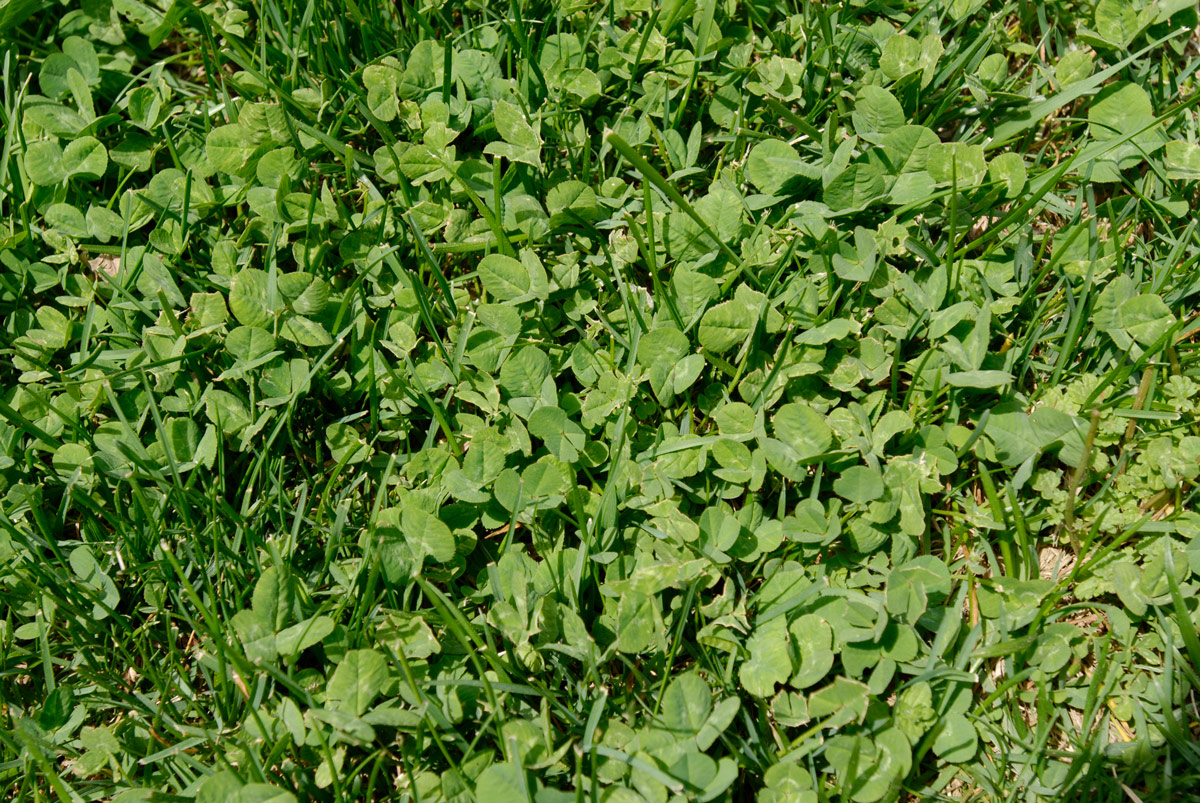
Image Source: naturalawn.com
Why Clover Appears in Your Lawn
Before we delve into the “how,” let’s briefly touch on the “why.” Clover thrives in lawns that have certain conditions. Preventing clover from growing starts with understanding these factors.
- Poor Soil Fertility: Clover is a nitrogen-fixer. If your soil is low in nitrogen, your grass struggles, and clover moves in to fill the void.
- Compacted Soil: Tight, compacted soil makes it difficult for grass roots to grow deep. Clover, with its shallower root system, tolerates these conditions better.
- Shady Areas: While some clover varieties can handle sun, many thrive in partially shaded spots where grass may not get enough light.
- Drought Stress: When grass is stressed by drought, it thins out, providing an opening for clover.
- Mowing Too High or Too Low: Mowing too low weakens grass, while mowing too high can encourage clover growth in the shade of taller grass blades.
Methods for Clover Removal Lawn
Successfully tackling clover involves a multi-pronged approach. The best way to kill clover often combines several techniques.
Manual Clover Removal
For smaller infestations, manual removal is a viable option. This is often considered a natural clover killer for lawns as it uses no chemicals.
Tools for Manual Removal
- Hand Weeding Tools: A simple hand trowel, dandelion digger, or a specialized clover puller can be effective. Look for tools with a forked end to help extract the entire root.
- Gloves: Protect your hands.
- Bags or Buckets: For collecting the removed clover.
The Process
- Timing is Key: Manual removal is best done when the soil is moist. This makes it easier to pull the entire plant, including its roots. A day or two after rain or watering is ideal.
- Identify the Clover: Locate the clover patches in your lawn.
- Loosen the Soil (If Needed): If the soil is very dry or compacted, gently loosen the area around the clover plant with your tool.
- Grasp Firmly: Grip the clover plant at its base, as close to the soil as possible.
- Pull Steadily: Pull the plant upwards with a steady, gentle motion. Try to get the entire root system. Clover has a taproot and spreading runners, so getting as much as you can is important.
- Inspect the Roots: After pulling, check the roots. If you see significant root fragments left behind, try to remove them. These can sprout new plants.
- Fill the Holes: Once the clover is removed, fill the empty spots with a bit of soil. This prevents weed seeds from germinating in the bare patch.
- Water and Re-seed: Water the area and consider re-seeding with your lawn’s grass type to help the turf recover.
Pros of Manual Removal:
- Environmentally Friendly: No chemicals involved.
- Precise: You only remove the clover, not the surrounding grass.
- Cost-Effective: Requires minimal investment in tools.
Cons of Manual Removal:
- Labor Intensive: Can be time-consuming for large infestations.
- Incomplete Removal: It can be difficult to get every single root fragment.
- Less Effective for Established Patches: Large, dense patches are harder to tackle manually.
Natural Clover Killer for Lawns
Beyond simple pulling, several natural methods can help manage clover. These are often preferred by gardeners looking for eco-friendly solutions.
Vinegar Solution
A strong vinegar solution can burn clover leaves. However, it’s important to use this carefully.
- Concentration: Use horticultural vinegar (20% acetic acid) if available, or a strong household white vinegar (5% acetic acid).
- Application: Apply directly to the clover leaves on a sunny, dry day.
- Caution: Vinegar is non-selective, meaning it will kill any plant it touches, including your grass. It’s best to use this for spot treatment, applying it only to the clover. Repeat applications may be necessary.
Boiling Water
A simple yet effective method for small patches.
- Application: Carefully pour boiling water directly onto the clover.
- Caution: Like vinegar, boiling water is non-selective and will kill grass. Use it very precisely.
Corn Gluten Meal
This is a pre-emergent herbicide, meaning it prevents seeds from germinating. It’s also a good source of nitrogen for the lawn.
- Timing: Apply in early spring, before clover seeds (or grass seeds) have a chance to sprout.
- Application: Spread evenly across the lawn at the recommended rate.
- How it Works: It inhibits root formation in germinating seeds.
Pros of Natural Methods:
- Safer for the Environment: Avoids synthetic chemicals.
- Generally Safer for Pets and Children: Once applied and dried.
Cons of Natural Methods:
- Less Targeted: Can damage surrounding grass if not applied carefully.
- May Require Multiple Applications: Less potent than chemical herbicides.
- Corn Gluten Meal is Seasonal: Only effective as a pre-emergent.
Chemical Weed Control: Herbicide for Clover in Lawn
For significant clover problems, a chemical herbicide for clover in lawn is often the most efficient solution. The key is to use a selective herbicide that targets broadleaf weeds like clover without harming your grass.
Types of Selective Herbicides
Most herbicides for clover are post-emergent, meaning they kill existing weeds. Look for products containing one or more of these active ingredients:
- 2,4-D: A common broadleaf herbicide that disrupts plant growth.
- Dicamba: Another effective broadleaf weed killer that is absorbed by leaves and roots.
- MCPP (Mecoprop): Often combined with 2,4-D and Dicamba for a broader spectrum of control.
- Triclopyr: Particularly effective on woody plants and vines, but also works on clover.
- Quinclorac: Effective on crabgrass and some broadleaf weeds, including clover.
How to Apply Herbicides Effectively
- Identify Your Grass Type: It’s crucial to know whether you have cool-season grasses (e.g., Kentucky Bluegrass, Fescue, Ryegrass) or warm-season grasses (e.g., Bermuda, Zoysia, St. Augustine). Some herbicides are formulated for specific grass types. Always read the product label carefully.
- Read and Follow the Label: This is the most important step. The label will tell you:
- Target weeds (ensure clover is listed).
- Suitable turfgrass types.
- Application rates (how much product to use per square footage).
- Application timing (best time of year, weather conditions).
- Safety precautions (protective gear, when pets/children can re-enter the area).
- Mixing instructions (if it’s a concentrate).
- Choose the Right Time:
- Temperature: Most herbicides work best when temperatures are between 60°F and 85°F (15°C and 30°C). Avoid applying when temperatures are expected to exceed 85°F, as this can damage your grass.
- Wind: Do not apply on windy days. Drift can damage desirable plants and property.
- Rain: Avoid applying if rain is expected within 24-48 hours, as rain can wash the herbicide off before it takes effect.
- Active Growth: Apply when clover and grass are actively growing.
- Application Methods:
- Liquid Sprays: Most common for lawn herbicides. Use a pump sprayer for even coverage.
- Granular Products: Often combined with fertilizer. Apply with a spreader.
- Spot Treatment vs. Broadcast Application:
- Spot Treatment: For isolated clover patches, spraying directly onto the clover is more efficient and saves product.
- Broadcast Application: For widespread infestations, applying evenly over the entire lawn is necessary.
- Repeat Applications: Some stubborn clover may require a second application a few weeks after the first. Always check the label for recommended intervals.
Table: Common Herbicides and Their Effectiveness Against Clover
| Active Ingredient | Typical Formulation | Effectiveness on Clover | Notes |
|---|---|---|---|
| 2,4-D | Liquid, Granular | Good | Common ingredient, effective on many broadleaf weeds. |
| Dicamba | Liquid | Good | Absorbed through roots and leaves, can be sensitive to drift. |
| MCPP (Mecoprop) | Liquid, Granular | Good | Often paired with 2,4-D and Dicamba for broader control. |
| Triclopyr | Liquid | Very Good | Stronger on woody plants but excellent for clover and other tough broadleaf weeds. |
| Quinclorac | Liquid | Good | Also controls crabgrass and is generally safe on many turf types. |
| Dithiopyr | Granular, Liquid | Moderate | Primarily a pre-emergent for crabgrass but offers some post-emergent control of broadleaf weeds like clover. |
Pros of Chemical Herbicides:
- Highly Effective: Quickly kills existing clover.
- Targeted (Selective): If chosen correctly, won’t harm grass.
- Efficient for Large Areas: Faster than manual removal.
Cons of Chemical Herbicides:
- Environmental Concerns: Potential impact on non-target organisms.
- Safety Precautions: Requires careful handling and adherence to labels.
- Can Harm Grass: If applied incorrectly or if the wrong product is used.
- Resistance: Over-reliance can lead to weed resistance.
Advanced Clover Control Strategies
Beyond immediate removal, focusing on lawn care clover control means making your lawn less hospitable to clover in the long run. This is key for clover eradication lawn.
Improving Lawn Health
A healthy, dense lawn is the best defense against weeds.
- Proper Mowing: Mow at the correct height for your grass type. Taller grass shades out weed seeds and encourages deeper root growth. For most cool-season grasses, 3-4 inches is ideal.
- Adequate Watering: Water deeply and infrequently to encourage deep root growth. Avoid frequent, shallow watering, which favors shallow-rooted weeds.
- Fertilization: Feed your lawn with appropriate fertilizers at the right times of the year. This ensures your grass has the nutrients it needs to outcompete weeds. Soil testing can help you determine specific nutrient deficiencies.
- Aeration: If your soil is compacted, core aeration can help relieve the compaction, allowing air, water, and nutrients to reach the grass roots more effectively.
- Overseeding: In the fall, overseeding with a high-quality grass seed can thicken your lawn and fill in any bare spots that clover might exploit.
Preventing Clover from Growing
Prevent clover from growing by addressing the underlying issues that allow it to take hold.
- Soil pH: Test your soil’s pH. Most turfgrasses prefer a slightly acidic to neutral pH (6.0-7.0). Clover can tolerate a wider range but often thrives in less-than-ideal conditions for grass. Adjust pH with lime (to raise) or sulfur (to lower) as needed, based on soil test results.
- Sunlight: If clover is growing in shady areas, consider pruning nearby trees or shrubs to increase sunlight. For persistent shade, choose shade-tolerant grass varieties.
- Drainage: Ensure good drainage in your lawn. Waterlogged soil can weaken grass and favor clover.
Timing Your Clover Control Efforts
The season plays a significant role in the success of your clover control.
- Spring: This is an excellent time for pre-emergent applications (like corn gluten meal) and for manual removal as plants are actively growing but before they set seed. Post-emergent herbicides are also effective in spring.
- Summer: Avoid applying most herbicides during the hottest part of summer, as this can stress your lawn. If you must treat, do so in the early morning or late evening when temperatures are cooler.
- Fall: Fall is a prime time for lawn care clover control. The clover is still actively growing and preparing for winter, making it vulnerable to herbicides. The grass is also recovering from summer stress and can benefit from fertilization. Fall is also ideal for overseeding.
Frequently Asked Questions (FAQ)
Q1: Is clover bad for my lawn?
While clover fixes nitrogen, which can benefit the soil, it’s generally considered a weed in a traditional lawn setting because it crowds out desirable grass species, creates an uneven texture, and can go dormant and turn brown in summer while your grass remains green.
Q2: Can I use a weed and feed product for clover?
Many “weed and feed” products contain broadleaf herbicides that can kill clover. However, always check the product label to ensure it lists clover as a target weed and is safe for your specific type of grass. Applying fertilizer when your lawn doesn’t need it can sometimes do more harm than good.
Q3: How long does it take for clover to die after spraying?
Results can vary depending on the product, the size of the clover, and the weather conditions. You might start seeing wilting and browning within a few days to a week. Complete eradication can take two to three weeks.
Q4: My grass is very sparse. Is that why I have so much clover?
Yes, sparse or thin grass is a primary reason clover thrives. Clover moves into areas where the grass is weak and cannot compete. Improving the health and density of your turf is the best long-term strategy for keeping clover out of grass.
Q5: Is there a natural way to kill clover without harming my grass?
Manual removal is the most effective natural method that targets only the clover. Natural sprays like vinegar or boiling water can kill clover but are non-selective and will also harm grass if not applied with extreme precision. Corn gluten meal can prevent clover seeds from germinating, but it doesn’t kill existing plants.
Q6: When is the best time of year to treat clover?
The best times are generally spring and fall when both the clover and your grass are actively growing. Avoid treatments during extreme heat or drought.
Q7: Will clover come back after I kill it?
Clover can certainly return if the conditions that allowed it to thrive in the first place are not corrected. This includes improving soil fertility, addressing compaction, and ensuring your grass is dense and healthy. A consistent lawn care clover control plan is essential for long-term clover eradication lawn.
By following these comprehensive strategies, you can effectively manage and eliminate clover from your lawn, promoting a healthier, more beautiful turf. Remember that consistent effort and attention to your lawn’s overall health are key to keeping clover out of grass for good.