
Does your lawn look sad? Are your grass blades weak? It might be time to think about lime. You know your lawn needs water and sun, but what about lime?
Does my lawn need lime? Yes, your lawn may need lime if its soil is too acidic. Acidic soil can hurt grass growth and nutrient uptake.
Let’s dive into how to figure this out and what to do next.
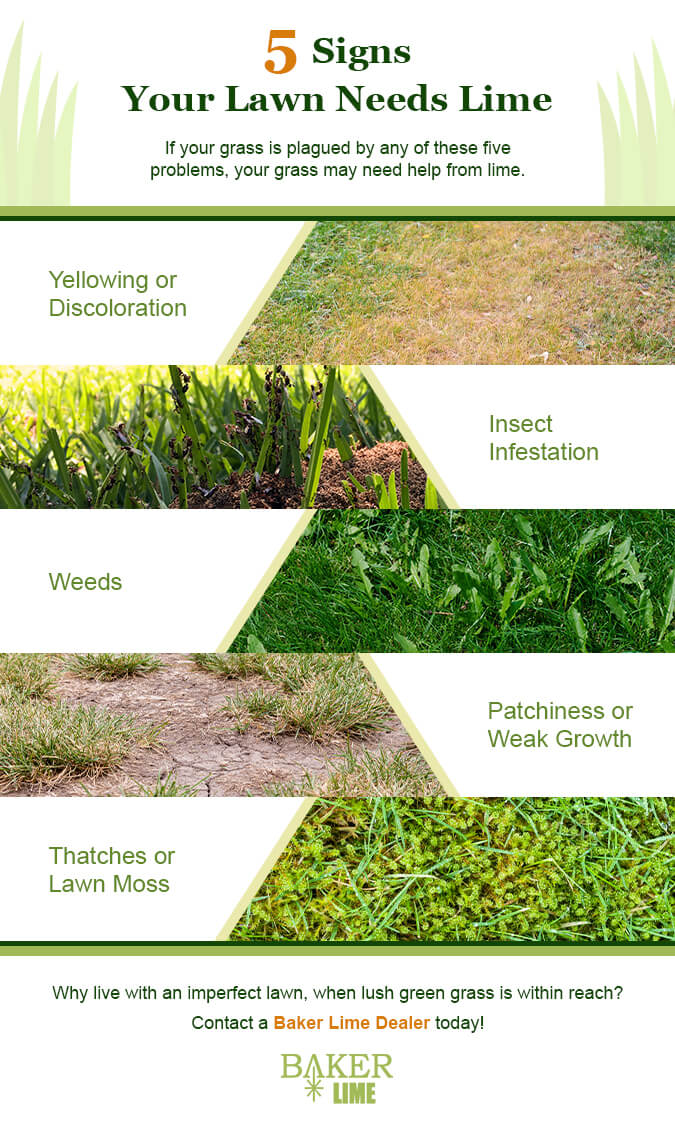
Image Source: www.bakerlime.com
Deciphering Your Soil’s Acidity
Most lawn grasses prefer a slightly acidic to neutral soil pH, generally between 6.0 and 7.0. When your soil’s pH drops below this range, it becomes acidic. This is where lime can help.
Why Soil pH Matters for Your Grass
Soil acts like a pantry for your lawn. It holds water and essential nutrients. When the soil is too acidic, this pantry can become locked. Nutrients that your grass needs, like nitrogen, phosphorus, and potassium, become less available. Even if you’re fertilizing regularly, your grass might not be able to “eat” them.
Also, acidic soil can encourage the growth of certain weeds that thrive in low pH conditions. Some fungi that cause lawn diseases also prefer acidic environments.
Common Signs of Acidic Soil in Your Lawn
While a direct soil pH testing is the only sure way to know, a few visual cues might suggest your soil is on the acidic side:
- Poor Grass Growth: Your grass might look thin, patchy, or just not grow as vigorously as it should, even with proper watering and feeding.
- Yellowing Grass (Chlorosis): This can be a sign of nutrient deficiencies, often caused by the inability to absorb nutrients in acidic soil.
- Increased Weed Presence: Moss, clover, and certain broadleaf weeds often do well in acidic conditions.
- Difficulty Establishing New Grass: If you’ve tried to seed new areas or overseed existing ones, and the results are consistently poor, soil acidity could be a culprit.
The Gold Standard: Soil pH Testing
The most reliable way to determine if your lawn needs lime is through soil pH testing. This process tells you the exact acidity level of your soil.
Methods for Soil pH Testing
There are several ways to test your soil’s pH:
- Home Test Kits: These are readily available at garden centers and nurseries. They often involve mixing a soil sample with a chemical solution or a small amount of distilled water and observing a color change. While convenient, they are generally less accurate than lab tests.
- Electronic pH Meters: These handheld devices are inserted directly into the soil. They provide a digital reading of the pH. Accuracy can vary depending on the quality of the meter and proper calibration.
- Professional Laboratory Testing: This is the most accurate method. You collect a soil sample following specific instructions and send it to a local university extension office or a private soil testing lab. They will analyze your soil and provide a detailed report, often including recommendations for amendments like lime or fertilizer.
How to Collect a Proper Soil Sample
Good testing starts with a good sample. Here’s how to do it right:
- Gather Your Tools: You’ll need a clean trowel or soil probe, a clean bucket or plastic bag, and a way to label your samples (like paper and pencil). Avoid using tools that have been in contact with fertilizers or other chemicals.
- Sample from Multiple Locations: Don’t just take one scoop from your yard. Your soil pH can vary across different areas. Aim to collect samples from at least 5-10 different spots in the lawn area you want to test. If you have different types of soil (e.g., sunny vs. shady areas, different soil textures), consider testing these areas separately.
- Dig to the Correct Depth: For lawns, you want to test the root zone. This is typically about 3-4 inches deep. Remove any grass clippings or thatch from the surface before digging.
- Mix the Samples: Place all the collected soil into your clean bucket or bag. Mix it thoroughly. This composite sample represents the average pH of your lawn.
- Dry the Soil (if sending to a lab): If you’re sending your sample to a lab, spread it out on a clean surface (like newspaper) and let it air dry for a day or two. Avoid direct sunlight.
- Bag and Label: Fill the sample bag provided by the lab or a clean zip-top bag. Label it clearly with your name, address, and the date. If you’re testing different areas separately, label each sample accordingly.
Interpreting Your Soil Test Results
Once you have your results, it’s time to make sense of them.
What Your Soil pH Number Means
- pH 7.0: Neutral. This is ideal for most lawn grasses.
- pH Below 7.0: Acidic. The lower the number, the more acidic the soil.
- pH Above 7.0: Alkaline. The higher the number, the more alkaline the soil.
Recommendations from Soil Labs
A professional soil test report is more than just a pH number. It will typically include:
- Soil pH: The measured acidity or alkalinity.
- Nutrient Levels: The amounts of essential nutrients like nitrogen (N), phosphorus (P), and potassium (K), as well as secondary nutrients like calcium and magnesium, and micronutrients.
- Cation Exchange Capacity (CEC): This indicates the soil’s ability to hold onto nutrients.
- Organic Matter Content: The percentage of organic material in your soil.
- Recommendations: Specific advice on what amendments to add, including the type and amount of lime if your soil is acidic, and the types and amounts of fertilizers needed.
When Lime is the Answer: Addressing Lawn Soil Acidity
If your soil pH testing reveals lawn soil acidity, lime is often the solution.
How Lime Works to Improve Soil
Lime, typically ground limestone lawn, works by neutralizing soil acids. It contains calcium carbonate and/or magnesium carbonate. When applied to the soil, these compounds react with the acidic components, raising the pH.
Think of it like this: acids want to “give away” hydrogen ions, and lime wants to “take them up.” By taking up hydrogen ions, lime reduces the acidity.
Benefits of Liming an Acidic Lawn
- Improved Nutrient Availability: As the pH rises towards the ideal range, nutrients locked in the soil become available to your grass.
- Enhanced Microbial Activity: Beneficial soil microbes that help break down organic matter and make nutrients available thrive in a more neutral pH environment.
- Reduced Aluminum Toxicity: In very acidic soils, aluminum can become soluble and toxic to plants, hindering root growth. Liming reduces aluminum solubility.
- Better Soil Structure: Over time, liming can contribute to better soil aggregation, improving drainage and aeration.
- Healthier Grass: Ultimately, these improvements lead to stronger, greener, and more resilient grass.
Types of Lime for Lawn Application
When buying lime, you’ll encounter a few common types:
- Ground Agricultural Limestone: This is the most common and cost-effective type. It’s calcitic limestone (primarily calcium carbonate). It works more slowly but provides a steady supply of calcium.
- Dolomitic Limestone: This type contains both calcium carbonate and magnesium carbonate. It’s a good choice if your soil test also indicates a magnesium deficiency lawn.
- Quicklime (Calcium Oxide) and Hydrated Lime (Calcium Hydroxide): These are highly reactive and can burn your lawn if not applied very carefully and in small amounts. They are generally not recommended for home lawn use. Stick to ground limestone.
Assessing Calcium and Magnesium Needs
Your soil test report will also indicate if you have a calcium deficiency lawn or a magnesium deficiency lawn.
- Calcium: Essential for cell wall structure and enzyme activity in plants. Deficiency can lead to weak growth and increased susceptibility to diseases. Calcitic limestone is the primary source of calcium.
- Magnesium: A key component of chlorophyll, vital for photosynthesis. Deficiency can cause yellowing between the veins of older leaves. Dolomitic limestone provides both calcium and magnesium.
If your soil test shows a deficiency in either, choosing the appropriate type of lime can help address these issues simultaneously.
Applying Lime to Your Lawn: A Step-by-Step Guide
Applying lime isn’t complicated, but doing it correctly ensures you get the best results.
When is the Best Time to Apply Lime?
The best time to apply lime is usually in the fall. This allows the lime to begin reacting with the soil over the winter months. Spring application is also common, but it’s best to apply it well before you plan to fertilize with nitrogen, as the two can interfere with each other’s effectiveness.
- Avoid applying lime on windy days.
- Avoid applying lime when the grass is wet.
How Much Lime Should You Apply?
This is where your soil test results are crucial. The report will give you specific recommendations. Generally, for acidic soils (pH 5.5-6.0), you might need to apply 50-100 pounds of ground limestone per 1,000 square feet.
Important Considerations:
- Apply in multiple applications: It’s better to apply lime in smaller doses over time rather than one large application. For instance, if your soil needs 100 pounds per 1,000 sq ft, consider applying 50 pounds in the fall and another 50 pounds in the spring. This prevents shocking the soil and allows for better incorporation.
- Never exceed recommended rates: Too much lime can raise the pH too high, creating new nutrient availability problems.
- Soil texture matters: Soils with a heavier clay soil texture analysis can often tolerate and benefit from slightly higher lime applications than sandy soils. Sandy soils have less buffering capacity and can be over-limed more easily.
The Application Process
- Use a Spreader: A broadcast spreader (rotary spreader) or a drop spreader is the best tool for even application.
- Calibrate Your Spreader: Follow the manufacturer’s instructions for calibrating your spreader to ensure you apply the correct rate.
- Apply Evenly: Walk at a consistent pace, overlapping your passes slightly to ensure uniform coverage. Avoid dumping large amounts in one spot.
- Water In: Lightly water the lawn after applying lime. This helps it move into the soil.
- Avoid Overlapping Passes: This can lead to uneven application and potential scorching if too much is applied in one area.
Alternatives and Complementary Soil Amendments Lawn
Lime is a soil amendment lawn that specifically addresses acidity. However, other amendments and practices are vital for overall lawn health assessment.
Aeration and Dethatching
Compacted soil and excessive thatch can hinder lime’s effectiveness by preventing it from reaching the soil.
- Aeration: This process creates small holes in the soil, allowing air, water, and nutrients (including lime) to penetrate deeper into the root zone.
- Dethatching: Removing the layer of dead and living grass stems and roots that build up on the soil surface (thatch) also improves the soil’s ability to absorb amendments.
Aerating and dethatching before applying lime can significantly enhance its effectiveness.
Organic Matter
Incorporating organic matter, such as compost, is another excellent way to improve soil health. It helps with:
- Buffering pH: Organic matter can help moderate extreme pH levels.
- Nutrient Retention: It acts like a sponge, holding onto nutrients and releasing them slowly.
- Improved Soil Structure: It enhances drainage in clay soils and water retention in sandy soils.
Fertilization Strategies
Always follow your soil test recommendations for fertilization. Applying the wrong type or amount of fertilizer can further imbalance your soil’s pH or nutrient levels.
Maintaining a Healthy Lawn: Ongoing Lawn Care Tips
Keeping your lawn healthy is an ongoing process that involves more than just liming.
Regular Monitoring
Periodically check your lawn for signs of stress, nutrient deficiencies, or pest and disease problems. This proactive approach helps you address issues before they become severe.
Proper Mowing
- Mow at the correct height: For most cool-season grasses, this is 2.5-3.5 inches. Taller grass shades out weeds and conserves moisture.
- Keep mower blades sharp: Dull blades tear grass, making it more susceptible to disease.
- Leave grass clippings on the lawn: They return valuable nutrients to the soil.
Adequate Watering
- Water deeply and infrequently: This encourages deep root growth. Aim for about 1 inch of water per week, either from rain or irrigation.
- Water in the morning: This reduces water loss due to evaporation and allows the grass blades to dry before nightfall, minimizing disease risk.
Seasonal Lawn Care Tips
- Spring: Aerate if needed, dethatch, fertilize according to soil test, overseed bare patches.
- Summer: Water efficiently, spot-treat weeds, mow at the correct height.
- Fall: Apply lime if recommended, fertilize for fall growth, overseed, prepare for winter.
- Winter: Protect from foot traffic and snow mold if applicable.
Common Questions About Liming Your Lawn
Here are answers to some frequently asked questions about using lime on your lawn.
Frequently Asked Questions (FAQ)
Q1: How often should I apply lime?
A1: This depends on your soil’s pH and the rate of change. Generally, you might reapply lime every 1-3 years if your soil test indicates it’s needed. A follow-up soil test is the best way to determine if another application is necessary.
Q2: Can I apply lime and fertilizer at the same time?
A2: It’s generally best to avoid applying lime and nitrogen fertilizers at the same time. Applying them within a few weeks of each other is usually fine, but consult your soil test recommendations. Some fertilizers are formulated with lime, which is a different scenario.
Q3: Will lime kill my grass?
A3: No, lime will not kill your grass if applied at the recommended rates. However, applying too much lime (over-liming) can raise the pH too high, which can harm your lawn by making certain nutrients unavailable. Always follow the soil test recommendations.
Q4: My soil is alkaline. Can I use something to lower the pH?
A4: Yes, if your soil is too alkaline (pH above 7.5-8.0), you can use elemental sulfur or ammonium sulfate to lower the pH. These are soil amendments lawn that work differently than lime. Again, follow soil test recommendations for application rates.
Q5: My lawn has a lot of moss. Does that mean it needs lime?
A5: Moss often grows in acidic soil, so it’s a common indicator that your lawn might need lime. However, moss can also thrive in shady, compacted, or poorly drained areas, regardless of soil pH. It’s best to confirm with a soil test before applying lime solely based on moss presence.
Q6: What is the difference between pelletized lime and ground lime?
A6: Pelletized lime is essentially ground limestone that has been formed into small pellets. This can make it easier to spread evenly with a spreader. Functionally, they are very similar once they break down in the soil.
Conclusion: A Greener, Healthier Lawn Awaits
How do I know if my lawn needs lime? The answer is clear: soil pH testing is your most reliable guide. If your lawn soil acidity is too high, applying ground limestone lawn can be a highly effective soil amendment lawn to improve nutrient availability, encourage stronger growth, and create a more resilient lawn.
By understanding your soil’s needs and following proper lawn care tips, you can transform your lawn into a lush, vibrant space. Don’t guess; test your soil and make informed decisions for the best lawn health assessment. A little effort in testing and amending can yield a significant return in lawn beauty and vitality.