
Yes, you can get rid of mushrooms in your lawn, and often quite effectively with natural, fast, and safe solutions. While a few mushrooms typically aren’t harmful to your grass, a widespread outbreak of yard mushrooms can be unsightly and, in some cases, indicate underlying issues with your lawn’s health. This comprehensive guide will delve into how to eliminate lawn mushrooms and prevent their return, focusing on sustainable practices that promote a healthy lawn.
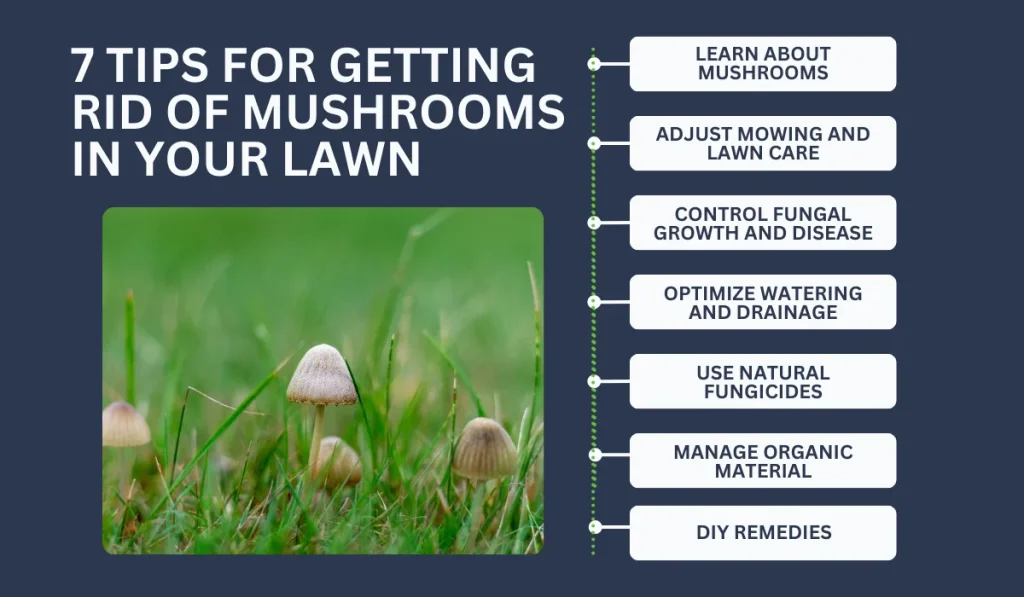
Image Source: sodlawn.com
Why Do Mushrooms Appear in My Lawn?
Mushrooms are the fruiting bodies of fungi. These fungi are always present in the soil, breaking down organic matter. Mushrooms pop up when conditions are just right for their reproduction.
Key Factors Contributing to Mushroom Growth:
- Moisture: Fungi thrive in damp environments. Excessive rainfall, overwatering, or poor drainage can create the ideal conditions for mushroom growth.
- Organic Matter: The primary food source for these fungi is decaying organic material. This can include thatch (dead grass clippings), dead roots, fallen leaves, or even buried wood.
- Shade and Poor Air Circulation: Shady areas and spots with limited airflow tend to stay moist longer, encouraging fungal activity.
- Soil Compaction: Compacted soil restricts water and air movement, which can lead to localized pockets of excessive moisture and the ideal environment for fungi.
- Thatch Buildup: A thick layer of thatch acts like a sponge, retaining moisture and providing a food source for fungi.
Natural and Safe Mushroom Removal Techniques
Getting rid of mushrooms doesn’t always require harsh chemicals. Many effective methods focus on improving your lawn’s environment and removing the mushrooms themselves.
1. Physical Removal: The Quickest Fix
The most immediate way to deal with visible mushrooms is to simply remove them.
- Hand-picking: Wear gloves and pull mushrooms out by the base. This prevents any spores from being disturbed.
- Shoveling: For larger clusters or when dealing with particularly stubborn growths, a spade or trowel can be used to carefully dig up the mushroom and its mycelium (the underground fungal network).
- Dispose Properly: Place removed mushrooms in a sealed plastic bag and dispose of them in the trash. Do not compost them, as this can spread spores.
This method tackles the visible problem, but it’s crucial to address the underlying causes to prevent their return.
2. Adjusting Watering Practices: The Foundation of Mushroom Control
Overwatering is a common culprit for lawn fungus.
- Water Deeply, Less Often: Encourage deeper root growth by watering your lawn thoroughly but less frequently. This allows the soil surface to dry out between waterings, making it less hospitable to mushrooms.
- Water in the Morning: Watering in the morning allows the grass blades and soil surface to dry off during the day, reducing the prolonged moisture that fungi love.
- Check Soil Moisture: Before watering, stick your finger a few inches into the soil. If it feels moist, you can likely skip watering.
3. Managing Thatch: Removing the Feast
A healthy lawn typically has a thatch layer of about half an inch. Anything more can be a breeding ground for lawn fungus.
- Dethatching (Scarifying): This process involves physically removing the excess thatch. You can do this with a manual dethatching rake or a power dethatcher. It’s best done in the spring or early fall.
- Aeration: This process involves removing small cores of soil from your lawn. Aeration helps to reduce soil compaction, improve air circulation, and allow water and nutrients to reach the grass roots more effectively. It also helps break down thatch.
4. Improving Drainage: Banishing Excess Moisture
Poor drainage exacerbates moisture issues.
- Identify Problem Areas: Observe where water pools after rain.
- Top Dressing: Applying a thin layer of compost or sand can help improve drainage over time.
- Consider French Drains: For persistent standing water, consider installing a French drain system to divert excess water away from your lawn.
5. Sunlight and Airflow: Making Your Lawn Less Inviting
Mushrooms prefer shaded, still conditions.
- Prune Overhanging Branches: Trim any tree branches or shrubs that are casting excessive shade on your lawn.
- Improve Air Circulation: Thin out dense shrubbery near the lawn’s edge.
Organic Mushroom Control: Harnessing Nature’s Solutions
For those seeking organic mushroom control, several natural methods can be effective.
1. Corn Gluten Meal: A Natural Pre-Emergent and Fungicide
Corn gluten meal is a byproduct of corn processing that has long been used as a natural fertilizer. It also acts as a pre-emergent weed killer and has fungicidal properties.
- How it Works: Applied at the right time, corn gluten meal can disrupt the protein synthesis of fungal spores, inhibiting their growth.
- Application: Apply corn gluten meal at a rate of about 20 pounds per 1,000 square feet. It’s most effective when applied in early spring before mushroom season begins. Multiple applications may be needed.
2. Baking Soda: A Simple DIY Fungicide
Baking soda can be used as a natural fungicide to combat lawn fungus.
- Recipe: Mix 1 tablespoon of baking soda with 1 tablespoon of vegetable oil and 1 teaspoon of mild liquid soap (like pure castile soap) in a gallon of water.
- Application: Spray this mixture directly onto the affected areas. It’s best to test on a small patch of lawn first, as too much baking soda can affect soil pH. Apply in the early morning or late evening to avoid scorching the grass.
3. Vinegar: A Potent but Cautious Solution
Diluted vinegar can kill fungi on contact, but it can also harm your grass if not used carefully.
- Dilution: Mix white vinegar with water at a ratio of 1:1 or even 1:2 (vinegar to water).
- Application: Apply the diluted mixture directly to the mushrooms. Again, spot-test a small area first. Avoid spraying on grass blades if possible. Vinegar can lower soil pH, so use it sparingly.
4. Potassium Bicarbonate: A Safer Alternative to Baking Soda
Potassium bicarbonate is another effective organic fungicide that is less likely to harm your lawn than baking soda or vinegar.
- How to Use: Mix potassium bicarbonate with water according to product instructions and spray directly onto the mushrooms. It works by altering the pH on the leaf surface and within the fungal cells, making it difficult for the fungus to survive.
Tackling Mushroom-Related Lawn Problems: Fairy Rings
Fairy rings are a specific type of mushroom growth that appears as a circular ring of darker green grass, mushrooms, or a combination of both.
What are Fairy Rings?
Fairy rings are caused by the mycelium of certain fungi growing outward in a circular pattern underground. The mushrooms are the reproductive structures that appear above ground when conditions are favorable.
Natural Approaches to Fairy Ring Mushroom Control:
- Identify the Cause: Like general mushroom growth, fairy rings are often a sign of underlying soil issues. They can indicate thatch buildup, poor drainage, or nutrient imbalances.
- Improve Soil Health: The most effective long-term solution for fairy rings is to improve the overall health and structure of your soil. This includes dethatching, aerating, and proper watering.
- Water Management: Ensure the entire lawn receives consistent, even moisture. Avoid overwatering any specific area.
- Fertilization: A healthy, well-fed lawn can often outcompete the fungi causing fairy rings. Use a balanced, slow-release organic fertilizer.
- Spot Treatment (Careful): While not a complete solution, you can manually remove the mushrooms as they appear. For very persistent or unsightly fairy rings, some lawn care professionals recommend deeply spiking the area with a garden fork and watering thoroughly. This helps to break up the mycelial network. Avoid using chemicals, as they can sometimes worsen the ring.
Table: Common Causes and Solutions for Fairy Rings
| Cause of Fairy Ring | Best Natural Solutions |
|---|---|
| Thatch Buildup | Dethatching, Aeration |
| Poor Drainage | Improve drainage, Aeration |
| Soil Compaction | Aeration |
| Nutrient Imbalance | Balanced Organic Fertilization |
| Overwatering | Adjust watering schedule |
Lawn Maintenance for Long-Term Mushroom Prevention
Consistent and proper lawn maintenance is the most effective way to prevent mushrooms from becoming a recurring problem.
Regular Mowing: The Right Height Matters
- Mow at the Correct Height: Most turfgrasses prefer being mowed at a higher setting (e.g., 2.5-3.5 inches). Taller grass shades the soil, keeping it cooler and moister, which can paradoxically help prevent the dry, harsh conditions that can sometimes encourage certain fungi, but more importantly, it promotes a healthier root system that can better compete with fungi.
- Sharp Mower Blades: Dull blades tear grass, creating open wounds that are susceptible to disease and fungal infections. Keep your mower blades sharp.
Fertilization: Feeding Your Lawn, Not the Fungi
- Seasonal Fertilization: A properly fertilized lawn is a strong lawn. Use a balanced, slow-release organic fertilizer appropriate for your grass type and the season.
- Avoid Over-Fertilizing: Excessive nitrogen can promote rapid, weak growth that is more prone to disease and fungal problems.
Aeration and Dethatching Schedule: Keeping Soil Healthy
- Annual Aeration: Consider aerating your lawn once a year, especially if you have heavy clay soil or notice signs of compaction.
- Dethatch as Needed: Monitor your thatch layer. If it exceeds half an inch, dethatch to remove the excess organic material.
Overseeding: Thickening Your Turf
A dense, healthy turf is your best defense against weeds and lawn fungus.
- Overseed in Fall or Spring: Overseeding with a quality grass seed appropriate for your climate can fill in thin spots and create a more resilient lawn that can outcompete fungi.
When to Seek Professional Help
While most mushroom issues can be managed with DIY methods, there are times when consulting a professional lawn care service is beneficial.
- Widespread or Persistent Outbreaks: If you have a severe and ongoing mushroom problem that doesn’t respond to your efforts, a professional can diagnose the specific fungal species and recommend targeted treatments.
- Identification of Other Lawn Diseases: Sometimes, mushrooms can be a symptom of a more serious lawn disease. A professional can accurately identify and treat these issues.
- Complex Soil Problems: If you suspect significant soil compaction, poor drainage, or nutrient deficiencies that are beyond your ability to address, a landscape professional can help.
Frequently Asked Questions About Lawn Mushrooms
Q1: Are mushrooms in my lawn dangerous for pets or children?
A1: Most lawn mushrooms are not inherently dangerous if ingested in small quantities, but it’s impossible to tell if a mushroom is toxic just by looking at it. To be safe, it’s best to remove all mushrooms from your lawn and prevent pets and children from playing in areas where they are present until they are cleared.
Q2: Can I just mow over the mushrooms?
A2: Mowing over mushrooms will break them apart and spread their spores further into your lawn. While it removes the visible mushroom, it’s not an effective method for mushroom control and can actually worsen the problem by distributing spores. It’s better to remove them manually before mowing.
Q3: Will using chemicals to kill mushrooms harm my grass?
A3: Chemical fungicides can be effective but can also harm beneficial soil microbes, pets, and even the grass itself if not used correctly. For this reason, focusing on natural and organic methods is often preferred for lawn maintenance.
Q4: How long does it take to get rid of mushrooms in my lawn?
A4: The timeline for eliminating mushrooms depends on the underlying causes and the methods used. Physical removal offers immediate results for visible mushrooms. However, addressing soil health, moisture, and thatch can take time, often a full growing season, to see significant reduction in recurring mushroom growth. Consistent lawn maintenance is key for long-term success.
Q5: What are “fairy rings” and how do I manage them?
A5: Fairy rings are circular patterns of mushroom growth caused by underground fungal mycelium. They often appear as rings of darker green grass or, of course, mushrooms. The best way to manage them is by improving your lawn’s overall health, including dethatching, aerating, proper watering, and balanced fertilization.
By focusing on improving your lawn’s environment and adopting good lawn care practices, you can effectively get rid of mushrooms and enjoy a healthier, more beautiful yard. Remember, a healthy lawn is the best defense against unwanted lawn fungus.