
Can you permanently eliminate grass burrs from your lawn? While complete, permanent eradication can be challenging due to their tenacious nature and prolific seed production, a consistent and integrated approach can significantly control and dramatically reduce grass burr populations, making your lawn largely burr-free and preventing future infestations.
Grass burrs, those prickly little nuisances that cling to your socks, pets, and bare feet, are more than just an annoyance; they are a persistent weed that can degrade the health and appearance of your lawn. These annual weeds, often known scientifically as Cenchrus spp., thrive in warm weather and are particularly problematic in well-tradden areas. Their seeds develop into sharp, burr-like structures that can be painful and difficult to remove, making a beautiful lawn a painful experience. This comprehensive guide will delve into effective strategies for grass burr removal, lawn care for burrs, and ultimately, how to kill grass burrs and achieve a healthier, burr-free landscape.
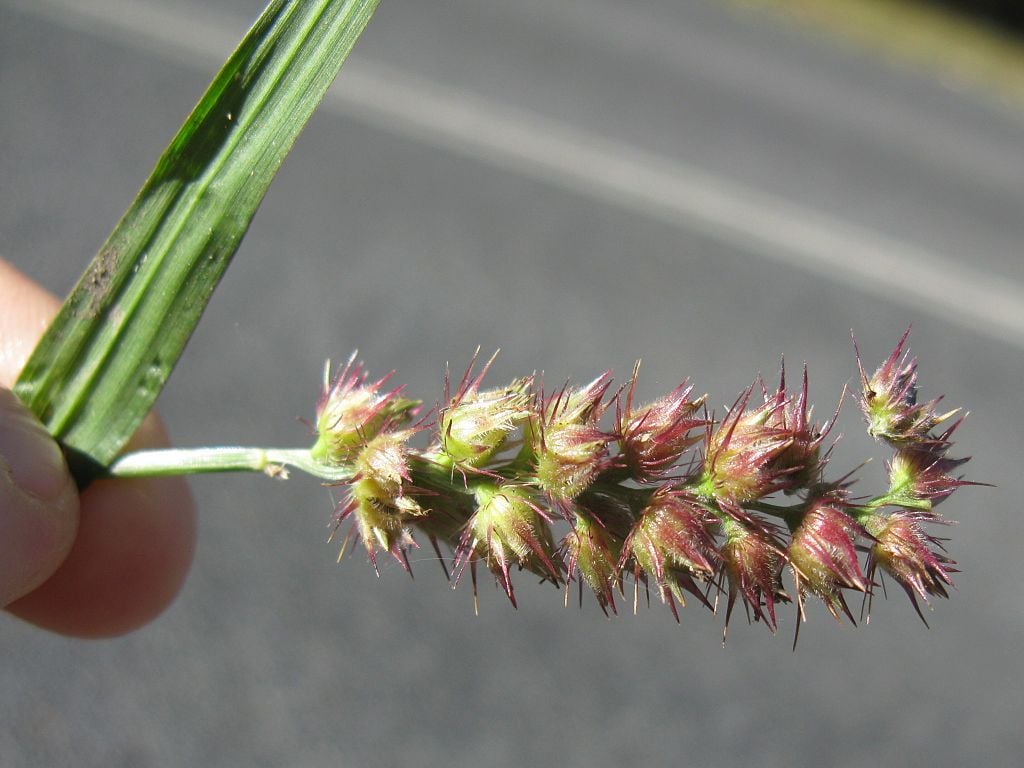
Image Source: www.grassperson.com
Fathoming the Nature of Grass Burrs
To effectively control grass burrs, we first need to understand their life cycle and what makes them so persistent. Grass burrs are annual weeds, meaning they complete their entire life cycle—from germination to seed production and death—within a single growing season. However, their seeds can remain viable in the soil for several years, waiting for the right conditions to sprout.
Key Characteristics of Grass Burrs:
- Life Cycle: Annuals that germinate in warm soil, typically in late spring or early summer. They grow, produce seeds, and die before winter.
- Seed Production: Each plant can produce thousands of seeds, encased in sharp, spiny burrs. These burrs are designed to attach to passing animals or people, aiding in seed dispersal.
- Growth Habit: They often grow low to the ground, spreading outwards. They prefer compacted soils and can tolerate drought.
- Germination Trigger: Warm soil temperatures are the primary trigger for germination.
This understanding is crucial for developing a successful strategy for grass burr removal. Targeting them at the right time in their life cycle offers the best chance for control.
Strategies for Controlling Spiny Burrs
Dealing with a burr grass infestation requires a multi-pronged approach. Simply pulling them out won’t solve the problem, as the seeds will remain. Effective lawn care for burrs involves a combination of cultural practices, mechanical removal, and, when necessary, chemical treatments.
Cultural Practices for a Healthier Lawn
A healthy, dense lawn is the best defense against weeds. By promoting strong turf growth, you can naturally outcompete grass burrs.
Proper Mowing
- Mow at the Right Height: Keep your grass at a height of 3-4 inches. Taller grass shades the soil, preventing weed seeds from germinating. It also encourages deeper root growth in your turf, making it more resilient.
- Sharp Mower Blades: Dull blades tear grass, creating stress and making it more susceptible to disease and weeds. Always use sharp blades.
- Don’t Remove Too Much at Once: Never remove more than one-third of the grass blade’s height in a single mowing.
Watering Wisely
- Deep and Infrequent Watering: Water your lawn deeply but less often. This encourages grass roots to grow deeper into the soil, making them more drought-tolerant and better able to compete with weeds. Aim for about 1 inch of water per week, delivered in one or two applications.
- Avoid Shallow Watering: Frequent, shallow watering encourages shallow root systems, making your lawn more vulnerable to stress and weed invasion.
Soil Health and Fertilization
- Soil Testing: Get your soil tested to determine its pH and nutrient levels. This will help you apply the right fertilizers and amendments for optimal turf growth.
- Balanced Fertilization: Feed your lawn with appropriate fertilizers based on your soil test results. A well-fed lawn is a strong lawn that can crowd out weeds. Apply fertilizer according to the grass type and season.
- Aeration: Core aeration helps to relieve soil compaction, allowing for better water penetration, air circulation, and nutrient uptake. Compacted soil is a prime environment for grass burrs. Aerate in the fall or spring when the grass is actively growing.
Overseeding
- Fill Bare Spots: Overseed any thin or bare areas in your lawn, especially in the fall. This helps to fill in gaps where grass burrs might otherwise establish themselves.
These cultural practices are fundamental to lawn maintenance for burrs. They build a robust lawn that can naturally suppress weed growth.
Mechanical Removal of Grass Burrs
While cultural practices prevent new infestations, you’ll likely need to deal with existing grass burrs through mechanical means.
Hand-Pulling
- Timing is Key: The best time to hand-pull grass burrs is when they are young and before they have a chance to produce seeds. This is typically in late spring or early summer, before the burrs have fully formed.
- Get the Roots: When pulling, ensure you grasp the entire plant, including the root system. If you only remove the top growth, the plant can regrow.
- Dispose Properly: Place pulled weeds in a sealed bag and dispose of them in your trash. Do not compost them, as they can spread seeds.
Raking
- Burr Collection: In late summer and fall, after the burrs have formed but before they dry out and detach completely, a stiff metal rake can help dislodge and collect them.
- Bag and Dispose: Again, bag the collected burrs and dispose of them properly. This helps to reduce the seed bank in your lawn.
Important Note: Mechanical removal is most effective when the soil is slightly moist, making it easier to pull up the entire plant.
Chemical Control: Killing Grass Burrs
When cultural and mechanical methods aren’t enough, herbicides can be a valuable tool for kill grass burrs and weed control for burrs. It’s important to use herbicides judiciously and at the correct time.
Pre-Emergent Herbicides
- How They Work: Pre-emergent herbicides create a chemical barrier in the soil that prevents weed seeds from germinating. They do not kill existing weeds.
- Timing is Crucial: For grass burrs, pre-emergent herbicides should be applied in early spring, before soil temperatures consistently reach the 55-60°F (13-16°C) range, which is when their seeds typically begin to germinate.
- Application: Follow product label instructions precisely. Ensure even coverage for maximum effectiveness. Some common pre-emergent active ingredients for controlling annual grassy weeds like grass burrs include pendimethalin and dithiopyr.
- Follow-Up: You may need a second application in late spring or early summer to catch later-germinating seeds.
Post-Emergent Herbicides
- How They Work: Post-emergent herbicides are designed to kill weeds that have already sprouted and are actively growing.
- Timing for Grass Burrs: For the best results, apply post-emergent herbicides when grass burrs are young and actively growing, ideally before they produce seeds. This is typically in late spring or early summer.
- Types of Herbicides:
- Selective Herbicides: These target specific types of weeds while leaving your desired turfgrass unharmed. Look for products labeled for control of annual grassy weeds.
- Non-Selective Herbicides: These will kill any plant they come into contact with, including your lawn. Use these with extreme caution, spot-treating individual grass burr plants or patches. Glyphosate is a common non-selective herbicide.
- Application:
- Read the Label: Always read and follow the herbicide label instructions carefully regarding application rates, timing, safety precautions, and potential damage to desirable plants.
- Spot Treatment: For a burr grass infestation, spot treating is often more effective and minimizes damage to your lawn.
- Temperature: Avoid applying herbicides when temperatures are very high, as this can stress the turf and increase the risk of damage.
Table 1: Herbicide Application Considerations for Grass Burrs
| Herbicide Type | When to Apply | How it Works | Key Considerations |
|---|---|---|---|
| Pre-Emergent | Early Spring (before germination) | Prevents seed germination | Timing is critical; no effect on existing weeds |
| Post-Emergent | Late Spring/Early Summer (actively growing) | Kills existing, actively growing weeds | Target young plants; use selective or non-selective |
Integrated Weed Management (IWM)
The most effective lawn treatment for burrs utilizes an Integrated Weed Management approach, combining multiple strategies. This means using cultural practices to build a strong lawn, mechanical methods for immediate removal, and herbicides strategically for persistent problems.
Grass Burr Prevention: The Long-Term Goal
Grass burr prevention is the ultimate objective. Once you’ve tackled an existing infestation, focus on measures to stop them from returning.
- Maintain a Dense Turf: As mentioned earlier, a healthy, thick lawn is your best natural defense.
- Proper Irrigation: Avoid overwatering, which can create favorable conditions for some weeds.
- Regular Lawn Maintenance: Consistent mowing, fertilization, and aeration are key.
- Monitor for Early Signs: Be vigilant in late spring and early summer. If you see young grass burrs, act immediately by hand-pulling.
- Control Burrs on Pets and Clothing: If you have pets that frequent areas with grass burrs, check their fur and paws regularly and remove any burrs before they can be tracked into your yard or home. Similarly, check your clothing after walking in affected areas.
Tackling a Severe Burr Grass Infestation
If your lawn has a severe burr grass infestation, you might need to take more aggressive steps.
Renovation for Severe Infestations
In extreme cases, where grass burrs have taken over large portions of your lawn, a full lawn renovation might be the most effective solution for get rid of burr weeds.
- Kill Existing Weeds: Use a non-selective herbicide like glyphosate to kill all vegetation in the affected areas. Follow label instructions carefully and ensure the area is safe to re-enter after the specified waiting period.
- Remove Debris: Rake up and dispose of all dead vegetation and burrs.
- Improve Soil: Amend the soil with compost or other organic matter to improve its structure and fertility. This provides a better foundation for new grass.
- Overseed or Resod: Sow a high-quality grass seed mixture suitable for your climate, or lay down sod. Choose turf varieties that are dense and disease-resistant.
- Establish New Turf: Water regularly to establish the new grass. Continue with proper lawn care for burrs and focus on promoting a dense, healthy turf to prevent future weed growth.
This is a more drastic measure, but for severe infestations, it can be the most efficient way to kill grass burrs and reset the lawn’s health.
Specific Lawn Types and Burr Control
The best approach for lawn care for burrs can vary slightly depending on your lawn’s grass type.
Cool-Season Grasses (e.g., Kentucky Bluegrass, Fescue, Ryegrass)
- Best Time for Treatment: Fall is often the ideal time to treat cool-season lawns, as the grass is actively growing and preparing for winter, while many weeds are slowing down or dying off. Spring is also a critical time for pre-emergent application.
- Fertilization: Focus on fall fertilization for root development.
Warm-Season Grasses (e.g., Bermuda Grass, Zoysia Grass, St. Augustine Grass)
- Best Time for Treatment: Spring and early summer are the most critical times for treating warm-season grasses. Pre-emergent application in late spring before peak heat and post-emergent treatment as young weeds appear are key.
- Fertilization: Focus on spring and summer fertilization to promote vigorous growth.
FAQs About Getting Rid of Grass Burrs
Q1: How quickly can I expect to see results after applying herbicides?
A: Results vary depending on the herbicide used and the stage of the grass burr growth. Post-emergent herbicides may show visible signs of wilting within a few days to a week. Pre-emergent herbicides work before the weed emerges, so you won’t see immediate results, but rather a reduction in new growth over time.
Q2: Can I use household products to kill grass burrs?
A: Some household products like vinegar or boiling water can kill grass burrs on contact, but they are non-selective and will also kill your lawn grass. They are generally not effective for widespread grass burr removal and can damage your lawn if not used very carefully as spot treatments. Commercially formulated lawn care products are usually more effective and safer for your turf.
Q3: What is the best time of year to prevent grass burrs?
A: The best time for grass burr prevention is early spring, before their seeds germinate. Applying a pre-emergent herbicide at this time is crucial. Maintaining a healthy, dense lawn throughout the year also plays a significant role in prevention.
Q4: Do grass burrs spread through runners or rhizomes?
A: No, grass burrs primarily spread through their seeds, which are contained within the sharp burrs. These burrs readily attach to anything that brushes against them, facilitating wide dispersal.
Q5: My dog is getting burrs in its fur. How can I stop this?
A: The best way to stop this is by controlling the grass burrs in your lawn using the methods described above. Additionally, regularly check your pet’s fur, especially after walks in grassy areas, and remove any burrs you find before they embed.
Q6: Is it possible to permanently get rid of grass burrs?
A: While achieving absolute permanent eradication can be extremely difficult due to the longevity of their seeds in the soil and their ability to be tracked in from elsewhere, a consistent, integrated approach to lawn care for burrs can effectively manage and significantly reduce their presence, making your lawn virtually burr-free and preventing future widespread infestations. It’s an ongoing effort of maintenance and vigilance.
Conclusion
Getting rid of grass burrs permanently is a journey, not a single event. It requires a consistent commitment to lawn maintenance for burrs and a strategic approach. By combining healthy lawn practices, timely mechanical removal, and judicious use of herbicides when necessary, you can effectively control and eventually minimize the presence of these prickly invaders. Focus on building a dense, healthy lawn that can naturally resist weed encroachment, and you’ll be well on your way to a more enjoyable and burr-free outdoor space. Remember, vigilance and a proactive approach are your best allies in the ongoing battle against grass burrs.