
Can you kill mushrooms in your lawn? Yes, you can kill mushrooms in your lawn. While mushrooms are often a sign of a healthy soil ecosystem, their sudden appearance can be a nuisance, detracting from your lawn’s aesthetic appeal. Dealing with fungus control is a common concern for homeowners. Understanding the underlying causes of fungal growth is key to not just mushroom removal, but also to preventing future occurrences. This guide will walk you through safe and effective methods to get rid of mushrooms and maintain a vibrant, healthy lawn.
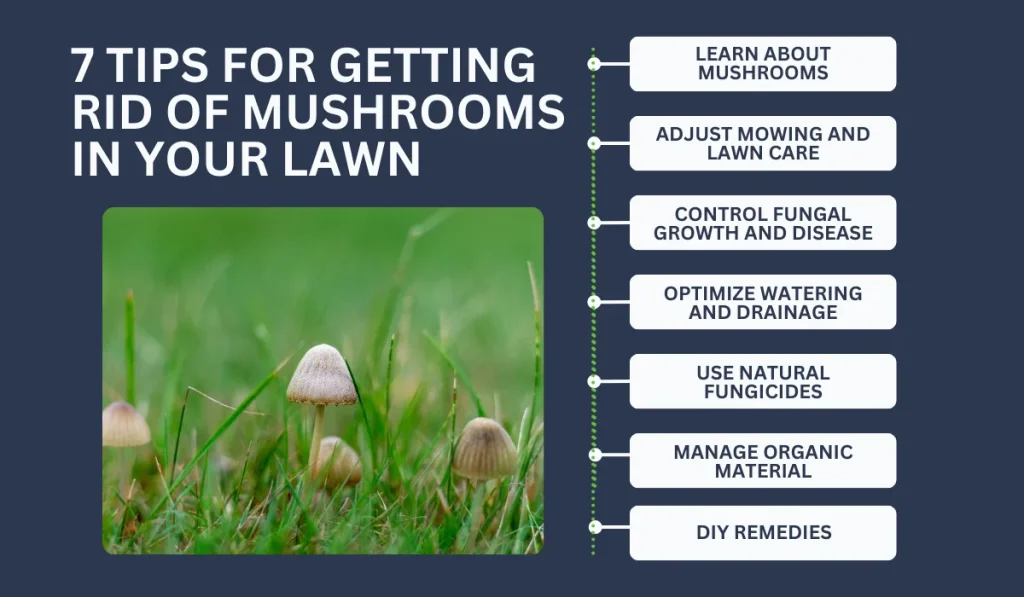
Image Source: sodlawn.com
Why Do Mushrooms Appear in Lawns?
Mushrooms are the fruiting bodies of fungi that live underground. They emerge when specific environmental conditions are met. Several factors contribute to their appearance:
- Organic Matter: Mushrooms thrive on decaying organic material. This can include thatch (dead grass clippings and roots), buried woody debris, animal droppings, or even old leaves. A lawn with a thick layer of thatch or un-decomposed organic matter provides a perfect food source for fungi.
- Moisture: Consistent moisture is crucial for fungal growth. Overwatering, poor drainage, and prolonged periods of rain can create the damp conditions that encourage mushrooms to sprout.
- Shade and Poor Air Circulation: Areas of the lawn that are heavily shaded or have limited air movement tend to stay moist longer, making them more susceptible to fungal issues.
- Soil Compaction: Compacted soil restricts air and water movement, which can lead to waterlogging and create favorable conditions for certain types of fungi.
- Specific Grass Types: Some grass varieties are more prone to fungal diseases than others, especially if they are not suited to the local climate or soil conditions.
Common Causes of Fungal Growth
| Cause | Explanation |
|---|---|
| Excessive Thatch | A thick layer of dead grass that suffocates the lawn. It holds moisture and nutrients, becoming a prime spot for fungi to feed and grow. |
| Damp Conditions | Overwatering, poor drainage, or frequent rainfall can keep the soil consistently wet, which is ideal for mushroom development. |
| Shady Areas | Areas that don’t get much sunlight remain cooler and moister, promoting fungal activity. This is often seen under trees or near buildings. |
| Buried Debris | Old tree stumps, roots, or even construction materials buried in the soil provide a readily available food source for fungi, leading to mushroom rings. |
| Animal Waste | Pet or wild animal droppings can introduce fungal spores and provide nutrients for their growth. |
| Nutrient Imbalance | While fungi are decomposers, an imbalance in soil nutrients can sometimes favor their proliferation over healthy grass growth. |
| Compacted Soil | Hard, packed soil traps water and prevents air circulation, creating a damp environment that mushrooms love. |
Methods for Mushroom Removal and Control
Getting rid of mushrooms involves a combination of immediate removal and longer-term lawn care tips aimed at creating an environment less hospitable to fungi.
Immediate Mushroom Removal
The simplest way to deal with mushrooms is to remove them physically. This is a direct approach to mushroom removal.
- Hand-Pulling: The most straightforward method is to simply pull the mushrooms out of the ground by hand. Try to get the entire base of the mushroom, as this is where the main fungal body (mycelium) is located. Wear gloves, as some mushrooms can cause skin irritation.
- Bagging and Disposing: After pulling them, place the mushrooms in a plastic bag, seal it tightly, and dispose of them in the trash. This prevents the spores from spreading further in your lawn.
- Mowing: If there are only a few mushrooms, you can mow them. However, this is a temporary fix. While it removes the visible fruiting bodies, the underground network will continue to produce more. It can also spread spores.
Long-Term Lawn Maintenance for Fungus Control
To truly eradicate toadstools and prevent their return, you need to focus on improving your lawn’s overall health and addressing the underlying conditions that promote fungal growth. This falls under comprehensive lawn maintenance.
1. Aeration
Aerating your lawn helps to relieve soil compaction. This process creates small holes in the soil, allowing air, water, and nutrients to penetrate deeper into the root zone.
- How it helps: Improved air and water circulation reduces the dampness that fungi thrive in. It also encourages healthier grass root development, making your lawn more resilient.
- When to aerate: The best times for aeration are during the active growing seasons for your grass type – typically spring or fall for cool-season grasses and late spring or early summer for warm-season grasses.
2. Dethatching
Thatch is a layer of dead and living organic material that builds up between the grass blades and the soil surface. A thatch layer thicker than half an inch can harbor fungi.
- How it helps: Removing excess thatch eliminates a primary food source for many types of fungi. It also improves air and water penetration to the soil.
- Methods: Dethatching can be done with a rake, a power dethatcher (scarifier), or a verticutter.
3. Proper Watering Practices
Overwatering is a major contributor to mushroom growth. Adjusting your watering habits can significantly reduce fungal problems.
- Water deeply and infrequently: Aim to water your lawn deeply enough to moisten the soil to a depth of 4-6 inches, but do so less often. This encourages deeper root growth and allows the surface to dry out between waterings.
- Water in the morning: Watering early in the day allows the grass blades to dry off before evening, reducing the amount of time moisture sits on the foliage and in the soil.
- Check soil moisture: Before watering, stick a screwdriver or a soil probe into the ground. If it goes in easily, the soil is likely moist enough.
4. Improve Drainage
If your lawn stays soggy for extended periods, you may have drainage issues.
- Identify problem areas: Observe where water tends to pool after rain or watering.
- Consider amendments: Adding organic matter like compost can improve soil structure and drainage over time. For severe issues, you might need to consider more extensive solutions like French drains or regrading.
5. Manage Shade
If your lawn has persistent shady areas, consider:
- Pruning trees: Trim lower branches or thin out the canopy of trees to allow more sunlight to reach the grass.
- Choosing shade-tolerant grass: If shading is unavoidable, consider overseeding with grass varieties that are more tolerant of low-light conditions.
6. Fertilization
A well-fertilized lawn is a healthy lawn, better equipped to outcompete fungi.
- Balanced fertilization: Use a balanced fertilizer according to soil test recommendations. Avoid over-fertilizing, especially with nitrogen, which can encourage rapid, weak growth that is more susceptible to disease.
- Timing: Fertilize during the grass’s active growing periods.
Chemical Treatments for Mushroom Control
While cultural practices are the best long-term solution, chemical treatments can offer a more immediate way to eradicate toadstools. It’s important to note that chemical fungicides target the visible mushrooms and may not eliminate the entire mycelial network. Moreover, fungal spores are microscopic and can be spread by wind and water.
- Fungicides: Various fungicides are available for lawn use. Look for products specifically labeled for controlling lawn fungi or mushrooms.
- How they work: Fungicides work by inhibiting or killing fungal growth. They are typically applied as a liquid spray or granular product.
- Application: Always follow the product label instructions carefully regarding application rates, timing, and safety precautions. Wear protective gear such as gloves, long sleeves, and pants.
- Important Considerations:
- Identify the fungus: If possible, try to identify the specific type of fungus causing the problem. Some fungicides are more effective against certain types of fungi than others.
- Temporary solution: Fungicides are often a temporary fix. They kill the mushrooms but don’t address the underlying issues like excess moisture or organic matter.
- Environmental impact: Be mindful of the environmental impact of fungicides. Choose products that are less toxic and follow application guidelines to protect beneficial organisms.
- Resistance: Over-reliance on a single type of fungicide can lead to the development of resistant fungal strains. Rotating fungicides with different active ingredients can help prevent this.
Specific Fungicide Types (General Information)
| Fungicide Type | Common Active Ingredients (Examples) | Target Fungi (General) | Notes |
|---|---|---|---|
| Contact Fungicides | Chlorothalonil, Mancozeb | Broad spectrum; prevent fungal spores from germinating. | Protect the plant surface; need to be reapplied after rain or mowing. |
| Systemic Fungicides | Propiconazole, Myclobutanil | Absorbed by the plant; inhibit fungal growth within tissues. | Offer longer-lasting protection; can be more effective against established infections. May require specific application timings for best results. |
| Combination Fungicides | Various active ingredient mixes | Broad spectrum; target multiple fungal pathways. | Often provide broader control and can help manage resistance. Always check labels for specific mushroom control claims. |
Always read and follow the label instructions for any pesticide or fungicide. Misuse can be harmful to your lawn, yourself, and the environment.
Preventing Mushrooms: A Proactive Approach
The best strategy for dealing with mushrooms is prevention. By implementing consistent lawn maintenance, you can create an environment that is naturally resistant to fungal growth.
Key Prevention Strategies
- Regular Aeration: As mentioned, aerating your lawn at least once a year helps keep the soil healthy and prevents compaction.
- Dethatch Annually: Remove thatch buildup before it becomes a problem.
- Proper Watering: Stick to the “water deeply, infrequently” rule and water in the morning.
- Adequate Sunlight and Airflow: Prune trees and shrubs to improve light and air penetration.
- Promptly Remove Debris: Clean up fallen leaves, grass clippings, and animal waste.
- Test Your Soil: A soil test can help you identify and correct any nutrient deficiencies or pH imbalances that might be stressing your lawn and making it vulnerable to fungal diseases.
- Overseed with Healthy Grass Varieties: Ensure your lawn is composed of grass types suitable for your climate and conditions. Healthy, dense turf is more competitive against fungi.
Natural Deterrents
Some people explore natural methods for fungus control. While scientific evidence for their widespread effectiveness against established mushroom problems is limited, they can contribute to overall lawn health.
- Baking Soda: Some anecdotal evidence suggests a light dusting of baking soda can help dry out and kill mushrooms. However, this can also harm grass if applied too heavily or too frequently.
- Vinegar Solution: A diluted solution of vinegar can kill surface-level fungi. Again, caution is advised, as vinegar is acidic and can damage grass if not used judiciously.
- Corn Gluten Meal: While primarily known as a pre-emergent herbicide, some believe corn gluten meal can inhibit fungal growth by disrupting spore germination. Its effectiveness specifically for mushroom control is not well-established.
These natural methods are generally safer but less reliable than targeted fungicides or proper cultural practices. They are best considered as supplementary approaches.
Dealing with Mushroom Rings
Mushroom rings, often called “fairy rings,” are circular patterns of mushroom growth that can appear in lawns. They are caused by the spread of the underground fungal mycelium.
Why Rings Form
- Underground Mycelium: The ring forms as the mycelium grows outwards from a central point, feeding on decaying organic matter in the soil.
- Visible Mushrooms: Mushrooms appear at the outer edge of the growing mycelium.
- Distinctive Grass: Often, the grass within and around the ring will appear darker green and grow more vigorously due to the nutrients released by the fungus. In dry conditions, the outer edge of the ring might even turn brown and appear stressed.
Methods to Break Up Rings
- Aeration and Dethatching: Breaking up the soil and removing thatch can disrupt the mycelial network.
- Targeted Watering: If the ring is caused by localized poor drainage, improving that area’s drainage is crucial.
- Fungicides: Some fungicides are specifically labeled for controlling fairy rings. They are often applied as a drench to penetrate the soil and reach the mycelium. Multiple applications may be necessary.
- Physical Removal of Debris: If a buried object like a tree stump is the cause, it may need to be excavated and removed for a permanent solution.
- Deep Watering: In some cases, especially if the ring is exacerbated by dry conditions, deep watering can help the grass outcompete the fungus.
Frequently Asked Questions (FAQ)
Q1: Are lawn mushrooms poisonous?
A1: Many lawn mushrooms are indeed poisonous, and some can be highly toxic. It is crucial to assume all mushrooms found in your lawn are poisonous and to keep pets and children away from them. Never taste or consume wild mushrooms unless you are an expert mycologist.
Q2: How quickly do mushrooms grow?
A2: Mushrooms can appear very quickly, sometimes overnight, especially after a period of warm, wet weather. Their growth rate depends on the species, temperature, and moisture levels.
Q3: Can I just ignore the mushrooms?
A3: You can ignore the mushrooms if their appearance doesn’t bother you. They are a natural part of the soil ecosystem and indicate that your soil likely has ample organic matter. However, if you want a pristine lawn or are concerned about pets or children, active mushroom removal and prevention are necessary.
Q4: Will these lawn treatments harm my grass?
A4: When used correctly according to label instructions, most recommended lawn treatments for fungus control should not harm your grass. However, improper application, using the wrong product, or over-application of chemicals can damage your lawn. Always read and follow product directions carefully. Natural remedies like vinegar or baking soda can harm grass if applied incorrectly.
Q5: What is the best time of year to prevent mushrooms?
A5: The best time to prevent mushrooms is throughout the year by maintaining good lawn care tips. Focus on improving soil health and drainage in the spring and fall when your grass is actively growing. Addressing thatch and compaction during these periods sets your lawn up for success.
Q6: How do I know if I have a lawn disease or just mushrooms?
A6: Mushrooms are the fruiting bodies of fungi, and their presence often points to an underlying fungal growth or lawn disease. Other signs of lawn disease include discolored patches (yellow, brown, or black), wilting, thinning turf, or unusual patterns on the grass blades. If you suspect a more widespread lawn disease, identifying the specific pathogen is important for choosing the correct treatment.
Q7: Is there a way to get rid of mushrooms permanently?
A7: While you can’t permanently eliminate fungi from your soil – as they play a vital role in decomposition – you can create conditions that make it very difficult for mushrooms (the visible fruiting bodies) to appear. This involves consistent lawn maintenance, proper watering, aeration, dethatching, and managing thatch and moisture levels.
By following these comprehensive strategies, you can effectively manage and prevent mushrooms from taking over your lawn, ensuring a healthy and attractive outdoor space. Remember, a healthy lawn is your best defense against unwanted fungal growth.