
Can you save a dying lawn? Yes, you absolutely can! Is it possible to revive brown spots? Absolutely, and with a little effort, you can revitalize your entire lawn. This guide will walk you through the essential steps for expert lawn care and effective lawn repair to bring your grass back to life. We’ll cover everything from diagnosing the problem to implementing a robust lawn treatment plan for ultimate lawn improvement.
A browning or thinning lawn can be disheartening, but it doesn’t always mean the end of your green oasis. Many common issues can be addressed with the right knowledge and approach. Let’s dive into how to fix dead grass and achieve a lush, healthy lawn.
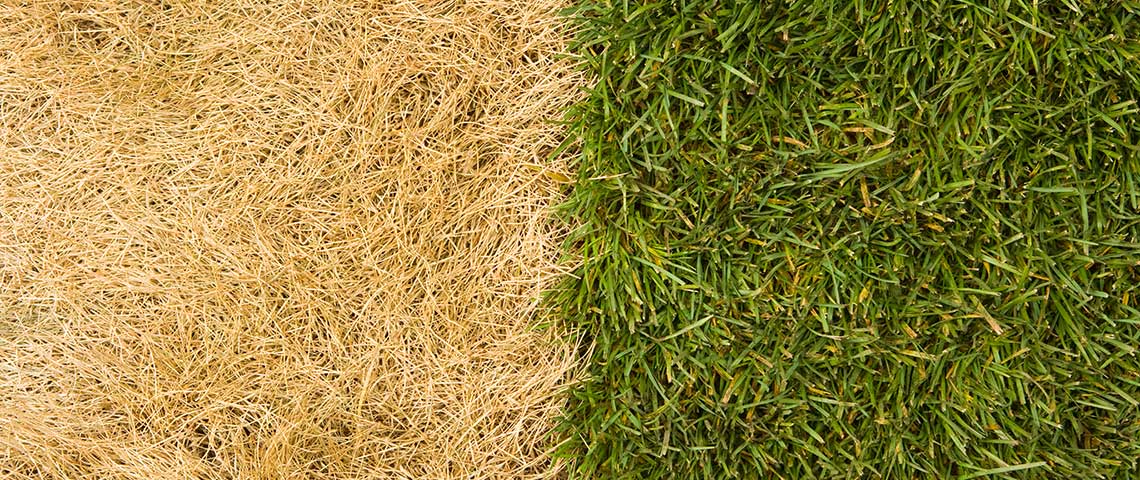
Image Source: www.pennington.com
Deciphering Why Your Lawn is Dying
Before you can revive your lawn, you need to figure out what’s causing it to struggle. Think of it like a doctor diagnosing a patient; you can’t treat an illness without knowing what it is. Several factors can contribute to a dying lawn, from simple neglect to more complex underlying problems.
Common Culprits Behind Lawn Decline
Here are some of the most frequent reasons your grass might be looking less than its best:
- Watering Issues: This is perhaps the most common culprit.
- Too Little Water: Drought stress causes grass blades to turn brown and die. The soil will feel dry and hard.
- Too Much Water: Overwatering can suffocate grass roots, leading to fungal diseases and root rot. The soil might be constantly soggy.
- Inconsistent Watering: Cycles of drying out and then drenching can stress grass.
- Soil Problems: The foundation of a healthy lawn is healthy soil.
- Compacted Soil: Hard, compacted soil prevents water, air, and nutrients from reaching the grass roots.
- Poor Drainage: Waterlogging can kill grass.
- Nutrient Deficiencies: Lack of essential nutrients (like nitrogen, phosphorus, and potassium) stunts growth and weakens the grass.
- Incorrect pH: Grass prefers a slightly acidic to neutral pH. If the soil is too acidic or too alkaline, nutrient uptake is hindered.
- Pest Infestations: Tiny creatures can wreak havoc.
- Grubs: These beetle larvae feed on grass roots, causing large brown patches that can be easily pulled up.
- Chinch Bugs: These small insects suck sap from grass blades, leading to yellowing and browning.
- Armyworms and Cutworms: Caterpillars that feed on grass blades, often at night.
- Diseases: Fungi and other pathogens can attack your lawn.
- Dollar Spot: Causes small, straw-colored spots about the size of a silver dollar.
- Brown Patch: Creates circular or irregular patches of brown, often with a darker border.
- Red Thread: Visible as reddish-pink threads on grass blades, often in cool, wet weather.
- Weeds: Competing for resources, weeds can choke out healthy grass.
- Mowing Practices: How you cut your grass matters.
- Mowing Too Short: This stresses the grass and exposes the soil to drying and weed seeds.
- Dull Mower Blades: These tear the grass blades, leaving jagged edges that are prone to disease and browning.
- Thatch Buildup: An excessive layer of dead and living organic matter above the soil line can block water and air.
- Extreme Weather: Prolonged heatwaves, unexpected freezes, or heavy foot traffic can damage even a healthy lawn.
Steps to Revitalize Your Lawn
Once you have a good idea of what’s ailing your lawn, you can start implementing solutions. Lawn repair is a process, and patience is key.
Step 1: Proper Watering for Grass Health
Getting your watering right is crucial for lawn improvement. The goal is to water deeply and infrequently to encourage deep root growth.
- How Much Water? Most established lawns need about 1 to 1.5 inches of water per week, including rainfall. You can measure this by placing a few empty cans or containers around your lawn while the sprinkler is on.
- When to Water? The best time to water is early in the morning, between 4 AM and 10 AM. This allows the water to soak in before the heat of the day causes excessive evaporation and reduces the risk of fungal diseases by giving the grass blades time to dry before nightfall.
- Water Deeply: Aim for a watering duration that allows water to penetrate 4-6 inches into the soil. This might mean running your sprinklers for a longer period once or twice a week, rather than short, frequent watering.
- Signs of Thirst: Grass will typically show signs of thirst by wilting, turning a dull bluish-green, or leaving footprints that don’t spring back quickly.
Step 2: Soil Assessment and Improvement
Healthy soil is the bedrock of a healthy lawn.
Soil Testing
- Why Test? A soil test reveals your soil’s pH, nutrient levels, and organic matter content. This information is invaluable for tailoring your lawn treatment plan.
- How to Test? You can purchase DIY soil test kits or send samples to your local cooperative extension office for a more comprehensive analysis. Collect samples from several areas of your lawn at a depth of about 4-6 inches.
Addressing Soil Issues
- Aeration: If your soil is compacted, aeration is essential. This process involves removing small plugs of soil, allowing air, water, and nutrients to reach the roots. You can rent an aerator or hire a professional. Aeration is best done when the grass is actively growing.
- Top Dressing: After aeration, you can top-dress your lawn with a thin layer of compost or a good quality topsoil. This adds organic matter, improves soil structure, and helps retain moisture.
- pH Adjustment: Based on your soil test, you may need to adjust the pH.
- To raise pH (make less acidic): Apply lime. Follow product instructions carefully, as too much can be detrimental.
- To lower pH (make less alkaline): Apply elemental sulfur.
- Fertilizing: Choose a fertilizer appropriate for your grass type and the season.
- Nitrogen (N): Promotes leaf growth and green color.
- Phosphorus (P): Aids root development.
- Potassium (K): Improves overall plant health and stress tolerance.
- Slow-release fertilizers are often preferred as they provide a steady supply of nutrients without overwhelming the grass.
Step 3: Managing Pests and Diseases
Identifying and treating pests and diseases promptly can save your lawn.
Pest Control Strategies
- Identify the Pest: Proper identification is key. Look for signs like chewed blades, wilting, or visible insects.
- Beneficial Nematodes: For grub infestations, beneficial nematodes are a natural and effective solution.
- Insecticidal Soaps or Horticultural Oils: These can be used for surface-feeding insects like chinch bugs, but always follow label instructions.
- Grub Control: Apply a grub control product when grubs are active and feeding, usually late summer or early fall.
- Encourage Natural Predators: Birds, beneficial insects, and other wildlife can help keep pest populations in check.
Disease Management
- Improve Air Circulation: Trim overgrown shrubs and trees that shade your lawn too much or impede airflow.
- Water Wisely: Avoid overwatering and water in the morning.
- Fungicides: If a disease is widespread, a fungicide may be necessary. Choose a product specific to the disease you’re treating.
- Remove Thatch: Excessive thatch can harbor fungal diseases.
Step 4: Reviving Brown Spots and Dead Grass
Reviving brown spots and fixing dead grass often requires more than just watering.
Addressing Brown Patches
- Check for Dryness: If the soil is dry, water the area deeply.
- Inspect for Pests/Disease: Look closely for signs of grubs, chinch bugs, or fungal activity. Treat accordingly.
- Dull Mower Blades: If the edges of the brown spots look ragged or torn, your mower blades might be the culprit. Sharpen them.
- Fertilizer Burn: If you applied too much fertilizer, it can “burn” the grass. Water the affected area heavily to dilute the fertilizer.
Fixing Dead Grass
- Rake Out Dead Material: Once you’ve identified areas of completely dead grass, rake them thoroughly. This removes any debris and loosens the soil, preparing it for reseeding.
- Aerate: If the soil is compacted, aerate the dead patches.
- Amend the Soil: Mix in some compost or a good quality topsoil to improve the soil conditions for new growth.
- Overseeding: This is the process of sowing new grass seed over an existing lawn.
- Choose the Right Seed: Select a grass seed variety that matches your existing lawn and is suited to your climate and soil conditions.
- Timing is Crucial: Fall is generally the best time for overseeding cool-season grasses, while spring is better for warm-season grasses.
- Sow Evenly: Distribute the seed evenly across the prepared area.
- Ensure Seed-to-Soil Contact: Lightly rake the seeds into the soil or use a roller.
- Keep Moist: Water gently but consistently to keep the seedbed moist until germination. Avoid heavy watering that can wash away seeds.
Step 5: Optimizing Mowing Practices
Proper mowing is a cornerstone of consistent lawn maintenance.
- Mow at the Right Height: The ideal mowing height depends on your grass type, but generally, taller grass is healthier. It shades the soil, conserves moisture, and discourages weeds.
- Cool-season grasses (like Fescue, Ryegrass, Kentucky Bluegrass): Mow at 2.5 to 3.5 inches.
- Warm-season grasses (like Bermuda, Zoysia, St. Augustine): Mow shorter, typically 0.5 to 2 inches depending on the variety.
- The One-Third Rule: Never remove more than one-third of the grass blade in a single mowing. This prevents stressing the grass. You might need to mow more frequently during peak growing seasons.
- Use a Sharp Mower Blade: As mentioned, dull blades tear grass, leading to browning and disease susceptibility. Sharpen your blades at least once or twice a year.
- Leave Grass Clippings (Mulching): Unless the clippings are excessively long and clumpy, leave them on the lawn. They decompose and return valuable nutrients to the soil.
Step 6: Tackling Weeds
Weeds compete with your grass for water, nutrients, and sunlight.
- Manual Removal: For small infestations, pulling weeds by hand is effective, especially after rain when the soil is soft. Make sure to get the roots.
- Herbicides:
- Pre-emergent Herbicides: Applied in early spring and fall, they prevent weed seeds from germinating.
- Post-emergent Herbicides: Applied to existing weeds. Choose a selective herbicide that targets broadleaf weeds but not your grass. Always read and follow label instructions carefully.
- Healthy Lawn is the Best Defense: A thick, healthy lawn is the best way to naturally suppress weeds. Proper watering, fertilization, and mowing contribute to this.
Step 7: Controlling Thatch
Thatch is a layer of dead and living stems, roots, and leaves that build up on the soil surface. A small amount is beneficial, but too much can be problematic.
- Identify Excessive Thatch: A thatch layer thicker than half an inch is generally considered excessive. You can check this by digging a small plug from your lawn.
- Dethatching (Power Raking): This process uses a machine with rotating tines to pull up the thatch. It’s best done when the grass is actively growing.
- Aeration: As mentioned, aeration also helps break down thatch by allowing air and water to penetrate.
Seasonal Lawn Care and Maintenance
Successful lawn revival involves consistent lawn maintenance throughout the year.
Spring Lawn Care
- Clean Up: Rake away debris from winter.
- Aeration and Dethatching: If needed, perform these tasks early in the growing season.
- Fertilize: Apply a balanced fertilizer, especially if you plan to overseed.
- Weed Control: Apply pre-emergent herbicides to prevent crabgrass and other summer annual weeds.
- Overseed: If you missed the fall window, spring is the second-best time for overseeding, especially for cool-season grasses.
Summer Lawn Care
- Water Wisely: Monitor soil moisture and water deeply and infrequently.
- Mow Carefully: Follow the one-third rule and ensure blades are sharp.
- Spot Treat Weeds: Address any weeds that pop up.
- Monitor for Pests and Diseases: Be vigilant for signs of trouble.
- Avoid Over-Fertilizing: High nitrogen fertilizers can stress grass in hot weather.
Fall Lawn Care
- Overseeding: This is the prime time for overseeding cool-season grasses.
- Fertilize: Apply a fertilizer specifically formulated for fall, often higher in potassium, to promote root growth and winter hardiness.
- Weed Control: Apply post-emergent herbicides for any broadleaf weeds that have appeared.
- Leaf Removal: Rake fallen leaves to prevent them from smothering the grass and creating a favorable environment for diseases.
- Final Mow: Mow at a slightly lower height than usual before winter dormancy.
Winter Lawn Care
- Keep Off the Lawn: Avoid heavy foot traffic when the ground is frozen or saturated.
- Water if Dry: If you experience an unusually dry winter, a light watering might be beneficial, especially for evergreens.
- Leaf Removal: Continue to remove any lingering leaves.
Table: Common Lawn Problems and Solutions
| Problem | Cause | Solution |
|---|---|---|
| Brown Patches | Drought, Grubs, Chinch Bugs, Fungal Disease, Fertilizer Burn | Water deeply, apply grub control, treat for chinch bugs, apply fungicide, dilute fertilizer with water. |
| Thinning Lawn | Poor soil, lack of nutrients, improper mowing, excessive thatch | Aerate, fertilize, top-dress, adjust mowing height, dethatch, overseed. |
| Yellowing Grass | Nutrient deficiency (especially nitrogen), overwatering | Fertilize with nitrogen, adjust watering schedule, check soil pH. |
| Weed Infestation | Weak grass, open soil, improper mowing | Manual removal, herbicides (pre- and post-emergent), healthy lawn practices, proper mowing height. |
| Compacted Soil | Heavy foot traffic, clay soil | Aeration, top-dressing with compost. |
| Excessive Thatch | Over-fertilization, mowing too short, specific grass types | Dethatching, aeration, proper mowing, avoid over-fertilization. |
| Dull, Ragged Cuts | Dull mower blades | Sharpen mower blades. |
| Wilting Grass | Lack of water, disease, insect damage | Check soil moisture and water if dry, identify and treat pests or diseases. |
Frequently Asked Questions (FAQ)
Q1: How quickly can I expect to see results when reviving my lawn?
A1: Results vary depending on the severity of the problem and the treatments applied. With proper watering, fertilization, and pest/disease control, you might start seeing improvements in a few weeks. However, a full lawn revival, especially if overseeding is involved, can take several months to a full growing season.
Q2: Can I fertilize a struggling lawn?
A2: Yes, but it’s important to fertilize correctly. A soil test can tell you what nutrients your lawn needs. If the grass is severely stressed from drought, it’s often better to focus on watering and stress recovery before applying fertilizer. If fertilizing, use a balanced, slow-release formula at the recommended rate.
Q3: My lawn has large brown patches. What should I do?
A3: First, try to identify the cause. Dig into the brown patches to check for grubs. Look for signs of disease or insect activity. If the soil is dry, water deeply. If it’s disease, you might need a fungicide. Once the cause is addressed, you can rake out the dead grass and overseed.
Q4: Is it better to overseed in spring or fall?
A4: For cool-season grasses, fall is generally the best time for overseeding. The soil is still warm, and air temperatures are cooler, providing ideal germination conditions. Spring is the second-best option. For warm-season grasses, spring is the optimal time.
Q5: How often should I water my lawn?
A5: Aim for deep watering 1-2 times per week, providing about 1 to 1.5 inches of water in total. The goal is to encourage deep root growth. Water in the early morning to minimize evaporation and disease risk.
Q6: My lawn is covered in moss. What does this mean?
A6: Moss typically indicates underlying problems, such as compacted soil, poor drainage, low fertility, or too much shade. Addressing these issues (aeration, improving drainage, fertilizing, or pruning trees) is key to eliminating moss in the long run, rather than just treating the moss itself.
By following these expert tips and tricks, you can effectively address the issues plaguing your lawn and embark on a journey of successful lawn repair and long-term lawn improvement. Remember, consistent lawn maintenance is the key to a healthy, vibrant, and resilient lawn.