
Getting your lawn mower started is usually straightforward. To start a Briggs & Stratton lawn mower, you’ll typically engage the choke, prime the carburetor if needed, ensure the fuel is on, and then pull the starter rope or turn the ignition key. If your Briggs & Stratton engine isn’t starting, common culprits include a lack of fuel, a clogged carburetor, a fouled spark plug, or issues with the ignition system.
Taking care of your lawn mower is key to keeping it running well. This guide will walk you through the simple steps to get your Briggs & Stratton lawn mower up and running, along with some helpful tips for when things don’t go as planned.
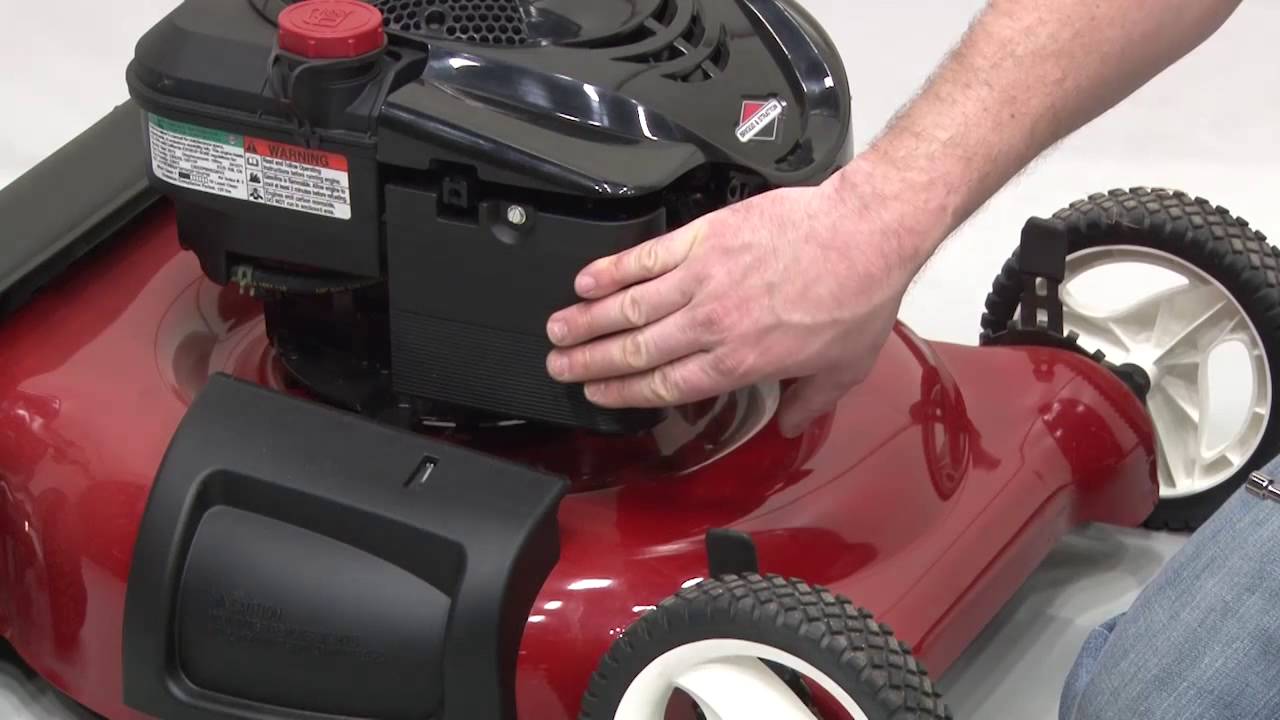
Image Source: i.ytimg.com
Getting Ready: Pre-Start Checks
Before you even think about pulling the cord, a few quick checks will save you time and frustration. Think of these as your lawn mower’s morning routine.
Checking the Fuel Level
Is there enough gas? This is the most common reason a mower won’t start. Make sure you’re using fresh, clean gasoline. Old gas can go bad and cause starting problems.
- Type of Fuel: Most Briggs & Stratton engines run on regular unleaded gasoline with an octane rating of 87 or higher. Avoid using E15 (gasoline with 15% ethanol) or higher, as it can damage fuel system components.
- Freshness: Gasoline can degrade over time, especially if it sits for more than 30 days. If your mower sat through winter, you might need to drain the old gas and refill with fresh fuel.
- Fuel Cap: Ensure the fuel cap is on tightly. A loose cap can allow dirt and debris into the fuel tank.
Checking the Oil Level
Your Briggs & Stratton engine needs oil to run smoothly and prevent damage. Low oil can cause the engine to seize.
- Locate the Dipstick: Find the oil dipstick, usually located on the side of the engine.
- Wipe and Reinsert: Pull out the dipstick, wipe it clean with a rag, and then push it all the way back into the oil filler tube.
- Check the Level: Pull the dipstick out again. The oil level should be between the “Add” and “Full” marks.
- Add Oil if Needed: If the level is low, add the recommended type and amount of oil for your specific Briggs & Stratton model. Check your owner’s manual for the exact type and capacity.
Ensuring the Ignition is On
This might sound obvious, but it’s easy to overlook.
- Walk Behind Mowers: Most walk-behind mowers have a simple on/off switch or a lever that needs to be in the “run” or “on” position.
- Riding Mowers: Riding mowers have an ignition switch, similar to a car. Make sure it’s turned to the “on” position.
The Starting Sequence: Step-by-Step
Once your pre-start checks are complete, you’re ready to get your mower going. The process can vary slightly depending on your mower type and specific Briggs & Stratton engine model.
For Walk-Behind Mowers
These are the most common type of push mowers.
1. Engage the Blade Control Lever
Most walk-behind mowers have a safety bar or lever near the handle. You need to hold this lever against the handle to allow the engine to start and run. This is a safety feature to prevent the blade from spinning unexpectedly.
2. Set the Choke
The choke controls the amount of air entering the carburetor. When the engine is cold, it needs a richer fuel mixture (more fuel, less air) to start easily.
- Cold Engine: Move the choke lever to the “Start” or “Choke” position. This closes a plate in the carburetor, enriching the fuel mixture.
- Warm Engine: If the engine is already warm, you might not need the choke, or you’ll want it in the “Run” or “Half-Choke” position. Starting a warm engine with the choke fully on can flood it.
3. Prime the Carburetor (If Applicable)
Many modern Briggs & Stratton engines have a primer bulb. This is a small rubber bulb you press a few times to push fuel directly into the carburetor.
- How to Prime: Press the primer bulb 1 to 3 times. You don’t need to over-prime; excessive priming can flood the engine.
- No Primer Bulb? Some older models or specific engine types might not have a primer bulb. In these cases, the choke is the primary way to enrich the fuel mixture for starting.
4. Pull the Starter Rope (The Pull Cord Mechanism)
This is the classic method.
- Firm Grip: Grasp the starter rope handle firmly.
- Steady Pull: Pull the rope out slowly until you feel resistance. This engages the starter mechanism.
- Quick, Strong Pull: Give the rope a short, sharp, and strong pull. Don’t pull the entire rope out.
- Repeat if Necessary: You might need to repeat this a few times. If the engine sputters but doesn’t start, try adjusting the choke or priming again.
5. Adjust the Choke as the Engine Warms Up
Once the engine starts to catch and run, you’ll need to gradually move the choke lever from the “Start” or “Choke” position towards the “Run” position.
- Listen to the Engine: As the engine warms up, it will run rough if the choke is still fully engaged.
- Smooth Running: Slowly move the choke lever until the engine runs smoothly without the choke.
For Riding Mowers
Starting a riding mower involves a few more steps due to its larger engine and more complex systems.
1. Ensure Safety First: Parking Brake Engaged
- Engage the Parking Brake: Always engage the parking brake before attempting to start the engine. This prevents the mower from moving unexpectedly.
- Transmission in Neutral: For most riding mowers, ensure the transmission is in neutral.
2. Set the Throttle and Choke
- Throttle Position: Move the throttle lever to a mid-range or fast position. This helps the engine start.
- Choke Position: Similar to walk-behind mowers, if the engine is cold, move the choke to the “Start” or “Choke” position. If it’s warm, you might only need it partially on or not at all.
3. Turn the Ignition Key
Insert the ignition key into the ignition switch and turn it to the “Start” position. Hold it there until the engine starts.
- Don’t Over-Crank: Avoid holding the key in the start position for too long, as this can overheat the starter motor. If the engine doesn’t start after a few seconds, release the key and wait a moment before trying again.
4. Adjust Choke and Throttle as Engine Warms
Once the engine fires up, you’ll need to adjust the choke and throttle.
- Gradual Choke Release: Slowly move the choke lever towards the “Run” position as the engine warms up and runs more smoothly.
- Throttle Adjustment: You can adjust the throttle to your desired mowing speed once the engine is running steadily.
Troubleshooting: What If It Won’t Start?
Even with the best care, sometimes a mower refuses to cooperate. Here’s how to troubleshoot common starting problems with your Briggs & Stratton engine.
Engine Not Starting: Common Issues and Fixes
When your Briggs & Stratton engine startup fails, consider these points:
- No Fuel in Tank: Recheck the fuel level.
- Stale Fuel: Drain old fuel and refill with fresh.
- Fuel Shut-Off Valve Closed: Some mowers have a fuel shut-off valve on the mower deck or the mower fuel line. Ensure it’s open.
- Clogged Fuel Filter: If your mower has a fuel filter, it might be clogged, preventing fuel flow. Replace it.
Spark Plug Check
A fouled or damaged spark plug is a frequent offender.
- Locate the Spark Plug: It’s a ceramic-insulated metal component screwed into the engine cylinder head.
- Disconnect Spark Plug Wire: Carefully pull the spark plug wire off the plug.
- Remove the Spark Plug: Use a spark plug socket wrench to unscrew the spark plug.
- Inspect the Spark Plug:
- Fouling: Look for black, oily, or carbon buildup on the electrode.
- Damage: Check for cracks in the ceramic insulator or bent electrodes.
- Gap: Ensure the gap between the electrodes is correct (refer to your owner’s manual). You can use a feeler gauge to check and adjust it.
- Clean or Replace: If the plug is fouled, you can try cleaning it with a wire brush and carburetor cleaner. However, it’s often best to replace an old or heavily fouled spark plug.
Briggs & Stratton Carburetor Priming Issues
If your primer bulb isn’t working or the engine is flooded after priming:
- Flooded Engine: If you smell a lot of gas or the engine won’t start after excessive priming, it might be flooded. Turn the choke off, wait a few minutes, and then try starting with no choke.
- Clogged Carburetor: The carburetor can become clogged with fuel varnish or debris, especially if stale fuel was used. This is a more complex fix and might require cleaning or rebuilding the carburetor.
Air Filter Obstruction
A dirty air filter can starve the engine of air, making it hard to start or run poorly.
- Locate Air Filter: Usually found in a plastic or metal housing on the side of the engine.
- Inspect and Clean/Replace: Remove the air filter. If it’s dirty, tap it gently to remove loose debris. For paper filters, replace them if they are heavily soiled. Foam filters can often be washed with soap and water, dried thoroughly, and then lightly oiled.
Check the Mower Fuel Line
Ensure the fuel is actually reaching the engine.
- Inspect the Fuel Line: Look for any kinks, cracks, or blockages in the rubber fuel line running from the fuel tank to the carburetor.
- Fuel Filter: If there’s a fuel filter in the line, check if it’s clogged.
Ignition System Issues
If the spark plug is good, but there’s no spark, the issue might be with the ignition system.
- Ignition Coil: The ignition coil provides the spark. If it fails, you won’t get spark.
- Flywheel Key: A damaged flywheel key can cause incorrect ignition timing.
Other Troubleshooting Tips
- Engine Compression: While less common for starting issues on an otherwise healthy mower, low compression can make starting difficult.
- Safety Switches: On riding mowers, ensure all safety switches (e.g., seat switch, blade engagement switch) are functioning correctly and allowing the engine to crank.
Essential Lawn Mower Maintenance for Easy Starts
Regular lawn mower maintenance is the best way to prevent starting problems and ensure your Briggs & Stratton engine runs reliably.
Regular Oil Changes
Just like in your car, clean oil is crucial.
- Frequency: Change the oil at the beginning of each mowing season and after every 50 hours of use (or as recommended by your owner’s manual).
- Procedure: Drain the old oil while the engine is warm, then refill with the correct type and amount of fresh oil.
Air Filter Cleaning or Replacement
Keep that air filter clean!
- Schedule: Clean or replace the air filter at least once a season, or more often if you mow in dusty conditions.
Spark Plug Replacement
Don’t wait for a spark plug to fail.
- Schedule: Replace the spark plug annually or at the first sign of trouble. It’s a cheap part that can save you a lot of headaches.
Carburetor Care
To prevent carburetor issues:
- Fuel Stabilizer: Use a fuel stabilizer in your gasoline, especially if you won’t use the mower for a month or more. This prevents fuel from degrading and clogging the carburetor.
- Flush with Fresh Fuel: At the end of the season, run the mower on fresh fuel and then drain the carburetor bowl (if possible) or use a fuel stabilizer before storing.
Cleaning the Mower Deck
A clean mower deck helps with overall efficiency and can prevent debris buildup that might interfere with components.
Starting a Riding Mower: Specific Considerations
Starting a riding mower often involves more than just pulling a rope.
Seat Safety Switch
Most riding mowers have a safety switch on the seat. The engine will only crank if someone is sitting on the mower. Make sure you’re seated firmly.
Blade Engagement Lever
Ensure the blade engagement lever is disengaged before trying to start the engine. Engaging the blades while starting can put extra strain on the engine and starter.
Transmission Neutral Safety Switch
Similar to the seat switch, many riding mowers have a neutral safety switch for the transmission. Make sure the mower is in neutral or the park brake is engaged.
Frequently Asked Questions (FAQ)
Q1: Why won’t my Briggs & Stratton mower start with a pull cord?
Common reasons include no fuel, stale fuel, a clogged air filter, a dirty or fouled spark plug, or a problem with the carburetor. Always start with the simplest checks: fuel and spark.
Q2: How many times should I prime a Briggs & Stratton engine?
For most Briggs & Stratton engines with a primer bulb, 1 to 3 presses are sufficient. Over-priming can flood the engine.
Q3: Can I use E85 fuel in my Briggs & Stratton mower?
No, Briggs & Stratton engines are typically designed for regular unleaded gasoline (up to E10). E85 fuel contains a much higher percentage of ethanol and can damage the fuel system components.
Q4: My walk-behind mower starts but then dies. What could be wrong?
This often indicates a fuel delivery issue or an air problem.
* Fuel: Stale fuel, a clogged fuel filter, or a partially blocked mower fuel line can cause this.
* Air: A dirty air filter or a choke that is still too far in can also lead to the engine dying.
Q5: How do I check for spark on my Briggs & Stratton engine?
- Disconnect the spark plug wire.
- Remove the spark plug.
- Reconnect the spark plug wire to the removed spark plug.
- Hold the metal base of the spark plug firmly against a clean metal part of the engine block (avoiding the spark plug hole itself).
- Have someone pull the starter rope or turn the ignition key.
- Look for a strong, blue spark jumping between the spark plug electrodes. If you see no spark or a weak yellow spark, the plug or ignition system may be the problem.
Q6: What is the best way to store my Briggs & Stratton mower for winter?
To prepare for storage:
1. Run the mower until it’s out of gas (or use a fuel stabilizer with fresh gas).
2. Change the oil.
3. Clean the air filter.
4. Remove and clean or replace the spark plug, and you can add a tablespoon of fresh oil into the cylinder, then slowly pull the starter rope to distribute it.
5. Clean the mower deck and exterior.
6. Store it in a clean, dry place.
By following these steps and performing regular lawn mower maintenance, you can ensure your Briggs & Stratton lawn mower starts easily and performs reliably season after season.